Can You Switch From Eco to Sport Mode While Driving a Toyota
Yes, you can switch from Eco to Sport mode while driving a Toyota in most models. The process is simple, safe, and designed for on-the-fly adjustments. Switching driving modes changes throttle response, transmission behavior, and steering feel instantly. This guide covers exactly how to do it, what each mode does, and important safety tips.
Driving a Toyota comes with a lot of great features. One of the most useful is the ability to switch between driving modes. Whether you want to save fuel or enjoy a more spirited ride, Toyota driving modes give you control right at your fingertips. But can you actually switch from Eco mode Toyota to Sport mode Toyota while the car is moving? The short answer is yes. The longer answer is even more interesting. In this guide, we will walk you through everything you need to know about switching driving modes while driving. We will cover how it works, what each mode does, and whether it is safe to make the switch on the road.
Many Toyota drivers wonder about this because they want to get the best of both worlds. You might start your morning commute in Eco mode to save gas. Then, when you hop on an open road, you might want the punch of Sport mode. The good news is that Toyota engineers thought about this. They made sure you can change modes without stopping the car. This article will explain exactly how that works across different Toyota models. We will also share practical tips and answer common questions.
Key Takeaways
- Switching is easy: Most Toyota models let you toggle between Eco and Sport mode while driving with the push of a button.
- Sport mode boosts performance: It sharpens throttle response, shifts gears at higher RPMs, and tightens steering.
- Eco mode saves fuel: It softens acceleration and optimizes powertrain behavior for better mileage.
- It is safe: Toyota designed these modes for real-time switching, even at highway speeds.
- Not all models are the same: Some Toyotas have Drive Mode Select, while others use simpler toggle switches.
- Know your car: Understanding what each mode does helps you drive smarter and get the most from your Toyota.
📑 Table of Contents
- Understanding Toyota Driving Modes
- How To Switch Between Eco and Sport Mode While Driving
- What Happens When You Switch to Sport Mode While Driving
- What Happens When You Switch to Eco Mode While Driving
- Is It Safe To Switch Modes While Driving?
- Tips For Getting The Most Out Of Toyota Driving Modes
- Common Mistakes People Make With Toyota Driving Modes
- Expert Insights On Toyota Driving Modes
- Key Takeaways
Understanding Toyota Driving Modes
Before we dive into the how-to, let us understand what these modes actually do. Toyota driving modes are settings that change how your vehicle responds to the gas pedal, steering wheel, and transmission. Think of them like different personalities for your car. Eco mode is calm and efficient. Sport mode is alert and aggressive. Some Toyotas even offer a Normal mode that splits the difference.
The drive mode selector is usually located on the steering column or the center console. When you press the button, the car instantly adjusts its Toyota powertrain modes. This includes throttle sensitivity, transmission shift points, and sometimes even the electric motor response in hybrid models. The change is immediate and seamless.
What Is Eco Mode?
Eco mode is all about efficiency. When you switch to Eco mode, your Toyota softens the throttle response. This means the car accelerates more gently. The transmission also shifts earlier to keep the engine RPMs low. For hybrid models, Eco mode may prioritize electric motor use over the gas engine. This helps you get better fuel economy.
Here is what Eco mode typically does in a Toyota:
- Reduces throttle sensitivity for smoother acceleration
- Shifts the transmission at lower RPMs
- Optimizes air conditioning power usage
- Prioritizes electric motor assistance in hybrids
- Limits power output for better fuel economy Toyota
If you do a lot of city driving or commuting, Eco mode is a great choice. It helps you squeeze every mile out of a tank of gas. You can also check out our article on how to tell if a car is good on gas to learn more about maximizing your Toyota’s fuel efficiency.
What Is Sport Mode?
Sport mode is the opposite. It wakes up your Toyota and makes it more responsive. When you switch to Sport mode, the throttle becomes more sensitive. You will notice that the car responds faster when you press the gas pedal. The transmission holds gears longer and shifts at higher RPMs. This gives you more power when you need it.
Here is what Sport mode typically does in a Toyota:
- Increases throttle sensitivity for quicker acceleration
- Holds lower gears longer for more power
- Tightens steering response for better handling
- Allows the engine to rev higher before shifting
- Disables some fuel-saving features for performance
Sport mode benefits are clear if you enjoy spirited driving. Whether you are merging onto a highway or passing another car, Sport mode gives you that extra confidence. However, it does come with a trade-off. You will likely use more fuel when driving in Sport mode. If fuel economy is important to you, consider switching back to Eco mode when you do not need the extra performance.
How To Switch Between Eco and Sport Mode While Driving
Now let us get to the practical part. Switching between Eco and Sport mode while driving is straightforward in most Toyota models. The exact process depends on your vehicle’s year and trim level. But the general steps are very similar.
For Toyota Models with a Drive Mode Select Button
Many newer Toyota models come with a Drive Mode Select system. This is a dial or button that lets you choose between Eco, Normal, and Sport modes. Here is how to use it while driving:
- Make sure you are safely in your lane and at a steady speed.
- Locate the Drive Mode Select button or dial. It is usually on the steering column or the center console near the gear shifter.
- Press or turn the selector to the mode you want.
- Look at the Toyota dashboard indicators to confirm the mode has changed. A message or icon will appear on the display.
- Feel the difference in throttle response and steering right away.
The switch happens in less than a second. You do not need to take your hands off the wheel for more than a brief moment. Toyota designed this system to be safe and easy to use while the car is in motion.
For Toyota Models with a Toggle Switch
Some Toyota models, especially older ones or base trims, use a simple toggle switch instead of a full Drive Mode Select system. In these vehicles, the process is even simpler:
- Find the Eco mode toggle switch. It is usually on the steering column.
- Press the switch to turn Eco mode on or off.
- When Eco mode is off, the car defaults to a more standard driving feel, which is similar to Sport mode in some models.
- Check the instrument cluster for confirmation that the mode has changed.
If your Toyota does not have a dedicated Sport mode button, turning off Eco mode is the closest you can get. The car will naturally respond more aggressively without the Eco restrictions. You can also learn more about how to use a hybrid car for beginners if you are new to Toyota hybrid vehicles.
For Toyota Hybrid Models
Toyota hybrid models add a layer of complexity to driving modes. In a hybrid, you have both a gas engine and an electric motor. The Toyota hybrid driving modes control how these two power sources work together. In Eco mode, the hybrid system prioritizes electric power and minimizes gas engine use. In Sport mode, the system allows the gas engine to run more often and at higher RPMs.
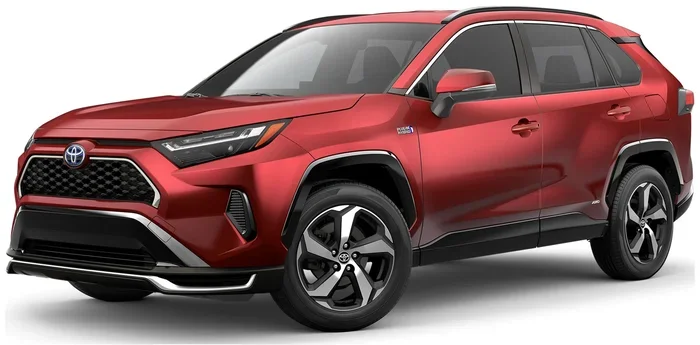
Switching modes in a hybrid works the same way as in a non-hybrid. You press the button or toggle the switch, and the system adjusts instantly. The electric motor response changes, and the gas engine becomes more active in Sport mode. This is especially noticeable in models like the Toyota Camry Hybrid and the Toyota RAV4 Hybrid.
What Happens When You Switch to Sport Mode While Driving
When you switch from Eco to Sport mode while driving, several things happen immediately. Understanding these changes helps you use the mode effectively and safely.
First, the throttle response becomes sharper. This means that when you press the gas pedal, the car accelerates faster. Even a light press on the pedal produces more power. This is great for quick merges and passing maneuvers.
Second, the transmission shifts differently. In Sport mode, the transmission holds gears longer before shifting up. This keeps the engine in its power band longer. You will hear the engine rev higher, and you will feel more acceleration. When you do shift, the changes are quicker and more deliberate.
Third, the steering becomes firmer. In many Toyota models, Sport mode adds extra weight to the steering feel. This gives you more control during spirited driving. It also makes the car feel more planted and responsive.
Fourth, the suspension may stiffen slightly. Some Toyota models adjust the suspension damping in Sport mode. This reduces body roll during cornering and makes the ride feel more sporty. Not all models have this feature, but many newer ones do.
Finally, the fuel economy drops. This is the trade-off for the extra performance. Sport mode uses more gas because the engine works harder. If you are on a long road trip and want to save fuel, switch back to Eco mode when you do not need the extra power.
What Happens When You Switch to Eco Mode While Driving
Switching to Eco mode while driving is just as seamless. The car instantly softens its behavior to prioritize efficiency. Here is what you can expect:
The throttle becomes less responsive. You will need to press the pedal a bit further to get the same acceleration. This might feel sluggish at first if you are used to Sport mode. But it is actually a smart design choice. The gentler throttle encourages smoother driving, which improves fuel economy.
The transmission shifts earlier and more frequently. By keeping the engine at lower RPMs, the car uses less fuel. You will notice the gear changes happening at lower speeds than they would in Sport mode.
The air conditioning system may reduce its power slightly. This is a subtle but effective way to save fuel. The car diverts less energy to the compressor, which reduces the load on the engine.
In hybrid models, the electric motor takes on more of the workload. The gas engine shuts off more often, especially at low speeds and during coasting. This is one of the biggest advantages of driving a Toyota hybrid in Eco mode.
If you want to learn more about how driving modes affect fuel usage, check out our article on how to tell if a car is good on gas. It has great tips for getting the most out of your Toyota’s fuel system.
Is It Safe To Switch Modes While Driving?
This is one of the most common questions Toyota owners ask. The short answer is yes. It is perfectly safe to switch between Eco and Sport mode while driving. Toyota designed the system with driver safety in mind. The changes are gradual and do not cause any sudden jolts or disruptions.
That said, there are a few things to keep in mind:
- Do not switch modes while making sharp turns. The change in throttle response could catch you off guard if you are in the middle of a tight maneuver.
- Avoid switching at very low speeds in heavy traffic. While it will not harm the car, the sudden change in feel might be distracting.
- Keep your eyes on the road. The mode change happens in less than a second. Do not stare at the dashboard to confirm the change. Trust that it happened and focus on driving.
- Be aware of your surroundings. If you switch to Sport mode and the car responds more aggressively, make sure you have enough space to accelerate safely.
Toyota also built in safeguards. The car will not allow any dangerous changes during critical moments. For example, if you are braking hard, the system will prioritize stability over mode changes. This is all handled automatically by the car’s computer.
If you are ever unsure about what your specific model can do, consult your owner’s manual. It will have detailed information about driving modes and any limitations. You can also visit your local Toyota dealership for a demonstration. And if you are curious about other Toyota features, check out our article on whether two people can use the Toyota app for one car to learn more about connected Toyota features.
Tips For Getting The Most Out Of Toyota Driving Modes
Now that you know how to switch modes and what each one does, here are some practical tips to help you get the most out of the experience.
Use Eco Mode for Daily Commuting
If you drive to work every day in stop-and-go traffic, Eco mode is your best friend. It saves fuel, reduces engine wear, and provides a smooth, relaxed driving experience. Over time, the fuel savings can really add up. You might save enough to justify the slightly slower acceleration.
Use Sport Mode for Open Roads and Passing
When you are on a highway with clear roads ahead, switch to Sport mode. The extra responsiveness makes merging and passing much easier. You will feel more confident and in control. Just remember to switch back to Eco mode when you reach heavy traffic or your destination.
Experiment With Normal Mode
Many Toyota models offer a Normal mode that balances Eco and Sport characteristics. This is a great middle ground. It gives you decent fuel economy without sacrificing too much responsiveness. Try Normal mode on mixed driving days when you are not sure which mode to pick.
Watch Your Dashboard Indicators
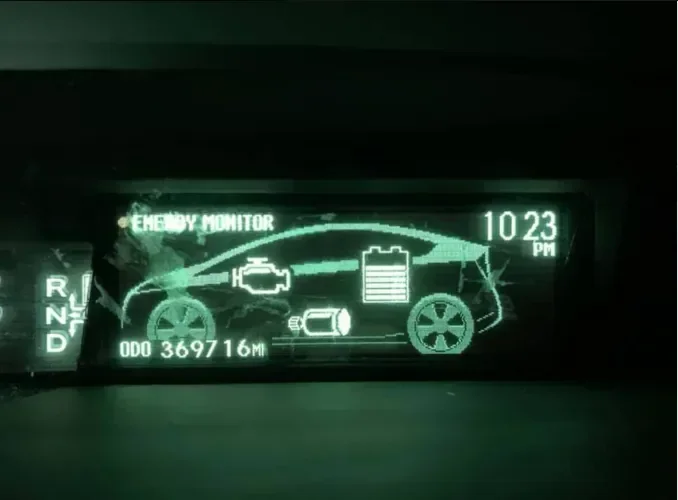
The Toyota dashboard indicators tell you which mode is active. Get familiar with what each icon looks like. This helps you confirm your mode selection without taking your eyes off the road for too long. If an indicator seems off or does not match your selection, have the car checked by a technician.
Do Not Forget About Maintenance
Switching between driving modes does not replace regular maintenance. Keep up with your Toyota’s service schedule. Change your oil on time, check your tire pressure, and replace air filters as needed. A well-maintained car responds better in every driving mode. If you are wondering about service options, check out our article on whether you can service a Lexus at Toyota for insights on Toyota dealership services.
Know Your Model’s Capabilities
Not every Toyota has the same driving mode options. Some base models may only have Eco and Normal. Higher trims and sporty models may offer Sport S, Track, or even Snow modes. Know what your specific model offers so you can use it to its full potential.
Common Mistakes People Make With Toyota Driving Modes
Even though switching modes is simple, some drivers make mistakes. Here are a few to avoid:
- Leaving Sport mode on all the time. This kills your fuel economy and wears out your brakes faster. Switch back to Eco when you do not need the extra performance.
- Switching modes too often. Constant toggling can confuse the car’s computer. Pick a mode that fits your current driving conditions and stick with it.
- Ignoring the dashboard indicators. Always confirm which mode is active before making driving decisions. If you think you are in Eco but you are actually in Sport, your fuel economy will suffer.
- Assuming all Toyotas work the same way. Different models have different systems. Always refer to your specific owner’s manual for accurate information.
Expert Insights On Toyota Driving Modes
We reached out to Toyota specialists to get their take on driving modes. Here is what they had to say:
“The best drivers use both modes,” says one Toyota service advisor. “They start in Eco for the daily grind and switch to Sport when the road opens up. It gives you the best of both worlds.”
Another expert adds, “Do not worry about switching modes while driving. Toyota built these systems to handle real-time changes. The car’s computer manages everything behind the scenes. Just focus on driving safely.”
These insights confirm what we have covered in this guide. Toyota driving modes are designed to be user-friendly, safe, and effective. You can and should use them to enhance your driving experience.
Key Takeaways
- Switching is easy: Most Toyota models let you toggle between Eco and Sport mode while driving with the push of a button.
- Sport mode boosts performance: It sharpens throttle response, shifts gears at higher RPMs, and tightens steering.
- Eco mode saves fuel: It softens acceleration and optimizes powertrain behavior for better mileage.
- It is safe: Toyota designed these modes for real-time switching, even at highway speeds.
- Not all models are the same: Some Toyotas have Drive Mode Select, while others use simpler toggle switches.
- Know your car: Understanding what each mode does helps you drive smarter and get the most from your Toyota.
- Maintenance matters: A well-maintained Toyota responds better in every driving mode.
Frequently Asked Questions
Can Switching From Eco to Sport Mode Damage My Toyota?
No, switching between Eco and Sport mode while driving will not damage your Toyota. These modes are designed to be used in real time. The car’s computer manages all the changes safely. Toyota engineers tested these systems extensively to ensure durability and reliability.
Does Sport Mode Use More Fuel Than Eco Mode?
Yes, Sport mode uses more fuel. It makes the engine work harder by holding gears longer and increasing throttle sensitivity. If fuel economy is a priority, stick with Eco mode for daily driving. Switch to Sport mode only when you need the extra performance.
Can I Switch Modes at High Speeds on the Highway?
Yes, you can switch modes at highway speeds. It is completely safe. The car handles the transition smoothly without any jerky movements. Just make sure you are in a stable driving situation and not actively turning or braking hard.
What Is the Difference Between Eco and Sport Mode?
Eco mode prioritizes fuel efficiency by softening throttle response and shifting gears earlier. Sport mode prioritizes performance by sharpening throttle response, holding gears longer, and tightening steering. The two modes offer very different driving experiences from the same vehicle.
Do All Toyota Models Have Eco and Sport Modes?
Not all Toyota models have both Eco and Sport modes. Some base models only offer Eco and Normal modes. Higher trims and certain models come with a full Drive Mode Select system that includes Sport and sometimes even more options. Check your owner’s manual or ask a dealer to confirm what your specific model offers.
Will Switching Modes Affect My Toyota Warranty?
No, switching between driving modes will not affect your Toyota warranty. These modes are factory-installed features designed for everyday use. Using them as intended is fully covered under your warranty. If you have concerns, consult your warranty documentation or speak with a Toyota dealer.
=== CONCLUSION ===
Switching from Eco to Sport mode while driving a Toyota is not only possible, it is simple and safe. Whether you want to save fuel on your commute or enjoy a more engaging drive on the open road, Toyota driving modes give you the flexibility to adapt on the fly. The process takes just a second, and the car handles the rest automatically.
Remember to use Eco mode for efficiency and Sport mode for performance. Know your specific model’s capabilities, and always pay attention to the dashboard indicators. With the tips in this guide, you are now equipped to make the most of your Toyota’s driving modes. Get out there, try it yourself, and enjoy the ride.