Can a Toyota 4Runner Last 400000 Miles Without Trouble
The Toyota 4Runner is one of the most durable SUVs on the road, and many owners have pushed their trucks past 400000 miles with proper care. With a rugged body-on-frame design, proven engines, and simple mechanics, the 4Runner is built for longevity. Regular maintenance, smart driving habits, and timely repairs are the keys to reaching that 400000-mile milestone.
The Toyota 4Runner has earned a reputation as one of the toughest SUVs ever made. People buy them, drive them hard, and somehow watch the odometer climb year after year. But can a 4Runner really last 400000 miles without falling apart? The short answer is yes, absolutely. With the right care and a little luck, your 4Runner can easily cross that 400000-mile mark and keep going strong.
In this guide, we will walk through everything you need to know about pushing a Toyota 4Runner to 400000 miles. We will cover what makes this truck so tough, what maintenance you need to follow, common problems to watch for, and whether buying a high-mileage 4Runner is a smart move. Whether you already own one or are thinking about buying one, this article has you covered.
Key Takeaways
- The 4Runner is famously durable: Many examples easily surpass 300000 and even 400000 miles with basic care.
- Regular oil changes are critical: Staying on top of fluid maintenance is the single most important thing you can do for your 4Runner’s engine life.
- The body-on-frame design adds strength: Unlike unibody SUVs, the 4Runner’s traditional frame holds up exceptionally well over time.
- Common high-mileage issues are manageable: Problems like worn suspension parts and minor rust are fixable and expected at this mileage.
- A high-mileage 4Runner can still be a great buy: Well-maintained examples offer strong value even at 200000+ miles.
📑 Table of Contents
Why the Toyota 4Runner Has Legendary Longevity
The Body-on-Frame Advantage
One of the biggest reasons the 4Runner lasts so long is its body-on-frame construction. Most modern SUVs use a unibody design where the body and frame are one piece. The 4Runner still uses a separate steel frame, just like a truck. This design is simpler, stronger, and easier to repair. When something does go wrong, a separate frame means the body can stay intact even if the chassis takes a hit.
This frame design also handles stress better over time. Think of it like a bridge versus a building. A bridge is built to flex and handle heavy loads repeatedly. The 4Runner’s frame works the same way. It absorbs road stress without cracking or fatiguing the way a unibody might over hundreds of thousands of miles.
Simple Mechanics That Are Easy to Fix
The 4Runner has always been about function over flash. There are no fancy computer systems that break at inconvenient times. The engines used in the 4Runner are naturally aspirated V6 units that have been refined over decades. They are simple, reliable, and well-understood by mechanics everywhere. When something breaks, you can usually fix it without spending a fortune on diagnostic computers or proprietary parts.
This simplicity is a huge advantage for longevity. Fewer complex parts mean fewer things that can go wrong. The 4Runner does not need special software updates or recalibrations. It is basically a rugged truck that happens to look like an SUV, and trucks are built to last.
What It Takes to Reach 400000 Miles
The Engine and Drivetrain Under the Hood
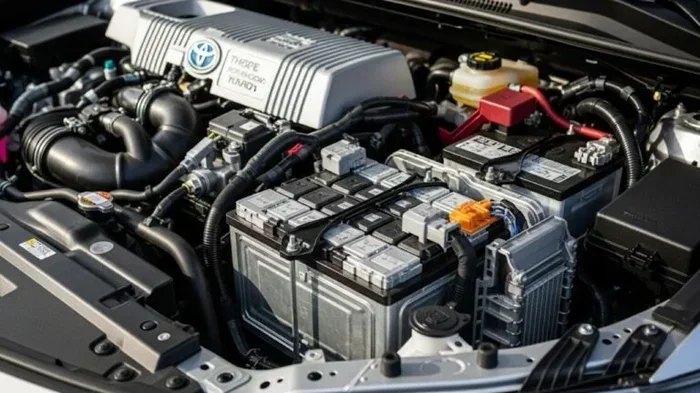
The current 4Runner uses a 4.0-liter V6 engine that produces about 270 horsepower. This engine has been around for years and is known for being incredibly reliable. The 4.0-liter V6, often called the 1GR-FE, is a workhorse. It uses a cast iron block and aluminum heads, which gives it a good balance of strength and weight.
Many 4Runner owners report that the engine barely needs any major work before 300000 miles. After that, you might see some minor issues like a valve cover gasket leak or a water pump replacement. But these are normal repairs, not catastrophic failures. The drivetrain, including the transmission and transfer case, is also built tough. The automatic transmissions in the 4Runner are known for lasting well beyond 300000 miles when properly maintained.
Body and Frame Integrity Over Time
The 4Runner body holds up remarkably well. The older models, especially the fifth generation from 2009 to 2024, use high-strength steel in key areas. The rocker panels, frame rails, and cab structure are designed to handle off-road abuse. This means the body does not rust through or bend easily, even after many years of hard use.
That said, rust can be a concern in certain climates. If you live in a place that uses road salt in winter, you need to rinse your 4Runner regularly. Pay special attention to the undercarriage, wheel wells, and rocker panels. A good rinse every couple of weeks during winter months can prevent rust from taking hold. Rust is one of the few things that can truly end a 4Runner’s life before it hits 400000 miles.
Maintenance Tips for Hitting 400000 Miles
Oil Changes and Fluid Maintenance
Here is the truth about making your 4Runner last 400000 miles: oil changes matter more than almost anything else. Changing your oil regularly is the single most important thing you can do for your engine. Most Toyota experts recommend changing the oil every 5000 to 7500 miles for normal driving. If you tow or drive in dusty conditions, you should shorten that interval to every 3000 to 5000 miles.
When it comes to oil weight, you have options. Some owners wonder if they can use 5W20 instead of 5W30 in a Toyota, and the answer depends on your specific model year and driving conditions. The 4Runner’s 4.0-liter V6 was designed to run on 5W30 or 10W30 oil. Using the manufacturer recommended weight ensures proper lubrication and protection at high mileage. You should also check your transmission fluid, brake fluid, and coolant levels on a regular schedule. Fresh fluids keep all the moving parts happy and reduce wear.
Major Service Intervals You Cannot Skip
At certain mileage points, the 4Runner needs more than just an oil change. Here are the key service milestones you should never skip:
- 60000 miles: Replace spark plugs, check the drive belt, and inspect the brake system thoroughly.
- 100000 miles: Replace the timing chain tensioner if your model uses a chain-driven system. Flush the coolant and replace the transmission fluid.
- 150000 miles: Inspect the suspension components including control arms, ball joints, and tie rods. Replace any worn parts before they cause further damage.
- 200000 miles: Consider a full engine and transmission inspection. Replace the water pump and thermostat at this point if you have not already.
- 300000 miles and beyond: Monitor for any signs of engine wear. Check for oil consumption and inspect the exhaust system for leaks or rust.
Following these intervals keeps your 4Runner healthy and prevents small problems from becoming big expensive ones. A 5W-30 oil can work well as an alternative to 0W-20 for older 4Runner models, especially as the engine accumulates miles and internal clearances increase slightly.
Driving Habits That Extend Engine Life
How you drive your 4Runner matters just as much as what maintenance you perform. Here are some habits that help your truck last longer:
- Warm up the engine gently for the first few minutes of each drive. Avoid slamming the throttle when the engine is cold.
- Avoid towing beyond the 4Runner’s rated capacity, which is typically around 5000 pounds for most model years.
- Shift to neutral at stoplights to reduce strain on the transmission.
- Drive smoothly and avoid hard braking whenever possible.
- Store your 4Runner in a garage or covered area when possible to protect the paint and seals.
Common Problems at High Mileage
What to Watch For After 200000 Miles
No vehicle is perfect, and the 4Runner is no exception. As your truck racks up miles, certain issues tend to show up. Being aware of them helps you catch problems early before they become expensive repairs.
The most common high-mileage issues include:
- Suspension wear: Control arm bushings, ball joints, and shock absorbers wear out over time. You might notice clunking noises over bumps or the truck pulling to one side.
- Rust and corrosion: Especially on older models or those driven in salty climates. Check the wheel arches, rocker panels, and tailgate hinges regularly.
- Oil consumption: Some 4Runners start burning small amounts of oil after 200000 miles. This is normal and usually not a sign of major engine damage.
- AC compressor issues: The AC compressor can fail on higher-mileage examples, which is annoying but not expensive to fix.
- Check engine light codes: Oxygen sensor failures and catalytic converter issues can pop up as the truck ages.
None of these problems are deal breakers. They are normal wear items that come with any vehicle that sees a lot of miles. The key is catching them early and fixing them promptly.
Cost of Ownership at the 400K Mark
You might be wondering how much it costs to keep a 4Runner running at 400000 miles. The good news is that the 4Runner is not expensive to maintain compared to many other vehicles. Routine maintenance like oil changes, brake pads, and tires typically costs between 500 and 1000 per year for a high-mileage truck.
Major repairs at the 400000-mile mark might include a suspension rebuild costing 1500 to 3000, a transmission service around 300 to 600, or an exhaust system replacement for 500 to 1500. These are all manageable costs for a truck that is still worth 10000 to 20000 or more depending on condition. The 4Runner holds its value incredibly well, which helps offset maintenance costs over time.
Is a High-Mileage 4Runner Worth Buying?
The Pros of Buying a 4Runner With 200000+ Miles
Buying a used 4Runner with high miles can be one of the best automotive decisions you ever make. Here is why:
- Lower purchase price: A 4Runner with 250000 miles might cost half of what a low-mileage example costs.
- Proven reliability: A 4Runner that has already hit 200000 miles without major issues is likely to go another 200000 miles easily.
- Strong resale value: The 4Runner holds value better than almost any other SUV on the market.
- Simple to maintain: Parts are widely available and affordable. Any mechanic can work on a 4Runner.
- Off-road capability: Even at high mileage, the 4Runner remains a capable trail and off-road vehicle.
The Cons to Consider
Of course, there are some downsides to consider:
- Higher mileage means more wear: Even reliable trucks will need more frequent repairs as they age.
- Fuel economy is modest: The 4Runner averages around 16 to 20 miles per gallon, which adds up over time.
- Older models may lack modern features: Higher-mileage older 4Runners might not have the latest safety tech or infotainment systems.
- Finding a clean example takes work: You need to carefully inspect any high-mileage 4Runner for rust, accident damage, and maintenance history.
Overall, the pros heavily outweigh the cons. A well-maintained high-mileage 4Runner is one of the most reliable vehicles you can buy.
Final Thoughts on the 4Runner’s 400000-Mile Potential
The Toyota 4Runner is not just a truck that can last 400000 miles. It is a truck that is practically designed to do so. With its simple, proven mechanicals, strong body-on-frame construction, and easy maintenance, the 4Runner stands out as one of the most durable vehicles ever built. The key to reaching that 400000-mile goal is straightforward: stay on top of oil changes, follow the service schedule, drive responsibly, and address small problems before they grow into big ones.
If you are already a 4Runner owner, keep doing what you are doing. Your truck has a good chance of outlasting you if you treat it right. If you are shopping for a used 4Runner, do not be afraid of high mileage. A 4Runner with 200000 or even 300000 miles on the clock is still a solid investment that can serve you for another decade or more. The 4Runner is one of those rare vehicles that actually gets better with age, as long as someone took care of it along the way.
So yes, a Toyota 4Runner can absolutely last 400000 miles without major trouble. It just takes a little planning, regular maintenance, and a commitment to keeping it in good shape. The 4Runner has been doing this for decades, and it will keep doing it for decades to come.
Frequently Asked Questions
How often should I change the oil in my 4Runner to reach 400000 miles?
You should change the oil every 5000 to 7500 miles for normal driving conditions. If you tow, drive in dusty areas, or do a lot of stop-and-go city driving, shorten the interval to every 3000 to 5000 miles. Consistent oil changes are the single most important factor in engine longevity.
Is it expensive to maintain a 4Runner at 300000+ miles?
Not really. The 4Runner is one of the more affordable trucks to maintain at high mileage. Routine services like oil changes, brake pads, and tires cost around 500 to 1000 per year. Major repairs might cost a few thousand dollars but are usually infrequent thanks to the truck’s reliable design.
What engine does the Toyota 4Runner use and is it reliable?
Most 4Runners use a 4.0-liter V6 engine known as the 1GR-FE. This engine is extremely reliable and has been used in Toyota trucks for many years. It is naturally aspirated, uses a cast iron block, and is known for lasting well beyond 300000 miles with proper maintenance.
Can I still take my 4Runner off-road after 200000 miles?
Absolutely. The 4Runner is built for off-road use and holds up well to trail abuse even at high mileage. Just make sure your suspension components are in good shape before hitting the trails. Replace any worn control arms, ball joints, or shocks to keep the truck handling safely.
Does the 4Runner have any known major issues at high mileage?
The 4Runner is remarkably free of major catastrophic failures. The most common issues at high mileage include suspension wear, minor oil consumption, rust in harsh climates, and occasional oxygen sensor or catalytic converter codes. None of these are expensive or difficult to repair.
Should I buy a used 4Runner with over 200000 miles on the clock?
Yes, if the truck has been well maintained. A 4Runner with 200000+ miles that has clean service records and no rust is often a better value than a low-mileage example. The 4Runner’s reputation for durability means it can easily go another 200000 miles with proper care.
=== CONCLUSION ===
The Toyota 4Runner is one of the most reliable and long-lasting SUVs on the market today. Reaching 400000 miles is not just possible, it is achievable for owners who commit to regular maintenance and smart driving habits. From the rugged body-on-frame design to the proven 4.0-liter V6 engine, every part of the 4Runner is built with durability in mind.
Stay on top of your oil changes, follow the service schedule, and address small issues before they become big problems. Your 4Runner will reward you with years of dependable service. Whether you are already at 200000 miles or just starting your journey, the 4Runner is a truck that can and will go the distance. Keep it maintained, drive it well, and your 4Runner will be passing the 400000-mile mark before you know it.