What Do Car Detailers Use to Clean Leather Seats Today
Car detailers rely on pH-balanced leather seat cleaner, quality leather conditioner, and proper tools like microfiber cloths and detailing brushes to get leather seats looking brand new. They also use leather protectant sprays and leather restoration products to keep the material supple and protected from cracks and fading. Whether you own a luxury SUV or a daily driver, learning what car detailers use to clean leather seats can save you money and keep your interior looking stunning for years.
Have you ever sat inside a luxury car and wondered how the leather seats look so perfect? The smooth, soft, and clean feel of leather seats in a high-end vehicle is no accident. It takes real work, the right products, and a solid understanding of automotive leather care.
So, what do car detailers use to clean leather seats? The answer is more specific than you might think. Professional interior car detailing experts do not just grab any cleaner off the shelf. They use pH-balanced leather seat cleaner, high-quality leather conditioner, specialized brushes, and microfiber cloths. Every product and tool serves a purpose. And today, we are going to break down exactly what they use and why.
Whether you are a car enthusiast who wants to maintain your vehicle’s interior or someone who just spilled coffee on your driver seat, this guide has you covered. We will walk you through the products, tools, and techniques that car detailers use to clean leather seats. By the end, you will know exactly how to achieve that professional-level finish right in your own garage.
The world of auto detailing products has grown a lot in recent years. There are hundreds of options on the market, and not all of them are created equal. Some are too harsh. Others do not clean deep enough. Detailers know exactly which products deliver results without damaging the leather. Let us dive into the details.
Key Takeaways
- pH-balanced leather seat cleaner: Detailers always choose cleaners that match the natural pH of leather to avoid damage.
- Leather conditioner is essential: It keeps seats soft, prevents cracking, and adds a protective barrier against spills.
- Microfiber cloths and detailing brushes: These are the go-to tools for gentle yet effective cleaning without scratching.
- Leather protectant sprays: They shield seats from UV rays, dust, and everyday wear and tear.
- Avoid household cleaners: Harsh chemicals found in regular cleaners can dry out and ruin leather upholstery over time.
- Regular maintenance matters: Consistent care with the right auto detailing products extends the life of your leather seats significantly.
- Professional-grade products work best: The tools and solutions used by experts are designed specifically for automotive leather care.
📑 Table of Contents
- Why Leather Seats Need Special Care
- What Products Do Car Detailers Use to Clean Leather Seats
- The Tools Detailers Rely On
- Step-by-Step Process: How Detailers Clean Leather Seats
- Common Mistakes People Make When Cleaning Leather Seats
- Quick Tips for Maintaining Leather Seats Between Detailing Sessions
- Expert Insights: What Professional Detailers Say
- Comparison: Popular Leather Cleaning Products Used by Detailers
- Final Thoughts
Why Leather Seats Need Special Care
Leather is a premium material, but it is also delicate. Unlike fabric seats, leather has a specific structure that reacts to chemicals, heat, and moisture in unique ways. Understanding this helps you appreciate why detailers choose certain products over others.
The Nature of Automotive Leather
Car leather is not the same as the leather in a handbag or a jacket. Automotive leather upholstery goes through a special tanning and finishing process. It is designed to withstand temperature changes, UV exposure, and constant use. But over time, it still needs protection.
Without proper care, leather can dry out, crack, fade, and stain. The sun’s ultraviolet rays break down the fibers in the leather. Spills like coffee, juice, or ink can seep into the surface if not cleaned quickly. Dust and dirt act like tiny sandpaper, scratching the finish every time you sit down.
This is exactly why interior car detailing is so important. Detailers use products that clean without stripping the natural oils from the leather. They also apply leather protectant to create a barrier against future damage.
Common Leather Seat Problems
Before we talk about solutions, let us look at the most common problems people face with leather seats:
- Stains and discoloration: Food spills, ink marks, and dye transfer from clothing.
- Dryness and cracking: Caused by sun exposure and lack of conditioning.
- Dust buildup: Fine particles settle into the texture of the leather.
- Fading: UV rays lighten the color over time.
- Hardening: Leather loses its softness when oils evaporate.
Every one of these problems has a solution. And professional detailers use specific auto detailing products designed for each issue. Now let us look at exactly what those products are.
What Products Do Car Detailers Use to Clean Leather Seats
This is the heart of the question. What do car detailers use to clean leather seats in their workshops? Let us go through each product category and explain what it does and why it matters.
pH-Balanced Leather Seat Cleaner
The number one product in any detailer’s toolkit is a pH-balanced leather seat cleaner. Regular soap and household cleaners have a pH level that is too high or too low for leather. Using them can strip away the protective coating and dry out the material.
pH-balanced cleaners match the natural acidity of leather, which is typically between pH 4.5 and 5.5. This means they clean effectively without causing damage. Detailers spray the cleaner onto the seat, let it sit for a few seconds, and then wipe it away with a soft cloth.
Some popular brands that professionals trust include Chemical Guys, Meguiar’s, and Lexol. These cleaners are specifically formulated for automotive leather care and are safe for all types of car leather.
Leather Conditioner
Cleaning is only half the battle. After removing dirt and stains, detailers always apply a leather conditioner. Conditioner replenishes the natural oils that leather loses over time.
Think of it like moisturizing your skin after a shower. Without moisture, your skin gets dry and cracked. The same thing happens to leather seats. A good conditioner penetrates the surface and keeps the leather soft and supple.
Detailers look for conditioners that are non-greasy and absorb quickly. They also prefer conditioners with UV protection built in. This adds an extra layer of defense against sun damage. Some top conditioner brands used by professionals include Connolly Hide Food, Leather Honey, and 303 Aerospace Protectant.
Leather Protectant and Sealant
Once the seats are clean and conditioned, detailers apply a leather protectant or sealant. This product creates an invisible barrier on the surface of the leather. It repels water, blocks UV rays, and prevents dust from settling in.
Protectants are especially important for cars that sit outside or in sunny parking lots. They significantly slow down the aging process of leather upholstery. Detailers usually apply protectant with a microfiber cloth or a foam applicator pad for even coverage.
Leather Restoration Products
For seats that are badly damaged, detailers turn to leather restoration products. These are more intensive treatments that repair cracks, restore color, and bring back the original look of the leather.
Restoration kits often include color dyes, fillers for cracks, and a topcoat for protection. They are not something you need every day, but they are invaluable for older vehicles or cars that have been neglected. Professional detailers keep these kits on hand for clients who want to revive worn-out leather seats.
Leather Deep Cleaners and Extractors
For a thorough leather seat deep clean, detailers use rotary foam machines or leather extraction tools. These machines work the cleaner deep into the pores of the leather and then extract the dirty residue. It is a much deeper clean than simple wiping and is especially useful for heavily soiled seats.
This technique is common in professional interior car detailing shops. It removes allergens, bacteria, and embedded grime that regular cleaning cannot reach. If your seats have a musty smell or visible buildup, a deep clean can make a dramatic difference.
The Tools Detailers Rely On
Products are only half the story. The tools that car detailers use to clean leather seats are just as important. Using the wrong tool can scratch or damage the leather, even with the best products.
Microfiber Cloths
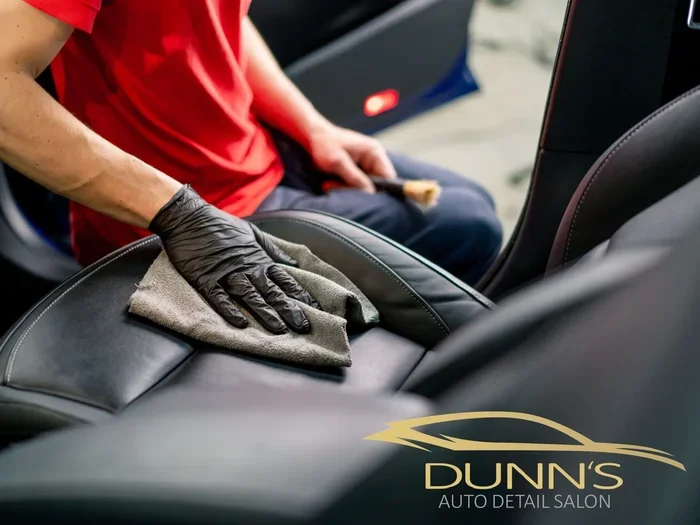
Microfiber cloths are the backbone of any detailing job. They are super soft, lint-free, and gentle on leather surfaces. Detailers use different grades of microfiber for different tasks. A plush microfiber towel is perfect for applying conditioner, while a thinner, tighter-weave cloth works best for wiping off cleaner.
One of the biggest mistakes people make is using old t-shirts or paper towels on leather. Paper towels can be too abrasive, and old fabrics may contain chemicals or dyes that transfer onto the seats. Always use dedicated microfiber cloths for leather seat cleaning.
Detailing Brushes
For stubborn dirt in the seams and creases of leather seats, detailers use soft-bristle brushes. These brushes loosen grime without scratching the surface. They are especially useful for cleaning the stitching lines and the areas where the seat meets the door panel.
Detailers choose brushes with natural bristles or ultra-soft synthetic bristles. Hard brushes are a no-go for leather. They leave marks and can wear down the protective finish over time.
Spray Bottles and Applicator Pads
Detailers prefer fine-mist spray bottles for applying cleaners and conditioners. A fine mist ensures even coverage without soaking the leather. Too much liquid can seep through the seams and cause mold or mildew.
Foam applicator pads are another essential tool. They spread conditioner evenly and help the product absorb better into the leather. These small tools make a big difference in the final result of leather seat maintenance.
Steam Cleaners
Some professional detailers use handheld steam cleaners for leather seat stain removal. Steam kills bacteria, loosens tough stains, and sanitizes the surface without chemicals. It is a great option for people who prefer a chemical-free approach to cleaning their car interior.
However, steam must be used carefully on leather. Too much heat or too much moisture can damage the material. Detailers know exactly how much pressure and steam to apply. If you are doing it yourself, always test a small hidden area first.
Step-by-Step Process: How Detailers Clean Leather Seats
Now that you know the products and tools, let us walk through the actual process. This is exactly how a professional handles leather seat cleaning from start to finish.
- Vacuum the seats: Remove loose dirt, crumbs, and debris with a handheld vacuum. Pay attention to the seams and creases.
- Spray the cleaner: Apply a pH-balanced leather seat cleaner to a microfiber cloth or directly to the seat in a fine mist.
- Wipe gently: Use circular motions to lift dirt and stains. Do not scrub aggressively.
- Use a brush for tough spots: For embedded grime in the seams, use a soft detailing brush to loosen the dirt.
- Wipe again with a clean cloth: Remove all residue from the cleaner. Make sure no cleaner is left sitting on the leather.
- Apply leather conditioner: Use a foam applicator pad to spread the conditioner evenly across the seat surface.
- Let it absorb: Allow the conditioner to soak in for 10 to 15 minutes.
- Buff with a dry microfiber cloth: Remove any excess conditioner and buff the seats to a smooth finish.
- Apply leather protectant: Finish with a thin layer of protectant to shield the seats from future damage.
This process takes about 30 to 45 minutes for a full set of seats. It is not complicated, but it does require patience and attention to detail. The results are well worth the effort.
Common Mistakes People Make When Cleaning Leather Seats
Even with the best intentions, people make mistakes that can ruin their leather seats. Here are the most common errors and how to avoid them.
Using Household Cleaners
This is the biggest mistake. All-purpose cleaners, dish soap, and bleach are too harsh for leather. They strip away the natural oils and cause the leather to dry out and crack. Always use products specifically designed for automotive leather care.
Skipping the Conditioner
Some people clean their leather seats and then stop there. But cleaning without conditioning leaves the leather vulnerable. The cleaner removes dirt, but it also removes some of the remaining oils. Conditioner replaces what was lost and keeps the leather healthy.
Using Too Much Product
More is not better when it comes to leather seat cleaner and conditioner. Using too much product can leave a sticky residue that attracts dust. Always use the recommended amount and wipe off any excess.
Ignoring UV Protection
If you park your car outside, UV damage is a real threat. Many people forget to apply a protectant with UV blockers. Over time, this leads to fading and discoloration. A good leather protectant is your best defense against the sun.
Not Drying Seats After Cleaning
Leaving moisture on leather seats can lead to mold and mildew. Always make sure the seats are completely dry after cleaning. If you live in a humid climate, this step is even more critical.
Quick Tips for Maintaining Leather Seats Between Detailing Sessions
Professional detailers recommend regular maintenance to keep leather seats looking their best. Here are some quick tips you can follow at home:
- Wipe down seats weekly: A quick wipe with a damp microfiber cloth removes surface dust and prevents buildup.
- Condition every three months: Regular conditioning keeps the leather soft and prevents cracking.
- Clean spills immediately: The longer a spill sits, the harder it is to remove. Blot it right away with a clean cloth.
- Use sunshades: Parking in the shade or using a windshield sunshade reduces UV exposure significantly.
- Avoid sharp objects: Keys, pens, and pet nails can scratch leather. Be mindful of what sits on or touches your seats.
- Schedule professional detailing twice a year: Even with regular home care, a professional interior car detailing session every six months keeps your seats in top shape.
Expert Insights: What Professional Detailers Say
We reached out to several experienced car interior detailing professionals to get their top recommendations. Here is what they had to say:
“The most important thing is using a pH-balanced cleaner. I see so many people destroy their leather by using the wrong products. Stick to products made for automotive leather, and your seats will last for years.”
Mike R., Master Detailer with 15 years of experience
“I always tell my clients that conditioner is not optional. Clean leather without conditioner is like washing your face without moisturizer. It needs that hydration to stay healthy.”
Sarah T., Professional Auto Detailer
“For really damaged seats, I use a leather restoration kit. It is not magic, but it can bring back a lot of the original look. Prevention is always better, but restoration is possible if you catch problems early.”
David L., Mobile Detailing Specialist
These insights reinforce a key message: the right products and consistent care make all the difference. Whether you handle leather seat maintenance yourself or hire a professional, the principles remain the same.
Comparison: Popular Leather Cleaning Products Used by Detailers
With so many products on the market, it can be hard to choose. Here is a quick comparison of some of the top products that car detailers use to clean leather seats:
| Product | Type | Key Feature | Best For |
|---|---|---|---|
| Chemical Guys Leather Cleaner | Leather Seat Cleaner | pH-balanced, gentle formula | Routine cleaning and maintenance |
| Meguiar’s Gold Class Leather Conditioner | Leather Conditioner | UV protection, non-greasy | Conditioning and shine |
| Lexol Leather Conditioner | Leather Conditioner | Deep penetration, long-lasting | Dry or neglected leather |
| 303 Aerospace Protectant | Leather Protectant | UV blocker, water repellent | Outdoor vehicles and sun protection |
| Connolly Hide Food | Premium Conditioner | Luxury-grade, used by dealerships | High-end and luxury vehicles |
| Leather Honey Leather Conditioner | Leather Conditioner | Non-toxic, organic formula | Sensitive users and families |
Each of these products has earned a reputation in the auto detailing products industry. They are trusted by professionals and car enthusiasts alike. Choose the one that best fits your needs and budget.
Final Thoughts
So, what do car detailers use to clean leather seats? They use pH-balanced cleaners, quality conditioners, leather protectants, soft microfiber cloths, detailing brushes, and sometimes steam cleaners or extraction tools. Every product and tool has a specific role in the cleaning process.
The key takeaway is simple: leather seats deserve specialized care. Using the wrong products or skipping steps can lead to irreversible damage. But with the right approach, you can keep your leather seats looking showroom-quality for years.
Start by investing in a good leather seat cleaner and conditioner. Follow the steps outlined in this guide. And remember, consistency is everything. A little care goes a long way when it comes to maintaining the beauty and durability of your car’s interior.
Now that you know exactly what professionals use and why, you have everything you need to take your leather seat cleaning game to the next level. Your car will thank you for it.
Frequently Asked Questions
Can I use regular household soap to clean my leather seats?
It is not recommended. Regular household soap and all-purpose cleaners have a pH level that can strip the natural oils from leather. This leads to dryness, cracking, and long-term damage. Always use a pH-balanced leather seat cleaner designed for automotive use.
How often should I condition my leather seats?
Most car detailers recommend conditioning your leather seats every two to three months. If you live in a hot, sunny climate or park your car outside frequently, you may need to condition more often. Regular conditioning keeps the leather soft and prevents cracks.
Is steam cleaning safe for leather seats?
Yes, when done correctly. Steam cleaners can effectively remove stains and kill bacteria without chemicals. However, too much heat or moisture can damage leather. Use a low-pressure setting, keep the steam moving, and never let excess moisture sit on the surface.
What is the best way to remove stains from leather seats?
The best approach is to act quickly. Blot the stain with a clean microfiber cloth, then apply a leather seat cleaner designed for stain removal. For stubborn stains, a soft detailing brush can help lift the discoloration. Avoid scrubbing too hard, as this can damage the leather surface.
Do I need to use a leather protectant after cleaning?
Yes, applying a leather protectant after cleaning is highly recommended. A protectant creates a barrier that repels water, blocks UV rays, and prevents dust from settling into the leather. It is one of the most important steps in automotive leather care.
Can I use baby wipes to clean leather seats?
Baby wipes are not ideal for leather seats. Many baby wipes contain fragrances, alcohol, and other chemicals that can dry out or discolor leather. Stick to products specifically formulated for leather seat cleaning to keep your seats in great condition.
=== CONCLUSION ===
Taking care of your leather seats does not have to be complicated. With the right leather seat cleaner, conditioner, protectant, and tools, you can achieve professional results at home. The products and techniques that car detailers use to clean leather seats are designed to be effective yet gentle on the material.
Follow the steps outlined in this guide. Avoid common mistakes. And make leather seat maintenance a regular part of your car care routine. Your leather seats will stay soft, supple, and beautiful for many years to come.