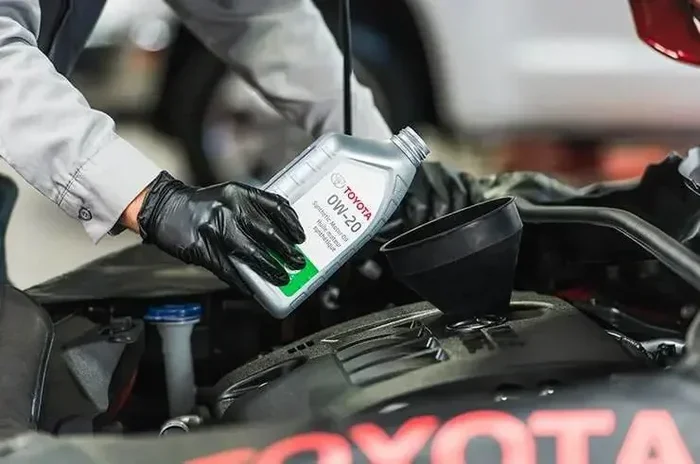
Do Toyotas Really Require Synthetic Oil For Best Performance
Do Toyotas require synthetic oil? The short answer is no — but synthetic oil offers major benefits for many Toyota models. Toyota factory recommendations vary by engine and model year, and understanding your specific Toyota’s needs can save you money and protect your engine. This guide breaks down everything you need to know about Toyota oil requirements, synthetic vs conventional oil, and how to make the best choice for your ride.
Key Takeaways
- Toyota does not universally require synthetic oil: Many Toyota models work perfectly well with conventional or synthetic blend oil, depending on the engine and model year.
- Synthetic oil offers superior engine protection: Full synthetic oil provides better thermal stability, longer drain intervals, and improved performance in extreme temperatures.
- Check your owner’s manual first: Always refer to your specific Toyota model’s manual for the factory-recommended oil type and viscosity.
- Older Toyotas can benefit from synthetic oil too: Even high-mileage Toyotas can see improved engine health with synthetic oil, especially those with over 200,000 miles.
- Oil change intervals matter: Synthetic oil typically allows for longer intervals between changes, which can save time and money over the long run.
- Using the wrong oil can void your warranty: Stick to Toyota’s recommended specifications to avoid warranty issues and engine damage.
📑 Table of Contents
- Do Toyotas Really Require Synthetic Oil For Best Performance?
- Understanding Toyota Oil Requirements
- Synthetic Oil vs Conventional Oil: What Is the Difference?
- When Does Toyota Actually Require Synthetic Oil?
- Benefits of Using Synthetic Oil in Your Toyota
- Common Mistakes Toyota Owners Make With Oil
- How Often Should You Change Your Toyota’s Oil?
- Expert Tips for Choosing the Right Oil for Your Toyota
- Are Toyotas Reliable Even With Conventional Oil?
- Frequently Asked Questions
- Conclusion
Do Toyotas Really Require Synthetic Oil For Best Performance?
Here is a question that Toyota owners ask all the time. Do Toyotas require synthetic oil? The answer might surprise you. Many people assume that every Toyota needs full synthetic oil to run properly. But that is not always the case. Toyota builds reliable engines that can run on different types of oil. The right choice depends on your specific model, engine type, driving habits, and climate.
In this article, we will clear up the confusion. You will learn what Toyota actually recommends. You will understand the difference between synthetic, conventional, and synthetic blend oils. And you will know exactly how to choose the best oil for your Toyota. Whether you drive a Toyota Corolla or a Toyota Camry, this guide has you covered.
Let us get into it. No fluff. No jargon. Just clear, practical advice that will help you take better care of your Toyota.
Understanding Toyota Oil Requirements
Toyota does not use a one-size-fits-all approach to oil. Different engines need different oil types. The best place to start is always your owner’s manual. It lists the exact oil viscosity and specifications your engine needs. For example, a 2020 Toyota Camry might call for 0W-20 full synthetic oil. But an older Toyota pickup might run fine on 10W-30 conventional oil.
What Does the Owner’s Manual Say?
Your owner’s manual is the ultimate authority. It tells you the recommended oil viscosity grade, such as 0W-20 or 5W-30. It also specifies whether you need conventional, synthetic blend, or full synthetic oil. Toyota engineers design each engine with specific oil requirements in mind. Following those recommendations ensures optimal engine performance and longevity.
Here are some common Toyota oil recommendations by model:
- Toyota Corolla: Typically 0W-20, full synthetic or synthetic blend for newer models. Older models may use conventional 5W-30.
- Toyota Camry: Usually 0W-20 full synthetic for newer engines. Some older V6 models may use 5W-30.
- Toyota RAV4: Most recent models call for 0W-20 synthetic oil.
- Toyota Tacoma: Often uses 0W-20 or 5W-30 depending on the engine and year.
- Toyota 4Runner: Typically 5W-30, and synthetic blend or full synthetic works well.
Always double-check your specific model year. Toyota updates oil requirements across different generations. A quick search online or a look at the manual will give you the exact specs.
Synthetic Oil vs Conventional Oil: What Is the Difference?
Not all engine oils are created equal. Understanding the differences helps you make an informed decision. Let us break down the three main types of oil you will encounter at any auto parts store.
Conventional Oil
Conventional oil is the most basic type of engine oil. It is refined from crude oil and has been used in engines for decades. It provides adequate lubrication for standard driving conditions. Conventional oil is typically cheaper than synthetic options. For older Toyotas with simpler engine designs, conventional oil can work just fine.
However, conventional oil breaks down faster under extreme heat. It also needs to be changed more frequently. Most mechanics recommend changing conventional oil every 3,000 to 5,000 miles. If you drive in stop-and-go traffic or hot climates, conventional oil degrades even faster.
Synthetic Blend Oil
A synthetic blend combines conventional oil with a percentage of synthetic oil. This mix offers better protection than conventional oil alone. It also costs less than full synthetic oil. A synthetic blend can be a great middle-ground option for Toyota owners who want extra protection without the higher price tag.
Synthetic blend oil works well for drivers who experience moderate temperature extremes. It also handles towing and hauling better than conventional oil. Many newer Toyota models come from the factory with synthetic blend oil already in the engine.
Full Synthetic Oil
Full synthetic oil is the premium option. It is engineered in a lab to provide the highest level of engine protection. It resists thermal breakdown much better than conventional oil. It also flows smoothly at very low temperatures, which is crucial for cold starts.
Full synthetic oil typically lasts longer between changes. Many Toyotas running on full synthetic can go 7,500 to 10,000 miles between oil changes. This can save you time and money over the life of your vehicle. Full synthetic oil also keeps your engine cleaner by reducing sludge buildup.
When Does Toyota Actually Require Synthetic Oil?
Now for the big question. When does Toyota actually require synthetic oil? The answer depends on several factors.
Newer Toyota Models
Many recent Toyota models come with engines designed for synthetic oil. Toyota has been shifting toward requiring 0W-20 full synthetic oil for newer engines. These engines have tighter tolerances and advanced technology. They perform best with the superior lubrication that synthetic oil provides.
For example, Toyota’s newer turbocharged engines and hybrid powertrains often specify full synthetic oil. Using conventional oil in these engines could lead to poor performance or even engine damage. Always check the oil cap under your hood. It usually lists the recommended oil weight and type.
Toyota Models That Work Fine With Conventional Oil
Older Toyota models with simpler engines can run on conventional oil without any issues. If you own a classic Toyota pickup or an older sedan, conventional oil may be perfectly fine. These engines were designed in an era when conventional oil was the standard. They do not have the same tight tolerances as modern engines.
That said, even older Toyotas can benefit from synthetic oil. Switching to synthetic in a high-mileage engine can reduce wear and improve fuel efficiency. It is never too late to upgrade your oil.
Toyota’s Warranty and Oil Requirements
Here is something many Toyota owners overlook. Using the wrong oil type can potentially void your warranty. If Toyota specifies synthetic oil for your model and you use conventional oil instead, you could run into problems. The dealership might deny a warranty claim related to engine damage.
This is especially important for newer vehicles still under factory warranty. Always follow Toyota’s recommended oil specifications. If you are unsure, call your local Toyota dealer. They can confirm the exact oil type for your vehicle.
Benefits of Using Synthetic Oil in Your Toyota
Even when Toyota does not strictly require synthetic oil, there are compelling reasons to use it. Let us look at the key benefits.
Better Engine Protection
Synthetic oil provides superior lubrication. It coats engine components more evenly than conventional oil. This reduces friction and wear, especially during hard driving. Your Toyota’s engine has many moving parts that depend on consistent oil flow.
Synthetic oil also maintains its viscosity better under extreme temperatures. It does not thin out as quickly in hot weather. And it flows more easily in cold weather, protecting your engine from the moment you turn the key.
Longer Oil Change Intervals
One of the biggest advantages of synthetic oil is its longevity. Full synthetic oil can last up to 10,000 miles between changes in some Toyotas. Compare that to 3,000 to 5,000 miles for conventional oil. Fewer oil changes mean less time at the shop and more money in your pocket.
Some Toyotas come equipped with an oil life indicator system. This system monitors your driving conditions and tells you when it is time for an oil change. Using synthetic oil works hand-in-hand with these systems for optimal results.
Improved Fuel Economy
Synthetic oil reduces internal engine friction. Less friction means the engine does not have to work as hard. This can lead to a slight improvement in fuel economy. Over thousands of miles, those savings can add up. If you want to maximize your Toyota’s miles per gallon, synthetic oil is a smart choice.
Cleaner Engine Internals
Synthetic oil contains fewer impurities than conventional oil. It resists sludge and deposit buildup inside the engine. Over time, this keeps your engine internals cleaner and more efficient. A cleaner engine runs smoother and lasts longer.
Common Mistakes Toyota Owners Make With Oil
Even experienced Toyota owners can make mistakes when it comes to oil. Here are the most common ones to avoid.
Using the Wrong Oil Viscosity
Never guess the oil weight for your Toyota. Using 10W-30 when your engine needs 0W-20 can cause problems. The wrong viscosity affects oil flow and engine protection. Always stick to what the owner’s manual specifies. If you cannot find your manual, check the oil cap or search online for your specific model year.
Ignoring the Oil Life Indicator
Many modern Toyotas have an oil life monitoring system. This system tracks your driving habits and engine conditions. It tells you exactly when to change your oil. Some owners ignore this light or reset it without actually changing the oil. That defeats the whole purpose. When the light comes on, get your oil changed.
If you are unsure about what the wrench or oil light means, check our article on does the wrench light mean oil change for helpful guidance.
Skipping Oil Changes
Even the best synthetic oil eventually degrades. It loses its additives and becomes less effective. Skipping oil changes is one of the fastest ways to damage your engine. Set a reminder on your phone or calendar. Stay on top of your Toyota’s oil change schedule.
Overfilling or Underfilling the Oil
Both overfilling and underfilling can harm your engine. Too much oil causes foaming and pressure buildup. Too little oil leads to inadequate lubrication and overheating. Always check your oil level with the dipstick after every oil change. The level should fall between the minimum and maximum marks.
How Often Should You Change Your Toyota’s Oil?
Oil change frequency depends on several factors. The type of oil you use is a big one. Conventional oil typically needs changing every 3,000 to 5,000 miles. Synthetic blend oil can go 5,000 to 7,500 miles. Full synthetic oil often lasts 7,500 to 10,000 miles.
Your driving habits also matter. If you drive in extreme heat, cold, dusty conditions, or do a lot of short trips, you may need to change your oil more frequently. These conditions cause oil to break down faster. Toyota’s severe service schedule recommends more frequent changes for these driving patterns.
Here is a quick reference guide for Toyota oil change intervals:
- Conventional oil: Every 3,000 to 5,000 miles
- Synthetic blend: Every 5,000 to 7,500 miles
- Full synthetic oil: Every 7,500 to 10,000 miles
- Severe driving conditions: Reduce intervals by 25 to 50 percent
If you are handy with car maintenance, you might wonder if you can change your Toyota’s oil yourself. For many models, the answer is yes. Check out our guide on can I change my Corolla’s oil myself for step-by-step instructions.
Also, if you ever need to check on your engine health or wonder about warning lights, understanding your Toyota’s maintenance indicators is essential. For instance, the oil pressure light and the check engine light can signal different issues, and knowing the difference saves time and money.
Expert Tips for Choosing the Right Oil for Your Toyota
Still not sure which oil to pick? Here are some expert tips to help you decide.
Check the API Certification
Look for the API (American Petroleum Institute) starburst symbol on the oil bottle. This means the oil meets industry standards for engine protection. For Toyotas, look for oils rated API SP or SN. These ratings ensure the oil is compatible with modern engine technology.
Consider Your Climate
Where you live matters. If you live in a cold climate, a lower viscosity oil like 0W-20 flows better during cold starts. If you live in a hot climate, a slightly higher viscosity like 5W-30 may provide better protection at high temperatures. Your owner’s manual can guide you here.
Do Not Mix Oil Types
Never mix conventional oil with synthetic oil or synthetic blend. While it will not cause immediate damage, it dilutes the benefits of the synthetic oil. Stick to one type and stick with it for consistent engine protection.
Change Your Oil Filter Too
Every time you change your oil, replace the oil filter as well. A clogged filter restricts oil flow and reduces engine protection. Use a genuine Toyota oil filter or a high-quality aftermarket equivalent. This small step makes a big difference in engine longevity.
Keep Records
Maintain a log of your oil changes. Note the date, mileage, oil type, and oil filter used. This record-keeping helps you stay on track and provides proof of maintenance if you ever need to make a warranty claim. It also helps you track your Toyota’s maintenance history over the years.
Are Toyotas Reliable Even With Conventional Oil?
Toyota has built a reputation for reliability that spans decades. Many Toyotas have crossed the 200,000-mile mark and are still running strong. This reliability holds even when owners use conventional oil instead of synthetic. Toyota engines are designed with durability in mind. They have robust construction and can tolerate different oil types.
That said, using synthetic oil adds an extra layer of protection. It is like wearing a seatbelt. You might be fine without it, but why take the chance? If you want your Toyota to last as long as possible, synthetic oil is a smart investment.
For those interested in long-term Toyota ownership, Toyota reliability after 200,000 miles is a well-documented topic. Proper oil maintenance plays a huge role in achieving those high mileage milestones.
Frequently Asked Questions
Can I Use Conventional Oil in My New Toyota?
It depends on your specific model. Many newer Toyotas require or strongly recommend synthetic oil. Check your owner’s manual for the exact specifications. Using conventional oil in an engine designed for synthetic could lead to increased wear and potential warranty issues. When in doubt, stick with what Toyota recommends.
How Do I Know if My Toyota Needs Synthetic Oil?
Look at your owner’s manual or check the oil cap under your hood. The recommended oil type and viscosity are listed there. You can also call your local Toyota dealer with your VIN number. They can confirm the exact oil requirements for your vehicle. Newer models with turbocharged or hybrid engines almost always require synthetic oil.
Is Synthetic Oil Worth the Extra Cost for Toyotas?
For most Toyota owners, yes. Synthetic oil provides better engine protection, longer change intervals, and improved fuel economy. While it costs more upfront, the extended drain intervals often offset the price difference. Over the life of your vehicle, synthetic oil can save you money on maintenance and help prevent costly engine repairs.
What Happens if I Put the Wrong Oil in My Toyota?
Using the wrong oil can cause reduced engine performance, increased wear, and potential overheating. In some cases, it may trigger warning lights on your dashboard. If you accidentally put the wrong oil in, get it changed as soon as possible. The sooner you correct the mistake, the less risk there is of engine damage. If you are unsure what a warning light means, refer to our article on how to clear your service light for helpful guidance.
Can I Switch From Conventional Oil to Synthetic Oil in My Toyota?
Yes, you can switch from conventional to synthetic oil at any time. There is no need to flush the engine first. Simply drain the conventional oil, replace the filter, and fill with synthetic oil. Your engine will benefit from the improved protection immediately. Just make sure to follow the correct viscosity grade for your Toyota model.
How Does Oil Life Indicator Work in Toyotas?
Toyota’s oil life indicator uses algorithms to monitor your driving conditions. It tracks factors like engine temperature, driving speed, and idle time. Based on these conditions, it calculates when your oil needs changing. When the indicator reaches zero, it is time for an oil change. Remember to reset the indicator after each oil change to keep it accurate.
Conclusion
So, do Toyotas require synthetic oil? The answer is not a simple yes or no. Toyota’s oil requirements vary by model, engine, and year. Many newer Toyotas benefit from or require full synthetic oil. Older models can often run just fine on conventional or synthetic blend oil.
The most important thing you can do is follow your owner’s manual. Use the recommended oil viscosity and oil type for your specific Toyota. Stay on top of your oil change schedule. And never underestimate the value of regular maintenance.
Whether you choose synthetic or conventional oil, the key is consistency. Change your oil on time. Use quality products. And your Toyota will reward you with years of reliable performance. After all, Toyotas are built to last. Give them the right oil, and they will keep on running strong for hundreds of thousands of miles.
Take a few minutes today to check your Toyota’s oil type and level. It is one of the simplest things you can do to protect your investment. Your future self will thank you when your Toyota keeps running smoothly mile after mile.