Does a Prius Hybrid Charge While Driving on the Road
Yes, a Prius hybrid does charge while driving through regenerative braking and the gasoline engine. The Toyota Prius uses a clever self-charging hybrid system that recovers energy during deceleration and feeds it back into the hybrid battery pack. You do not need to plug in a standard Prius to keep the battery topped up while you drive.
This is a comprehensive guide about Does a Prius Hybrid Charge While Driving?.
Key Takeaways
- Regenerative Braking Charges the Battery: Every time you slow down or brake, the Prius captures kinetic energy and converts it back into electricity.
- No Plug-In Required for Standard Models: The standard Toyota Prius is a self-charging hybrid that does not need an external charging station.
- The Gasoline Engine Also Helps Recharge: During cruising, excess power from the gas engine flows back into the battery pack.
- Driving Habits Affect Charging Efficiency: Smooth driving and gradual braking maximize energy recovery and fuel economy.
- Prius Prime Models Are Different: The Prime is a plug-in hybrid that requires external charging for full electric range.
- Battery Health Matters Over Time: Older Prius models may see reduced charging efficiency as the battery ages.
- You Can Check Battery Health Easily: Simple diagnostics and driving observations help you monitor your Prius battery performance.
[FEATURED_IMAGE_PLACEHOLDER]
Have you ever wondered whether your Toyota Prius actually charges itself while you are cruising down the highway? It is a question that comes up a lot among new hybrid owners and curious shoppers alike. The short answer is yes, but the full story is much more interesting than a simple yes or no.
The Prius hybrid system is one of the most well-known hybrid technologies on the road today. Toyota has spent decades refining how this car captures, stores, and uses energy. Understanding how your Prius charges while driving can help you get better fuel economy, extend your battery life, and drive with more confidence.
In this guide, we will walk through everything you need to know about how a Prius charges on the road. We will cover the science behind regenerative braking, the role of the gasoline engine, and practical tips to get the most out of your hybrid vehicle. Whether you just bought your first Prius or have been driving one for years, there is something here for you.
If you are new to the world of hybrid cars, it helps to understand the basics first. The Toyota Prius uses what is called a self-charging hybrid system. This means the car generates its own electricity while you drive. You do not need to plug it into a wall outlet or a charging station to keep the battery working.
The system relies on two main components: an electric motor and a gasoline engine. These two work together seamlessly to power the car and keep the hybrid battery pack charged. When you slow down, the electric motor reverses its role and becomes a generator. This process is at the heart of how your Prius stays charged on the road.
How Does a Prius Hybrid Charge While Driving?
The charging process in a Prius is not magic. It is a well-engineered system that captures energy that would otherwise be wasted. Let us break down exactly how this works step by step.
Regenerative Braking: The Key to Self-Charging
When you take your foot off the accelerator or press the brake pedal, the Prius enters a mode called regenerative braking. Instead of using traditional friction brakes alone, the electric motor flips into generator mode. It turns the kinetic energy from your moving car back into electrical energy. That electricity then flows into the hybrid battery pack for later use.
This is the primary way your Prius charges while driving. Every time you slow down for a red light, coast downhill, or just ease off the gas, you are feeding energy back into the system. Over time, these small bursts of recovered energy add up significantly.
The efficiency of regenerative braking depends on several factors. Your driving speed, how often you brake, and the condition of your battery all play a role. Smooth, gradual braking recovers more energy than hard, sudden stops. This is one reason why Prius drivers often see excellent fuel economy numbers.
The Role of the Gasoline Engine in Charging
While regenerative braking handles most of the charging during city driving, the gasoline engine also contributes. When you are cruising at steady speeds on the highway, the gas engine produces more power than the car needs at that moment.
The excess power gets directed to the electric motor, which then acts as a generator. It converts that extra mechanical energy into electricity and sends it to the battery. This process keeps the battery topped up during long drives and highway cruising.
At what speed does the Prius switch to gas? Generally, the Prius relies more on the gasoline engine at higher speeds, typically above 40 to 50 mph. Below that speed, the electric motor does most of the work. Understanding this switch helps you anticipate how your car is using and storing energy at any given moment.
EV Mode and Its Charging Impact
Many Prius models offer an EV mode, which lets you drive short distances on electric power alone. When you use EV mode in the city, the car draws from the battery. But as soon as you accelerate hard or the battery drops below a certain level, the gas engine kicks in.
Interestingly, even in EV mode, the car can begin recharging the battery through light regenerative braking. You are not completely cut off from the charging system. The hybrid system constantly balances power between the electric motor, the gas engine, and the battery to optimize efficiency.
Do You Need to Plug In a Prius to Charge It?
One of the biggest advantages of the standard Toyota Prius is that it does not need to be plugged in. The self-charging hybrid system takes care of everything on its own. As you drive, brake, and cruise, the car continuously replenishes its battery without any effort from you.
This is a major selling point for people who want the benefits of a hybrid without the hassle of finding charging stations. You treat a standard Prius just like a regular gasoline car when it comes to fueling up. You drive it, and it charges itself.
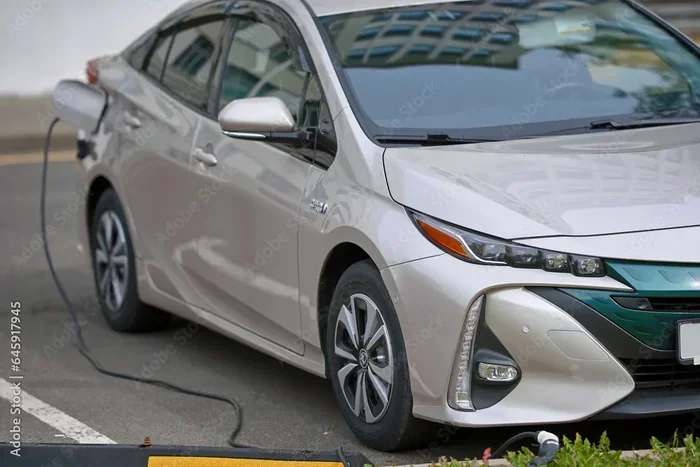
However, there is an important distinction here. The Prius Prime is a different vehicle. It is a plug-in hybrid, which means it has a larger battery pack that you can charge from an external source. The Prime can run on electric power alone for longer distances, but it also charges while driving using the same regenerative braking system.
If you are deciding between a standard Prius and a Prius Prime, consider your daily driving habits. If you have access to a home charger and want more electric-only driving, the Prime might be a good fit. If you prefer the simplicity of never plugging in, the standard Prius is hard to beat.
Factors That Affect How Well Your Prius Charges While Driving
Not all driving conditions are equal when it comes to charging your Prius battery. Several factors influence how efficiently your car recovers and stores energy. Understanding these factors can help you maximize your fuel economy and battery health.
Driving Speed and Habits
Your driving style has a direct impact on how much energy your Prius recovers. Aggressive driving with rapid acceleration and hard braking wastes energy and reduces the effectiveness of regenerative braking. On the other hand, smooth and steady driving allows the system to capture the maximum amount of energy.
Here are some driving habits that improve charging efficiency:
- Coast to decelerate instead of braking hard at the last second.
- Maintain steady speeds on the highway to allow the gas engine to recharge the battery.
- Avoid rapid acceleration which drains the battery faster than it can be recharged.
- Use cruise control on highways to promote consistent energy recovery.
Terrain and Road Conditions
Hilly terrain actually works in your favor when it comes to charging a Prius. Driving downhill engages regenerative braking heavily, which means more energy gets recovered. If you live in a hilly area, you may notice your battery staying surprisingly charged even after lots of stop-and-go driving.
Flat highways also provide good charging opportunities through the gas engine’s excess power recovery. City driving with lots of stops is excellent for regenerative braking but may not fully recharge the battery if you are constantly starting and stopping without enough coasting time.
Battery Age and Health
Over time, the hybrid battery in your Prius may lose some of its capacity to hold a charge. This is a natural part of the aging process. An older battery will not recover energy as efficiently as a new one, which can affect your overall fuel economy.
If you are concerned about your battery health, there are simple ways to check it. You can monitor the battery indicator on your dashboard. If you notice the battery staying low more often than it used to, it might be time for a health check. You can also refer to our guide on how to check your hybrid battery health for detailed tips.
Temperature and Weather Conditions
Extreme temperatures can affect how well your Prius charges while driving. Very cold weather reduces battery efficiency and can limit the amount of energy recovered through regenerative braking. In hot weather, the battery management system may limit charging to prevent overheating.
Most modern Prius models have sophisticated thermal management systems that help mitigate these effects. Still, you may notice a slight drop in fuel economy during the coldest or hottest months of the year. This is normal and not a sign of a serious problem.
Common Myths About Prius Charging
There are several myths floating around about how Prius hybrids charge. Let us clear up some of the most common misconceptions.
Myth: You Must Plug In a Prius Every Night
This is perhaps the most widespread myth about the Toyota Prius. The standard Prius is a self-charging hybrid. It does not have a plug. You fill up the gas tank and drive, and the car handles the rest. There is no need to search for charging stations or install a home charger.
However, the Prius Prime and other plug-in hybrid models do require external charging for their full electric range. If you own a Prime, you will want to plug it in regularly to get the best fuel economy and electric-only driving.
Myth: Regenerative Braking Replaces Traditional Brakes
While regenerative braking does a lot of the heavy lifting, it does not completely replace your traditional friction brakes. The Prius still has regular brake pads and rotors. Regenerative braking handles most of the deceleration in everyday driving, but you still need your traditional brakes for full stops and emergency situations.
Myth: A Dead Hybrid Battery Means the Car Won’t Move
Many people worry that if the hybrid battery dies, the car becomes useless. This is not entirely true. The Prius can still operate on the gasoline engine alone, even with a degraded or partially failed battery. However, you will lose the fuel economy benefits and electric-only driving capability. If your battery is severely damaged, you should address it promptly to avoid further damage to the hybrid system.
For more information on what happens when a Prius battery dies, check out our article on can you drive a Prius with a dead hybrid battery.
How to Maximize Charging Efficiency on Your Daily Drive
Now that you understand how your Prius charges while driving, here are some practical tips to get the most out of every trip.
Plan Your Routes for Better Energy Recovery
If you have multiple route options for your daily commute, consider choosing the one with more stops and starts. More stop-and-go driving means more opportunities for regenerative braking to recharge your battery. Routes with gentle hills are also excellent for energy recovery.
Monitor Your Driving Feedback
The Prius dashboard provides real-time feedback on energy flow. Watch the arrows and indicators that show when energy is being recovered and when it is being used. This feedback can help you adjust your driving style to maximize charging efficiency.
Keep Your Tires Properly Inflated
This might seem unrelated, but properly inflated tires reduce rolling resistance. Less resistance means the electric motor does not have to work as hard, which means more energy stays in the battery. It is a small change that can make a noticeable difference over time.
Reduce Unnecessary Weight
Carrying heavy loads in your trunk or back seat forces the hybrid system to work harder. Lighter loads mean less energy is needed for acceleration, which leaves more energy available for battery recovery. Keep your car lean and efficient.
Use Climate Control Wisely
Heating and air conditioning draw power from the engine and battery. In extreme weather, minimizing climate control use can help preserve battery charge. On mild days, consider using vent mode instead of full air conditioning or heating to save energy.
How Does the Prius Compare to Other Hybrid Charging Systems?
The Toyota Prius is not the only hybrid on the market, but its charging system is one of the most refined. Let us compare how the Prius handles charging against a few other popular hybrid systems.
| Feature | Toyota Prius (Standard) | Prius Prime (Plug-In) | Traditional Hybrid |
|---|---|---|---|
| External Charging Required | No | Yes | No |
| Regenerative Braking | Yes | Yes | Yes |
| Electric-Only Range | 1-2 miles | 25-53 miles | 1-2 miles |
| Charging While Driving | Yes | Yes | Yes |
| Battery Size | Small | Large | Small |
| Fuel Economy (MPGe) | 57 city / 56 hwy | 133 MPGe combined | Varies by model |
As you can see, the standard Prius and most traditional hybrids share a similar charging approach. Both rely on regenerative braking and engine-assisted charging. The Prius Prime adds the ability to plug in for extended electric-only driving, but it still charges while driving just like the standard model.
If you want to learn more about how hybrid cars work for beginners, our guide on how to use a hybrid car for beginners covers the fundamentals in detail.
What Happens When the Hybrid Battery Is Full?
You might wonder what happens when the Prius battery reaches full charge. The simple answer is that the system stops sending energy to the battery and uses the excess power to drive the wheels directly. The hybrid battery management system monitors the charge level constantly and adjusts the power flow accordingly.
When the battery is full, the gasoline engine powers the car directly through a mechanical connection or through the electric motor. No energy is wasted. The system is designed to be incredibly efficient, even in full-battery conditions.
This is also why you sometimes see the battery indicator on your dashboard showing a full or nearly full charge after a long coasting stretch. The system has captured more energy than it needs at that moment and stored it for later use.
Can You Jump Start a Prius From the Trunk?
Another common question among Prius owners is whether you can jump-start the car from the trunk. The answer is yes, but it requires accessing the jump-start terminals located in the rear of the vehicle. The 12-volt auxiliary battery is in the trunk, and you can use it to jump-start the car if the main hybrid battery is not the issue.
For detailed instructions on this process, check out our article on can you jump-start a Prius from the trunk. It is helpful to know this information in case you ever find yourself in a situation where you need a jump start.
Key Takeaways
- Regenerative Braking Charges the Battery: Every time you slow down or brake, the Prius captures kinetic energy and converts it back into electricity.
- No Plug-In Required for Standard Models: The standard Toyota Prius is a self-charging hybrid that does not need an external charging station.
- The Gasoline Engine Also Helps Recharge: During cruising, excess power from the gas engine flows back into the battery pack.
- Driving Habits Affect Charging Efficiency: Smooth driving and gradual braking maximize energy recovery and fuel economy.
- Prius Prime Models Are Different: The Prime is a plug-in hybrid that requires external charging for full electric range.
- Battery Health Matters Over Time: Older Prius models may see reduced charging efficiency as the battery ages.
- You Can Check Battery Health Easily: Simple diagnostics and driving observations help you monitor your Prius battery performance.
Frequently Asked Questions
Does a Prius charge while idling?
Yes, a Prius can generate a small amount of charge while idling. The gasoline engine may run at low power during idling, and the electric motor can act as a generator to recover a small amount of energy. However, the charging rate is very low while idling compared to when you are actively driving and using regenerative braking.
How long does it take for a Prius battery to charge while driving?
The Prius battery charges continuously while you drive, but it never takes a full charge from empty to full through driving alone. The battery operates within a specific charge range, typically between 40 and 80 percent. The system maintains this range by charging and discharging as needed during your drive.
Can you drive a Toyota hybrid without the battery?
No, you cannot drive a Toyota hybrid without a functioning battery. The battery is an essential part of the hybrid system. However, if the battery is degraded but not completely dead, the car can still run on the gasoline engine alone, though you will lose fuel economy benefits. For more details, see our article on can you drive a Toyota hybrid without the battery.
Is the Prius self-charging or plug-in?
The standard Toyota Prius is a self-charging hybrid. It does not require plugging in. The Prius Prime, on the other hand, is a plug-in hybrid that offers longer electric-only range and needs to be charged from an external source. Both models charge while driving through regenerative braking.
What speed does the Prius switch from electric to gas?
The Prius typically switches to gasoline power at speeds above 40 to 50 mph. At lower speeds, the electric motor handles most of the driving. At higher speeds, the gasoline engine takes over and also helps recharge the battery through excess power recovery. For more on this topic, check out our article on at what speed does the Prius switch to gas.
How can I improve my Prius battery charging while driving?
You can improve your Prius battery charging by practicing smooth driving, avoiding hard braking, coasting to decelerate, and maintaining steady speeds on the highway. Keeping your tires properly inflated and reducing unnecessary vehicle weight also helps the hybrid system operate more efficiently.
Final Thoughts
The Toyota Prius remains one of the most innovative and practical hybrid cars on the market. The fact that it charges itself while driving is one of its greatest strengths. You get the benefits of electric driving and excellent fuel economy without the inconvenience of plugging in.
Understanding how your Prius charges gives you the power to drive smarter and get more out of every tank of gas. From regenerative braking to engine-assisted charging, every part of the driving experience contributes to keeping your battery ready to go.
Whether you are a new Prius owner or have been driving one for years, these insights can help you make the most of your hybrid vehicle. Pay attention to your driving habits, monitor your battery health, and enjoy the efficiency that the Toyota Prius hybrid system delivers.
Remember, your Prius is designed to work for you on every trip. Trust the technology, drive smoothly, and let the car do what it does best. Happy driving!
Frequently Asked Questions
What is Does a Prius Hybrid Charge While Driving??
Does a Prius Hybrid Charge While Driving? is an important topic with many practical applications.