How Many Quarts of Oil Does a 4 Cylinder Engine Need
Most 4 cylinder engines require between 4 and 5 quarts of oil, but the exact amount depends on your specific engine model and size. Knowing the correct oil capacity for a 4 cylinder engine is essential for proper engine maintenance and longevity. This guide breaks down everything you need to know, from oil types to oil change schedules and common mistakes to avoid.
If you own a car with a 4 cylinder engine, you have probably wondered about oil capacity at some point. Whether you are preparing for your first oil change or just trying to understand your vehicle better, knowing how much oil your engine needs is fundamental. The answer is not always a simple number. Different engines, different configurations, and different driving conditions all play a role.
This guide walks you through everything you need to know about 4 cylinder engine oil capacity. We will cover the exact number of quarts, the best oil types, common mistakes, and practical tips you can use right away. By the end, you will feel confident about maintaining your engine the right way.
Let us start with the basics. A standard 4 cylinder engine typically holds between 4 and 5 quarts of oil. However, this number can vary depending on the make, model, and engine design. For example, smaller engines like a 1.8L may require less oil than a larger 2.5L or 3.5L configuration. Always refer to your vehicle’s owner manual for the precise specification.
Key Takeaways
- Standard Capacity: Most 4 cylinder engines hold between 4 and 5 quarts of oil, but always check your owner’s manual for the exact figure.
- Oil Type Matters: Choosing between synthetic, conventional, and high-mileage oil affects engine performance and protection.
- Overfilling Is Dangerous: Adding too much oil can cause serious engine damage, including seal failures and catalytic converter issues.
- Regular Checks Are Key: Checking your dipstick monthly helps you catch low oil levels before they cause problems.
- Oil Filter Replacement: Always replace your oil filter during every oil change to maintain clean circulation.
- DIY Oil Changes Save Money: Changing your own oil is straightforward and can save you significant costs over time.
📑 Table of Contents
- How Many Quarts of Oil Does a 4 Cylinder Engine Need
- Understanding Oil Types for 4 Cylinder Engines
- How to Check Your Oil Level
- Common Oil Capacity Mistakes to Avoid
- How to Change Oil in a 4 Cylinder Engine
- How Often Should You Change the Oil in a 4 Cylinder Engine?
- Expert Tips for Maintaining Your 4 Cylinder Engine
- Key Takeaways
How Many Quarts of Oil Does a 4 Cylinder Engine Need
The oil capacity for a 4 cylinder engine is one of the most important specs to know. Getting this wrong can lead to engine problems that are expensive to fix. Most 4 cylinder engine cars fall within a standard range, but there are exceptions. Let us break it down by engine size so you can find your specific answer.
Oil Capacity by Engine Displacement
Engine displacement plays a big role in determining oil capacity. Here is a general breakdown of what to expect:
- 1.5L to 1.8L engines: These smaller engines usually need about 3.5 to 4.5 quarts. For instance, the oil capacity for a 1.8L engine is commonly around 4 quarts including the filter.
- 2.0L to 2.5L engines: Mid-size 4 cylinder engines typically require 4.5 to 5.5 quarts. These are very common in compact sedans and crossover SUVs.
- 3.0L to 3.5L engines: Larger 4 cylinder engines can hold up to 6 quarts or more. These are often found in performance vehicles or trucks.
The numbers above are general estimates. Your specific engine may differ slightly. Always double-check with your manufacturer’s specifications before pouring oil into your engine.
Why Exact Oil Capacity Matters
You might think adding a little extra oil could not hurt. It can. Engines are designed to operate with a specific oil level. Too little oil means inadequate lubrication. Too much oil can cause foaming, pressure buildup, and even damage to internal components. The oil capacity number exists for a reason. Respecting it keeps your engine healthy and your warranty intact.
Understanding Oil Types for 4 Cylinder Engines
Choosing the right oil is just as important as knowing the correct volume. Not all oils are created equal, and using the wrong type can affect engine performance and longevity. Let us explore the main options available for 4 cylinder engines.
Conventional Oil
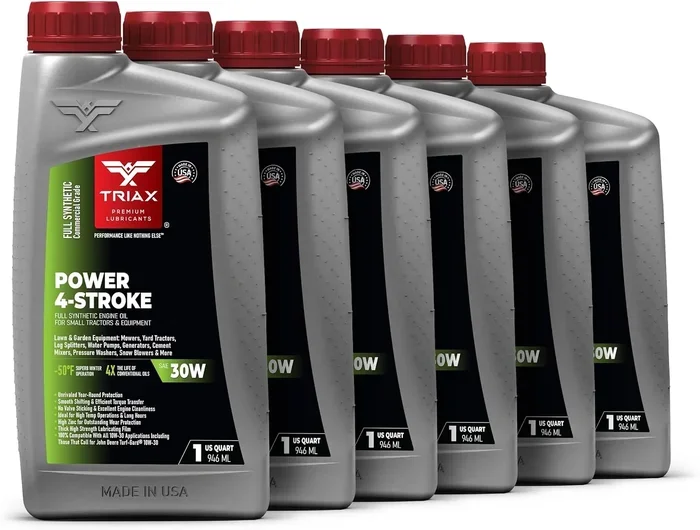
Conventional oil is the most basic and affordable option. It works well for older vehicles or engines with simpler designs. If your car has a standard 4 cylinder engine and you drive under normal conditions, conventional oil may be perfectly suitable. It typically needs to be changed every 3,000 to 5,000 miles.
Synthetic Oil
Synthetic oil offers superior protection and performance. It flows better in cold temperatures and handles high heat more effectively. Many modern 4 cylinder engines are designed to run on synthetic oil. If you drive in extreme temperatures or put high mileage on your vehicle, synthetic oil is a smart choice. It typically lasts longer, with change intervals of 7,500 to 10,000 miles.
High-Mileage Oil
If your vehicle has over 75,000 miles, high-mileage oil is worth considering. This type contains special additives that help reduce oil consumption, minimize leaks, and protect older engine components. For aging 4 cylinder engines, high-mileage oil can extend the life of your engine significantly.
Oil Viscosity Explained
Oil viscosity refers to how thick or thin the oil is at different temperatures. You will see ratings like 5W-30 or 0W-20 on oil bottles. The first number (the W rating) indicates performance in cold temperatures. The second number shows thickness at operating temperature. Always use the viscosity recommended by your vehicle manufacturer. Using the wrong viscosity can affect lubrication and engine efficiency.
How to Check Your Oil Level
Checking your oil level is one of the simplest and most important maintenance tasks. It takes less than five minutes and can prevent serious engine damage. Here is how to do it the right way.
Step-by-Step Oil Check Process
- Park on a level surface: Make sure your car is parked flat. This ensures an accurate reading on the dipstick.
- Turn off the engine: Wait a few minutes after turning off the engine. This allows the oil to settle back into the oil pan.
- Locate the dipstick: Open the hood and find the dipstick handle. It is usually labeled and has a bright-colored grip.
- Pull out the dipstick: Wipe it clean with a paper towel or rag. Then reinsert it fully and pull it out again.
- Check the level: Look at the markings on the dipstick. The oil should fall between the minimum and maximum marks. If it is below the minimum, you need to add oil.
- Check the oil color: Healthy oil should be amber or brown. Black oil indicates it is time for a change. Milky or frothy oil may signal a more serious problem.
Make this a habit. Checking your oil monthly takes almost no time but pays off enormously in engine longevity. For more details on oil-related maintenance, you can also explore how to change your Corolla’s oil yourself if you own a Toyota model.
Common Oil Capacity Mistakes to Avoid
Even experienced car owners make mistakes when it comes to oil. These errors can lead to expensive repairs or reduced engine performance. Here are the most common mistakes and how to avoid them.
Overfilling the Engine
Adding too much oil is a surprisingly common mistake. When oil levels exceed the maximum mark, the crankshaft can churn the excess oil into foam. This foam cannot lubricate properly and may cause increased engine wear. In severe cases, overfilled oil can damage the catalytic converter or cause oil leaks. Always add oil gradually and recheck the level with the dipstick.
Underfilling the Engine
Running low on oil is even more dangerous. Insufficient oil means parts are not getting proper lubrication. This leads to increased friction, overheating, and eventually engine failure. If your oil level drops frequently, have a mechanic inspect your vehicle for leaks or excessive oil consumption.
Using the Wrong Oil Type
Using the wrong oil type can void your warranty and harm your engine. Always use the oil weight and specification recommended in your owner’s manual. If you are unsure, ask a trusted mechanic or check the oil cap under your hood. Many vehicles have the recommended oil type stamped right on the oil fill cap.
Skipping Oil Filter Replacement
Every time you change your oil, you should also replace the oil filter. A clogged or old filter cannot properly clean the oil, leading to contaminants circulating through your engine. For more information on filter replacement schedules, check out our guide on whether you need a new filter with every oil change.
How to Change Oil in a 4 Cylinder Engine
Changing your own oil is one of the most rewarding DIY maintenance tasks. It saves money, teaches you about your vehicle, and ensures the job is done correctly. Here is a straightforward guide to help you through the process.
What You Will Need
- The correct type and amount of oil for your engine
- A new oil filter compatible with your vehicle
- An oil filter wrench
- A socket wrench and drain pan
- A jack and jack stands or ramps
- Rags and paper towels
- Disposable gloves
Step-by-Step Oil Change Process
- Warm up the engine: Run the engine for a few minutes. Warm oil flows more easily and drains better.
- Lift the vehicle: Use a jack and stands or drive onto ramps. Never work under a vehicle supported only by a jack.
- Locate the drain plug: Find the oil pan underneath the engine and locate the drain plug.
- Drain the old oil: Place the drain pan below the plug, then slowly loosen it. Let the oil drain completely.
- Remove the old filter: Use an oil filter wrench to unscrew the old filter. Be careful as it may still contain oil.
- Install the new filter: Apply a thin layer of new oil to the rubber gasket of the new filter. Screw it on by hand until snug, then tighten slightly.
- Replace the drain plug: Once all oil has drained, reinstall the drain plug and tighten it to the manufacturer’s specification.
- Add new oil: Pour in the correct amount of new oil. Use a funnel to avoid spills.
- Check the level: Wait a few minutes, then check the oil level with the dipstick. Add more oil if needed.
- Dispose of old oil properly: Take the old oil and filter to a recycling center. Never pour oil down the drain.
If you want a more detailed walkthrough for a specific model, our article on changing your Corolla’s oil yourself provides model-specific guidance that can be very helpful.
How Often Should You Change the Oil in a 4 Cylinder Engine?
Oil change frequency depends on several factors, including the type of oil you use, your driving conditions, and your vehicle’s age. Here are some general guidelines to follow.
Conventional Oil Change Intervals
If you use conventional oil, plan to change it every 3,000 to 5,000 miles. This is the traditional standard and still applies to many older vehicles. If you drive in stop-and-go traffic or extreme heat, you may need to change it more frequently.
Synthetic Oil Change Intervals
Synthetic oil lasts significantly longer. Most manufacturers recommend changing synthetic oil every 7,500 to 10,000 miles. Some modern vehicles even have oil life monitoring systems that alert you when it is time for a change. These systems take into account your driving habits and conditions.
Driving Conditions That Shorten Oil Life
Certain driving conditions can shorten the life of your oil faster than normal. These include:
- Frequent short trips under 5 miles
- Driving in extreme heat or cold
- Towing heavy loads
- Stop-and-go city driving
- Dusty or off-road conditions
If you regularly experience any of these conditions, consider shortening your oil change interval. It is better to change oil too often than too late.
Expert Tips for Maintaining Your 4 Cylinder Engine
Beyond oil changes, there are several habits that keep your 4 cylinder engine running strong for years to come.
Monitor Your Oil Consumption
Some engines naturally consume small amounts of oil between changes. This is normal for many vehicles. However, if you notice you are adding oil frequently, it could indicate a problem. Excessive oil consumption can signal worn piston rings, valve seal leaks, or other internal issues. Have a mechanic investigate if you are topping off oil more often than expected.
Keep Records of Your Maintenance
Maintaining a log of your oil changes, filter replacements, and other maintenance tasks helps you stay on track. It also provides valuable documentation if you ever sell the vehicle or need to make a warranty claim.
Watch for Warning Signs
Your engine will often give you warning signs when something is wrong. Pay attention to dashboard warning lights, unusual engine noises, decreased fuel efficiency, or smoke from the exhaust. These can all indicate oil-related problems that need immediate attention.
Where You Get Your Oil Changed Matters
If you prefer professional service, where you go matters. Not all service centers use the same quality of oil or follow the same procedures. For more on this topic, check out our article on whether it matters where you get your oil changed. A reputable service center will use quality oil, follow manufacturer specifications, and provide proper documentation of the service.
Key Takeaways
Understanding your 4 cylinder engine oil capacity is one of the simplest yet most impactful things you can do for your vehicle. Here is a quick recap of the most important points:
- Most 4 cylinder engines need between 4 and 5 quarts of oil, but always verify with your owner’s manual.
- The right oil type and viscosity are just as important as the correct volume.
- Regular oil level checks and timely oil changes prevent costly engine repairs.
- Avoid overfilling and underfilling by following the dipstick readings carefully.
- Replacing your oil filter with every oil change keeps your engine clean and efficient.
- DIY oil changes are manageable and save money when done correctly.
Taking care of your engine starts with the basics. Knowing how much oil your engine holds, using the right type, and staying consistent with your maintenance schedule are the foundations of long engine life. Whether you handle oil changes yourself or visit a professional, the knowledge you have gained here will serve you well. Your 4 cylinder engine works hard for you every day. Give it the care it deserves.
For more information on engine maintenance and related topics, explore our other articles on 4 cylinder engine cars and oil-related guides. Staying informed keeps you ahead of problems and saves money in the long run.
Frequently Asked Questions
Can I use 5W-30 instead of 5W-20 in a 4 cylinder engine?
It depends on your engine’s specifications. Some 4 cylinder engines can handle 5W-30, but many modern ones are designed for 5W-20 or 0W-20. Always check your owner’s manual or the oil fill cap for the recommended viscosity. Using the wrong viscosity can affect fuel economy and engine protection.
What happens if I overfill my 4 cylinder engine with oil?
Overfilling causes excess oil to foam and create pressure inside the engine. This can lead to oil leaks, damaged seals, and in severe cases, catalytic converter failure. If you accidentally overfill, drain the excess oil to the correct level as soon as possible.
How do I know if my 4 cylinder engine is low on oil?
The most reliable way is to check the dipstick. If the oil level falls below the minimum mark, your engine is low. Warning signs include a lit oil pressure warning light, unusual engine knocking sounds, or decreased engine performance. Never ignore these signs.
Can I change the oil in my 4 cylinder engine myself?
Absolutely. Changing oil in a 4 cylinder engine is one of the most straightforward DIY maintenance tasks. You need basic tools, the right oil and filter, and about 30 to 45 minutes. Many car owners save hundreds of dollars per year by doing their own oil changes.
Does the oil filter need to be changed every time I change the oil?
Yes, always replace the oil filter with every oil change. The filter traps contaminants and debris. An old filter becomes saturated and cannot effectively clean the oil, which reduces engine protection and shortens the life of your new oil.
How long does a 4 cylinder engine typically last with proper oil maintenance?
With regular oil changes and proper maintenance, a 4 cylinder engine can last well over 200,000 miles. Some engines even reach 300,000 miles or more. Consistent oil maintenance is the single most important factor in engine longevity.
=== CONCLUSION ===
Knowing how many quarts of oil a 4 cylinder engine needs is essential knowledge for every car owner. The standard range of 4 to 5 quarts covers most engines, but your specific vehicle may differ. Always consult your owner’s manual, use the recommended oil type and viscosity, and never skip oil changes. Your engine is the heart of your vehicle. Proper oil maintenance keeps it beating strong for years to come. Start today by checking your oil level and scheduling your next oil change. Your engine will thank you.