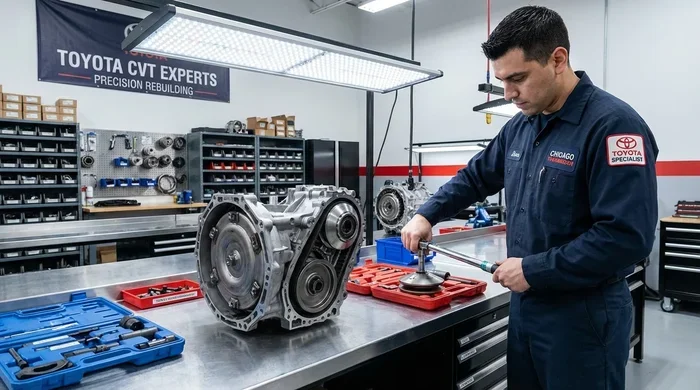
Does the 2017 Toyota Camry Have Transmission Problems
The 2017 Toyota Camry is generally a reliable car, but some owners have reported transmission issues like slipping, shuddering, and rough shifting. Most problems are linked to the CVT transmission or low transmission fluid. Regular transmission maintenance and early diagnosis can prevent costly repairs.
Let’s talk about something that worries a lot of Toyota Camry owners. You know your car is supposed to be reliable. You bought a 2017 Toyota Camry because it has a great reputation. But then you notice something weird. Maybe the transmission hesitates. Maybe it shudders when you accelerate. Now you’re wondering, “Does the 2017 Toyota Camry have transmission problems?”
You’re not alone. This is one of the most common questions Camry owners ask. And the answer is more nuanced than a simple yes or no. The truth is that while the 2017 Camry is a solid sedan overall, some owners have experienced drivetrain issues. These range from minor annoyances to more serious concerns that need immediate attention.
In this article, I’ll walk you through everything you need to know about 2017 Toyota Camry transmission issues. We’ll cover common symptoms, what causes them, how much repairs cost, and what you can do to prevent problems. Whether you already own a 2017 Camry or you’re thinking about buying one, this guide will help you make smart decisions.
Key Takeaways
- Some 2017 Camry models experience transmission slipping, shuddering, or rough shifting.
- CVT transmission issues are the most commonly reported problem among owners.
- Regular transmission fluid changes can prevent many common problems.
- Toyota offers a powertrain warranty that may cover transmission repairs.
- Early diagnosis is key to avoiding expensive transmission replacement costs.
- Most transmission problems are not safety-critical if addressed promptly.
- The 2017 Camry remains a solid sedan despite some drivetrain concerns.
📑 Table of Contents
- Understanding the 2017 Toyota Camry Transmission System
- Common 2017 Toyota Camry Transmission Problems
- What Causes These Transmission Problems?
- How to Diagnose Transmission Problems in Your 2017 Camry
- Transmission Repair Costs for the 2017 Toyota Camry
- Preventing Transmission Problems in Your 2017 Camry
- Is the 2017 Toyota Camry Still Worth Buying?
Understanding the 2017 Toyota Camry Transmission System
The 2017 Toyota Camry comes with different transmission options depending on the trim level. Understanding your specific setup helps you know what potential issues to watch for.
Transmission Options in the 2017 Camry
The base models of the 2017 Camry use a 6-speed automatic transmission. This is a traditional torque converter automatic that Toyota has refined over decades. Higher trims, especially the XSE and XLE V6 models, use an 8-speed automatic transmission. These are both conventional automatic designs.
However, the most common 2017 Camry in the United States uses a CVT transmission (Continuously Variable Transmission). This is a different type of system that uses a belt and pulley setup instead of fixed gears. CVTs are known for fuel efficiency, but they have their own set of common issues that owners should understand.
Here is a quick look at the transmission options:
- 4-cylinder base models: 6-speed automatic or CVT
- 4-cylinder SE/XSE trims: CVT transmission
- V6 models: 8-speed automatic
Knowing which transmission type your Camry has is the first step in understanding potential problems. CVT issues are far more common in the 2017 Camry than traditional automatic problems.
Common 2017 Toyota Camry Transmission Problems
Now let’s get into the heart of the matter. What specific transmission issues have owners reported with the 2017 Camry? Here are the most common ones.
Transmission Slipping
Transmission slipping is one of the most alarming symptoms. You might feel the car hesitate when you press the gas pedal. Or the RPMs might spike without a corresponding increase in speed. This happens when the transmission bands or clutch packs wear out. In CVT models, slipping can occur when the internal belt or pulley system loses proper tension.
If you notice your 2017 Camry slipping, don’t ignore it. Slipping often gets worse over time. What starts as a minor annoyance can become a serious transmission failure if left unchecked.
Transmission Shuddering or Vibration
Shuddering is a very common complaint among 2017 Camry CVT owners. You might feel a vibrating or trembling sensation, especially when accelerating from a stop or at highway speeds. This is sometimes called a “torque converter shudder” or “CVT shudder.”
The shudder often feels like driving over a rough road even when the road is smooth. It can be subtle at first and then become more pronounced. Many owners report that the transmission shuddering gets worse in cold weather or when the car has been sitting for a while.
Rough or Harsh Shifting
A healthy transmission should shift smoothly. If your 2017 Camry jerks or bucks during gear changes, that’s a sign of trouble. Rough shifting can come from low transmission fluid, worn internal components, or a failing transmission control module.
With CVT models, “shifting” doesn’t work the same way as a traditional automatic. Instead, you might feel a momentary lag or a sudden jerk as the CVT adjusts its pulley ratio. This is different from the harsh jerking that indicates a real problem.
Transmission Warning Light
Your dashboard is trying to tell you something. If the check engine light or a transmission warning light comes on, take it seriously. These lights often trigger when the transmission control module detects a fault. Common codes include P0700, P0746, and P0846, all of which relate to transmission pressure or solenoid issues.
If you see a warning light, check whether you can still safely drive your Camry with the light on. Sometimes the issue is minor, but other times it signals something that needs immediate attention.
Delayed Engagement
Delayed engagement means there’s a pause between shifting into drive and the car actually moving. You might wait a second or two before the car responds. This is often caused by low transmission fluid or worn clutch packs. In CVT models, delayed engagement can also point to a failing pump inside the transmission.
Some delay is normal in cold weather. But if the delay is more than a second or two consistently, it’s worth getting checked out.
What Causes These Transmission Problems?
Understanding the root causes helps you prevent problems before they start. Several factors contribute to 2017 Toyota Camry transmission issues.
Low or Contaminated Transmission Fluid
This is the number one cause of most transmission problems. Transmission fluid lubricates, cools, and provides hydraulic pressure for your transmission to work properly. Over time, fluid breaks down and becomes contaminated with metal particles and debris.
Low fluid levels cause increased friction and heat inside the transmission. This leads to premature wear on clutch packs, bands, and internal seals. Many owners simply don’t realize their fluid needs changing until problems appear.
CVT Design Limitations
CVT transmissions are clever, but they have inherent limitations. The belt-and-pulley system relies on precise tolerances and proper fluid pressure. When these systems fail, the results can be noticeable shuddering, slipping, and even complete failure. Toyota has improved their CVT designs over the years, but the 2017 model still has some known vulnerabilities.
Some experts believe that Toyota CVT issues are partly due to the way the system handles high torque loads. The CVT in the 2017 Camry works hard, especially in hot climates or during heavy towing.
Lack of Regular Maintenance
Many transmission problems come down to neglected maintenance. Toyota recommends changing transmission fluid at specific intervals. Some owners skip this service or go way past the recommended mileage. The result is degraded fluid that can’t properly protect internal components.
Regular transmission maintenance is one of the best ways to avoid expensive repairs. It’s much cheaper to change fluid than to replace a transmission.
Software and Electrical Issues
Sometimes the problem isn’t mechanical at all. The transmission control module relies on software and sensors to operate properly. A faulty sensor, a software glitch, or a wiring issue can all cause symptoms that mimic real transmission problems.
Before assuming the worst, have a mechanic check for electrical and software issues. A simple update or sensor replacement might solve the problem entirely.
How to Diagnose Transmission Problems in Your 2017 Camry
If you suspect your 2017 Camry has transmission issues, here’s how to get a proper diagnosis.
Step 1: Check the Transmission Fluid
Start with the basics. Pull out the transmission dipstick and check the fluid level and condition. Healthy fluid is reddish-brown and translucent. Dark, burnt-smelling fluid is a red flag. Low fluid level often points to a leak somewhere in the system.
Step 2: Scan for Error Codes
Take your Camry to a mechanic or use an OBD-II scanner yourself. Error codes will tell you exactly what the transmission control module is detecting. Common codes related to 2017 Camry transmission problems include pressure sensor faults, solenoid failures, and shift timing issues.
Step 3: Road Test
A skilled mechanic will take your car for a test drive to feel for the symptoms you described. They’ll check for slipping, shuddering, rough shifting, and delayed engagement under different driving conditions.
Step 4: Internal Inspection
For serious suspected problems, the transmission may need to be removed and inspected internally. This is more invasive but sometimes necessary to identify worn clutch packs, damaged bearings, or a failing pump.
Remember, early transmission diagnosis saves money. The sooner you catch a problem, the less expensive the repair will be.
Transmission Repair Costs for the 2017 Toyota Camry
Nobody wants to hear how much transmission repairs cost. But it’s important information if you own a 2017 Camry. Here’s a realistic breakdown of what you might expect.
| Repair Type | Estimated Cost Range |
|---|---|
| Transmission fluid change | $150 – $300 |
| Transmission fluid flush | $250 – $500 |
| Transmission solenoid replacement | $300 – $800 |
| Transmission sensor replacement | $200 – $600 |
| Torque converter replacement | $1,000 – $2,500 |
| CVT transmission rebuild | $3,500 – $7,000 |
| Transmission replacement (used) | $2,500 – $5,000 |
As you can see, costs vary wildly depending on the problem. A simple transmission fluid change is inexpensive and can prevent many issues. But a full CVT rebuild or replacement can be a major financial hit.
The good news is that if your 2017 Camry is still under warranty, Toyota may cover the cost. The powertrain warranty on the 2017 Camry covers transmission defects for up to 60,000 miles or 5 years (whichever comes first). Some owners have reported that Toyota extended coverage for specific transmission recalls or known issues.
Check whether your specific vehicle qualifies for any transmission warranty coverage before paying out of pocket. You might be surprised at what’s covered.
Preventing Transmission Problems in Your 2017 Camry
Prevention is always better than cure. Here are practical steps to keep your 2017 Toyota Camry transmission healthy for years to come.
Follow the Maintenance Schedule
Toyota provides a detailed maintenance schedule for the 2017 Camry. Stick to it. Change your transmission fluid at the recommended intervals, typically every 30,000 to 60,000 miles. Use the exact fluid type specified in your owner’s manual. Using the wrong fluid can cause serious damage.
Don’t Ignore Warning Signs
If you notice anything unusual, get it checked. Hesitation, shuddering, strange noises, or warning lights are all signals that something needs attention. Ignoring these signs almost always makes the problem worse and the repair more expensive.
Drive Gently
Harsh driving habits stress your transmission. Avoid sudden acceleration, riding the brakes, and shifting from drive to reverse while the car is still moving. Smooth driving extends the life of your transmission components significantly.
Monitor Fluid Levels Regularly
Get in the habit of checking your transmission fluid level every few weeks. A sudden drop in fluid level usually means there’s a leak somewhere. Catching leaks early prevents low-fluid damage to internal parts.
Keep the Transmission Cool
Heat is the enemy of any transmission. If you live in a hot climate or frequently tow heavy loads, consider installing an auxiliary transmission cooler. Keeping fluid temperatures down reduces wear and extends the life of your drivetrain.
Is the 2017 Toyota Camry Still Worth Buying?
Despite some transmission concerns, the 2017 Toyota Camry remains a popular and reliable sedan. Millions of Camrys are on the road with no major drivetrain issues. The car offers excellent fuel economy, a comfortable ride, and strong resale value.
If you’re buying a used 2017 Camry, here’s my advice. Get a pre-purchase inspection from a trusted mechanic. Ask for the full maintenance history, especially regarding transmission fluid changes. Check for any open recalls or technical service bulletins related to the transmission.
You can also look up whether there are any Toyota Camry recalls that might apply to the specific vehicle you’re considering. Being informed before you buy puts you in a much better position.
For current owners, the key is staying proactive. Keep up with maintenance, listen to your car, and don’t ignore symptoms. The 2017 Camry is a great car that can serve you well for many years with proper care.
Remember, many of the transmission problems reported for the 2017 Camry are manageable when caught early. A fluid change or sensor replacement is a minor fix. Even a torque converter replacement, while costly, is far better than a complete transmission failure.
The 2017 Toyota Camry has its quirks, but it’s not a bad car by any stretch. Thousands of owners drive their Camrys every day without any transmission issues at all. Do your homework, stay on top of maintenance, and you’ll likely have a reliable companion on the road for a long time.
In the end, the question “Does the 2017 Toyota Camry have transmission problems?” has a qualified answer. Yes, some models experience issues. But those issues are well-documented, often covered by warranty, and largely preventable with proper care. The 2017 Camry is a strong choice in the midsize sedan segment, transmission quirks and all.
Frequently Asked Questions
What are the most common 2017 Toyota Camry transmission problems?
The most common issues include transmission slipping, shuddering or vibration, rough shifting, delayed engagement, and warning lights on the dashboard. CVT models tend to experience shuddering and slipping more often than the 6-speed or 8-speed automatic models.
How much does it cost to fix a 2017 Toyota Camry transmission?
Costs vary widely depending on the issue. A simple fluid change costs $150 to $300, while a CVT rebuild can range from $3,500 to $7,000. Always get a proper diagnosis first so you know exactly what repair is needed.
Is the 2017 Toyota Camry transmission under warranty?
Yes, the 2017 Camry comes with a powertrain warranty that covers transmission defects for up to 60,000 miles or 5 years. Check if your specific vehicle qualifies for any extended coverage or technical service bulletins.
Can you still drive a 2017 Camry if the transmission is acting up?
You might be able to drive short distances if the issue is minor. However, continuing to drive with a faulty transmission can cause more damage and lead to much more expensive repairs. If you notice slipping, shuddering, or warning lights, have the car inspected as soon as possible.
Does the 2017 Toyota Camry have a transmission recall?
Toyota has issued technical service bulletins and recalls for certain Camry model years related to transmission issues. Check with your local Toyota dealer using your VIN number to see if your specific vehicle has any open recalls. You can also check the NHTSA website for the latest recall information.
How often should I change the transmission fluid in a 2017 Toyota Camry?
Toyota recommends changing transmission fluid every 30,000 to 60,000 miles for the 2017 Camry. If you drive in severe conditions like heavy traffic, hot climates, or tow frequently, you should change it more often. Regular fluid changes are one of the best ways to prevent transmission problems.
=== CONCLUSION ===
The 2017 Toyota Camry is a well-regarded sedan with a solid reputation for reliability. But like any vehicle, it has its weak points, and the transmission is one area where some owners have experienced problems. From CVT shuddering to transmission slipping and rough shifting, these issues are real but manageable.
The most important takeaway is this: early detection and regular maintenance are your best defenses against serious transmission problems. Stay on top of fluid changes, listen to your car, and don’t ignore warning signs. If you do, your 2017 Camry will likely serve you reliably for many miles to come.
Whether you’re a current owner or a potential buyer, knowledge is power. Now you know what to look for, what to expect, and how to keep your 2017 Toyota Camry running smoothly. Drive safe, stay informed, and enjoy the ride.