How Long Do BMW Run Flat Tires Last Before Replacement
BMW run flat tires typically last between 40,000 and 60,000 miles, but factors like driving habits, road conditions, and maintenance play a big role. These specialized tires let you keep driving after a puncture, but they still need timely replacement. Regular inspections and proper tire care can help you get the most miles out of your set.
BMW run flat tires are a game changer for drivers who hate unexpected roadside stops. These specially designed tires let you keep driving even after a puncture or loss of air pressure. But like all tires, they don’t last forever. If you own a BMW, you probably wonder how long your run flat tires will go before you need to replace them.
The answer isn’t always straightforward. Several factors affect the lifespan of BMW run flat tires, from your driving style to the roads you travel on. In this guide, we’ll walk you through everything you need to know about run flat tire replacement, including how long they last, what shortens their life, and how to spot the warning signs before it’s too late.
Whether you drive a BMW 3 Series or an X5, understanding your tires is essential. Proper care saves money, improves safety, and keeps your car running smoothly. Let’s dive into the details.
Key Takeaways
- Lifespan Range: Most BMW run flat tires last 40,000 to 60,000 miles under normal driving conditions.
- Replacement Signs: Look for visible sidewall damage, low tread depth, and handling changes as warning signals.
- Maintenance Matters: Regular rotation, proper inflation, and alignment checks can extend tire life significantly.
- Safety First: Never ignore warning signs, as run flats lose structural integrity over time even with good tread.
- Cost Consideration: BMW run flat tires cost more than standard tires but offer added convenience and safety.
- Age Factor: Tires older than 6 years may need replacement regardless of tread depth.
📑 Table of Contents
- What Are BMW Run Flat Tires?
- How Long Do BMW Run Flat Tires Last?
- Signs Your BMW Run Flat Tires Need Replacement
- Tips to Extend the Life of Your Run Flat Tires
- Run Flat Tires vs. Standard Tires
- When Should You Replace All Four Tires at Once?
- BMW Run Flat Tire Maintenance Schedule
- Common Mistakes That Shorten Run Flat Tire Life
- Cost of Replacing BMW Run Flat Tires
- Final Thoughts
What Are BMW Run Flat Tires?
Run flat tires are built with reinforced sidewalls that support the vehicle even when air pressure drops. This means you can continue driving for a limited distance after a puncture. Most BMW models come equipped with these tires from the factory.
The main benefit is clear: you don’t need to pull over immediately for a flat. Instead, you can drive to a safe location or a service center. This added convenience is why BMW uses run flat tires as standard equipment on most of its vehicles.
How Run Flat Technology Works
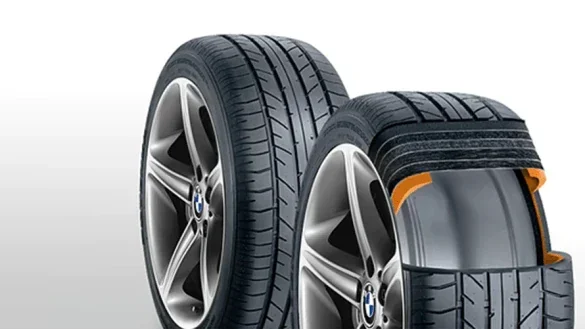
The secret lies in the tire’s structure. Run flat tires have thicker sidewalls and a unique rubber compound that supports the vehicle’s weight without air pressure. When you lose air, the reinforced sidewall keeps the tire from collapsing.
Most BMW run flat tires allow you to drive up to 50 miles at speeds under 50 mph after going flat. This gives you enough time to reach a repair shop safely. However, this doesn’t mean you should ignore a flat tire. Extended driving on a deflated run flat can cause irreversible damage.
How Long Do BMW Run Flat Tires Last?
The typical lifespan of BMW run flat tires falls between 40,000 and 60,000 miles. But this range isn’t set in stone. Your actual mileage depends on several key factors that we’ll explore below.
Average Mileage Expectations
Most BMW owners report getting around 50,000 miles from a set of run flat tires. This assumes normal driving conditions and regular maintenance. If you drive mostly on highways, you might hit the upper end of the range. City driving with lots of stops and starts tends to wear tires faster.
Here are some general mileage benchmarks for run flat tire replacement:
- Highway driving: 55,000 to 60,000 miles
- Mixed driving: 45,000 to 55,000 miles
- City driving: 40,000 to 50,000 miles
- Aggressive driving: 30,000 to 40,000 miles
Factors That Affect Tire Lifespan
Several things determine how long your BMW run flat tires will last. Understanding these factors helps you take control of your tire health.
Driving habits play a huge role. Hard braking, sharp cornering, and speeding all wear tires faster. Smooth, steady driving extends tire life significantly.
Road conditions matter too. Potholes, rough surfaces, and debris can damage tires prematurely. If you frequently drive on poorly maintained roads, expect more frequent replacements.
Weather and climate also impact durability. Extreme heat causes rubber to degrade faster. Cold temperatures can make tires lose air pressure, which leads to uneven wear. Seasonal changes call for extra attention to your tires.
Maintenance routines are perhaps the biggest controllable factor. Regular tire rotation, proper inflation, and alignment checks all contribute to longer tire life. Skipping these basics shortens the lifespan of your BMW run flat tires.
| Factor | Impact on Lifespan | What You Can Do |
|---|---|---|
| Driving Style | High | Drive smoothly and avoid hard braking |
| Road Conditions | Medium to High | Avoid potholes and rough roads when possible |
| Climate | Medium | Monitor pressure seasonally |
| Maintenance | Very High | Rotate tires every 5,000 to 7,500 miles |
| Tire Quality | Medium | Choose reputable brands and models |
Signs Your BMW Run Flat Tires Need Replacement
Knowing when to replace your tires is critical for safety. Run flat tires can be tricky because the reinforced sidewalls may look fine even when the tread is worn out. Here are the key signs that it’s time for run flat tire replacement.
Low Tread Depth
The most obvious sign of tire wear is low tread depth. The legal minimum in most states is 2/32 of an inch. But for BMW run flat tires, experts recommend replacing them at 4/32 of an inch for optimal performance.
Use the penny test to check your tread. Insert a penny into the tread groove with Lincoln’s head facing down. If you can see the top of his head, your tread is too low. This simple test takes seconds and can save you from a dangerous situation.
Visible Sidewall Damage
Run flat tires have reinforced sidewalls, but they aren’t indestructible. Bulges, cuts, or cracks on the sidewall are serious warning signs. Even small punctures in the sidewall often can’t be repaired safely.
If you notice any unusual bumps or grooves on the sidewall, get your tires inspected right away. Driving on a damaged run flat tire can lead to sudden failure, which is extremely dangerous at highway speeds.
Changes in Handling or Ride Quality
Your car tells you when something is wrong. If your BMW starts vibrating, pulling to one side, or feeling less stable, your tires might be the culprit. These changes often indicate uneven wear or internal tire damage.
Don’t ignore these symptoms. Poor handling increases stopping distances and reduces control, especially in wet conditions. If you notice any changes, inspect your tires or visit a service center promptly.
Age of the Tire
Even if your BMW run flat tires look good, age matters. Tires degrade over time due to exposure to UV rays, heat, and oxygen. Most manufacturers recommend replacing tires that are 6 years old or older, regardless of tread depth.
Check the DOT code on the sidewall to find the manufacture date. The last four digits tell you the week and year. For example, a code ending in 2521 means the tire was made in the 25th week of 2021.
Tips to Extend the Life of Your Run Flat Tires
You can take several steps to maximize the lifespan of your BMW run flat tires. These simple habits save money and keep you safer on the road.
Maintain Proper Tire Pressure
Underinflated tires wear out faster on the outer edges of the tread. Overinflated tires wear more in the center. Both scenarios reduce tire life and compromise safety.
Check your tire pressure at least once a month. BMW recommends specific pressure levels for each model, which you can find on the driver’s side door jamb. Keep a reliable tire gauge in your garage and make checking pressure part of your routine.
Rotate Your Tires Regularly
Tire rotation ensures even wear across all four tires. Most experts recommend rotating BMW run flat tires every 5,000 to 7,500 miles. This simple service can add thousands of miles to your tire life.
Many owners ask, do tires last longer when rotated? The answer is a definite yes. Regular rotation prevents premature wear on specific tires and gives you a more balanced driving experience.
Get Regular Wheel Alignments
Misaligned wheels cause your tires to scrub against the road unevenly. This leads to rapid, uneven wear that shortens tire life dramatically. Have your BMW’s alignment checked at least once a year or after hitting a major pothole.
Store Tires Properly
If you switch between seasonal tires, proper storage is essential. Keep tires in a cool, dry place away from direct sunlight. UV rays break down rubber compounds over time, causing cracks and dry rot.
Store tires vertically rather than stacked to prevent deformation. If you keep them on the vehicle, use tire covers to shield them from the elements.
Avoid Overloading Your Vehicle
BMW vehicles have specific load ratings. Exceeding these limits puts extra stress on your tires, causing them to wear faster and run hotter. Always check your owner’s manual for the recommended load capacity and stay within those limits.
Run Flat Tires vs. Standard Tires
Many BMW owners wonder if they should switch to standard tires instead of run flats. Both options have pros and cons, and the right choice depends on your driving needs and preferences.
Pros and Cons of Run Flat Tires
Run flat tires offer the convenience of driving after a puncture. They also eliminate the need for a spare tire, which saves weight and space in your trunk. However, they tend to cost more than standard tires and can feel stiffer on the road.
Replacement costs for BMW run flat tires are typically higher. Not all tire shops carry them, so you may need to visit a BMW dealer or specialty shop. On the positive side, the added safety and peace of mind are hard to put a price on.
Pros and Cons of Standard Tires
Standard tires are generally cheaper and more widely available. They often provide a more comfortable ride because the sidewalls are less rigid. However, you’ll need a spare tire or roadside assistance plan for flat tire emergencies.
If you frequently drive in areas with limited service options, run flat tires remain the better choice. But if budget is your main concern, standard tires might be the way to go.
Which Option Fits Your Lifestyle?
Think about your daily driving habits. Do you travel long distances on highways? Run flats give you confidence. Do you mostly drive in the city and have easy access to service centers? Standard tires could work well. Consider your priorities before making a switch.
Also, keep in mind that switching from run flats to standard tires on a BMW originally equipped with run flats requires careful consideration. The vehicle’s handling characteristics were tuned for run flat tires. Changing to standard tires may alter the driving experience.
When Should You Replace All Four Tires at Once?
Replacing all four BMW run flat tires at the same time is the best practice. Matching tires ensure balanced handling, consistent traction, and optimal performance.
Some owners wonder if they can replace just two tires. In certain situations, this is acceptable, but only if the remaining tires have similar tread depth and wear patterns. Mismatched tires can cause handling issues and put extra strain on your drivetrain.
For BMW vehicles with all-wheel drive, replacing all four tires is especially important. AWD systems rely on matching tire sizes and tread depths to function properly. Uneven tires can damage the transfer case and other drivetrain components over time.
Many owners also ask whether they need to change all 4 brake pads at once. The same logic applies to tires. Matching all four ensures predictable performance and extends the life of your vehicle’s components.
How to Know If Two Tires Are Enough
If your other tires still have plenty of tread and are relatively new, replacing only two might work. Place the new tires on the rear axle for better stability. This is the standard recommendation for most vehicles, including BMWs.
However, if your existing tires are worn or more than a few years old, replacing all four is the smarter choice. The cost difference is worth the added safety and performance.
BMW Run Flat Tire Maintenance Schedule
Following a regular maintenance schedule keeps your BMW run flat tires in top shape. Here’s a simple checklist to follow:
- Monthly: Check tire pressure, including the spare if you carry one
- Every 5,000 miles: Rotate tires and inspect for visible damage
- Every 10,000 miles: Check wheel alignment and balance
- Every 15,000 miles: Full tire inspection including tread depth measurement
- Every 6 years: Consider replacement regardless of tread condition
Consistency is the key to long-lasting tires. Skipping maintenance steps might not cause immediate problems, but it shortens the overall lifespan of your BMW run flat tires over time.
What to Expect During a Tire Inspection
During a professional tire inspection, technicians check tread depth, sidewall condition, pressure, and alignment. They also look for uneven wear patterns that could indicate underlying problems with your suspension or steering components.
Many BMW dealerships and service centers offer comprehensive tire inspections as part of routine maintenance. You can also do dealerships offer car inspections that include a full tire assessment. These inspections are worth every penny because they catch problems early before they become expensive repairs.
Common Mistakes That Shorten Run Flat Tire Life
Avoiding these common mistakes can significantly extend the life of your BMW run flat tires.
Ignoring the TPMS light. The Tire Pressure Monitoring System alerts you when pressure drops. Ignoring this warning leads to uneven wear and potential tire damage. Always address TPMS warnings immediately.
Driving on a flat for too long. Even though run flats allow limited driving after a puncture, extended driving causes permanent damage. Get to a service center as soon as possible after losing air pressure.
Skipping rotations. Skipping tire rotations leads to uneven wear. Front tires on BMWs tend to wear faster because of steering and braking forces. Regular rotation prevents this imbalance.
Using the wrong tire cleaner. Harsh chemical cleaners can deteriorate rubber compounds over time. Use only tire products recommended by BMW or your tire manufacturer.
Neglecting alignment. A misaligned wheel drags the tire sideways, causing rapid and uneven wear. Get your alignment checked whenever you notice pulling or uneven tread wear.
Cost of Replacing BMW Run Flat Tires
The cost of replacing BMW run flat tires varies depending on the model and tire size. On average, expect to pay between $200 and $350 per tire for quality run flat options. Installation, balancing, and alignment add to the total cost.
A full set of four tires plus installation typically runs between $900 and $1,500. While this is more expensive than standard tires, the added safety and convenience of run flats justify the investment for most BMW owners.
Some tire manufacturers offer road hazard protection plans. These plans cover repairs and replacements due to road damage like potholes and nails. Check with your tire retailer about available warranties before purchasing.
Final Thoughts
BMW run flat tires offer an unmatched combination of safety and convenience. Understanding how long they last and how to care for them helps you get the most value from your investment. With proper maintenance and attention to warning signs, most owners can expect 40,000 to 60,000 miles of reliable service from their run flat tires.
Stay proactive about tire care. Check pressure regularly, rotate on schedule, and never ignore warning signs. Your tires are the only part of your BMW that touches the road, so treating them well pays off in safety, performance, and peace of mind.
Replace your tires when the time comes and don’t cut corners on quality. Premium BMW run flat tires are worth every penny for the protection and confidence they provide on every drive.
Frequently Asked Questions
Can you repair a BMW run flat tire after a puncture?
In most cases, run flat tires cannot be safely repaired after a puncture. The reinforced sidewalls may have sustained internal damage even if the puncture appears small. Most manufacturers and tire professionals recommend full replacement rather than repair.
How much does it cost to replace all four BMW run flat tires?
Expect to pay between $900 and $1,500 for a full set of four BMW run flat tires including installation, balancing, and alignment. The exact cost depends on your BMW model and the tire brand you choose.
Do BMW run flat tires need special maintenance?
Run flat tires don’t require special maintenance beyond standard tire care. Regular pressure checks, rotations, and alignment inspections are all you need. The key difference is that you should replace them sooner if you notice sidewall damage or handling changes.
Can I put regular tires on my BMW instead of run flats?
Yes, you can switch to standard tires, but it’s not always recommended. BMW vehicles are engineered with run flat tires in mind. Switching to standard tires may affect handling and requires carrying a spare tire or relying on roadside assistance.
How do I know the age of my BMW run flat tires?
Look for the DOT code on the tire sidewall. The last four digits represent the manufacture week and year. For example, a code ending in 1523 means the tire was made in the 15th week of 2023. Tires older than 6 years should be evaluated for replacement.
What happens if I drive too far on a flat run flat tire?
Driving too far on a deflated run flat tire causes irreversible damage to the sidewall and internal structure. The reinforced sidewall can overheat and fail, leading to a sudden loss of control. Always get to a safe location within the recommended 50-mile limit after a puncture.