How Long Does a Kia Tire Mobility Kit Last Exactly
A Kia Tire Mobility Kit typically lasts between 4 to 10 years if stored properly, but once you use the sealant, you have a limited window to drive safely. Most experts recommend replacing the kit every 4 to 6 years or after any activation. Understanding how long your kit lasts can save you from a roadside emergency when a flat tire strikes.
This is a comprehensive guide about How Long Does a Kia Tire Mobility Kit Last?.
Key Takeaways
- Shelf Life: A sealed Kia Tire Mobility Kit can last 4 to 10 years when stored in the right conditions.
- After Use: Once activated, you typically have about 50 to 100 miles of safe driving before you need a proper repair.
- Storage Matters: Extreme heat and cold can shorten the kit’s lifespan significantly.
- Check Expiration Dates: Always inspect your kit for expiration or degradation signs at least once a year.
- Not a Permanent Fix: The mobility kit is a temporary solution designed to get you to a repair shop safely.
- Replacement Cost: Replacing a used or expired kit is inexpensive compared to the cost of a roadside breakdown.
[FEATURED_IMAGE_PLACEHOLDER]
What Is a Kia Tire Mobility Kit?
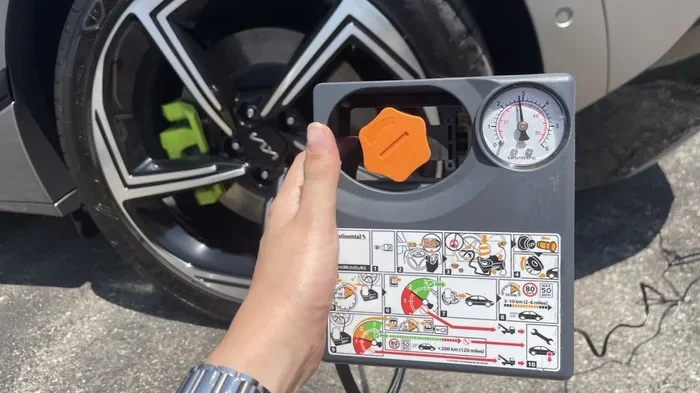
A Kia Tire Mobility Kit is a compact emergency package designed to help you handle a flat tire on the road. It usually contains a tire sealant and a small compressor. The sealant plugs small punctures, and the compressor reinflates the tire. This lets you keep driving safely until you reach a proper repair shop.
Most newer Kia vehicles come with a mobility kit instead of a traditional spare tire. Car manufacturers made this switch to save trunk space and reduce vehicle weight. The kit is lightweight and easy to store. It takes up much less room than a full-size spare or even a compact donut spare.
The mobility kit is not meant to replace a real tire repair. Think of it as a temporary fix. It gets you out of a dangerous spot and to a service center. Knowing how long a Kia Tire Mobility Kit lasts helps you stay prepared and avoid surprises.
How Long Does a Kia Tire Mobility Kit Last?
Shelf Life of a Sealed Kit
A brand-new, unopened Kia Tire Mobility Kit can last anywhere from 4 to 10 years. The exact lifespan depends on storage conditions and the specific product formula. Most manufacturers print an expiration date on the packaging. If there is no expiration date, plan to replace the kit every 4 to 6 years as a safe rule.
The sealant inside the kit is a chemical compound. Over time, chemicals can break down. Heat accelerates this process. Cold temperatures can also affect the consistency of the sealant. This is why where you store your kit matters a lot.
How Long Does the Sealant Last After Use?
Once you activate the Kia Tire Mobility Kit, the clock starts ticking differently. The sealant inside the canister is designed to seal small punctures temporarily. After you use it, you should drive no more than 50 to 100 miles. Most experts recommend driving at speeds under 50 mph during this time.
The sealant hardens inside the punctured tire. It plugs the hole and holds air temporarily. But it is not a permanent repair. You still need to visit a tire shop for a proper fix or replacement. Driving too far on a sealed tire can cause further damage to the tire and even the wheel.
Factors That Affect Kit Longevity
Several factors determine how long your Kia Tire Mobility Kit lasts:
- Storage Temperature: Kits stored in garages with extreme temperature swings degrade faster. A climate-controlled space is ideal.
- Seal Quality: If the canister seal is broken or leaking, the contents dry out quickly.
- Frequency of Inspection: Kits that are checked regularly last longer because you catch problems early.
- Brand and Formula: Different Kia models may include different brands of mobility kits. Some formulas last longer than others.
- Humidity Levels: Moisture can affect the chemical composition of the sealant over time.
What Is Inside the Kia Tire Mobility Kit?
The Tire Sealant Canister
The main component of any Kia Tire Mobility Kit is the sealant canister. This small can holds a sticky, gooey liquid. When injected into a flat tire, the sealant coats the inside of the tire. It finds the puncture and plugs it with a fibrous material. The sealant also contains a lubricant that helps it spread evenly inside the tire.
Most sealant canisters hold about 3 to 5 ounces of liquid. This is enough to seal a puncture up to about a quarter inch in diameter. Larger punctures or sidewall damage cannot be fixed by the sealant. In those cases, you need roadside assistance or a tow.
The Portable Compressor
The second key component is a 12-volt portable compressor. This plugs into your Kia’s cigarette lighter or USB power port. The compressor inflates the tire after the sealant is added. Most Kia compressors can reach about 35 to 45 PSI in a few minutes.
The compressor is small and lightweight. It is designed for emergency use, not for regular tire inflation. If you find yourself using the compressor often, it might be time to check your tire pressure regularly and consider a separate portable compressor for routine use.
Additional Components
Some Kia mobility kits include a small gauge to check tire pressure. Others include gloves and a simple instruction card. The exact contents vary by model year and trim level. Always check your owner’s manual to confirm what is included in your specific kit.
How to Use the Kia Tire Mobility Kit
Using the Kia Tire Mobility Kit is straightforward. Follow these steps carefully to get the best results:
- Pull over safely: Find a flat, stable surface away from traffic. Turn on your hazard lights.
- Check the puncture: Look for the object causing the flat. If it is a nail or screw in the tread area, the mobility kit can likely help.
- Remove the valve stem cap: Take off the small cap on the tire valve.
- Attach the sealant canister: Connect the sealant canister to the valve stem. Press the button to release the sealant into the tire.
- Drive slowly: Drive at low speed for a few minutes. This helps the sealant spread inside the tire.
- Use the compressor: Plug the compressor into your car’s power port. Inflate the tire to the recommended PSI level.
- Check for leaks: Listen for any hissing sound. Make sure the tire holds air.
- Get to a repair shop: Drive to a tire shop as soon as possible. Do not rely on the sealant as a permanent fix.
Quick Tips for First-Time Users
- Practice opening your kit before you need it. Familiarity saves time in an emergency.
- Keep gloves in your trunk. The sealant can be messy and difficult to wash off.
- Never use the mobility kit on a completely flat tire with a sidewall puncture. The kit is only for tread-area punctures.
- If the tire has multiple punctures, the sealant may not be enough. Seek professional help instead.
When Should You Replace Your Tire Mobility Kit?
Signs Your Kit Needs Replacement
Not sure if your kit is still good? Look for these warning signs:
- Expiration Date Passed: Check the canister and compressor for any printed dates. If the date has passed, replace the kit.
- Discolored Sealant: If the sealant looks separated, clumpy, or discolored, it has likely degraded.
- Dented or Damaged Canister: A damaged canister may not spray properly when you need it most.
- Compressor Does Not Power On: If the compressor fails to start, the kit is incomplete.
- Used or Partially Empty: If someone previously used the kit and did not replace it, you need a new one.
Recommended Replacement Schedule
Most Kia dealerships and tire experts recommend replacing your Tire Mobility Kit every 4 to 6 years. Even if the kit looks fine, the chemical sealant loses effectiveness over time. Think of it like a fire extinguisher. You check it regularly and replace it when needed.
If you live in a climate with extreme heat or cold, consider replacing the kit every 3 years. Harsh conditions break down the sealant faster. A simple annual check during your oil change or tire rotation is a great habit to build.
Tire Mobility Kit vs Spare Tire
Many Kia owners wonder whether the mobility kit is better than a spare tire. Both have pros and cons. Here is a quick comparison:
| Feature | Kia Tire Mobility Kit | Traditional Spare Tire |
|---|---|---|
| Weight | Lightweight (about 10-15 lbs) | Heavier (25-50 lbs depending on size) |
| Trunk Space | Very compact | Takes up significant space |
| Temporary Fix Distance | 50-100 miles | Full tire replacement (unlimited) |
| Permanent Repair | No | No (but lets you drive to a shop) |
| Cost of Replacement | $30-$80 | $50-$200 for the tire alone |
| Use on Sidewall Damage | No | Yes |
| Ease of Use | Easy, no tools needed | Requires jack and lug wrench |
The mobility kit wins on convenience and weight. It is perfect for city driving and short commutes. A spare tire is better for long road trips or rural driving where help might be far away. Some drivers choose to keep both for maximum preparedness. This is a smart approach, especially if you frequently drive long distances.
One thing to keep in mind: if you use the mobility kit and do not replace it, you lose your roadside safety net. Always restock the kit after use. Think of it the same way you would restock a first aid kit after using it. Being prepared is the best defense against unexpected breakdowns. Just like you would check whether AAA can assist with specific vehicle types before a trip, knowing your kit’s limits prevents panic on the road.
Common Mistakes to Avoid With Your Kia Tire Mobility Kit
Avoid these common mistakes to get the most out of your kit:
- Ignoring the expiration date: Many people forget about the kit until they need it. By then, it may be too late.
- Using the kit on large punctures: The sealant only works on small holes in the tread. A large gash or sidewall damage requires a different solution.
- Driving too far after use: The sealant is a temporary fix. Driving long distances on a sealed tire can ruin the tire and the wheel.
- Storing the kit in extreme temperatures: Leaving it in a hot trunk in summer or a freezing garage in winter shortens its life.
- Never checking the compressor: A dead compressor means the kit is useless. Test it once a year to make sure it works.
Expert Insights on Kia Tire Mobility Kit Lifespan
Automotive experts agree that the Kia Tire Mobility Kit is a valuable tool when used correctly. Tire professionals emphasize that the kit is a stopgap measure, not a permanent solution. The sealant can buy you time and get you to safety, but it should never replace proper tire repair.
Many tire shops offer free inspections of mobility kits. They can check the sealant condition and compressor function. Some dealerships even replace expired kits as part of routine maintenance. If you are unsure about your kit’s condition, a quick check at your local tire shop costs nothing and gives you peace of mind.
Keep in mind that some Kia models have specific kit requirements. Always use the kit designed for your vehicle. Mixing components from different kits can cause compatibility issues and reduce effectiveness. When in doubt, consult your owner’s manual or contact your local Kia dealer.
Final Thoughts
So how long does a Kia Tire Mobility Kit last? The answer depends on how well you store it and how often you inspect it. A sealed kit can last 4 to 10 years, while the sealant after use gives you about 50 to 100 miles of safe driving. The key is to stay proactive. Check your kit regularly, replace it on schedule, and never rely on it as a permanent tire repair.
A flat tire can happen to anyone. Having a working Kia Tire Mobility Kit in your trunk gives you confidence and safety on the road. It is a small investment that pays off in big ways when you need it most. Keep your kit fresh, keep your tires maintained, and drive with peace of mind knowing you are prepared for whatever the road throws your way.
Frequently Asked Questions
Can You Use a Kia Tire Mobility Kit More Than Once?
No, the Kia Tire Mobility Kit is designed for single use. Once the sealant canister is activated, it cannot be reused. After using the kit, you must replace it with a new one. Always keep a spare kit in your trunk if you frequently travel.
How Fast Should You Drive After Using the Mobility Kit?
You should drive at speeds under 50 mph after using the mobility kit. Keep your distance from other vehicles and avoid highway driving if possible. The sealant provides a temporary plug, and higher speeds or longer distances can cause the repair to fail.
Does the Kia Tire Mobility Kit Work on All Types of Punctures?
The kit works best on small punctures in the tire tread area, typically up to a quarter inch. It cannot repair sidewall damage, large gashes, or punctures near the shoulder of the tire. If the damage is outside the tread area, you need a professional repair or a new tire.
Where Should You Store Your Kia Tire Mobility Kit?
Store the kit in your vehicle’s trunk or underfloor storage compartment. Avoid leaving it in direct sunlight or in areas with extreme temperature swings. A cool, dry place between 40 and 80 degrees Fahrenheit is ideal for maximizing the kit’s shelf life.
How Much Does It Cost to Replace a Kia Tire Mobility Kit?
A replacement Kia Tire Mobility Kit typically costs between $30 and $80. You can purchase one from your Kia dealer, auto parts store, or online retailers. The cost is minimal compared to the expense and inconvenience of a roadside tire emergency.
Is the Kia Tire Mobility Kit Covered Under Warranty?
Most Kia warranties do not specifically cover the tire mobility kit as a wear item. However, if the kit is defective or fails prematurely, you may be covered under your vehicle’s bumper-to-bumper warranty. Check with your Kia dealer for specific warranty details related to your model and year.