How Havals AWD System Works on Rough and Smooth Roads
Havals AWD system smartly splits power between the front and rear wheels to boost traction and control. Whether you are tackling rough terrain or cruising on smooth highways, the system adjusts in real time. This guide breaks down exactly how Havals AWD system works, what makes it special, and how to keep it running strong.
Driving a Haval SUV or crossover means you get access to a smart all-wheel drive setup that adapts to the road in front of you. The Haval AWD system is not just a fancy badge on the tailgate. It is a carefully engineered drivetrain that shifts power between the front and rear wheels when you need it most. Whether you are bouncing down a dirt trail or gliding along a highway, the system works behind the scenes to keep you safe and in control.
In this article, we will walk through exactly how Havals AWD system works on both rough and smooth roads. You will learn about the key components, the technology that powers it, and simple tips to keep it running at its best. No jargon, no fluff. Just clear, practical info that every Haval owner or buyer should know.
Key Takeaways
- Real-Time Torque Split: Havals AWD system automatically distributes power to the wheels that need it most.
- Rough Road Mastery: The system excels at maintaining traction on uneven, slippery, or off-road surfaces.
- Smooth Ride Comfort: On highways and paved roads, the AWD system prioritizes fuel efficiency and stability.
- Smart Electronics: Sensors and electronic control units work together to monitor road conditions constantly.
- Regular Maintenance Matters: Keeping your AWD system serviced ensures long-lasting performance and reliability.
- Haval Models Offer Versatility: From the Haval H6 to the Haval Jolion, AWD enhances every driving experience.
📑 Table of Contents
What Is Havals AWD System?
All-wheel drive means power goes to all four wheels at the same time. But not all AWD systems are the same. Havals AWD system uses an intelligent design that watches road conditions and adjusts power delivery on the fly. This is different from older AWD setups that send a fixed amount of power to each axle.
The system relies on sensors, electronic control units, and a transfer case to manage torque. Torque is just the spinning force that turns your wheels. When one set of wheels starts to slip, the system redirects torque to the wheels with better grip. This happens in milliseconds. You barely notice it, but your car stays stable and pointed in the right direction.
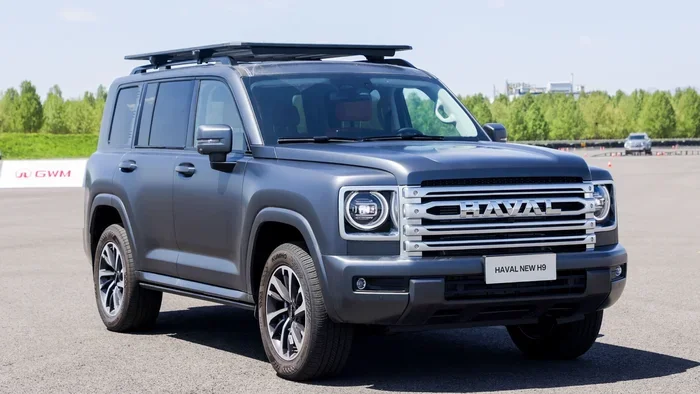
Haval offers AWD across several models, including the Haval H6, Haval Jolion, and Haval Big Dog. Each model may tweak the system slightly, but the core technology remains the same. The goal is simple. Give the driver confidence no matter what the road throws at you.
How the AWD Drivetrain Works
Understanding the drivetrain helps you appreciate what happens under the hood. The Haval AWD system connects the engine to all four wheels through a series of components that work together seamlessly.
The Transfer Case
The transfer case is the brain of the AWD system. It sits between the front and rear axles and splits engine power between them. In Haval vehicles, the transfer case is electronically controlled. This means a computer decides how much power goes forward and how much goes backward. The transfer case can shift that ratio based on traction, speed, and road conditions.
Front and Rear Differentials
Differentials let the wheels on each axle spin at different speeds. This is essential when you turn a corner. The outside wheel travels a longer path than the inside wheel. Without a differential, your tires would scrub and wear out fast. Havals AWD system uses open differentials that allow smooth cornering while still sending power to both wheels on each axle.
Electronic Torque Vectoring
Many Haval models come with electronic torque vectoring. This is a fancy way of saying the system can send more power to one wheel than another. If the front left wheel starts to slip on a wet road, the system sends extra torque to the front right wheel. This helps you stay on course without any input from the driver. It is one of the reasons Havals AWD system feels so confident on tricky roads.
How Havals AWD System Handles Rough Roads
Rough roads are where AWD really shines. Gravel, mud, snow, and uneven pavement all challenge a vehicles grip. Havals AWD system is built to handle these conditions with ease.
Traction Control on Uneven Terrain
When you drive on a loose gravel road, some wheels will always have less grip than others. The Haval AWD system uses wheel speed sensors to detect when a tire starts spinning faster than the others. The moment slippage is detected, the system reduces power to that wheel and sends more to the ones with traction. This keeps you moving forward instead of spinning your tires.
Off-Road Confidence
Haval designs many of its SUVs for light off-roading. The AWD system works hand in hand with ground clearance and sturdy suspension to tackle dirt trails and rocky paths. The system also works with electronic stability control to keep the vehicle from sliding sideways. Together, these features give you the confidence to explore roads that would stop a two-wheel-drive vehicle in its tracks.
Snow and Ice Performance
Snow and ice are tough on any vehicle. The Haval AWD system gives you a big advantage here. By sending power to all four wheels, the system dramatically reduces the chance of getting stuck. The electronic controls also anticipate wheel slip before it happens. This proactive approach means you feel safer and more in control during winter driving.
Quick Tip: If you drive in snowy areas, consider checking how long a full tank of gas lasts with AWD engaged. The extra weight and drag of the system can reduce fuel range slightly. Learn more about fuel range here.
How Havals AWD System Performs on Smooth Roads
You might think AWD is only for off-roading. That is not true. Havals AWD system also delivers real benefits on smooth, paved roads.
Highway Stability
At highway speeds, the AWD system helps keep your vehicle tracking straight. Wind gusts, road camber, and lane changes can all push a front-wheel-drive car slightly off course. The Haval AWD system counteracts these forces by sending power to the rear wheels. This adds a layer of stability that makes long drives more comfortable and less tiring.
Fuel Efficiency on Pavement
Modern Haval AWD systems are designed to be efficient. On smooth roads, the system can send most of the power to the front wheels. This reduces the load on the drivetrain and saves fuel. The rear wheels only get power when the system detects a need for extra traction. This smart power management helps Haval AWD vehicles compete with front-wheel-drive models in terms of fuel economy.
If you are curious about how fuel costs compare between AWD and hybrid models, check out this guide on hybrid payback timelines. It gives you a clear picture of whether AWD or a hybrid makes more sense for your budget.
Comfort and Ride Quality
On smooth roads, the Haval AWD system stays mostly quiet and unobtrusive. You do not feel it working unless conditions change. This means your ride stays smooth and comfortable. The system does not create extra vibration or noise on well-paved surfaces. It just sits there ready to help if you need it.
Key Components That Make Havals AWD Special
Several parts work together to make the Haval AWD system function so well. Here is a closer look at the most important ones.
| Component | Role | Why It Matters |
|---|---|---|
| Transfer Case | Splits power between front and rear axles | Enables real-time torque distribution |
| Wheel Speed Sensors | Monitors how fast each wheel spins | Detects slippage instantly |
| Electronic Control Unit | Processes sensor data and adjusts power | Makes smart decisions in milliseconds |
| Front and Rear Differentials | Allows wheels to spin at different speeds | Ensures smooth cornering and tire longevity |
| Torque Vectoring System | Sends extra power to specific wheels | Boosts traction and stability |
Each component plays a vital role. The transfer case and differentials handle the mechanical side. The sensors and control unit handle the electronic side. Together, they create an AWD system that feels intuitive and responsive.
Maintaining Your Havals AWD System
Like any part of your vehicle, the AWD system needs regular care. Proper maintenance keeps it working smoothly for years. Neglecting it can lead to costly repairs and poor performance.
Check the Transfer Case Fluid
The transfer case contains fluid that lubricates the gears inside. Over time, this fluid breaks down and loses its effectiveness. Most Haval manufacturers recommend changing the transfer case fluid every 30,000 to 60,000 miles. Check your owners manual for the exact schedule. Fresh fluid keeps the gears running cool and smooth.
Inspect the Differential Fluid
The front and rear differentials also need fluid changes. Old or contaminated differential fluid can cause grinding, noise, and premature wear. If you hear a humming or whining sound while turning, it could be a sign that your differential fluid needs attention.
Monitor Tire Condition and Alignment
Your AWD system depends heavily on your tires. Worn or mismatched tires can cause the system to work overtime. Uneven tire wear also signals alignment problems that can stress the drivetrain. Rotate your tires regularly and keep them properly inflated. This simple step goes a long way toward protecting your Havals AWD system.
For more detailed guidance on AWD upkeep, read our article on whether AWD needs service. It covers everything from fluid changes to warning signs you should never ignore.
Watch for Warning Signs
Your vehicle will tell you when something is wrong with the AWD system. Pay attention to these warning signs:
- Unusual noises from the drivetrain area
- Vibration felt through the steering wheel or floor
- The AWD warning light on your dashboard
- Reduced fuel economy without a clear cause
- Difficulty maintaining traction on normal roads
If you notice any of these signs, get your vehicle checked by a qualified mechanic. Early detection can save you from expensive repairs down the road.
Haval AWD vs Other AWD Systems
Not all AWD systems are created equal. Havals AWD system holds its own against competitors from Toyota, Honda, Ford, and other brands. Here is how it compares.
Haval vs Traditional AWD
Traditional AWD systems often use a fixed power split, usually 50/50 between front and rear. This works well but wastes fuel on smooth roads because power is always going to all four wheels. Havals AWD system is smarter. It sends power where it is needed and saves fuel when it is not. This makes it more efficient than many traditional setups.
Haval vs Full-Time AWD
Full-time AWD systems, like those found in some Subaru models, constantly send power to all four wheels. Havals system is more on-demand. It primarily runs in two-wheel drive mode and engages the other axle only when traction drops. This approach gives you the best of both worlds. You get the safety and control of AWD without sacrificing fuel economy.
Haval vs Part-Time AWD
Part-time AWD systems, common in truck-based SUVs, require manual engagement. You have to switch them on when you hit rough terrain. Havals AWD system is fully automatic. You never have to lift a finger. The system decides when to engage and when to disengage. This makes it more convenient and safer for everyday driving.
Final Thoughts
The Haval AWD system is a smart, capable, and efficient drivetrain that works hard on every type of road. On rough terrain, it keeps you moving with confidence by sending power exactly where you need it. On smooth highways, it stays quiet, efficient, and ready for anything. The combination of smart electronics, sturdy mechanical components, and real-time adjustments makes Havals AWD system one of the best in its class.
Whether you own a Haval H6, a Haval Jolion, or are shopping for a new SUV, understanding how your AWD system works helps you get the most out of your vehicle. Keep up with maintenance, watch for warning signs, and trust the technology. The Haval AWD system has your back on every road, every time.
Take a moment to appreciate the engineering that goes into making your daily drive safer and more capable. A well-maintained AWD system is one of the best investments you can make in your vehicles long-term performance and your peace of mind behind the wheel.
Frequently Asked Questions
Does the Haval AWD system work in all weather conditions?
Yes, the Haval AWD system is designed to work in rain, snow, mud, and dry conditions. The electronic sensors detect changes in traction and adjust power delivery automatically. This makes it versatile for year-round driving in most climates.
How often should I service the AWD system on my Haval?
Most Haval manufacturers recommend servicing the AWD system every 30,000 to 60,000 miles. This includes checking and changing the transfer case and differential fluids. Regular service keeps the system running smoothly and prevents premature wear.
Does AWD reduce fuel economy on my Haval?
Modern Haval AWD systems are designed to minimize fuel economy loss. On smooth roads, the system often runs in front-wheel-drive mode to save fuel. The impact on gas mileage is usually small compared to older AWD designs.
Can I drive my Haval AWD off-road?
Yes, Haval AWD vehicles are capable of light to moderate off-roading. The system provides excellent traction on dirt, gravel, and snow. However, Haval AWD is not designed for extreme rock crawling or deep water crossings. Use good judgment and drive within the systems limits.
What should I do if the AWD warning light comes on?
If the AWD warning light appears on your dashboard, pull over safely and check your owners manual for guidance. The light could indicate a sensor issue, low fluid, or a mechanical problem. Have a qualified technician inspect the system as soon as possible to prevent further damage.
Is the Haval AWD system the same across all models?
The core technology is similar across Haval models, but specific features may vary. Higher-end models like the Haval H6 may include advanced torque vectoring and more refined control software. Lower trims may use a simpler AWD setup. Always check the specifications for your specific model.