Does the Toyota Check Engine Light Reset Itself Quickly
The Toyota check engine light can be confusing. Does the Toyota Check Engine Light Reset Itself? The answer depends on the root cause. Some minor issues clear up after a few drive cycles, but a persistent light usually signals a real problem that needs attention.
Your Toyota dashboard has many symbols, and the check engine light is one of the most mysterious. It can pop up at the worst possible moment and leave you wondering what to do next. The good news is that the light does not always mean a disaster. In many cases, the Toyota check engine light resets itself once the minor issue that triggered it is resolved. However, there are times when the light stays on and needs a little help to go away.
This guide walks you through exactly when the light turns off on its own, why it might stay on, and how you can reset it manually. You will learn about common reasons the light comes on, what the different patterns mean, and whether it is safe to keep driving. By the end, you will know exactly what to do when that little engine icon lights up your dash.
Key Takeaways
- The light may reset itself: A loose gas cap or temporary sensor glitch often clears after a few drive cycles.
- OBD-II codes tell the story: The car stores a diagnostic trouble code even if the light goes off.
- Battery disconnect is a quick fix: Disconnecting the negative terminal can erase the code and turn off the light.
- Driving with the light on can be risky: Some conditions are safe, but others can damage the catalytic converter.
- Inspection readiness matters: You may need a driving cycle to reset the monitor before a state inspection.
- Professional help is best for serious codes: Flashing lights or performance issues mean you should see a mechanic right away.
- Prevention saves money: Regular maintenance and timely repairs keep the warning light off.
📑 Table of Contents
- What Is the Toyota Check Engine Light?
- Does the Toyota Check Engine Light Reset Itself?
- Common Reasons the Check Engine Light Comes On
- How to Tell If the Problem Is Serious
- How to Reset the Toyota Check Engine Light Manually
- Can You Drive with the Check Engine Light On?
- How to Get the Check Engine Light Off for Inspection
- Is the Service Light the Same as the Check Engine Light?
- Preventing the Check Engine Light from Returning
- When to See a Mechanic
- Conclusion
What Is the Toyota Check Engine Light?
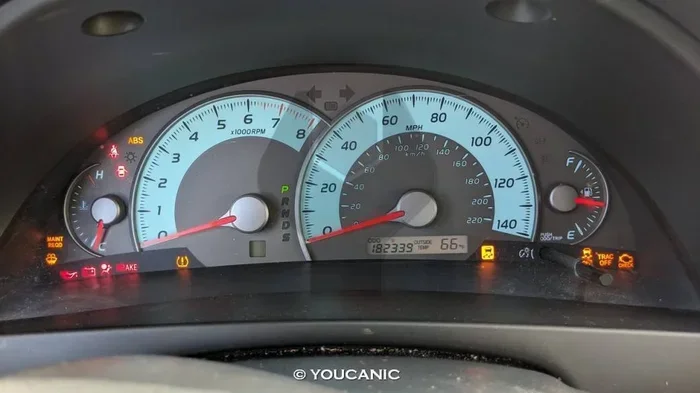
The check engine light is part of your vehicle’s onboard diagnostics system. It is a yellow or orange engine-shaped symbol on the dashboard. When the car’s computer detects a problem in the engine, fuel system, or emissions controls, it turns on this light. The system uses a standardized protocol called OBD-II, which stands for On-Board Diagnostics II. Every Toyota sold in the United States since 1996 uses this system.
The light works like a messenger. It does not tell you exactly what is wrong, but it lets you know that something needs attention. The car also stores a specific diagnostic trouble code, or DTC, in its memory. A mechanic can read this code with a scanner to find the root cause. Understanding this helps you answer the question, does the Toyota check engine light reset itself, because the light behavior depends entirely on what triggered it in the first place.
Does the Toyota Check Engine Light Reset Itself?
The short answer is yes, but only under certain conditions. The Toyota check engine light reset can happen automatically or it can require a manual action. Let us look at the two main scenarios.
When the Light Turns Off on Its Own
Sometimes the light comes on for a very minor reason. A loose gas cap is the most common example. If the cap is not sealed properly, the evaporative emissions system detects a leak. The car logs a code and turns on the light. Once you tighten the cap, the system runs a self-test. After a few successful drive cycles, the computer sees that the leak is gone and it turns the light off by itself. This can happen within a day or two of normal driving.
Another situation is a temporary sensor glitch. Cold weather, humidity, or a brief electrical hiccup can cause a false reading. The computer stores the code, but if the reading returns to normal on the next drive, the light may go away without any action from you. This is why many drivers ask, does the Toyota check engine light reset itself quickly. The answer is often yes, if the issue was minor and has been corrected.
Why the Light Might Stay On
If the light stays on, it means the computer has found a problem that it thinks needs attention. The car will keep the light illuminated until the issue is fixed and the code is cleared. A hard fault, such as a failing oxygen sensor or a misfire, will not clear on its own. The system is designed to alert you so you do not ignore a serious problem. In these cases, the Toyota check engine light reset requires some intervention.
It is also important to know that the light can behave differently. A steady light usually means a non-emergency issue, while a flashing light indicates a more serious problem, often a misfire that can damage the catalytic converter. A flashing light should never be ignored. If you see it flashing, reduce your speed and avoid heavy acceleration until you can get the car checked.
Common Reasons the Check Engine Light Comes On
Understanding why the light comes on helps you know whether it will reset itself or if you need to take action. Here are the most common reasons Toyota owners see the check engine light.
Loose or Faulty Gas Cap
This is the number one cause. The gas cap seals the fuel tank and keeps vapors from escaping. If the cap is loose, cracked, or missing, the evaporative emissions system detects a leak. The car turns on the check engine light. Tightening the cap or replacing a damaged one often solves the problem. The light usually goes off after a few drive cycles. This is a perfect example of a situation where the Toyota check engine light reset happens all by itself.
Oxygen Sensor Failure
The oxygen sensor measures how much oxygen is in the exhaust. It helps the engine control unit adjust the fuel mixture. A failing sensor can cause poor fuel economy and rough idle. The car will log a code and turn on the light. This issue will not clear on its own because the sensor is physically failing. You will need to replace the sensor and then clear the code.
Catalytic Converter Problems
The catalytic converter cleans exhaust gases before they leave the tailpipe. Over time, it can clog or fail, especially if the engine is misfiring or burning oil. A bad catalytic converter triggers the check engine light and often causes the car to fail an emissions test. This is a serious repair that requires a mechanic. The light will stay on until the converter is fixed and the code is reset.
Spark Plugs and Ignition Coils
Worn spark plugs or faulty ignition coils cause misfires. A misfire means the engine is not burning fuel properly. The car’s computer detects the misfire through crankshaft position sensors and turns on the check engine light. Misfires can damage the catalytic converter if left unchecked. Replacing the spark plugs or coils usually fixes the problem, and the light can then be cleared.
Mass Airflow Sensor Issues
The mass airflow sensor tells the computer how much air is entering the engine. A dirty or faulty sensor leads to an incorrect air-fuel mixture. The car may hesitate, stall, or run rough. The check engine light comes on, and the code points to the airflow sensor. Cleaning the sensor or replacing it often resolves the issue, but the code must be cleared manually.
How to Tell If the Problem Is Serious
Not every check engine light situation is an emergency, but you should know how to judge the severity.
Flashing vs. Steady Light
A steady check engine light is usually less urgent. It means the computer has detected a fault, but it is not causing immediate damage. A flashing light, on the other hand, means the problem is active and could hurt the catalytic converter. If the light flashes, pull over safely and have the car towed to a shop if needed. Driving with a flashing light can turn a small repair into a very expensive one.
Other Warning Signs
Pay attention to how the car feels. If the check engine light is on and you also notice a rough idle, loss of power, strange noises, or smoke from the exhaust, do not ignore those signs. These symptoms point to a serious issue that needs immediate attention. If the car feels normal and the light is steady, you may have a bit more time to diagnose the problem.
How to Reset the Toyota Check Engine Light Manually
If the light stays on after a minor issue, you can reset it manually. There are a few ways to do this, and each has its own pros and cons.
Using an OBD-II Scanner
An OBD-II scanner is the most reliable tool. You plug it into the diagnostic port under the steering column. The scanner reads the stored codes and can clear them. Once the codes are cleared, the computer runs a fresh set of tests. If the problem is truly fixed, the light stays off. If the problem returns, the light will come back on and the scanner will show the same code again. This method is great because it gives you real information about what is going on.
You can buy a basic OBD-II scanner for under $50, or you can use one at many auto parts stores for free. They will read the codes and clear them for you. Just know that if the underlying issue is not fixed, the light will return.
Disconnecting the Battery
Another way to force a Toyota check engine light reset is to disconnect the battery. Turn off the engine, locate the negative battery terminal, and remove the cable. Wait for at least 15 minutes to let the computer fully discharge. Then reconnect the terminal and start the car. The computer will reset and the light should be off. This method works, but it also erases other settings like your radio presets and clock. Some Toyota models may also need a relearn procedure for the idle air control system after a battery disconnect.
The Driving Cycle Method
Some owners prefer not to use a scanner. Instead, they simply drive the car in a specific pattern to complete the readiness monitors. Start with a cold engine, drive at moderate speed for about 10 minutes, then idle for a few minutes. Repeat this over several days. The computer runs its self-tests and, if no faults are present, it turns the light off. This method works well for minor issues like a loose gas cap, but it takes patience.
Can You Drive with the Check Engine Light On?
This is one of the most common questions Toyota owners ask. The answer depends on what is causing the light. If the light is steady and the car drives normally, you can usually drive a short distance to a safe location or a repair shop. However, you should not ignore the light for weeks or months. Even a small issue can worsen over time.
For a more detailed look at this topic, check out this guide on Can I Drive My Toyota Camry With The Check Engine Light On. It covers specific driving risks and when you should pull over immediately.
If the light is flashing, do not drive the car if possible. A flashing light means a misfire is occurring, and unburned fuel can flood the catalytic converter. Driving with a flashing light can lead to a very expensive repair. Have the car towed to a trusted mechanic.
How to Get the Check Engine Light Off for Inspection
Many states require a vehicle inspection that includes an emissions test. If the check engine light is on, the car will automatically fail the inspection. Owners often search for ways to make the light go off before the test. The best approach is to fix the underlying problem first. Once the repair is done, you need to clear the code and then complete a drive cycle so the computer can verify the fix.
Some people try to cheat the test by clearing the code right before the inspection. This rarely works because the inspection machine reads the readiness monitors. If the monitors have not completed, the car fails. To learn more about making the light go off and passing inspection, read this article on How Can I Make My Check Engine Light Go Off For Inspection.
The key is to drive normally for a few days after the repair. The computer needs to run multiple tests on the fuel system, oxygen sensors, and catalyst. Once all monitors show ready, the light stays off and the inspection should pass.
Is the Service Light the Same as the Check Engine Light?
No, the service light and the check engine light are different symbols. The service light usually looks like a wrench and reminds you that the car is due for routine maintenance, like an oil change. The check engine light is an engine shape and signals a problem with the engine or emissions system.
To learn more about clearing the service light and understanding what it means, see this article on How Do I Clear My Service Light. Knowing the difference helps you respond appropriately to each warning.
Preventing the Check Engine Light from Returning
Once you have resolved the issue and the light is off, you want to keep it off. Regular maintenance is the best way to prevent the light from coming back.
Regular Maintenance Tips
- Check the gas cap often and replace it if it looks cracked or worn.
- Follow the Toyota maintenance schedule for spark plug replacement.
- Use the recommended grade of engine oil and change it on time.
- Keep the air filter clean to ensure proper airflow to the engine.
- Address any unusual noises, vibrations, or performance changes right away.
Addressing Minor Issues Early
Do not wait for the light to come on to check for problems. If you notice a slight drop in fuel economy or a faint rattling noise, get the car inspected. Catching a small issue early can prevent the check engine light from ever turning on. It also saves you money by avoiding more serious damage down the road.
When to See a Mechanic
There are times when a Toyota check engine light reset is not enough and professional help is necessary. You should see a mechanic if the light is flashing, if the car is running rough, or if you notice a significant loss of power. Any issue that affects drivability should be taken seriously.
Also, if you try to reset the light and it comes back within a few days, the problem is not fixed. A mechanic can read the code and perform the proper repair. Ignoring a persistent check engine light can lead to higher repair costs and even safety issues on the road.
Red flags that mean you should see a mechanic right away include: a flashing check engine light, the car stalling or refusing to start, a strong smell of fuel or rotten eggs, and black or blue smoke from the exhaust. These symptoms indicate a serious problem that needs immediate attention.
Conclusion
The Toyota check engine light is a helpful warning system, not a reason to panic. In many cases, the light will reset itself once a minor issue like a loose gas cap is resolved. For more serious problems, you may need to use an OBD-II scanner, disconnect the battery, or complete a driving cycle to clear the code. The most important thing is to pay attention to the light and address the root cause. Ignoring the light can lead to bigger repairs and higher costs.
Now you know the answer to does the Toyota check engine light reset itself. You also know when to drive carefully, when to see a mechanic, and how to keep your Toyota running smoothly. The next time that little engine icon lights up, you will be prepared with the right steps to take.
Frequently Asked Questions
Can I drive my Toyota with the check engine light on?
If the light is steady and the car drives normally, you can usually drive a short distance to a repair shop. However, a flashing light means you should stop driving and have the car towed. Continuing to drive with a flashing light can cause serious damage to the catalytic converter.
How long does it take for the check engine light to reset itself?
If the issue was minor, like a loose gas cap, the light may turn off after a few drive cycles, which can take one to three days of normal driving. If the problem is fixed but the light stays on, you may need a scanner or battery disconnect to clear the code.
Will disconnecting the battery reset the check engine light?
Yes, disconnecting the negative battery terminal for 15 minutes can clear the codes and turn off the light. However, this method also erases other settings and does not fix the underlying problem. The light will return if the issue is not resolved.
What is the most common reason the check engine light comes on in a Toyota?
The most common reason is a loose or faulty gas cap. Other frequent causes include a failing oxygen sensor, a misfire from worn spark plugs, and catalytic converter issues. A quick check of the gas cap is always the first step.
Is it safe to reset the check engine light with an OBD-II scanner?
Yes, it is safe as long as the underlying issue has been fixed. The scanner simply erases the stored codes. If the problem is not fixed, the computer will detect it again and the light will come back on, often with the same code.
Can a check engine light reset itself after a repair?
Yes, once the repair is complete and the codes are cleared, the car’s computer runs a series of self-tests. If all tests pass, the light stays off. This process can take a few days of normal driving to complete all readiness monitors.