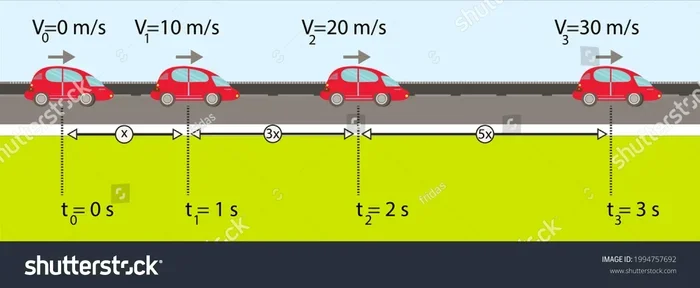
Ever Wondered Why a Car Runs at Constant Speed on Roads
When a car runs at constant speed, it means the vehicle maintains a steady velocity without acceleration or deceleration. This happens because the engine power output perfectly balances the forces of friction, air resistance, and rolling resistance acting against the car. Understanding constant speed driving helps you save fuel, reduce wear on your vehicle, and enjoy smoother, safer highway trips.
Key Takeaways
- Balanced Forces: A car runs at constant speed when engine force equals resistive forces like friction and air drag.
- Cruise Control Is Key: Modern cruise control systems automatically adjust throttle to maintain steady speed on flat roads and gentle slopes.
- Fuel Savings: Driving at a steady pace can improve fuel efficiency by up to 15% compared to stop-and-go driving.
- Newton’s First Law Matters: Inertia keeps a car moving at constant velocity unless an unbalanced force acts on it.
- Common Mistakes Hurt Efficiency: Speeding up and slowing down repeatedly wastes fuel and increases engine wear.
- Road Gradient Matters: Hills and inclines disrupt constant speed and require throttle adjustments.
- Small Tips Add Up: Proper tire pressure, aerodynamic positioning, and steady throttle all support better constant speed driving.
📑 Table of Contents
How Does a Car Run at Constant Speed on Roads?
Have you ever noticed how a car glides smoothly along a highway without you touching the gas pedal much? That is a car running at constant speed. It looks effortless, but there is a lot going on beneath the hood. Understanding this concept can change the way you drive forever.
When a car runs at constant speed, the engine produces just enough power to overcome the forces pushing back against the vehicle. These forces include air resistance, rolling resistance from the tires, and internal friction in the drivetrain. When all of these forces balance out, the car keeps moving at the same velocity. No speeding up. No slowing down. Just steady, smooth motion.
This might sound like a small thing, but it matters a lot. Constant speed driving affects your fuel bill, your engine health, and even your safety on the road. Let us dive deep into how this works and why it is so important.
Every time you press the gas pedal, you are asking the engine to produce more power. When you take your foot off, the car gradually slows down. But when everything is balanced, the car holds its speed on its own. That balance is the heart of constant speed driving.
The Forces at Play
Three main forces act on a car when it moves at a steady pace:
- Air Resistance: Also called drag, this force pushes against the front of the car. The faster you go, the harder the air pushes back.
- Rolling Resistance: This comes from the tires touching the road surface. Even properly inflated tires create some friction.
- Drivetrain Friction: The engine, transmission, and axles all have moving parts that create internal friction.
When the engine output matches these forces exactly, the car maintains speed maintenance without any extra input from the driver.
The Science Behind Constant Speed Driving
You do not need to be a physicist to understand this, but a little science goes a long way. Newton’s first law of motion explains why a car stays at constant speed. It states that an object in motion stays in motion unless acted upon by an unbalanced force.
Think of it this way. If you push a toy car on a smooth floor, it keeps going for a while. Friction and air slowly stop it. But if you keep pushing just enough to match those stopping forces, the car never slows down. That is exactly what happens inside your car every time you drive at a steady pace.
Inertia and Kinetic Energy
Inertia is the tendency of an object to resist changes in its motion. A heavy car has more inertia than a light one, which means it takes more effort to speed up but also more effort to slow down. Once a car reaches constant speed, inertia helps keep it moving.
Kinetic energy is the energy a moving object possesses. The faster the car goes, the more kinetic energy it has. At constant speed, the kinetic energy stays the same because the velocity does not change. This is why maintaining a steady pace is more efficient than constantly accelerating and braking.
Why Speed Matters
Air resistance grows exponentially with speed. This means doubling your speed does not just double the drag. It quadruples it. That is why driving at very high speeds burns so much more fuel. Keeping your car at a moderate, steady highway driving speed is one of the best ways to save gas.
Most cars are designed to be most aerodynamically efficient at speeds between 50 and 70 miles per hour. This is the sweet spot where engine power and air resistance find a natural balance.
The Role of Cruise Control in Maintaining Speed
Modern cars come with a feature called cruise control. This system does the job of keeping your car at a constant speed for you. It uses sensors and a small computer to adjust the throttle automatically.
When you set cruise control, you pick a speed. The system then monitors how fast the car is going and adjusts the throttle to keep it steady. This is especially helpful on long highway drives where your foot would otherwise get tired.
How Cruise Control Works
Here is a simple breakdown of how cruise control keeps a car running at constant speed:
- The driver sets the desired speed using a button on the steering wheel or stalk.
- A sensor monitors the current speed of the vehicle.
- The cruise control module compares the current speed to the set speed.
- If the car starts to slow down, the system opens the throttle to add more fuel.
- If the car starts to speed up, the system closes the throttle slightly to reduce power.
- This loop happens thousands of times per second for smooth speed maintenance.
Adaptive Cruise Control: The Next Level
Many newer cars now have adaptive cruise control. This system not only maintains your set speed but also adjusts it based on the car ahead of you. If the car in front slows down, your car slows down too. When the road clears, it accelerates back to the set speed.
This is a huge step forward for vehicle dynamics and driver comfort. It takes the stress out of long drives and helps maintain a safe following distance.
When Cruise Control Works Best
Cruise control shines on flat, open highways. It keeps your throttle position steady and prevents unnecessary speed changes. However, it is not ideal for hilly terrain or heavy traffic. On steep uphills, the system may struggle to maintain speed and could strain the engine.
Factors That Affect Constant Speed Driving
Not all constant speed driving is the same. Several factors can make it harder or easier for your car to maintain a steady pace. Understanding these factors helps you drive smarter and more efficiently.
Road Gradient
The steepness of the road has a big impact. On a flat road, maintaining constant speed is relatively easy. But when you hit a hill, gravity pulls the car backward on inclines and pushes it forward on declines.
On uphill grades, the engine has to work harder to overcome gravity. This increases engine load and fuel consumption. On downhill grades, the car naturally speeds up, and you may need to lightly brake or ease off the throttle.
Tire Pressure
Underinflated tires create more rolling resistance. This means the engine has to produce more power just to keep the car moving at the same speed. Checking your tire pressure regularly is one of the simplest ways to support constant speed driving.
Overinflated tires are not great either. They reduce grip and can make the ride uncomfortable. Always follow the manufacturer’s recommended tire pressure for the best balance.
Wind Conditions
Headwinds push against the car and increase air resistance. Tailwinds help push the car forward and reduce the load on the engine. Crosswinds can push the car sideways and make speed maintenance harder.
On windy days, you may notice your car slowing down or speeding up slightly even with cruise control engaged. This is normal and the system compensates for these changes automatically.
Vehicle Weight
A heavier car needs more force to maintain the same speed. This is basic physics. If you carry heavy cargo or have passengers in the back seat, your engine works harder. This increases fuel consumption and can affect how smoothly the car maintains its pace.
Engine Condition
A well-maintained engine runs more efficiently. Old spark plugs, dirty air filters, and low-quality oil can all reduce engine performance. Regular maintenance keeps your car running smoothly at constant speed and helps you get better fuel efficiency.
Gear Ratio and Transmission
The gear ratio determines how much power the wheels get at different speeds. Higher gears at highway speeds reduce engine RPM and improve efficiency. If your car is in the wrong gear, it may struggle to maintain a steady pace or burn more fuel than necessary.
Benefits of Driving a Car at Constant Speed
Driving at a steady pace offers many advantages. Let us look at the biggest ones.
Better Fuel Efficiency
This is the number one benefit. When your car runs at constant speed, the engine operates in its most efficient range. It does not waste fuel on unnecessary acceleration or deal with the energy loss that comes with braking.
Studies show that steady highway driving can improve fuel economy by 10 to 15 percent compared to stop-and-go driving. Over a long road trip, those savings add up quickly.
Reduced Engine Wear
Constantly changing speeds puts stress on the engine, transmission, and brakes. Steady driving reduces this wear and tear. Your car lasts longer and needs fewer repairs when you keep a consistent pace.
Smoother Ride
Passengers appreciate a smooth ride. Constant speed driving eliminates the lurching and jerking that comes with frequent acceleration and braking. It makes long trips more comfortable for everyone in the car.
Improved Safety
When you maintain a steady speed, you have more time to react to what is happening on the road. You are not busy managing your own speed changes, so you can focus on scanning for hazards, checking mirrors, and staying aware of your surroundings.
Lower Emissions
Efficient driving means less fuel burned, which means fewer harmful emissions. Constant speed driving is one of the simplest ways to reduce your car’s environmental footprint.
Comparison: Constant Speed vs. Variable Speed Driving
| Factor | Constant Speed Driving | Variable Speed Driving |
|---|---|---|
| Fuel Efficiency | High (10-15% better) | Lower due to repeated acceleration |
| Engine Wear | Minimal | Higher due to stress from speed changes |
| Brake Wear | Low | High from frequent braking |
| Ride Comfort | Smooth and steady | Jerky and inconsistent |
| Emissions | Lower | Higher |
| Driver Fatigue | Less fatigue on long trips | More fatigue from constant pedal work |
Tips and Common Mistakes for Constant Speed Driving
Now that you understand the benefits, let us talk about how to get the most out of constant speed driving. Here are some practical tips and common mistakes to avoid.
Quick Tips for Better Constant Speed Driving
- Use Cruise Control on Highways: It takes the guesswork out of maintaining a steady pace and helps you save fuel.
- Keep Your Tires Properly Inflated: Check tire pressure at least once a month. Proper inflation reduces rolling resistance.
- Reduce Excess Weight: Remove unnecessary items from your trunk and roof rack to lighten the load.
- Close Your Windows at High Speeds: Open windows increase drag and reduce aerodynamics, especially above 50 mph.
- Maintain a Steady Throttle: Avoid pumping the gas pedal. Smooth, gentle inputs keep the car at a consistent speed.
- Plan Your Route: Choose routes with fewer stops and less traffic to maximize your time at steady speeds.
Common Mistakes to Avoid
- Riding the Brakes: Some drivers lightly press the brake pedal while driving on highways. This creates drag and wastes fuel. Keep your foot off the brake unless you need to slow down.
- Overusing Cruise Control on Hills: On steep inclines, cruise control may downshift aggressively or strain the engine. Manual throttle control can be better on very hilly terrain.
- Ignoring Wind Drag: Roof racks and cargo carriers increase air resistance significantly. Remove them when not in use to improve fuel efficiency.
- Speeding Up and Slowing Down Repeatedly: This is one of the biggest wastes of fuel. Even small speed changes add up over long distances.
- Neglecting Maintenance: A dirty engine air filter or worn spark plugs reduce engine efficiency and make constant speed driving harder to achieve.
Expert Insights on Constant Speed Driving
Automotive engineers agree that steady driving is one of the most impactful habits for fuel savings. According to the Department of Energy, aggressive driving that includes frequent acceleration and braking can lower your gas mileage by 15 to 30 percent on highways and 10 to 40 percent in stop-and-go traffic.
Experienced truck drivers have known this for decades. They use cruise control religiously on interstate highways and plan their routes to avoid hills and traffic when possible. Their fuel consumption per mile is significantly lower than the average driver because of these habits.
Driving instructors also emphasize the importance of speed maintenance for new drivers. Keeping a steady pace helps build good habits early and makes driving safer and more predictable for everyone on the road.
How to Train Yourself for Steady Driving
Building the habit of constant speed driving takes practice. Start by picking a speed limit on a highway and try to hold it as steadily as possible. Use cruise control whenever it is safe to do so. Over time, you will develop a feel for the right throttle position that keeps your car gliding at a consistent pace.
Pay attention to how your car responds to small throttle inputs. The more aware you become, the better you can anticipate changes in road conditions and adjust smoothly. This awareness also makes you a safer driver overall.
Conclusion
A car runs at constant speed when the engine power perfectly balances all the forces pushing back against the vehicle. This balance is the foundation of efficient, safe, and comfortable driving. Whether you use cruise control or manage your throttle manually, maintaining a steady pace delivers real benefits.
From better fuel economy to reduced engine wear, the advantages of constant speed driving are hard to ignore. Next time you hit the highway, try to keep your speed steady and notice the difference. Your car, your wallet, and the environment will all thank you.
Remember the science behind it. Newton’s first law, balanced forces, inertia, and kinetic energy all work together to keep your car moving at a consistent velocity. Understanding these principles gives you a deeper appreciation for the engineering that goes into every vehicle on the road.
Start applying these tips today. Keep your tires inflated, use cruise control wisely, and drive smoothly. Constant speed driving is one of the simplest and most effective ways to become a better, more efficient driver.
Frequently Asked Questions
What happens when a car runs at constant speed?
When a car runs at constant speed, the engine produces exactly enough power to balance the forces of air resistance, rolling resistance, and drivetrain friction. The car moves at a steady velocity with no acceleration or deceleration. This balanced state is the most fuel-efficient way to drive on highways and open roads.
Is driving at constant speed better for your car?
Yes, driving at a constant speed reduces stress on the engine, transmission, and brakes. It minimizes wear and tear and extends the life of your vehicle. Steady driving also improves fuel efficiency and lowers emissions, making it better for both your car and the environment.
Does cruise control keep a car at constant speed?
Cruise control is designed to maintain a set speed automatically. It adjusts the throttle based on road conditions and resistive forces. On flat highways, cruise control is excellent at keeping a car at constant speed. On steep hills, it may struggle or consume more fuel as the system works harder to hold the pace.
Why does a car slow down on its own when you take your foot off the gas?
A car slows down when you remove your foot from the gas because resistive forces like air drag, rolling resistance, and internal friction are no longer being fully countered by engine power. These forces gradually reduce the car’s kinetic energy and bring it to a slower speed or a stop.
What is the best speed for fuel efficiency when driving at constant speed?
Most cars achieve peak fuel efficiency when driven at a steady speed of between 45 and 65 miles per hour. This range balances aerodynamic drag and engine efficiency. Driving faster than this range increases air resistance significantly and burns more fuel.
Can road gradient affect constant speed driving?
Yes, road gradient has a major impact. Uphill slopes increase the load on the engine and require more power to maintain speed. Downhill slopes reduce the load and can cause the car to speed up. Both situations disrupt constant speed and require throttle or brake adjustments from the driver or the cruise control system.