Sun Protection Film for Car Windows Is a Game Changer
Sun protection film for car windows is one of the smartest upgrades you can make for your vehicle. It blocks harmful UV rays, cuts down on heat, and keeps your car interior looking new for longer. This guide covers everything from the different types of car window tint to installation tips and legal rules. Whether you want heat rejection, fade protection, or simple glare reduction, this article has you covered. Keep reading to learn why so many drivers are making the switch.
Have you ever gotten into your car on a hot summer day and felt like you are sitting in an oven? That uncomfortable heat can make every drive miserable. The good news is that sun protection film for car windows can change everything. This simple upgrade blocks harmful rays, keeps your car cooler, and protects your interior from damage. In this guide, we will walk you through everything you need to know about sun protection film for car windows and why it is worth your time.
More and more drivers are discovering the benefits of automotive tint and window film technology. What used to be a luxury add-on is now an affordable way to improve comfort, safety, and style. Whether you drive a sedan, SUV, or truck, there is a sun protection film for car windows solution that fits your needs and budget. Let us dive in and explore why this small change can make a big difference.
Key Takeaways
- Blocks Up to 99% of UV Rays: Sun protection film for car windows shields your skin and your vehicle interior from harmful ultraviolet damage.
- Keeps Your Car Cooler: Quality film can reduce cabin temperature by up to 30 degrees, making every drive more comfortable.
- Multiple Film Types Available: Ceramic, carbon, dyed, and metallized films each offer different levels of performance and style.
- Easy Maintenance: With the right care routine, your film can last 5 to 10 years without peeling or bubbling.
- Know Your Local Laws: Window tinting laws vary by state, so always check regulations before installing.
- Saves Money Long-Term: Reduced heat means less AC use, which improves fuel economy and extends the life of your car’s interior.
📑 Table of Contents
What Is Sun Protection Film for Car Windows?
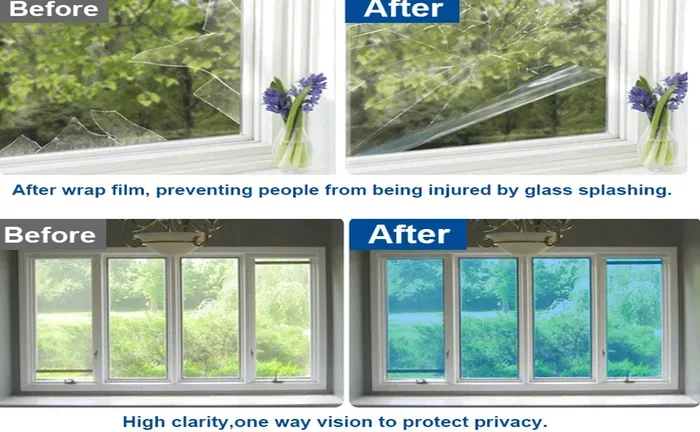
Sun protection film for car windows is a thin, multi-layered film applied directly to your vehicle glass. It works by filtering out harmful solar energy before it enters your cabin. Most films are made from polyester and other advanced materials that block ultraviolet (UV) rays, infrared (IR) radiation, and visible light.
How Does It Work?
The film contains special layers that absorb or reflect solar energy. Some films use ceramic particles to block heat without darkening your windows. Others use carbon or dyed layers to reduce glare and add privacy. The goal is simple: keep your car cooler and protect everything inside it. When sunlight hits your windows, the film intercepts a large portion of the solar energy and prevents it from heating up your interior.
Think of it like sunscreen for your car. Just as sunscreen protects your skin from burning, sun protection film for car windows shields your dashboard, seats, and steering wheel from fading and cracking. The result is a more comfortable driving experience and a vehicle that looks better for years.
Key Benefits of Installing Sun Protection Film
The advantages of adding sun protection film for car windows go far beyond just staying cool. Here are the biggest reasons drivers choose to invest in this upgrade.
Blocks Harmful UV Rays
UV rays from the sun can cause serious skin damage over time. When you drive with your arm on the window, that side of your body gets the most exposure. Sun protection film for car windows blocks up to 99 percent of UV radiation. This means better skin protection every time you get behind the wheel. It also protects your children and pets who sit in the back seat.
Reduces Heat Inside Your Car
One of the most noticeable benefits is heat reduction. A good quality film can lower your cabin temperature by 30 degrees or more. On a 95-degree day, your car interior can reach 170 degrees without any protection. With sun protection film for car windows, that temperature drops significantly. This means your AC does not have to work as hard, which saves fuel and reduces wear on your engine.
Protects Your Interior from Fading
Sun damage is one of the biggest enemies of your car interior. Dashboards crack, seats fade, and leather dries out over time. Fade protection from window film slows this process dramatically. Your car will look newer for longer, which helps maintain its resale value. If you have invested in quality leather seats or a nice dashboard, interior protection through film is a smart move.
Reduces Glare for Safer Driving
Glare from the sun or headlights at night can be dangerous. It strains your eyes and makes it harder to see the road. Glare reduction is one of the immediate benefits you will notice after installation. You will drive more comfortably during bright days and late afternoon drives when the sun is low.
Adds Privacy and Security
Tinted windows make it harder for people outside to see into your car. This adds a layer of privacy tint that many drivers appreciate. It also protects valuables inside your vehicle from view, which can deter break-ins. You do not have to worry about someone seeing your phone, bags, or other items on the seat.
Types of Sun Protection Film Available
Not all window films are the same. Different materials offer different levels of performance, appearance, and price. Here is a breakdown of the most common types of sun protection film for car windows available on the market today.
Ceramic Film
Ceramic film is the top-tier option in the world of automotive tint. It uses nano-ceramic particles to block heat and UV rays without interfering with electronic signals. This means your GPS, phone connectivity, and toll transponders will work just fine. Ceramic film offers the best heat rejection rates and does not fade over time. The downside is that it costs more than other options. However, many drivers consider it the best long-term investment.
Carbon Film
Carbon film is a popular mid-range choice. It provides excellent heat rejection and a sleek, matte black finish. Unlike metallized films, carbon does not interfere with electronics. It is also very durable and resistant to fading. If you want a good balance of performance and price, carbon film is a solid option for sun protection film for car windows.
Dyed Film
Dyed film is the most budget-friendly option. It uses dye layers to absorb heat and reduce glare. The main drawback is that dyed film fades over time and may bubble after a few years. It also offers less heat rejection compared to ceramic or carbon options. However, if you are on a tight budget, dyed film still provides basic UV protection and a cleaner look for your car.
Metallized Film
Metallized films contain tiny metal particles that reflect heat and add strength to the glass. They offer good heat reduction and a shiny, reflective appearance. The downside is that they can interfere with cell phone and radio signals. They are also more prone to fading compared to ceramic or carbon films. Some drivers like the reflective look, but it is not for everyone.
Comparison Table
| Film Type | Heat Rejection | UV Protection | Signal Interference | Durability | Price Range |
|---|---|---|---|---|---|
| Ceramic | Excellent | 99% | None | 10+ years | $$$ |
| Carbon | Very Good | 99% | None | 7-10 years | $$ |
| Dyed | Fair | 95% | None | 3-5 years | $ |
| Metallized | Good | 97% | Moderate | 5-7 years | $$ |
When choosing between these options, think about your priorities. If you want the best performance and do not mind paying more, go with ceramic. If you want a balance of cost and quality, carbon is a great choice. Dyed film works well for temporary or budget solutions.
How to Choose and Install the Right Film
Choosing the right sun protection film for car windows depends on several factors. Here are some practical tips to help you make the best decision.
Quick Tips for Choosing the Right Film
- Check Your Climate: If you live in a hot, sunny area, prioritize ceramic or carbon film for maximum heat rejection.
- Consider Your Budget: Set a realistic budget before shopping. Dyed film is affordable, while ceramic offers the best long-term value.
- Think About Privacy: Darker films provide more privacy but may not be legal in all areas. Check window tinting laws in your state.
- Ask About Warranties: Quality films come with warranties of 5 to 10 years. A good warranty shows confidence in the product.
- Avoid Cheap Deals: Very low prices often mean low-quality materials that bubble, peel, or fade quickly.
Professional vs. DIY Installation
You can install sun protection film for car windows yourself or hire a professional. DIY kits are available online and cost less upfront. However, professional installation ensures a bubble-free, long-lasting finish. Professionals have the right tools, training, and clean environments to do the job correctly. If you are not experienced with car window tint installation, hiring a pro is the safer choice.
Common Installation Mistakes to Avoid
- Skipping Cleaning: Your windows must be perfectly clean before applying film. Any dust or debris will show under the film.
- Applying in Direct Sunlight: Heat causes the film to dry too fast, making it impossible to reposition.
- Cutting Wrong Sizes: Measure each window carefully. Cutting pieces too small or too big leads to a messy finish.
- Rushing the Process: Take your time. Rushing leads to air bubbles, wrinkles, and an uneven look.
- Using Low-Quality Solutions: Always use the application fluid that comes with the film. Household soaps can damage the adhesive.
Avoiding these mistakes will save you time, money, and frustration. If you are a beginner, watch a few tutorial videos before you start. Practice on a spare piece of glass if possible.
Legal Considerations and Caring for Your Film
Before you rush out to install sun protection film for car windows, there are a few important things to keep in mind.
Window Tinting Laws You Should Know
Every state has different rules about how dark your tint can be. These laws are called window tinting laws and they vary widely. Most states allow a certain percentage of light transmission through the front side windows. The rear windows and windshield often have different rules. Some states allow darker tints on rear windows, while others restrict them. Check your local Department of Motor Vehicles website or consult with your installer before choosing your film. Getting caught with illegal tint can result in fines and even a ticket to remove it.
Maintenance Tips for Long-Lasting Film
Taking care of your sun protection film for car windows ensures it lasts for years. Here are some simple car care tips to keep your film in great shape.
- Wait 30 Days Before Cleaning: Let the film fully cure before you clean your windows. This usually takes about a month.
- Use a Soft Cloth: Always use a microfiber cloth or soft sponge. Abrasive materials can scratch the film.
- Avoid Ammonia-Based Cleaners: Ammonia can break down the adhesive and damage the film over time. Use mild, ammonia-free cleaners instead.
- Roll Down Windows Slowly: For the first few days after installation, roll down your windows slowly to avoid putting stress on the edges.
- Park in the Shade: Whenever possible, park your car in a shaded area. This reduces the stress on the film from direct sun exposure.
With proper care, quality sun protection film for car windows can last anywhere from 5 to 10 years. Some premium ceramic films even last longer. The key is to be gentle during cleaning and avoid harsh chemicals.
Final Thoughts
Sun protection film for car windows is truly a game changer for any vehicle owner. It offers real, measurable benefits that you will notice every time you drive. From UV protection and heat rejection to fade protection and glare reduction, this simple upgrade transforms your driving experience. Your car stays cooler, your interior stays newer, and your skin stays safer.
The wide range of film types means there is an option for every budget and every need. Whether you choose premium ceramic, reliable carbon, or budget-friendly dyed film, you are making a smart investment in your vehicle. Just remember to follow window tinting laws in your area, choose a reputable installer or take your time with DIY application, and maintain your film properly.
If you have been putting off this upgrade, now is the perfect time. The comfort, protection, and style benefits of sun protection film for car windows are hard to ignore. Your car will thank you every single day you drive.
Frequently Asked Questions
How long does sun protection film for car windows last?
Most quality films last between 5 and 10 years. Ceramic and carbon films tend to last the longest, while dyed films may need replacement after 3 to 5 years. Proper maintenance and avoiding harsh chemicals will extend the life of your film significantly.
Does window tinting affect my car’s resale value?
Yes, it can have a positive effect. Many buyers appreciate a car with sun protection film for car windows because it shows the interior is well-protected. However, if the tint is too dark or peeling, it can have the opposite effect. Keep your film in good condition to maintain or boost your vehicle’s resale value.
Can I install sun protection film myself?
Yes, you can install it yourself using a DIY kit. However, professional installation is recommended if you want a bubble-free, long-lasting result. DIY installation requires patience, the right tools, and a clean environment. If you have never done it before, watching tutorials and practicing on spare glass first is a great idea.
Is sun protection film for car windows worth the cost?
Absolutely. The cost of automotive tint is relatively low compared to the benefits you receive. You get UV protection, heat reduction, interior protection, and improved comfort every time you drive. Over time, the savings on fuel and interior repairs make it a worthwhile investment.
Will sun protection film block all sunlight?
No, sun protection film for car windows does not block all sunlight. It filters out a large portion of UV and infrared rays while still allowing visible light through. This means your windows stay bright and you can see clearly. The goal is to reduce harmful solar energy, not eliminate all natural light.
What is the difference between UV protection and heat rejection?
UV protection refers to blocking ultraviolet rays that can damage your skin and fade your car interior. Heat rejection refers to blocking infrared rays that cause the temperature inside your car to rise. Quality sun protection film for car windows provides both UV protection and heat rejection, giving you comprehensive vehicle protection from solar energy.