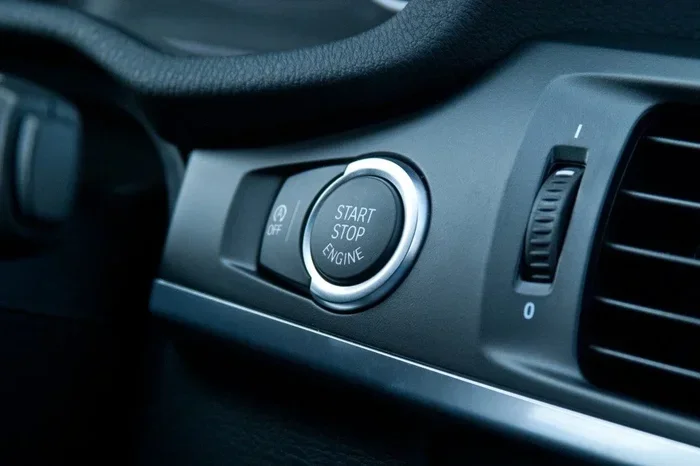
Can You Add Remote Start to a Push-Button Start Car
Yes, you can add remote start to a push-button start car. Whether your vehicle has a factory push-button ignition or an aftermarket setup, a remote car starter system can give you the comfort of warming up or cooling down your engine before you get in. The process involves choosing the right aftermarket remote start kit, checking your vehicle compatibility, and getting professional installation to keep your smart key system working properly. This guide covers everything from how the systems work to costs, DIY risks, and expert tips.
This is a comprehensive guide about Can You Add Remote Start to a Car With Push-Button Start?.
Key Takeaways
- It is possible: You can install a remote start system on almost any push-button start car with the right kit and setup.
- Compatibility matters: Not all vehicles use the same remote start protocol, so check your car make and model first.
- Professional installation is recommended: DIY setups risk damaging your transponder key system or voiding your vehicle warranty.
- Costs range widely: Basic kits start around $100, while advanced two-way remote systems can cost $400 or more installed.
- Security features are built in: Modern remote car starter systems include anti-theft protection and engine immobilizers.
- Cold weather benefits are real: A remote engine start system lets you heat your car before you drive in winter.
- Warranty concerns exist: Always check with your dealer before installing an aftermarket remote start system.
[FEATURED_IMAGE_PLACEHOLDER]
There is nothing quite like stepping into a warm car on a freezing morning or cooling down a hot vehicle before your commute. For years, remote start was a luxury mostly found on high-end models. But today, almost anyone can add this feature to their vehicle. If you drive a car with push-button start, you might wonder whether a remote car starter is even possible. The short answer is yes. The longer answer is that it depends on your vehicle, the system you choose, and how it gets installed.
Adding remote start to a push-button start car is more common than most people think. Thousands of drivers upgrade their vehicles every year with aftermarket remote start kits. Some systems work seamlessly with factory smart key systems, while others need extra modules to function correctly. In this article, we will walk you through everything you need to know. We will cover how the technology works, what kits are available, costs, installation options, and common mistakes to avoid.
Whether you live in a cold climate and want to defrost your windshield from your couch or simply want the convenience of a cooled-down car on a summer day, remote engine start can make a real difference. Let us dive into the details and help you decide if adding this feature to your push-button start vehicle is the right move for you.
How Remote Start Works With Push-Button Ignition
Understanding how remote start functions on a push-button start car helps you appreciate why the installation process is different from traditional key ignition systems. A standard push-button start vehicle uses a smart key or transponder key that communicates wirelessly with the car computer. When you press the button, the system verifies the key is nearby before allowing the engine to start.
The Role of the Smart Key System
Your car’s smart key system uses radio frequency signals between the key fob and the vehicle’s ignition switch. When you press the start button, the car checks for an authenticated signal from your key. Without that signal, the engine will not start. This is a built-in security feature designed to prevent theft.
When you add an aftermarket remote start system, the challenge is tricking the car into thinking the smart key is inside the vehicle. This is where things get interesting. The remote car starter module sends a simulated signal that tells the car the key fob is present. The system then engages the starter motor and cranks the engine, all without anyone physically touching the vehicle.
Why Push-Button Start Systems Need Special Modules
Unlike traditional key ignition systems, push-button start vehicles require a bypass module or an interface harness. This small device bridges the gap between the remote start system and your car’s security computer. Without it, the engine will not start remotely because the car does not detect a valid smart key signal.
Most quality remote start kits come with a bypass module included. The module plugs into your car’s existing wiring harness and communicates with the factory security system. Once programmed correctly, the system works invisibly. You press the button on your key fob, and the car starts just as it would if you were sitting inside with the key in your pocket.
Types of Remote Start Systems Available
Not all remote start systems are the same. The market offers several options, each with different features, ranges, and price points. Choosing the right one for your push-button start car depends on your budget, your vehicle model, and the features you want.
One-Way Remote Starters
One-way remote car starters send a signal from your key fob to the car but do not receive confirmation back. You press the button, the car starts, and you hope it worked. These systems are affordable and easy to install. They typically cost between $50 and $200 for the kit alone.
One-way systems are great for basic needs. If you just want to warm up your engine or cool the cabin before you get in, a simple one-way remote start kit gets the job done. However, you will not know if the command was received unless you walk over to the vehicle and check.
Two-Way Remote Starters
Two-way remote start systems send a signal to the car and receive a confirmation signal back. Your key fob will flash, beep, or display a message confirming the engine has started. These systems offer peace of mind, especially if you park far away or in crowded lots.
Two-way kits cost more, typically between $150 and $400 for the unit alone. They also require professional programming to match your vehicle’s smart key system. The extra cost is worth it for drivers who want certainty and control over their remote engine start system from a distance.
Smartphone-Controlled Remote Start Systems
Some modern aftermarket remote start kits connect to your smartphone through an app and a cellular module. You can start your car from anywhere with an internet connection. These systems often include GPS tracking, lock/unlock features, and vehicle diagnostics.
Smartphone-controlled systems are the most advanced option available. They work with push-button start vehicles but require more complex installation and a monthly or annual subscription fee. If you want cutting-edge vehicle comfort features, this is the way to go. Just be prepared for the higher upfront and ongoing costs.
Can Every Push-Button Start Car Get Remote Start?
The honest answer is no, not every car. While most push-button start vehicles can support an aftermarket remote start system, some exceptions exist. Your vehicle’s make, model, year, and original equipment all play a role in determining compatibility.
Vehicles That Support Remote Start Easily
Most modern cars from major manufacturers support remote start with the right kit. Brands like Toyota, Honda, Ford, Chevrolet, and Nissan have extensive compatibility lists for aftermarket remote start systems. These vehicles were designed with remote start in mind, even if they did not come with the feature from the factory.
Cars that already have a factory remote start option but did not include it in your trim level are often the easiest to retrofit. The wiring harness and bypass module connections are already in place, making professional installation faster and more reliable.
Vehicles With Limited or No Remote Start Support
Some luxury and European vehicles present challenges for remote start installation. Brands like BMW, Mercedes-Benz, and Audi use complex smart key systems that are harder to interface with aftermarket modules. In some cases, the vehicle warranty may also be voided if an aftermarket remote start system is added.
Electric vehicles and hybrids also have unique considerations. Some EVs use a push-button start but do not have an engine to warm up, which changes the purpose of remote start entirely. Always check with a specialist who knows your specific vehicle before purchasing a kit.
How to Check Your Vehicle Compatibility
The easiest way to find out if your car supports remote start is to check the vehicle compatibility list on the remote car starter kit manufacturer’s website. Brands like Compustar, Viper, DroneMobile, and Avital publish detailed lists by make, model, and year.
You can also call a local car alarm and remote start shop and ask them to look up your vehicle. They will know instantly whether your push-button start system can accept an aftermarket remote start module. Do not guess or assume. Compatibility issues lead to wasted money and frustration.
Professional Installation vs. DIY Remote Start
Once you have chosen your remote start kit, the next decision is whether to install it yourself or hire a professional. Both options have pros and cons, and the right choice depends on your skill level, tools, and comfort with car electronics.
Why Professional Installation Is Recommended
Most experts strongly recommend professional installation for push-button start vehicles. The wiring is complex, and a single mistake can damage your car’s computer system or disable the smart key system. A professional installer has the tools, experience, and wiring diagrams to get the job done right the first time.
Professional installation typically costs between $100 and $300 on top of the kit price. Many shops offer a warranty on their work, which gives you peace of mind. If something goes wrong, they fix it at no extra charge. For most people, this is the safest and smartest choice.
Risks of DIY Installation
DIY installation can save you money, but it comes with real risks. Cutting the wrong wire can disable your ignition switch, drain your battery, or trigger your car’s security system into permanent lockout mode. In some cases, a bad DIY install can even damage the engine control module.
If you still want to try a DIY approach, buy a kit that includes detailed instructions and a bypass module designed for your specific vehicle. Watch multiple tutorial videos before you start. And keep your owner’s manual handy at all times. Remember, one wrong connection can cost you far more than the savings from skipping professional installation.
What to Expect During Professional Installation
A professional remote start installation typically takes two to four hours. The installer will first identify the correct wires in your car’s harness for the ignition, starter, parking lights, and accessory power. They will then connect the bypass module and program the remote car starter to your vehicle.
After the physical installation, the installer will test the system multiple times. They will verify that the engine starts remotely, the doors lock and unlock properly, and the transponder key system remains secure. A good installer will also walk you through how to use your new key fob features and answer any questions you have.
Costs of Adding Remote Start to a Push-Button Start Car
Cost is one of the biggest factors when deciding to add remote start to your vehicle. The total price depends on the kit you choose, the features included, and whether you go with professional installation.
Kit Prices Breakdown
Basic one-way remote start kits range from $50 to $150. These kits include the main module and a simple key fob with a range of about 1,000 to 1,500 feet. Mid-range kits with two-way remotes and extended range cost between $150 and $350. Premium systems with smartphone control and GPS tracking can run $350 to $600 or more for the kit alone.
Professional installation adds another $100 to $300 depending on your location and vehicle complexity. European or luxury vehicles with advanced smart key systems may cost more due to the extra time and specialized equipment needed. In total, expect to pay anywhere from $200 to $900 for a complete remote engine start system.
Is It Worth the Investment?
For most drivers, the answer is yes. The convenience of starting your car from inside your home or office is hard to put a price on. In cold climates, a warmed-up car reduces frost on the windshield and makes the first few minutes of your drive comfortable. In hot climates, a cooled-down cabin protects your interior from heat damage and makes your drive more pleasant from the moment you sit down.
Remote start also adds resale value to your vehicle. Many buyers look for this feature when shopping for used cars. If you plan to sell your vehicle in the future, an installed aftermarket remote start system can be a selling point that sets your car apart.
Common Mistakes When Adding Remote Start to Push-Button Start Cars
Even with the best intentions, many people make avoidable mistakes when installing or choosing a remote car starter for their push-button start vehicle. Learning from these errors can save you time, money, and headaches.
Buying the Wrong Kit for Your Vehicle
The most common mistake is purchasing a remote start kit without checking compatibility first. Not all kits work with all vehicles. A kit designed for a traditional key ignition will not work on a push-button start car without the correct bypass module. Always verify that the kit supports your specific make, model, and year before you buy.
Skipping the Bypass Module
Some people try to install a remote start system without the bypass module. This is a serious mistake. Without the module, your car’s security system will not recognize the remote start command, and the engine will not turn over remotely. The bypass module is not optional for push-button start vehicles. It is essential.
Ignoring Warranty Concerns
Adding an aftermarket remote start system can void parts of your vehicle warranty, especially if the installation causes damage. Before you proceed, read your warranty terms carefully and talk to your dealer. Some manufacturers allow remote start additions as long as they are professionally installed and do not interfere with factory systems.
Choosing the Cheapest Option
It is tempting to buy the cheapest remote start kit you can find, but low-cost systems often lack reliability and features. A cheap one-way remote with a short range may frustrate you within weeks. Investing in a quality kit from a reputable brand like Compustar, Viper, or DroneMobile pays off in the long run with better performance and fewer problems.
Expert Tips for Getting the Most From Your Remote Start System
Once your remote engine start system is installed, a few simple tips will help you get the best experience and longest lifespan from your equipment.
Keep Your Key Fob Battery Fresh
A weak key fob battery is the number one reason remote start systems fail. Replace the battery in your remote car starter fob at least once a year. Most fobs use a CR2032 battery, which is cheap and easy to swap. Keep a spare in your glove box so you are never caught with a dead fob.
Program Your System Correctly
Take the time to properly program your remote following the manufacturer’s instructions. Most systems allow you to set features like idle time, remote start duration, and door lock behavior. Customizing these settings to your preferences makes the system feel seamless and intuitive every time you use it.
Use Your Remote Start in Moderation
While it is tempting to leave your car running remotely for 30 minutes every morning, excessive idling wastes fuel and puts unnecessary wear on your engine. Most experts recommend running your remote engine start for 10 to 15 minutes before you drive. This is enough to warm the cabin and defrost the windshield without overworking the engine.
Upgrade to a Two-Way Remote for Peace of Mind
If you started with a basic one-way system, consider upgrading to a two-way remote later. The confirmation signal tells you that your car actually started and is running. This small upgrade eliminates the guesswork and gives you confidence every time you press the button, whether you are standing at your front door or walking across a parking lot.
Frequently Asked Questions
Will adding a remote start void my car warranty?
It depends on your manufacturer and how the installation is done. If the aftermarket remote start system causes damage or interferes with factory electronics, the dealer may deny the related warranty claim. Professionally installed systems from reputable brands minimize this risk. Always check with your dealer before installation to understand your specific warranty terms.
Can I install a remote start myself on a push-button start car?
You can, but it is not recommended unless you have experience with car wiring and electronics. Push-button start vehicles require a bypass module and precise wiring connections. A single mistake can disable your smart key system or damage your car’s computer. Professional installation is the safest route for most vehicle owners.
How far can I start my car with a remote start system?
The range depends on your remote car starter kit. Basic one-way systems offer a range of 1,000 to 1,500 feet. Two-way remotes typically reach 3,000 to 5,000 feet. Smartphone-controlled systems have unlimited range as long as you have a cellular or Wi-Fi connection. The range you need depends on where you usually park and how far away you are from your vehicle.
Is remote start safe for my engine?
Yes, modern remote engine start systems are designed to be safe. They include built-in timers that shut off the engine after a set period, usually 10 to 30 minutes. The system also prevents the car from being driven without the transponder key present. As long as you follow the manufacturer’s guidelines, your engine will not be harmed by remote starting.
What is the best remote start brand for push-button start cars?
Top brands include Compustar, Viper, DroneMobile, and Avital. Each offers multiple tiers of systems ranging from basic to premium. Compustar is known for wide vehicle compatibility, Viper for advanced features, and DroneMobile for excellent smartphone integration. Choose based on your budget, vehicle compatibility, and the features you value most.
Can I add remote start to a hybrid or electric vehicle with push-button start?
It is possible in some cases, but it works differently than with traditional combustion engines. Hybrids and EVs do not need engine warming, so remote start is primarily used for cabin climate control. Not all hybrid and EV models support aftermarket remote start kits, so check compatibility carefully before purchasing. Some manufacturers offer factory remote start features for these vehicles that work better than aftermarket options.
Conclusion
Adding remote start to a push-button start car is absolutely possible, and more drivers are doing it every day. Whether you choose a simple one-way kit or a premium smartphone-controlled system, the convenience and comfort of remote engine start are hard to ignore. The key is to choose a compatible kit, have it professionally installed, and follow best practices for daily use.
Remember to check your vehicle compatibility before buying, factor in the total cost of the kit plus installation, and never skip the bypass module. A quality remote car starter system will serve you well for years, making cold mornings and hot afternoons far more comfortable. Take the time to research your options, talk to a trusted installer, and enjoy the benefits of remote start on your push-button start vehicle. Your future self will thank you every time you step into a perfectly tempered car without ever leaving your doorstep.
Frequently Asked Questions
What is Can You Add Remote Start to a Car With Push-Button Start??
Can You Add Remote Start to a Car With Push-Button Start? is an important topic with many practical applications.