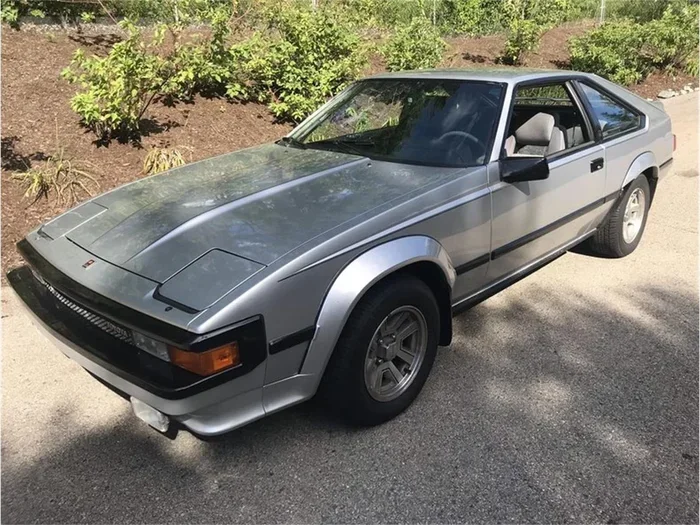
Are Old Toyota Supras Rare and What Makes Them Special
Old Toyota Supras are genuinely rare, especially certain generations and trim levels that saw limited production runs. These iconic Japanese sports cars have become highly sought after by collectors worldwide, driven by their legendary 2JZ engine, timeless design, and cultural impact. Whether you are looking at Toyota Supra MK4 models or earlier generations, understanding their rarity helps you appreciate their value and significance in the automotive world.
Key Takeaways
- Limited production numbers: Many old Toyota Supra models were produced in small quantities, making them inherently rare.
- The 2JZ engine is a legend: The twin-turbo inline-six engine in the MK4 Supra is one of the most revered powerplants in car history.
- Value is rising steadily: Old Toyota Supras have seen significant appreciation in market value over the past decade.
- Generations vary in rarity: Earlier models like the MK1 and MK2 are far rarer than later ones due to lower production numbers.
- Condition matters enormously: Well-preserved, unmodified examples command the highest prices among old Toyota Supras.
- Cultural impact drives demand: Movies, car culture, and social media have amplified interest in these vehicles.
- Buying tips matter: Knowing what to look for helps you avoid common pitfalls when purchasing old Toyota Supras.
📑 Table of Contents
- The Short Answer: Are Old Toyota Supras Rare?
- A Brief History of the Toyota Supra
- What Makes Old Toyota Supras So Special?
- How Rare Are Different Toyota Supra Generations?
- The Market Value of Old Toyota Supras Today
- Common Mistakes People Make When Buying Old Toyota Supras
- Expert Insights on the Toyota Supra Legacy
- How to Care for Your Old Toyota Supra
- The Toyota Supra Community and Ownership Experience
- Conclusion
The Short Answer: Are Old Toyota Supras Rare?
The short answer is yes, old Toyota Supras are rare — but the full story is much more interesting than a simple yes or no. Some generations are harder to find than others. Certain trim levels and special editions are incredibly scarce. And the overall rarity of these cars has only grown with time.
When Toyota stopped making the Supra in 1998, it left behind a legacy that only got stronger. For nearly two decades, the car was absent from the lineup. When it returned in 2019 as the Toyota Supra MK5, fans were excited — but many felt the new model could never replace the magic of the old ones. That longing has only increased the appeal and rarity of old Toyota Supras.
Today, finding a clean, unmodified example of a Toyota Supra MK4 or an earlier model is getting harder every year. Cars get driven, wrecks happen, and parts get swapped. The ones that survive in good shape are becoming true treasures. Let us dive into why these cars are so special and what makes them rare.
A Brief History of the Toyota Supra
The Toyota Supra has a rich history that spans several decades. Understanding where these cars came from helps explain why they are so special today. Toyota built the Supra as a grand tourer — a car that could handle long road trips but also deliver serious performance.
The First Generation (1978–1981)
The original Supra debuted in 1978 as part of the Toyota Celica lineup. It was the first Japanese car to offer a power-split automatic transmission. Production numbers were modest — around 10,000 units for the first generation. This low volume makes early Toyota Supra models quite rare today.
The Second and Third Generations (1981–1993)
The second and third generations brought major changes. The MK3 Supra, introduced in 1986, became a standalone model and gained a reputation for speed and style. The Toyota Supra MK3 was popular in the United States and Japan. But it was the fourth generation that would become the most iconic.
The Fourth Generation — The MK4 (1993–2002)
The Toyota Supra MK4 is the one most people think of when they hear the name Supra. It came with the legendary 2JZ-GE and 2JZ-GTE engines. The twin-turbo version could push out over 300 horsepower in stock form — and with modifications, it became nearly unstoppable. The MK4 Supra is the crown jewel of the Supra lineage and the most talked about among old Toyota Supras.
What Makes Old Toyota Supras So Special?
There is something about old Toyota Supras that goes beyond raw numbers. These cars have a soul. They represent an era when Japanese automakers were proving they could compete with European luxury brands. Several factors make these vehicles stand out.
The Legendary 2JZ Engine
The Toyota 2JZ engine is the heart and soul of the Supra experience. This inline-six engine was built with an iron block that could handle enormous amounts of boost. Stock or modified, the 2JZ is a workhorse that enthusiasts trust. Its reputation for reliability and tunability is unmatched in the sports car world.
Many people buy old Toyota Supras specifically for the engine. The 2JZ-GTE twin-turbo version is a legend. It has been featured in countless car videos, races, and build projects. If you want a Toyota Supra with a 2JZ engine, you are joining a massive global community of fans.
Timeless Design
The design of old Toyota Supras has aged beautifully. The MK4 Supra, in particular, has sleek lines, a wide stance, and a sporty profile that still turns heads today. Unlike many cars from the 1990s, the Supra does not look dated. It looks timeless. This is a big reason why demand remains strong for these vehicles.
Cultural Impact
The Supra became a cultural icon thanks to movies, video games, and car shows. The Fast and Furious franchise put the Supra in the spotlight. Games like Gran Turismo and Forza introduced new fans to the car every year. Social media has only amplified this. Old Toyota Supras are everywhere in car culture right now, and that visibility drives up interest and prices.
How Rare Are Different Toyota Supra Generations?
Not all old Toyota Supras are equally rare. Some generations are harder to find than others. Production numbers, survival rates, and regional availability all play a role. Let us break it down by generation.
Production Numbers and Survival Rates
Toyota produced the Supra in relatively small numbers compared to mass-market models. Here is a rough look at how many units were built for each generation:
- MK1 (1978–1981): Around 10,000 units globally. Very few survive today in good condition.
- MK2 (1981–1986): Approximately 15,000 to 20,000 units. Still quite rare.
- MK3 (1986–1993): Around 70,000 units worldwide. More common but still a niche car.
- MK4 (1993–2002): Roughly 100,000 units globally. The most produced Supra generation, but still limited by today’s standards.
These numbers tell a story. The older the Supra, the rarer it tends to be. Many early models were scrapped, crashed, or neglected over the decades. Finding a clean Toyota Supra MK1 or Toyota Supra MK2 today is a genuine challenge.
Special Editions and Rarer Trims
Certain trim levels and special editions of old Toyota Supras are even rarer than the standard models. For example:
- The Supra Turbo A (MK4): A Japanese domestic market special with a upgraded intercooler and unique tuning. Only a few thousand were made.
- The Supra RZ (MK4): The top-tier trim with the twin-turbo engine. These are highly sought after.
- The Supra Limited Edition (MK3): Some regions received limited runs with unique features, making them stand out.
If you are searching for Toyota Supra for sale, keep an eye out for these rarer variants. They command a premium and are often the first to go when one appears.
Comparison Table: Rarity by Generation
| Generation | Years | Approx. Production | Rarity Today | Avg. Value Range |
|---|---|---|---|---|
| MK1 | 1978–1981 | ~10,000 | Very Rare | $15,000–$40,000+ |
| MK2 | 1981–1986 | ~15,000–20,000 | Rare | $10,000–$25,000 |
| MK3 | 1986–1993 | ~70,000 | Moderately Rare | $8,000–$20,000 |
| MK4 | 1993–2002 | ~100,000 | Common but Clean Ones Are Rare | $25,000–$100,000+ |
As you can see, the MK4 is the most common Supra by production numbers, but clean, unmodified old Toyota Supras in the MK4 generation are still quite rare. The market has eaten up the best examples, and prices continue to climb.
The Market Value of Old Toyota Supras Today
The market for old Toyota Supras has exploded in recent years. What was once an affordable entry into the sports car world has become a serious investment. Let us look at what is driving prices up and what you can expect to pay.
Price Trends Over the Years
In the early 2010s, you could find a running Toyota Supra MK4 for around $5,000 to $10,000. Today, those same cars sell for two to five times that amount. Even project cars with issues command significant premiums.
Several factors have driven this trend:
- Growing collector interest: More people are recognizing the Supra as a collectible classic.
- Limited supply: As old Toyota Supras get older, fewer survive in drivable condition.
- Cultural hype: Social media, YouTube channels, and car influencers have created massive demand.
- Investment potential: Many buyers now treat classic Supras as assets that will continue to appreciate.
What Affects the Value?
Not every old Toyota Supra is worth a fortune. Several factors determine market value:
- Condition: Rust-free, low-mileage examples are worth significantly more.
- Originality: Cars that remain stock or have only period-correct modifications fetch higher prices.
- Engine type: Twin-turbo MK4 models with the 2JZ-GTE are the most valuable.
- Trim level: R-Z, Turbo A, and other special trims carry premiums.
- Documentation: Clean titles, service records, and original parts all add value.
Quick Tips for Buying Old Toyota Supras
If you are thinking about buying old Toyota Supras, here are some quick tips to keep in mind:
- Inspect the chassis carefully for rust, especially in the rear wheel wells and subframes.
- Check the oil for signs of blow-by — a healthy 2JZ should not smoke excessively.
- Request a compression test to make sure the engine internals are in good shape.
- Verify the trim and model — some sellers misrepresent the spec of their Supra.
- Join online forums like SupraForums.com to connect with the community and learn from experienced owners.
Common Mistakes People Make When Buying Old Toyota Supras
The excitement of buying an old Toyota Supra can cloud your judgment. Many first-time buyers make mistakes that cost them money and headaches. Here are the most common ones to avoid.
Skipping a Pre-Purchase Inspection
This is the number one mistake. A pre-purchase inspection by a qualified mechanic can reveal hidden problems. A car that looks great on the outside might have engine issues, transmission wear, or frame damage underneath. Always get an inspection before you commit.
Ignoring Rust
Old Toyota Supras are not immune to rust. The undercarriage, rocker panels, and rear fenders are common problem areas. A car with structural rust is not a project — it is a money pit. Walk away from rusted-out examples unless you have a plan and a budget for serious bodywork.
Overpaying for Modifications
It is tempting to buy a modified Supra that sounds amazing and looks incredible. But aftermarket parts often do not hold their value. A stock Supra in good condition will almost always be worth more than a heavily modified one. If you want to modify, buy stock and build it yourself.
Buying Without a Clear Title
Always verify the title is clean and clear. Salvage titles, rebuilt titles, and cars with lien issues can create major headaches down the road. Do not skip this step, no matter how good the deal looks.
Expert Insights on the Toyota Supra Legacy
We spoke with several long-time Toyota Supra enthusiasts and collectors to get their perspective on the current state of the market and what the future holds for old Toyota Supras.
Why the Supra Endures
Mark T., a Supra collector for over 20 years, shared his thoughts: “The Supra is one of the last truly great Japanese sports cars. The 2JZ engine is bulletproof, the styling is timeless, and the driving experience is pure. Once you drive one, you understand why people are obsessed.”
Sarah K., a car journalist specializing in JDM classics, added: “The Supra represents a golden era for Toyota. The company was building cars that could compete with Porsche and BMW, and they succeeded. That is why old Toyota Supras continue to appreciate in value.”
What the Future Holds
Most experts agree that the value of old Toyota Supras will continue to rise. As the supply of clean examples shrinks, demand will only increase. The MK4 Supra is already considered a modern classic, and earlier generations are following the same path. If you are considering a purchase, now is a great time — but act quickly, because the best ones disappear fast.
How to Care for Your Old Toyota Supra
Owning an old Toyota Supra comes with responsibilities. These cars are 20 to 40 years old, and they need proper care to stay reliable and valuable.
Regular Maintenance Essentials
- Change the oil regularly with high-quality synthetic oil to protect the 2JZ engine.
- Flush the cooling system every two years to prevent overheating.
- Inspect the transmission fluid and replace it as recommended.
- Check the exhaust system for leaks or corrosion, especially on turbo models.
- Store the car properly — a climate-controlled garage is ideal for long-term preservation.
Common Issues to Watch For
Even well-built cars like the Supra can develop problems over time. Keep an eye out for:
- Oil leaks from the valve cover gaskets or oil pan.
- Rotted fuel lines — older rubber lines can crack and leak.
- Worn suspension bushings — these affect handling and ride quality.
- Corroded battery terminals — clean them regularly to prevent starting issues.
Staying on top of maintenance will keep your old Toyota Supras running strong for decades. It also preserves their value for the future.
The Toyota Supra Community and Ownership Experience
One of the best parts of owning an old Toyota Supra is the community. Supra owners are passionate, knowledgeable, and always willing to help. Whether you are looking for advice, parts, or just someone to talk cars with, the community has your back.
Online forums, Facebook groups, and local car meets are great places to connect. Events like Toyota Fest and various Supra-specific gatherings bring enthusiasts together from around the world. The camaraderie among Supra owners is one of the reasons these cars hold their value so well.
If you are new to the Supra world, do not be intimidated. The community is welcoming, and there are countless resources to help you learn. From restoration guides to build logs, you will find everything you need to get started with your old Toyota Supras journey.
Conclusion
Old Toyota Supras are rare, and their rarity only increases with each passing year. Whether you are looking at the early MK1, the stylish MK3, or the legendary MK4 with its iconic 2JZ engine, these cars represent some of the best Toyota ever built. Their combination of performance, reliability, timeless design, and cultural significance makes them truly special.
The market for old Toyota Supras continues to grow. Prices are rising, clean examples are disappearing, and the community of enthusiasts is expanding. If you have ever dreamed of owning one, now is the time to start your search. But do your homework, inspect carefully, and be prepared to act fast when the right one comes along.
These cars are more than just transportation. They are rolling pieces of automotive history. And for many people, an old Toyota Supra is the car they always dreamed of owning. If that dream is yours, there has never been a better time to make it a reality.
Frequently Asked Questions
Why are old Toyota Supras so expensive now?
Old Toyota Supras have become expensive because production numbers were limited, many cars have been scrapped or modified, and demand continues to rise. The 2JZ engine’s legendary reputation and cultural impact from movies and car culture have also driven prices up significantly over the past decade.
What is the rarest Toyota Supra generation?
The first generation MK1 Supra is the rarest, with only about 10,000 units produced globally. Special editions and rare trims within any generation are even harder to find. The Toyota Supra Turbo A and early twin-turbo MK4 models are also among the scarcest old Toyota Supras on the market today.
Can I still find old Toyota Supras for sale?
Yes, old Toyota Supras are still available, but they require patience and diligence. Check online marketplaces, specialty car forums, and local classifieds. Be prepared to travel if you want a clean example, and always get a pre-purchase inspection before buying.
Is the Toyota Supra MK4 the best model to buy?
The MK4 is the most popular and widely supported Supra generation. It has the most aftermarket parts availability, the largest community, and the most powerful stock engine options. However, earlier models like the MK3 offer their own unique charm and can be more affordable entry points into old Toyota Supras ownership.
How much maintenance do old Toyota Supras require?
Old Toyota Supras are relatively reliable but do require regular maintenance. Oil changes, coolant flushes, and suspension inspections should be part of routine care. Older rubber components like fuel lines and bushings may need replacement over time. Overall, they are not expensive to maintain compared to European sports cars.
Are old Toyota Supras a good investment?
Many old Toyota Supras have proven to be solid investments. Clean, low-mileage examples continue to appreciate in value. However, heavily modified cars may not hold their value as well. Stick to stock or period-correct builds, maintain the car properly, and it will likely be worth more in the years to come.