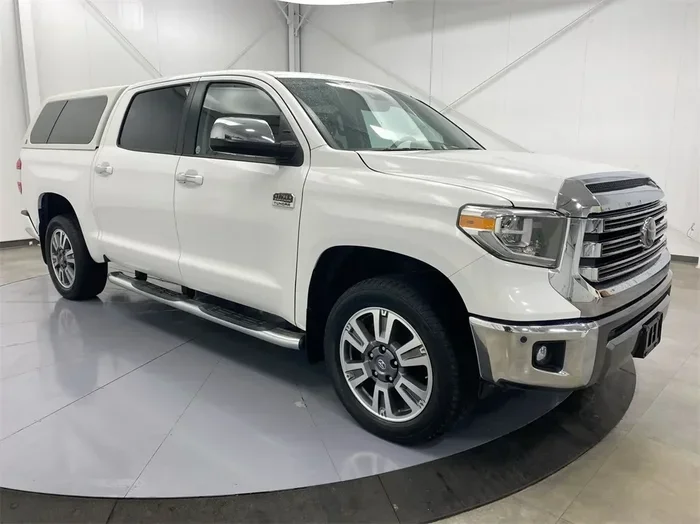
Are Used Tundras Good Trucks Worth Your Consideration
Used Tundras are among the most dependable full-size pickups on the used market today. With strong frames, powerful engines, and excellent towing ability, these trucks hold up incredibly well over time. However, buyers should watch for common issues like transmission wear and rust before making a purchase. This guide covers everything you need to know about buying a used Toyota Tundra.
So you are thinking about buying a used Toyota Tundra. Maybe you saw one at a dealership, or maybe a friend won’t stop talking about how reliable their truck is. Either way, you are probably wondering the same thing most buyers ask: are used Tundras actually good trucks?
The short answer is yes. Used Tundras are some of the strongest, most dependable full-size pickups you can buy today. They are built tough, they last a long time, and they can handle serious work loads. But like any used truck purchase, there are things you need to know before you sign on the dotted line.
In this guide, we will walk you through everything you need to consider. We will talk about reliability, common problems, trim levels, towing capacity, and whether a used Tundra actually makes sense for your budget and lifestyle. By the end, you will have a clear picture of what to expect.
Let us dive in and break down what makes these trucks tick, and whether they are the right choice for you.
Key Takeaways
- Strong Reliability: Used Tundras are known for lasting well beyond 200,000 miles with proper care.
- Excellent Towing Capacity: Most models can tow between 8,000 and 10,500 pounds depending on the year and trim.
- Good Resale Value: Toyota Tundras hold their value better than most competitors in the full-size pickup segment.
- Watch for Common Problems: Transmission issues and rust are the two most common concerns for older models.
- Wide Trim Selection: Used Tundras come in many trims, from budget-friendly SR5 to luxury Platinum models.
- Affordable Maintenance: Routine maintenance costs are reasonable, though parts can be pricier than domestic brands.
- Great for Work and Play: Whether you need a work truck or a family hauler, used Tundras deliver on both fronts.
📑 Table of Contents
- Why Used Tundras Have Such a Strong Reputation
- Common Used Tundra Years and What to Look For
- Used Tundra Reliability: What the Data Shows
- Used Tundra Trim Levels and What They Offer
- Towing and Hauling: How Does a Used Tundra Perform?
- Common Problems With Used Tundras
- Used Tundra vs. Competitors: How Does It Stack Up?
- Are Used Tundras Good for Your Needs? Final Thoughts
Why Used Tundras Have Such a Strong Reputation
Toyota has built a name for itself by making trucks that just keep going. The Tundra has been around since 2000, and over two decades later, it still ranks near the top of reliability lists. But what exactly gives the Tundra such a strong reputation among truck buyers?
Built with a Heavy-Duty Frame
One of the biggest reasons used Tundras hold up so well is the full-length frame. Toyota uses a boxed steel frame that resists bending and twisting under heavy loads. This frame design helps the truck handle towing, hauling, and rough roads without falling apart. Many owners report frames that remain solid well past the 200,000-mile mark.
Proven Engine Options
The Tundra has been powered by a few different engines over the years. The most common is the 5.7-liter V8, which produces around 381 horsepower and 401 pound-feet of torque. This engine is known for being durable and relatively simple. It does not have a lot of complex electronics that can fail. The 4.7-liter V8 and the newer 4.6-liter V8 are also solid options, though they offer less power than the 5.7.
Simple, Service-Friendly Design
Toyota kept the Tundra design fairly straightforward. There are fewer complicated systems to break compared to some competitors. This means mechanics can fix issues faster, and parts are easier to find. For DIYers, the Tundra is also relatively easy to work on at home with basic tools.
Common Used Tundra Years and What to Look For
Not all model years are created equal. Some years of the Tundra have known issues, while others are nearly bulletproof. Here is a breakdown of what to look for in different generations.
First Generation (2000-2006)
The first-generation Tundras are some of the most affordable used options available. They are simple trucks with straightforward mechanics. However, they do have a few known issues to watch for:
- Transmission wear: The 4-speed automatic in early models can start to slip around 150,000 miles.
- Rust on the frame: In northern states, rust can become a serious problem on the frame and suspension components.
- Ball joint wear: The front suspension ball joints tend to wear out earlier than expected in some models.
Second Generation (2007-2021)
The second generation brought significant improvements. The 5.7-liter V8 was introduced, and the transmission was upgraded. These Tundras are widely considered the sweet spot for used truck buyers. Here are the highlights:
- Stronger transmission: The 6-speed automatic is more durable and smoother than the older 4-speed.
- Better fuel economy: The updated engine design improved gas mileage slightly, though Tundras are still thirsty trucks.
- Improved interior: Comfort and features got a big upgrade, making these trucks more livable for daily driving.
Third Generation (2022-Present)
The newest Tundras are just starting to appear on the used market now. They come with a twin-turbo V6 engine and a 10-speed automatic transmission. These trucks are more modern and refined, but they are also more expensive. If you can find a low-mileage 2022 or 2023 model, it could be an excellent choice.
Used Tundra Reliability: What the Data Shows
Reliability is the number one reason most people buy a used Tundra. And the data backs up this reputation. Let us look at what the numbers say.
Toyota Reliability Ratings
Toyota consistently ranks at or near the top of reliability surveys from sources like Consumer Reports and J.D. Power. The Tundra specifically scores well for powertrain durability and long-term dependability. Many Tundra owners report fewer visits to the shop compared to owners of domestic full-size trucks.
Real-World Owner Reports
On forums and owner communities, Tundra owners regularly share stories of their trucks surpassing 300,000 miles with only routine maintenance. These are not rare cases. They are common stories. This kind of longevity is what sets used Tundras apart from many competitors.
Maintenance Costs Over Time
Routine maintenance on a Tundra is fairly affordable. Oil changes, brake pads, and filters cost about the same as other full-size trucks. However, some repairs can be pricier than on domestic brands like Ford or Chevrolet. Toyota parts tend to cost more, but they also last longer, which balances out the cost over time.
Quick Tip: Always get a pre-purchase inspection from a trusted mechanic before buying any used truck. This single step can save you thousands of dollars in unexpected repairs.
Used Tundra Trim Levels and What They Offer
One of the great things about the Tundra is the wide range of trim levels available. Whether you need a basic work truck or a luxury hauler, there is a used Tundra for you. Here is a breakdown of the most common trims you will find on the used market.
SR and SR5
The SR and SR5 trims are the entry-level Tundras. They come with the essentials: a solid cab, a good bed, and the base engine. These are great trucks for buyers who want reliability without spending a lot of money. You will find plenty of work-ready SR5 models at reasonable prices.
Limited
The Limited trim adds comfort features like leather seats, upgraded audio, and better noise insulation. If you plan to use your Tundra as a daily driver or family truck, the Limited is a popular choice. It offers a nice balance between work capability and everyday comfort.
Platinum and 1794 Edition
These are the luxury trims. The Platinum offers premium leather, wood trim, and advanced tech features. The 1794 Edition is named after Toyota’s origin ranch and comes with even more upscale materials. These trims cost more but hold their value exceptionally well on the used market.
TRD Pro
The TRD Pro trim is built for off-road performance. It comes with upgraded suspension, skid plates, all-terrain tires, and special styling. If you plan to take your Tundra off the beaten path, the TRD Pro is the trim to look for.
Towing and Hauling: How Does a Used Tundra Perform?
One of the main reasons people buy full-size trucks is towing. And the Tundra does not disappoint in this area.
Towing Capacity by Engine
The towing capacity of a used Tundra depends on the engine, axle ratio, and configuration. Here is a general breakdown:
- 4.7-liter V8: Up to 8,000 pounds towing capacity.
- 4.6-liter V8: Up to 9,000 pounds towing capacity.
- 5.7-liter V8: Up to 10,500 pounds towing capacity.
With the proper setup, a used Tundra can pull travel trailers, boats, horse trailers, and even small equipment trailers with ease.
Payload Capacity
Payload capacity refers to how much weight the truck can carry in the bed and cabin combined. Most Tundra models offer payload capacities between 1,500 and 2,000 pounds. This is plenty for construction materials, furniture moves, or hauling gear for outdoor adventures.
Real-World Towing Tips
If you plan to tow with a used Tundra, here are a few practical tips:
- Check the axle ratio: A higher axle ratio (like 4.10) improves towing performance but may reduce fuel economy.
- Install a transmission cooler: This helps the transmission handle the extra heat from towing, especially in older models.
- Use the right hitch: Make sure you have the correct hitch class for your trailer weight. A weight distribution hitch can make a big difference for heavier loads.
- Test before you buy: If possible, test the truck with a load to see how it handles.
Common Problems With Used Tundras
No truck is perfect, and used Tundras are no exception. Knowing the common problems helps you avoid costly surprises. Here are the issues to watch for most carefully.
Transmission Issues
The most commonly reported problem with older Tundras is transmission wear. The 4-speed automatic in first-generation models is known to develop slipping or harsh shifting around 150,000 to 200,000 miles. The 6-speed automatic in second-generation models is much better but can still develop issues at higher mileages. If you are buying a high-mileage Tundra, have the transmission inspected carefully.
Rust and Corrosion
Rust is a major concern for used Tundras, especially in cold-weather states where road salt is used. The frame, rocker panels, and bed corners are the most vulnerable areas. Always inspect the undercarriage for rust before purchasing. Surface rust can be treated, but frame rust can be dangerous and expensive to repair.
Ball Joint and Suspension Wear
The front suspension ball joints on older Tundras can wear out prematurely. Symptoms include clunking noises over bumps, uneven tire wear, and steering wander. Replacing ball joints is not overly expensive, but it is an important maintenance item to stay on top of.
Fuel Consumption
Let us be honest. Tundras are not fuel-efficient trucks. Even the newer models only get around 16 to 20 miles per gallon combined. Older models with the 4.7 or 5.7-liter engines may get even less. If you plan to drive long distances daily, factor in the fuel cost before buying.
Used Tundra vs. Competitors: How Does It Stack Up?
When shopping for a used full-size pickup, you will also see Ford F-150s, Chevrolet Silverados, and GMC Sierras. Here is how the Tundra compares to these popular alternatives.
Tundra vs. F-150
The Ford F-150 is the best-selling truck in America for a reason. It offers more engine options, including turbocharged V6 and hybrid powertrains. The F-150 also tends to have slightly better fuel economy. However, the Tundra often wins on long-term reliability and durability. Both are excellent choices, but the Tundra is the better pick if reliability is your top priority.
Tundra vs. Silverado
The Chevrolet Silverado is a strong competitor in the used truck market. It offers a smooth ride and good towing capacity. However, Silverados tend to have more electrical issues as they age compared to Tundras. The Tundra’s simpler design gives it an edge in long-term dependability.
Tundra vs. Ram 1500
The Ram 1500 is known for its comfortable ride and luxury interior. It is a great truck for daily driving. But the Ram has had more reliability issues than the Tundra over the long term. If you want a truck that will keep running with minimal problems, the Tundra is the stronger choice.
| Feature | Used Tundra | Used F-150 | Used Silverado | Used Ram 1500 |
|---|---|---|---|---|
| Reliability Rating | Excellent | Very Good | Good | Good |
| Towing Capacity | Up to 10,500 lbs | Up to 13,500 lbs | Up to 13,400 lbs | Up to 12,750 lbs |
| Fuel Economy (Combined) | 15-20 MPG | 16-22 MPG | 15-20 MPG | 15-20 MPG |
| Long-Term Durability | Excellent | Very Good | Good | Good |
| Maintenance Cost | Moderate | Moderate | Moderate | Moderate-High |
| Resale Value | Excellent | Good | Good | Fair |
Are Used Tundras Good for Your Needs? Final Thoughts
So, are used Tundras good trucks? The answer is a clear yes for most buyers. They offer outstanding reliability, strong towing capability, and excellent long-term value. Whether you need a truck for work, play, or both, a used Tundra can serve you well for many years.
The key is to do your homework before buying. Check the model year, inspect for rust and transmission wear, and get a pre-purchase inspection. Choose a trim level that fits your needs and budget. And be prepared for the fuel costs that come with a full-size V8 truck.
If you take care of a used Tundra, it will take care of you. These trucks are built to last, and they reward owners who maintain them properly. Few vehicles on the road today can match the longevity and dependability of a well-cared-for Toyota Tundra.
Before you make your final decision, take the time to test drive multiple models. Compare prices in your local market. And trust your instincts. If something feels off about a particular truck, walk away. There are plenty of used Tundras out there, and the right one is waiting for you.
In the end, buying a used Tundra is a smart move for anyone who values reliability, capability, and long-term ownership satisfaction. You simply cannot go wrong with one of these trucks.
Frequently Asked Questions
What is the best year for a used Toyota Tundra?
The 2007 to 2021 model years are widely considered the best used Tundras. They feature the stronger 6-speed transmission and the reliable 5.7-liter V8 engine. These years also have fewer reported problems compared to the first generation.
How many miles can a used Tundra last?
A well-maintained used Tundra can easily last 250,000 to 300,000 miles or more. Many owners report surpassing 300,000 miles with only routine maintenance. The key is regular oil changes, timely repairs, and keeping up with scheduled service.
Are used Tundras expensive to maintain?
Routine maintenance costs are moderate and comparable to other full-size trucks. However, Toyota parts tend to cost slightly more than domestic brand parts. Overall, the Tundra’s reliability means fewer major repairs, which helps keep long-term costs lower.
Can a used Tundra tow a travel trailer?
Yes, most used Tundras can tow travel trailers with ease. The 5.7-liter V8 models can tow up to 10,500 pounds when properly equipped. Always check the specific towing capacity for the model year and configuration you are considering.
Is a used Tundra a good daily driver?
A used Tundra can be a great daily driver if you are comfortable with a larger truck. The ride is comfortable, the cabin is spacious, and the reliability is excellent. Just keep in mind that fuel costs will be higher than a smaller vehicle.
What should I check before buying a used Tundra?
Always inspect the frame for rust, check the transmission for smooth shifting, and look at the suspension for wear. Get a vehicle history report, verify the maintenance records, and have a trusted mechanic perform a pre-purchase inspection. These steps will help you avoid costly surprises.


