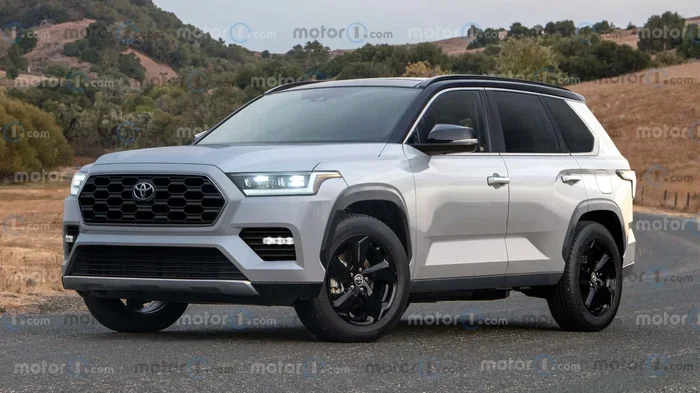
Does a Toyota RAV4 Hold Value Better Than You Think
The Toyota RAV4 is one of the most reliable SUVs on the road, and it holds its value remarkably well. With strong resale numbers, low maintenance costs, and high consumer demand, the RAV4 consistently outperforms many competitors in the used SUV market. Whether you buy new or used, this vehicle proves that Toyota value retention is no accident.
Key Takeaways
- Strong Resale Value: The Toyota RAV4 retains roughly 50-60% of its value after five years, which is above average for compact SUVs.
- Reliability Drives Demand: Toyota’s reputation for durability keeps used RAV4s in high demand on the resale market.
- Hybrid Models Hold Extra Value: RAV4 Hybrid and Prime trims tend to depreciate slower than gas-only versions.
- Low Ownership Costs Add Value: Affordable maintenance and repairs mean the total cost of ownership stays low, boosting long-term value.
- Utility Features Matter: Features like towing capability and roof rack compatibility make the RAV4 more versatile and desirable on the used market.
- AWD Versions Sell Faster: All-wheel drive RAV4 models tend to hold value better in colder climates and rougher markets.
📑 Table of Contents
- Does a Toyota RAV4 Hold Value? The Surprising Truth
- Why the Toyota RAV4 Holds Its Value So Well
- How Much Value Does a Toyota RAV4 Actually Lose?
- What Makes the RAV4 More Valuable Than Other Compact SUVs?
- How the RAV4 Compares to Competitors
- Tips to Maximize Your Toyota RAV4’s Value
- The Long-Term Ownership Experience
- Is the Toyota RAV4 the Right Choice for You?
- Final Thoughts
Does a Toyota RAV4 Hold Value? The Surprising Truth
When you buy a car, one thing you might not think about enough is how much it will be worth a few years down the road. Depreciation hits almost every vehicle hard in the first few years. But some cars fight that trend better than others. The Toyota RAV4 is one of those rare vehicles that actually holds its value surprisingly well.
So, does a Toyota RAV4 hold value better than you think? The short answer is yes. And the reasons behind it are pretty straightforward. From its rock-solid reliability to its strong demand in the used car market, the RAV4 has built a reputation that keeps its resale numbers looking good year after year. Let us break down exactly why this happens and what it means for you as a buyer or seller.
Whether you are shopping for a new RAV4 or browsing used listings, understanding Toyota RAV4 resale value can save you thousands of dollars. This guide covers everything you need to know about how the RAV4 performs on the value front, what factors influence its depreciation, and how it stacks up against the competition.
Why the Toyota RAV4 Holds Its Value So Well
The RAV4 has been a bestseller for Toyota for decades. That kind of popularity does not happen by accident. Several key factors work together to make sure this SUV keeps a strong grip on its value over time.
Reliability That Speaks for Itself
Toyota builds cars that last. This is not a secret. The RAV4 consistently ranks near the top of reliability surveys from sources like Consumer Reports and J.D. Power. When a car has a reputation for not breaking down, people are willing to pay more for it on the used market. That directly boosts RAV4 retained value.
Think about it this way. If you are buying a used SUV, would you rather pick one with a history of expensive repairs or one with a track record of just working? The answer is obvious. And that is exactly why the RAV4 holds its value so strongly.
High Demand in the Used SUV Market
Demand plays a huge role in how well a car holds value. The RAV4 is one of the most searched-for SUVs on used car platforms. Buyers trust the Toyota name, and they know the RAV4 delivers. This constant demand creates a healthy resale market where prices stay strong.
Compare this to some other compact SUVs that lose value quickly because fewer people want them. The RAV4 just keeps selling. That steady demand cycle means you lose less money when you decide to trade in or sell your vehicle.
How Much Value Does a Toyota RAV4 Actually Lose?
Let us get into the numbers. Understanding depreciation helps you make a smarter buying decision. Nobody wants to watch their car lose value, but knowing what to expect makes the whole process less painful.
Depreciation Over Time
On average, a new Toyota RAV4 loses about 15% of its value in the first year. By year five, it has lost roughly 40-50% of its original price. That sounds like a lot, but compared to the industry average of 50-60% depreciation at the five-year mark, the RAV4 actually does quite well.
Here is a simple breakdown of what that looks like:
- Year 1: Roughly 15% depreciation
- Year 3: Approximately 30-35% depreciation
- Year 5: Around 40-50% depreciation
- Year 10: Approximately 60-65% depreciation
These numbers vary based on trim level, condition, mileage, and whether you choose the gas, hybrid, or Prime plug-in version. But the overall trend is clear: the RAV4 depreciates slower than most vehicles in its class.
Gas vs Hybrid vs Prime: Which Holds Value Best?
The RAV4 comes in three main powertrain options, and they each have different value retention stories. The standard gas RAV4 holds value very well already. But the RAV4 Hybrid and RAV4 Prime tend to hold even more value over time.
The hybrid versions appeal to buyers who want better fuel economy without sacrificing performance. The Prime plug-in hybrid adds even more appeal with its electric-only driving mode. These extra features make the hybrid and Prime trims more desirable on the used market, which slows their depreciation.
What Makes the RAV4 More Valuable Than Other Compact SUVs?
The RAV4 does not just hold value because of the Toyota brand name. There are real, tangible reasons why buyers keep coming back to this vehicle. Let us look at what sets it apart.
Utility and Versatility
The RAV4 is not just a pretty face. It is a genuinely useful vehicle. It offers solid towing capacity, which makes it great for hauling small trailers, bikes, or camping gear. If you have ever wondered whether you can pull a trailer with a RAV4, the answer is yes, and that capability adds real value for outdoor enthusiasts and DIYers alike.
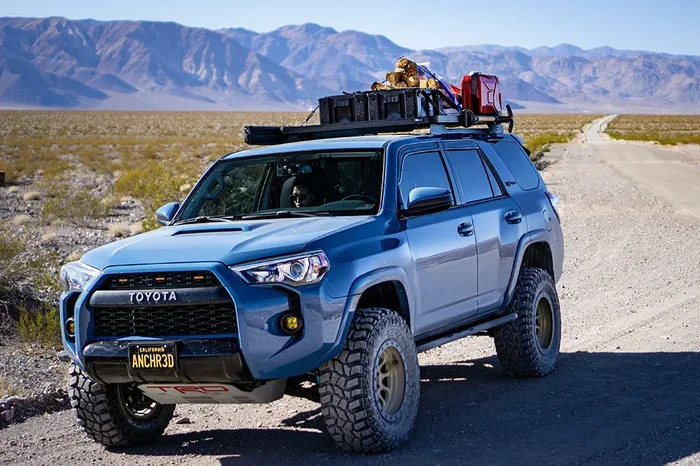
The RAV4 also offers roof rack compatibility, which means you can easily carry extra gear on top of the vehicle. Whether you are hauling skis, luggage, or a roof box, this feature makes the RAV4 more practical than many competitors. The ability to install a roof rack on a RAV4 is a big selling point for families and adventure seekers.
These utility features give the RAV4 an edge over smaller crossovers that cannot handle the same kind of workload. More capability means more buyers want it, and more demand means better value retention.
Low Cost of Ownership
Here is something that does not get talked about enough. The RAV4 is cheap to own. Routine maintenance costs are low. Parts are widely available and affordable. Toyota dealerships and independent shops alike are familiar with these vehicles, which keeps repair costs down.
When you factor in lower insurance premiums, affordable maintenance, and strong fuel economy, the total cost of ownership stays very reasonable. A car that costs less to own over time naturally holds more value. Buyers looking at used RAV4s know they are getting a vehicle that will not drain their wallet with constant repairs.
How the RAV4 Compares to Competitors
The RAV4 does not exist in a vacuum. It competes with several other popular compact SUVs. Let us see how it holds up against the rest.
RAV4 vs Honda CR-V
The Honda CR-V is the RAV4’s biggest rival. Both vehicles offer reliability, practicality, and strong resale numbers. In head-to-head comparisons, the RAV4 and CR-V are close, but the RAV4 often edges ahead in long-term value retention. The CR-V holds value well too, but the RAV4’s hybrid options and slightly stronger towing capability give it a small advantage.
RAV4 vs Ford Escape
The Ford Escape is a solid SUV, but it has not always matched the RAV4 when it comes to holding value. Ford vehicles tend to depreciate a bit faster than Toyotas in the compact SUV segment. The Escape has improved in recent years, but the RAV4 still maintains a slight edge in the used market.
RAV4 vs Hyundai Tucson
The Hyundai Tucson offers a lot of features for the price, which makes it attractive to new car buyers. But when it comes to used SUV value, the Tucson tends to lose value faster than the RAV4. The Toyota brand carries more long-term trust, which shows up in resale numbers.
Tips to Maximize Your Toyota RAV4’s Value
If you own a RAV4 or are planning to buy one, there are steps you can take to make sure it holds as much value as possible. These tips are simple but effective.
Keep Up with Regular Maintenance
Follow the recommended service schedule. Change the oil on time. Keep your maintenance records organized. A well-documented service history makes a huge difference when it is time to sell. Buyers trust vehicles that have been cared for properly.
Avoid Excessive Modifications
Custom wheels, loud exhausts, and heavy body modifications can turn off potential buyers. Stick with factory options or mild upgrades that add function without compromising the vehicle’s appeal. If you need extra cargo space, consider adding a hitch to your Toyota RAV4 for a tow package. It is a practical upgrade that actually boosts value.
Keep Mileage Reasonable
High mileage hurts any vehicle’s resale value. But the RAV4 is built to last, so even a RAV4 with 100,000 miles can still hold strong value. If you can keep annual mileage under 10,000-12,000 miles, you will preserve more of the vehicle’s worth over time.
Protect the Exterior and Interior
Use a sunshade when parked. Wash and wax regularly. Address small dents and scratches quickly. A clean, well-maintained interior and exterior make a massive difference in how buyers perceive the vehicle’s condition. First impressions matter a lot in the used car market.
The Long-Term Ownership Experience
One of the biggest reasons the RAV4 holds value is that it lasts. Toyota vehicles are known for crossing the 200,000-mile mark with proper care. When a car can go that distance, it becomes an even better deal on the used market. Buyers see a RAV4 with 150,000 miles and recognize that they are getting a vehicle with plenty of life left in it.
If you are wondering whether it is worth keeping a RAV4 past the 100,000-mile mark, the answer is almost always yes. The vehicle’s durability and low repair costs make long-term ownership a smart financial choice. To learn more about what to expect with high-mileage Toyotas, check out our article on whether it is worth keeping a car after 100K miles.
The RAV4 also benefits from Toyota’s strong dealer network and widespread parts availability. No matter where you live, finding a mechanic who knows the RAV4 is easy. That convenience factor adds to the vehicle’s overall value proposition.
Is the Toyota RAV4 the Right Choice for You?
At the end of the day, the Toyota RAV4 offers one of the best value retention stories in the compact SUV segment. It combines reliability, practicality, strong demand, and low ownership costs into one package that keeps its worth over time.
If you are buying new, you can feel confident that your RAV4 will lose value more slowly than most competitors. If you are buying used, you are getting a vehicle that still has plenty of life and will be easy to sell when you are ready for something new.
The Toyota RAV4 is not just a popular SUV. It is a smart financial choice that rewards you with strong value retention year after year. That is something not every vehicle can say.
Final Thoughts
So, does a Toyota RAV4 hold value better than you think? Absolutely. The combination of Toyota reliability, strong market demand, low ownership costs, and practical utility features makes the RAV4 one of the best vehicles for retaining value in the compact SUV class.
Whether you are looking at the gas, hybrid, or Prime version, you are making a choice that will serve you well both on the road and at resale time. The RAV4 proves that you do not have to sacrifice practicality or break the bank to own a vehicle that holds its worth. It is one of the smartest purchases you can make in the SUV segment, and that is a fact backed by years of strong resale performance.
Frequently Asked Questions
How much does a Toyota RAV4 depreciate in the first year?
A new Toyota RAV4 typically loses about 15% of its value in the first year. This is below the industry average, which makes the RAV4 a strong choice if you want to minimize early depreciation losses.
Does the RAV4 Hybrid hold value better than the gas version?
Yes, the RAV4 Hybrid tends to hold value slightly better than the gas-only version. The hybrid powertrain appeals to buyers looking for better fuel economy, which increases demand in the used market and slows depreciation.
What is the Toyota RAV4 resale value after 5 years?
After five years, a Toyota RAV4 typically retains about 50-60% of its original value. This is above average for compact SUVs and reflects the vehicle’s strong reliability and high consumer demand.
Are used Toyota RAV4s in high demand?
Yes, used Toyota RAV4s are consistently in high demand. The vehicle’s reputation for reliability and practicality makes it one of the most sought-after used SUVs on the market.
Does the RAV4’s AWD system help it hold value?
Yes, all-wheel drive RAV4 models tend to hold value better, especially in regions with cold weather or rough road conditions. AWD adds practical value that buyers are willing to pay for on the used market.
Is the Toyota RAV4 cheaper to maintain than other compact SUVs?
Generally, yes. Toyota vehicles have lower routine maintenance costs and affordable parts availability. This reduces the total cost of ownership, which contributes to the RAV4’s strong long-term value retention.