Does My Auto Insurance Cover a Rental Car for You
Does my auto insurance cover a rental car? The short answer is: it depends on your policy. Most standard auto insurance policies include some form of rental car coverage, but the details vary widely. Liability coverage typically pays for a rental when you are not at fault, while collision and comprehensive coverage may apply depending on your policy. Understanding your auto insurance policy before you need a rental can save you time, money, and stress. This guide breaks down everything you need to know about rental car coverage in plain, simple terms.
You just got into a fender bender. Your car is in the shop. Now you need a way to get to work, pick up the kids, and handle daily life. The first question that pops into your head is simple: does my auto insurance cover a rental car? It is a great question, and one that a lot of drivers ask after an accident or a breakdown.
The truth is, there is no one-size-fits-all answer. Your auto insurance policy might cover a rental car fully, partially, or not at all. It all comes down to the type of coverage you have, who was at fault, and what your insurance company allows. In this article, we will walk through every scenario so you know exactly what to expect. We will also look at when you might not need rental coverage at all and how to avoid paying for something you already own.
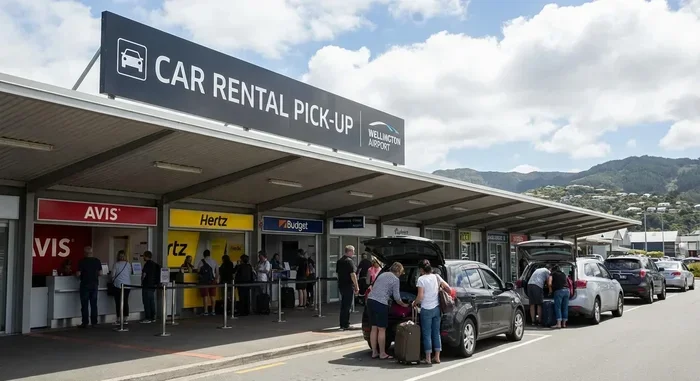
Let us start with the basics. A rental car is a temporary vehicle you borrow while your own car is being repaired or replaced. Most people rent from companies like Enterprise, Hertz, or Avis. These companies charge a daily rate, and that cost can add up fast. This is where your auto insurance policy can step in to help. But it does not always work the way you might think.
Key Takeaways
- Rental coverage depends on your policy type: Liability, collision, and comprehensive coverage each play different roles.
- You may not need rental car insurance if your personal auto policy already includes rental reimbursement.
- Credit cards often offer secondary rental coverage that can supplement your auto insurance.
- Fault matters a lot: If the other driver caused the accident, their insurance should cover your rental.
- Always check your policy declaration page to understand your exact coverage limits before renting.
- Rental car companies sell their own insurance at the counter, but you may already be covered.
📑 Table of Contents
- How Auto Insurance Covers Rental Cars
- When You Do Not Need Rental Car Insurance
- Types of Rental Car Insurance Offered by Rental Companies
- How to Check If Your Auto Insurance Covers a Rental Car
- Common Mistakes to Avoid
- Expert Tips for Saving Money on Rental Cars
- What Happens If You Do Not Have Rental Coverage
- Frequently Asked Questions
- Conclusion
How Auto Insurance Covers Rental Cars
Understanding how your auto insurance policy handles rental cars starts with knowing the different types of coverage. Each type plays a unique role. Some cover rentals in certain situations, while others do not cover them at all. Let us break this down piece by piece.
Liability Coverage and Rental Cars
Liability coverage is the most basic part of any auto insurance policy. It pays for damage you cause to other people or their property. But what about your rental car? Here is the good news. If another driver causes the accident, their liability coverage should pay for your rental car. You do not need to use your own policy at all.
However, if you are the at-fault driver, your liability coverage does not pay for your rental. It only covers the other person’s losses. This is a common mistake many drivers make. They assume their liability coverage will cover everything. It does not. You need additional coverage to get a rental paid for when you cause an accident.
For example, let us say you rear-end someone at a stoplight. You are at fault. Your liability coverage pays for their car damage and medical bills. But your rental car? That comes out of your pocket unless you have rental reimbursement coverage. This is why understanding your policy matters so much.
Collision and Comprehensive Coverage
Collision and comprehensive coverage protect your own vehicle. Collision covers accidents. Comprehensive covers things like theft, fire, and weather damage. But do these coverages pay for a rental car? The answer is yes, in many cases.
When your car is damaged and you file a claim under collision or comprehensive coverage, your insurance company may provide a rental car. This is often called rental reimbursement or rental car coverage. It is not always automatic, though. You need to check your policy or call your agent to confirm.
Most insurance companies limit rental car payouts to a daily rate. Common limits range from $30 to $50 per day. They may also cap the total number of days. For instance, your policy might cover up to 30 days of rental. But in reality, most car repairs take less than two weeks. So the daily cap is usually not a problem.
Here is an important tip. If your car is totaled, meaning it is beyond repair, your collision or comprehensive coverage will pay out the actual cash value of your vehicle. But rental coverage may not apply in that case. You would need to purchase a new car or arrange your own transportation. Always read the fine print.
Rental Reimbursement Coverage (Add-On)
Some drivers choose to add rental reimbursement coverage to their policy. This is an optional add-on, also called rental car coverage or transportation loss coverage. It is designed specifically to pay for a rental car while your vehicle is being repaired.
This add-on is affordable. Most drivers pay between $5 and $15 per month. For that small cost, you get peace of mind. You know that if your car is in the shop, you will not be stuck without transportation.
Rental reimbursement coverage usually comes with a daily limit and a total limit. For example, your policy might cover $40 per day for up to 30 days. That gives you $1,200 in total rental coverage. For most standard rentals, this is more than enough.
One thing to watch out for is the waiting period. Some policies do not start paying for the rental until 24 to 48 hours after the claim is filed. This gives your insurance company time to assess the damage and approve the claim. Plan ahead if you need a rental right away.
When You Do Not Need Rental Car Insurance
Not every situation requires you to buy rental car insurance from the rental company. In fact, you might already be covered in several common scenarios. Let us look at when you can skip the extra coverage.
When the Other Driver Is at Fault
If another driver causes the accident, their insurance should cover your rental car. This is called a third-party claim. You file a claim with their insurance company, and they arrange a rental for you. This process is called loss of use coverage on their end.
In these cases, you do not need to use your own rental coverage. And you do not need to buy the rental company’s insurance. The other driver’s insurance handles everything. Just make sure you get their insurance information at the scene of the accident.
Sometimes the other driver’s insurance is slow to respond. They might take days or even weeks to approve the rental. In that case, you can use your own rental reimbursement coverage if you have it. This keeps you from being stuck without a car while you wait.
When Your Credit Card Offers Coverage
Many credit cards offer rental car coverage as a perk. If you use your credit card to pay for the rental, you may already be covered. This coverage is usually secondary, meaning it kicks in after your auto insurance pays its share.
Credit card rental coverage varies widely. Some cards cover collision damage waiver (CDW) for free. Others cover theft protection. But most do not cover loss of use, which is the daily rental fee while your car is in the shop.
Before you rely on credit card coverage, call your card issuer and ask the details. Find out exactly what is covered and for how long. Some cards limit coverage to rentals under 15 days. Others exclude certain vehicle types like luxury cars or trucks.
When You Have Non-Owner Insurance
If you do not own a car but frequently rent one, non-owner insurance might be for you. This type of policy provides liability coverage when you drive a vehicle you do not own. It is a great option for people who rent cars regularly.
Non-owner insurance does not typically include rental reimbursement. But it does cover damage you cause to other vehicles and property. If you are in an accident while driving a rental, your non-owner policy handles the liability. The rental company’s insurance covers the rental vehicle itself.
Some drivers wonder, can I drive my parents car without insurance? The answer depends on your situation. If you are listed on their policy or have your own non-owner policy, you are usually covered. But every policy is different. Always check before you get behind the wheel.
Types of Rental Car Insurance Offered by Rental Companies
When you pick up a rental car, the counter agent will offer you several insurance options. These can be confusing, especially when you are already stressed from an accident or breakdown. Let us simplify them.
Collision Damage Waiver (CDW)
CDW is the most common rental car insurance add-on. It covers damage to the rental vehicle. If you crash the car or it gets stolen, CDW pays for the repairs or replacement. You are not liable for the cost.
CDW is not actual insurance. It is a waiver of your financial responsibility. The rental company agrees not to charge you for damage. In return, you pay a daily fee, usually between $10 and $30 per day.
If your personal auto policy includes collision coverage, you may not need CDW. Your own insurance already covers damage to your vehicle, including rental cars in many cases. Check with your insurance company before you agree to CDW at the counter.
Liability Insurance Supplement
Rental companies also offer liability insurance. This covers damage you cause to other vehicles, property, or people while driving the rental. It is similar to the liability coverage on your personal auto policy.
If you have full auto insurance, your liability coverage likely extends to rental cars. You do not need to buy the rental company’s liability supplement. This can save you $10 to $20 per day.
Personal Accident Insurance
This coverage pays for medical expenses if you or your passengers are injured in an accident. It sounds helpful, but most health insurance policies already cover this. You may not need it at all.
Before you buy personal accident insurance from the rental company, check your health insurance. If you have good health coverage, this add-on is likely redundant. Save your money.
Personal Effects Coverage
This covers your belongings inside the rental car if they are stolen or damaged. But your homeowners or renters insurance probably already covers this. Personal effects coverage from rental companies is usually not worth the extra cost.
How to Check If Your Auto Insurance Covers a Rental Car
Now that you know the different types of coverage, let us talk about how to check your own policy. You do not want to find out at the rental counter that you are not covered. That is a stressful and expensive surprise.
Start by reading your policy documents. Look for sections on rental reimbursement, rental car coverage, or transportation loss. If you cannot find it, call your insurance agent. Ask them directly: does my auto insurance cover a rental car? They can give you a clear answer in minutes.
Next, check your policy declaration page. This page summarizes your coverage limits, deductibles, and add-ons. Look for any mention of rental car benefits. If you see rental reimbursement listed, you are covered.
Finally, keep your insurance card and policy documents in your car at all times. If you get into an accident, you will need this information quickly. Having it on hand makes the rental process smoother and faster.
For drivers who frequently rent cars, it helps to understand how much does a car salesman make on a 30k car or similar cost-related questions, because rental costs can add up. Being informed about your coverage is the best way to avoid surprise expenses.
Common Mistakes to Avoid
Many drivers make mistakes when it comes to rental car insurance. These mistakes can cost you money and cause unnecessary stress. Here are the most common ones to avoid.
- Assuming your credit card covers everything. Most credit cards only cover collision damage. They do not cover rental reimbursement or loss of use.
- Buying CDW when your auto policy already covers it. This is double-paying. Check your policy first.
- Not reading the rental contract carefully. The contract spells out your financial responsibility. Read every line.
- Waiting too long to file a claim. Report the accident to your insurance company as soon as possible. Delays can cause problems.
- Thinking liability coverage pays for your rental. It does not. Liability only covers other people’s losses when you are at fault.
Expert Tips for Saving Money on Rental Cars
Rental cars can be expensive, especially when you add insurance on top of the daily rate. Here are some expert tips to help you save money.
First, book your rental in advance. Prices go up as the date approaches. Second, compare rates from multiple rental companies. Enterprise, Hertz, Avis, and Budget all have different pricing. Third, use your credit card benefits. Many cards offer discounts or free CDW coverage. Fourth, avoid renting at the airport. Airport rentals often have higher fees and taxes.
Fifth, keep your receipts and document everything. If you need to file a claim, having clear records makes the process much easier. Sixth, consider a roadside assistance membership. Services like AAA can arrange rentals for you in many cases, often at better rates than you would get on your own.
Also, if you are wondering does it matter where I get my oil changed, the same principle applies to rentals. Shop around for the best options. Do not just accept the first offer you get.
What Happens If You Do Not Have Rental Coverage
If your auto insurance policy does not include rental reimbursement and you do not have it as an add-on, you will need to pay for the rental yourself. This can be a significant expense. A standard rental car costs between $30 and $100 per day, depending on the vehicle type and location.
For a two-week repair, you could be looking at $400 to $1,400 out of your own pocket. That is a steep price for most families. This is exactly why rental reimbursement coverage is such a valuable add-on. The small monthly cost can save you hundreds of dollars in the long run.
If you cannot afford a rental out of pocket, consider alternatives. Use public transportation, borrow a car from a friend or family member, or use rideshare services like Uber or Lyft. These options can bridge the gap while your car is being repaired.
Some insurance companies offer transportation allowances instead of rental cars. This is a flat daily payment you can use for any transportation need. It is usually less than the cost of a rental car, but it gives you flexibility. Ask your insurance company if this option is available.
Frequently Asked Questions
Does my auto insurance cover a rental car if I am not at fault?
Yes, in most cases. If the other driver is at fault, their liability coverage should pay for your rental car. You do not need to use your own rental coverage. However, if their insurance is slow to respond, your own rental reimbursement coverage can step in to help.
How long does rental car coverage last?
Most rental reimbursement policies cover rentals for a set number of days, usually between 15 and 30 days. The daily rate is also capped, often between $30 and $50 per day. Check your policy for exact limits.
Do I need to buy insurance from the rental company?
Not necessarily. If your personal auto insurance includes collision, comprehensive, and liability coverage, you are likely already covered. Buying the rental company’s insurance on top of that means you are paying twice. Always check your policy first.
Can I use my credit card for rental car coverage?
Many credit cards offer rental car coverage, but it is usually secondary to your auto insurance. It may cover collision damage but not rental reimbursement or loss of use. Call your credit card company to understand the details before you rely on it.
What if my car is totaled and I need a rental?
If your car is totaled, rental coverage may not apply. Totaled cars are beyond repair, and rental reimbursement is designed for vehicles that are being repaired. You may need to arrange your own transportation or use savings until you purchase a new car.
Does my insurance cover a rental if I am traveling out of state?
Yes, your auto insurance generally follows you across state lines. Your rental coverage should apply whether you are in your home state or traveling. However, coverage limits and rules remain the same as they would be at home.
Conclusion
The answer to the question does my auto insurance cover a rental car comes down to your specific policy and the situation at hand. Most drivers with comprehensive auto insurance already have some form of rental coverage, whether through liability, collision, or rental reimbursement add-ons. The key is to know your policy before you need it.
Take the time to review your insurance documents. Call your agent if you have questions. Understanding your coverage can save you hundreds of dollars and a lot of headaches. Whether you are dealing with a fender bender, a breakdown, or just planning a road trip, knowing your rental car coverage gives you confidence and peace of mind.
Stay informed, stay prepared, and never assume. Your auto insurance policy is a powerful tool, but only if you know how to use it. Next time you need a rental car, you will be ready.