Does My BMW Have a Tracking Device You Should Know
Most modern BMW vehicles come equipped with built-in tracking technology through BMW ConnectedDrive and GPS systems. These features help owners locate their cars, enhance security, and access remote services. However, many BMW drivers don’t realize their vehicle may be transmitting location data at all times. Understanding what tracking is active and how to manage it is essential for every BMW owner who values privacy and control.
Have you ever wondered whether your BMW knows where you are at all times? The answer might surprise you. Most modern BMW vehicles come with some form of built-in tracking technology that many owners never fully explore. Whether you bought your BMW new or used, there’s a good chance your car has a GPS system running behind the scenes. Understanding what tracking features exist in your vehicle is more important than most people realize.
BMW has integrated advanced telematics and vehicle tracking into its lineup for years now. These systems serve many purposes, from helping you find your car in a crowded parking lot to assisting emergency services after an accident. But with these features come questions about privacy, data collection, and personal security. This guide breaks down everything you need to know about BMW tracking devices and what it means for you as an owner.
Let’s walk through how BMW tracking works, which models have it, what data gets collected, and what you can do about it. By the end, you’ll have a clear picture of your vehicle’s tracking capabilities and how to manage them effectively.
Key Takeaways
- Built-In Tracking Is Standard: Most newer BMW models include GPS tracking through BMW ConnectedDrive services.
- You Can Turn It Off: BMW owners have options to disable or limit tracking features in their vehicle settings.
- Aftermarket Trackers Exist: Some BMW owners install additional GPS devices for extra security or fleet management.
- Privacy Matters: BMW collects location data, and understanding the privacy policy helps you make informed choices.
- Model Matters: Older BMW models may not have built-in tracking, while newer ones offer advanced telematics.
- Law Enforcement Can Access Data: In certain situations, authorities can request BMW tracking information.
- Regular Maintenance Helps: Keeping your BMW’s software updated ensures tracking features work properly when you need them.
📑 Table of Contents
- What Is BMW Vehicle Tracking?
- Which BMW Models Have Built-In Tracking?
- BMW ConnectedDrive Tracking Features
- What Data Does BMW Collect About Your Location?
- How to Check If Your BMW Has a Tracking Device
- Can You Disable BMW Tracking?
- BMW Tracking and Law Enforcement
- Common BMW Tracking Myths Debunked
- Expert Tips for Managing BMW Tracking
- Final Thoughts on BMW Tracking
What Is BMW Vehicle Tracking?
BMW vehicle tracking refers to the technology inside your car that monitors and transmits location data. This system uses GPS satellites and cellular networks to pinpoint where your BMW is at any given moment. It’s not just one single feature — it’s a combination of hardware and software working together.
The core of BMW’s tracking system is called BMW ConnectedDrive. This is a suite of services that connects your vehicle to the internet and BMW’s servers. Through ConnectedDrive, your BMW can send and receive data about its location, driving habits, vehicle health, and more. Think of it as a smart system that keeps your car connected to the digital world.
How Does BMW GPS Tracking Work?
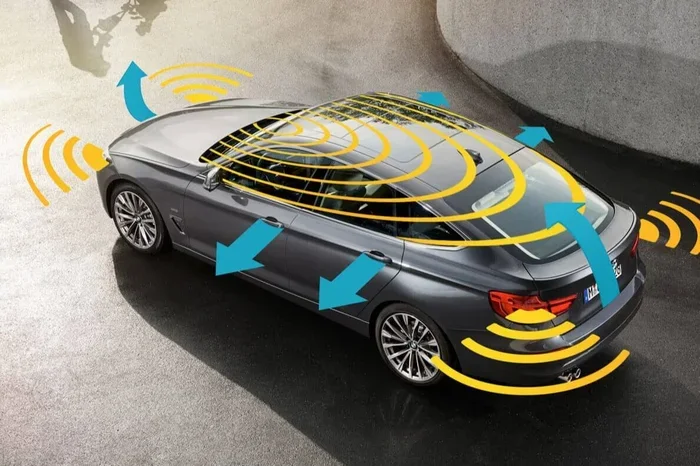
BMW GPS tracking relies on a small receiver inside the vehicle. This receiver picks up signals from satellites orbiting the Earth. The car’s computer uses these signals to calculate its exact position on the map. Then, through the built-in cellular modem, the BMW sends this location data to BMW’s servers or to your smartphone app.
Here’s how the process typically works:
- The GPS receiver inside the BMW picks up satellite signals.
- The vehicle’s computer calculates the current location.
- Data is sent through the cellular network to BMW servers.
- You can access this information through the BMW app or connected services.
This whole process happens in seconds. You might not even notice it’s happening. But rest assured, the BMW tracking system is always active when the vehicle has power and a cellular connection.
Which BMW Models Have Built-In Tracking?
Not every BMW on the road has the same tracking capabilities. The presence of a tracking device depends largely on the model year and trim level. Let’s look at the general breakdown.
BMW Models with Tracking (2015 and Newer)
Most BMW models produced after 2015 come standard with some form of ConnectedDrive tracking. This includes popular models like the BMW 3 Series, BMW 5 Series, BMW X3, BMW X5, and BMW 7 Series. These vehicles have the necessary hardware — a GPS receiver and a cellular module — built into the car from the factory.
Even if you didn’t pay extra for premium connected services, the basic tracking hardware is usually present. BMW includes it as part of the vehicle’s core electronic architecture. The difference lies in which features are unlocked and available to you.
Older BMW Models (Pre-2015)
If you drive an older BMW, the situation changes. Models before 2015 often lacked factory-installed GPS tracking. Some higher-end trims from the early 2010s offered optional navigation systems with basic location features, but these were not connected to BMW’s servers the way modern systems are.
However, be careful. Some older BMWs may have had aftermarket tracking devices installed by previous owners, dealerships, or fleet operators. If you bought a used BMW, it’s worth checking for any extra devices hidden under the dashboard or in the trunk area.
BMW M Models and High-Performance Variants
BMW M cars and high-performance variants typically include all the tracking features of their standard counterparts. In some cases, these vehicles come with additional telematics for performance tracking. This includes data on lap times, acceleration, and driving dynamics. The BMW tracking system in these models serves both security and performance monitoring purposes.
BMW ConnectedDrive Tracking Features
BMW ConnectedDrive is the gateway to all tracking and remote services. Let’s explore the key features that come with this system.
Remote Vehicle Location
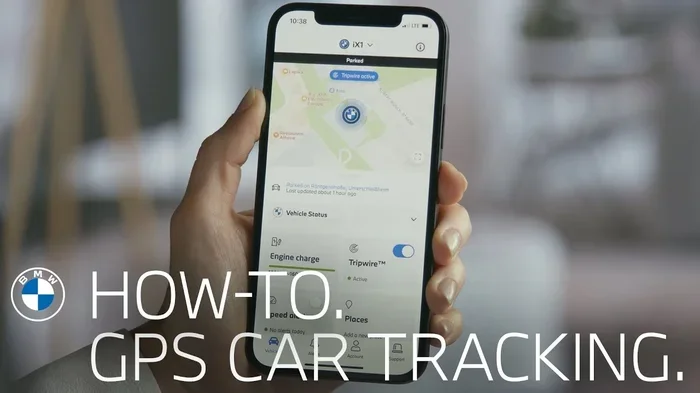
The most basic tracking feature lets you find your BMW on a map using your smartphone. If you parked in a huge lot and forgot where you left it, this feature is a lifesaver. You open the BMW app, and your car’s exact location appears on the screen. Some models even guide you to the spot with turn-by-turn directions.
Stolen Vehicle Recovery
One of the most valuable tracking features is stolen vehicle recovery. If your BMW gets stolen, BMW’s tracking system can help authorities locate the vehicle in real time. The car sends its GPS coordinates to BMW servers, which are then shared with law enforcement. This feature has helped recover thousands of stolen BMWs worldwide.
Vehicle Status and Diagnostics
BMW tracking goes beyond just location. The system also monitors vehicle health and sends diagnostic data to BMW servers. This includes information about engine performance, battery status, tire pressure, and service needs. While this isn’t location tracking per se, it does involve data transmission from your vehicle to BMW’s systems.
Automatic Collision Notification
In the event of a serious accident, BMW’s tracking system can automatically contact emergency services. The system sends the vehicle’s exact GPS location to responders. This feature, called BMW Emergency Call, can save lives by ensuring help arrives faster, especially in remote areas where you might not be able to call for help yourself.
Concierge Services and Navigation
BMW’s concierge services use tracking data to provide personalized assistance. Need a restaurant recommendation near your current location? The concierge system knows where you are and can pull up relevant options. Navigation systems also use real-time GPS data to offer live traffic updates and the fastest routes to your destination.
What Data Does BMW Collect About Your Location?
This is where things get interesting — and a bit complicated. BMW’s tracking system collects more than just your car’s current location. Understanding what data is gathered helps you make informed decisions about your privacy.
Location History
BMW stores a record of where your vehicle has been. This location history includes timestamps and coordinates for each trip. The data is used to improve services like navigation and to provide you with trip summaries in the BMW app. It’s also used for usage-based insurance programs in some regions.
Driving Behavior Data
The tracking system also collects data on how you drive. This includes speed, acceleration patterns, braking habits, and cornering force. BMW uses this data for various purposes, including vehicle diagnostics and safety features. Some owners find this data useful for improving their driving habits, while others consider it an invasion of privacy.
Service and Maintenance Records
BMW links your vehicle’s tracking data to its service schedule. The system tracks mileage, driving conditions, and component wear. This allows BMW dealerships to proactively schedule maintenance and order the right parts before a problem develops. While convenient, it means BMW has a detailed record of your driving patterns over time.
Who Has Access to This Data?
BMW’s privacy policy outlines who can access your tracking data. Generally, the data is used by BMW for service improvement and emergency response. Law enforcement agencies can request access with a valid warrant. Third-party service providers may also receive anonymized data for analytics purposes. As a BMW owner, you have the right to review and manage your data preferences through your BMW account settings.
How to Check If Your BMW Has a Tracking Device
If you’re unsure whether your BMW has tracking capabilities, there are several ways to find out. Let’s walk through the steps you can take right now.
Check Your BMW Model and Year
The easiest first step is to look up your specific BMW model and year. Visit BMW’s official website or consult your owner’s manual. Search for mentions of ConnectedDrive, BMW Telematics, or GPS navigation. If any of these terms appear, your BMW likely has tracking hardware installed.
Look for the BMW Connected App
Do you have the BMW Connected app on your phone? If so, your vehicle almost certainly has tracking capabilities. The app wouldn’t exist without the hardware to support it. Open the app and check for features like remote location, vehicle status, and trip history. These features confirm that tracking is active.
Inspect the Vehicle Physically
You can also look for physical signs of tracking equipment. Check under the dashboard near the steering column. Look in the trunk near the spare tire. Some tracking devices are small black boxes with antennas or wires connected to the vehicle’s electrical system. If you find anything unusual, have a qualified BMW technician inspect it.
Contact Your BMW Dealer
The most definitive way to know is to contact your BMW dealer. Provide them with your vehicle identification number (VIN). They can pull up the exact equipment list for your car and tell you precisely which tracking features are installed. This is especially useful for used BMW purchases where the previous owner’s setup is unknown.
Use a Diagnostic Scanner
BMW-specific diagnostic scanners like INPA or ISTA can read the vehicle’s electronic modules. These tools can reveal whether a GPS receiver and cellular modem are present. If you don’t own a scanner, many independent BMW shops offer diagnostic services for a reasonable fee.
Can You Disable BMW Tracking?
The short answer is yes, but with some important caveats. BMW owners have options to limit or disable certain tracking features. However, completely removing all tracking hardware is difficult and may void warranties.
Options to Limit Tracking
You can manage tracking preferences through the BMW iDrive system or the BMW Connected app. Here are the most common options:
- Disable Location Sharing: Turn off sharing your location with BMW servers through the app settings.
- Turn Off Telematics: In some models, you can deactivate the telematics module entirely.
- Limit Data Collection: Adjust privacy settings to reduce the amount of driving data BMW collects.
- Opt Out of Usage-Based Insurance: If you’re enrolled in a telematics insurance program, you can usually opt out.
Risks of Disabling Tracking
Before you disable any tracking features, consider the trade-offs. Turning off tracking means you lose access to stolen vehicle recovery. You also lose emergency call functionality and remote location services. In some cases, disabling certain modules may trigger warning lights on your dashboard or affect your warranty coverage.
Aftermarket Solutions for Privacy-Conscious Owners
If you want maximum privacy, some owners choose to install signal-blocking devices or remove the cellular modem. However, these modifications come with risks. They may interfere with other BMW systems and could violate local laws. Always consult a qualified technician before making any changes to your vehicle’s electronics.
BMW Tracking and Law Enforcement
The relationship between BMW tracking and law enforcement is an important topic. In emergency situations, BMW has protocols for sharing vehicle location data with authorities. This can help locate stolen vehicles, find missing persons, or respond to threats.
BMW generally requires a valid legal request before releasing tracking data. This includes court orders, warrants, or subpoenas. The company’s privacy policy states that they will challenge overly broad requests. However, in urgent situations involving imminent danger, BMW may share data more quickly.
For the average BMW owner, this means your vehicle’s tracking data is not freely available to anyone. There are legal protections in place, but it’s wise to understand them. Knowing your rights helps you feel more confident about the tracking features in your car.
Common BMW Tracking Myths Debunked
There’s a lot of misinformation floating around about BMW tracking. Let’s clear up some of the most common myths.
Myth 1: BMW Tracks You Even When the Car Is Off
Most BMW tracking systems go into a low-power state when the vehicle is turned off and locked. The car does not continuously broadcast your location in real time. It only transmits data when triggered by an event, such as a theft alert or when you request location through the app.
Myth 2: Dealerships Can Track Your BMW Without Your Knowledge
BMW dealerships have access to diagnostic tools that can read vehicle data, including location in some cases. However, they cannot secretly track your car on an ongoing basis without your consent. Any tracking by a dealer would typically be done for service purposes and logged in your service records.
Myth 3: All BMWs Have the Same Tracking Capabilities
This is simply not true. A base-model BMW 3 Series from 2015 has different tracking features than a BMW X7 with the full ConnectedDrive package. Always check your specific model and equipment list to understand what tracking features your vehicle actually has.
Myth 4: You Can Never Fully Remove BMW Tracking
While factory-installed tracking hardware is difficult to remove completely, you can disable most tracking features through software settings. The hardware may still be present, but it won’t transmit data if you turn off the relevant services and modules.
Expert Tips for Managing BMW Tracking
Want to take control of your BMW’s tracking features? Here are some practical tips from BMW experts and tech enthusiasts.
- Review Your Privacy Settings Monthly: BMW occasionally updates its data collection policies. Check your settings regularly to stay informed.
- Use the BMW App Wisely: The app is convenient but keeps your phone linked to BMW’s servers. Log out when you don’t need it.
- Keep Your Software Updated: BMW releases firmware updates that improve tracking accuracy and add new privacy controls.
- Ask Questions at Service Visits: When you take your BMW in for maintenance, ask what data is being collected and stored.
- Consider a Privacy-Focused Aftermarket Solution: If factory tracking concerns you, aftermarket solutions can give you more granular control over what data leaves your vehicle.
Final Thoughts on BMW Tracking
The question “Does my BMW have a tracking device?” has a clear answer for most modern vehicles: yes. BMW has made tracking technology a standard part of the driving experience. From locating your parked car to helping recover a stolen vehicle, these features offer real benefits. But they also raise important questions about data privacy and personal security.
The good news is that BMW owners have more control than they might think. You can review, adjust, and in many cases disable tracking features to match your comfort level. The key is to stay informed and proactive about your vehicle’s capabilities. Understanding what your BMW tracks and why puts you in the driver’s seat — literally and figuratively.
Whether you drive a brand-new BMW X5 or a used 3 Series from a few years ago, taking a few minutes to explore your tracking settings is time well spent. It’s one of those small steps that can make a big difference in how comfortable you feel behind the wheel and how much control you have over your personal data.
Stay curious, stay informed, and enjoy the ride with confidence. Your BMW is a remarkable machine, and understanding its tracking capabilities helps you get the most out of it while protecting what matters most — your privacy.
Frequently Asked Questions
Can I remove the BMW tracking hardware from my car?
Removing factory-installed tracking hardware is very difficult and not recommended. It can void your warranty, trigger warning lights, and damage other vehicle systems. Instead, you can disable most tracking features through the iDrive system or BMW Connected app settings.
Does BMW track my car when it’s parked and turned off?
BMW vehicles enter a low-power state when parked and locked. They do not continuously broadcast your location in real time. Data is only transmitted when triggered by specific events like theft alerts or when you actively request your car’s location through the app.
Can law enforcement access my BMW’s tracking data without my permission?
BMW generally requires a valid legal request, such as a court order or warrant, before sharing tracking data. In emergency situations involving imminent danger, BMW may share data more quickly. However, routine tracking data is not freely accessible to law enforcement without proper legal authorization.
What BMW models have the most advanced tracking features?
BMW’s higher-end models like the 7 Series, X7, and M series typically offer the most advanced tracking and telematics features. These vehicles come with full ConnectedDrive packages that include real-time location, stolen vehicle recovery, and detailed driving analytics.
How can I check what tracking features my specific BMW has?
The best way is to check your BMW’s iDrive system settings, consult the owner’s manual, or contact your BMW dealer with your VIN. You can also check the BMW Connected app for available features like remote location, trip history, and vehicle status updates.
Is BMW tracking data sold to third parties?
BMW’s privacy policy states that anonymized and aggregated data may be shared with third-party service providers for analytics and improvement purposes. Personally identifiable tracking data is not sold to advertisers or other third parties without your explicit consent or legal requirement.
=== CONCLUSION ===
Understanding whether your BMW has a tracking device is essential for every owner. The answer is clear for most modern BMWs — they do come equipped with tracking technology through BMW ConnectedDrive and GPS systems. These features offer genuine benefits, from stolen vehicle recovery to emergency assistance. At the same time, they raise valid questions about data privacy and personal security.
The good news is that you have more control than you might think. You can review your tracking settings, disable unnecessary features, and stay informed about how your data is used. Taking a proactive approach to managing your BMW’s tracking capabilities ensures you enjoy the technology while protecting your privacy.
Whether you’re a long-time BMW owner or recently purchased a used model, now is the perfect time to explore your vehicle’s tracking features. A few minutes of checking and adjusting can give you peace of mind and a better understanding of your car’s capabilities. Stay informed, stay in control, and drive with confidence knowing you’ve taken charge of your BMW’s tracking technology.