Does Running the Heater Help Cool an Overheated Engine
Yes, running the heater can help cool an overheated engine by drawing heat away from the cooling system and transferring it into the cabin. This simple trick buys you time when your temperature gauge spikes, but it is not a permanent fix. Understanding how your engine cooling system works helps you respond quickly and avoid costly damage.
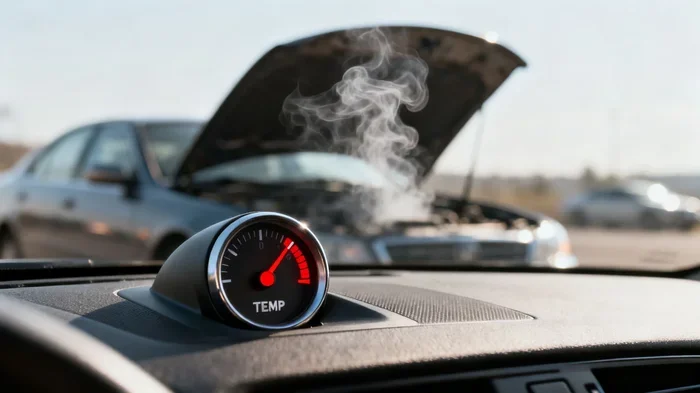
You are driving down the road when suddenly the temperature gauge on your dashboard starts climbing. The needle creeps into the red zone, and your stomach drops. Your first thought might be, does running the heater help cool the engine? The short answer is yes, it can. But understanding why and how this works can save you from a costly repair bill.
Your car’s engine generates an enormous amount of heat while running. The cooling system is designed to keep temperatures in a safe range. When something goes wrong, the engine can overheat quickly. Using the heater is one trick that can help manage the situation temporarily. Let us dive deep into how this works and what you should do when your engine starts running hot.
The heating system in your car is actually part of the cooling system. Many drivers do not realize this connection. The heater core acts as a small radiator inside your dashboard. It uses hot coolant to produce warm air for your cabin. When you turn the heater on full blast, it pulls heat from the coolant and releases it into the car interior. This process helps lower the temperature of the coolant flowing back to the engine.
Key Takeaways
- Yes, the heater works as a secondary heat exchanger: It pulls excess heat from the coolant and releases it into your car’s interior.
- It is a temporary solution: Turning on the heater gives you a short window to pull over safely, but it does not replace proper cooling system maintenance.
- Low coolant is the most common cause of overheating: Regularly checking your coolant level can prevent many overheating issues.
- Other factors matter too: A broken thermostat, faulty water pump, or clogged radiator can all cause your engine to overheat regardless of heater use.
- Know when to stop driving: If the temperature gauge stays in the red even with the heater on, pull over immediately to prevent engine damage.
- Preventive maintenance is key: Routine checks of your cooling system save money and keep your car running smoothly.
📑 Table of Contents
How Your Car’s Cooling System Works
Before we talk about the heater trick, it helps to understand the basics. Your engine cooling system has several important parts working together. Each component plays a role in keeping your engine at the right temperature.
The Radiator
The radiator is the main heat exchanger in your car. It sits at the front of the engine and uses airflow to cool down hot coolant. When you drive, air flows through the radiator fins and carries heat away. The cooled fluid then cycles back through the engine to absorb more heat.
The Thermostat
The thermostat controls the flow of coolant through the engine. It opens and closes based on engine temperature. When the engine is cold, the thermostat stays closed to help it warm up faster. Once the engine reaches the right temperature, the thermostat opens and allows coolant to flow through the radiator. A stuck thermostat is one of the most common reasons for engine overheating.
The Water Pump
The water pump circulates coolant through the engine block and hoses. It works like the heart of the cooling system. Without a functioning water pump, coolant sits still and the engine overheats fast. Signs of a failing water pump include leaks near the front of the engine and whining noises.
The Coolant Itself
Coolant, also called antifreeze, is the fluid that absorbs heat from the engine. It flows through hot engine parts and carries that heat to the radiator. Without enough coolant, the system cannot work properly. Mixing the right type of coolant with water is important for optimal performance.
The Heater Core
The heater core is a small radiator-like unit inside your dashboard. It connects to the coolant system and uses hot fluid to warm the cabin. When you turn on the heat, a fan blows air over the heater core and into the car. This is the same principle that makes running the heater helpful during an overheating event.
Does Running the Heater Help Cool an Overheated Engine
Now let us get to the heart of the question. When your engine starts to overheat, turning on the heater to full blast can pull heat away from the engine. The heater core acts as an additional heat exchanger. It takes some of the thermal load off the radiator and helps bring the coolant temperature down.
This trick works best in the early stages of overheating. If your temperature gauge starts climbing, try these steps:
- Turn the heater to the maximum setting.
- Set the fan to the highest speed.
- Open the windows to let the hot air escape.
- Find a safe place to pull over as soon as possible.
The heater method gives you a few extra minutes to reach a safe spot. It is not a long-term solution, but it can prevent a minor overheat from turning into a major engine failure. Many drivers have used this trick to get to a repair shop without further damage.
Why This Works
When you turn the heater on, you are opening a pathway for hot coolant to flow through the heater core. The blower fan pushes air across the core, and that air absorbs the heat. The coolant returning to the engine is slightly cooler than before. This extra cooling capacity can make a real difference when your engine is running hot.
Think of it like this. Your radiator is the main cooling unit. The heater core is a backup cooling unit. When you need extra help, the heater core steps in to share the workload. It is not as efficient as the radiator, but it is better than nothing.
When the Heater Trick Does Not Work
There are times when turning on the heater will not help. If your cooling system has a major failure, the heater alone cannot fix it. Here are some situations where the heater trick falls short:
- Low coolant level: If there is not enough coolant in the system, the heater core has nothing to work with.
- Broken water pump: Without circulation, coolant does not flow through the heater core at all.
- Clogged radiator: A blocked radiator cannot cool the coolant, and the heater core suffers too.
- Failed thermostat: If the thermostat is stuck closed, coolant cannot reach the radiator or heater core.
- Blown head gasket: This serious issue causes gases to enter the cooling system and disrupts normal operation.
In these cases, you need professional help right away. Continuing to drive with a seriously overheating engine can cause permanent damage. The cost of replacing a blown engine far exceeds the cost of a tow truck.
Common Signs Your Engine Is Overheating
Catching an overheat early gives you the best chance to prevent damage. Here are the most common signs that your engine is running too hot:
- Temperature gauge in the red zone: This is the most obvious sign. Your dashboard temperature gauge should normally sit in the middle range.
- Steam or smoke from the hood: If you see steam, pull over immediately. This usually means coolant is leaking and boiling.
- Strange smells from the engine area: A sweet smell might indicate a coolant leak. A burning smell could mean oil is overheating.
- Coolant leaks under the car: Puddles of green, orange, or pink fluid under your car signal a coolant leak.
- Thumping or knocking sounds: These noises can mean the engine is running too hot and parts are expanding.
- Loss of engine power: An overheating engine may feel weak or sluggish.
If you notice any of these signs, do not ignore them. Pull over safely and turn off the engine. Let it cool down before you open the hood. Opening the radiator cap on a hot engine can cause serious burns from pressurized steam and coolant.
If your check engine light comes on along with the temperature warning, this is a clear sign that something is wrong. You can try running a diagnostic to see what codes are stored. Sometimes disconnecting the battery can reset the codes temporarily, but it will not fix the underlying problem.
Quick Steps to Take When Your Engine Overheats
Knowing what to do in the moment can make all the difference. Follow these steps if your engine starts overheating:
- Turn on the heater immediately: Set it to full blast with the fan on high. This helps pull heat from the engine.
- Find a safe place to pull over: Do not keep driving if the temperature keeps rising.
- Turn off the engine: Let the engine rest and cool down naturally.
- Do not open the radiator cap right away: Wait at least 15 to 20 minutes for the system to cool.
- Check the coolant level: Once cooled, look at the coolant reservoir. If it is low, add a mix of coolant and water.
- Call for help if needed: If you cannot identify the problem, call a tow truck or roadside assistance.
Remember that driving an overheated engine for too long can warp the cylinder head, crack the engine block, or blow the head gasket. These are expensive repairs that can often be avoided with quick action.
Preventing Engine Overheating
The best way to deal with an overheating engine is to prevent it from happening in the first place. Regular maintenance of your cooling system goes a long way. Here are some tips to keep your engine running at a safe temperature.
Check Your Coolant Level Regularly
Make it a habit to check your coolant level at least once a month. Look at the coolant reservoir when the engine is cold. The fluid should be between the minimum and maximum marks. If it is low, top it off with the correct type of coolant for your vehicle. Using the wrong coolant can cause corrosion and reduce cooling efficiency.
Inspect Hoses and Connections
Over time, rubber hoses can crack, swell, or develop leaks. Check the hoses that connect the radiator to the engine. Look for any signs of wear or damage. Replace any hoses that feel brittle or show visible cracks. Tighten any loose connections to prevent coolant from leaking out.
Replace the Thermostat When Needed
The thermostat is a wear item that can fail over time. If your engine runs hot even on the highway, a stuck thermostat might be the culprit. Replacing a thermostat is a relatively inexpensive repair that can prevent bigger problems down the road.
Keep the Radiator Clean
Debris like leaves, bugs, and dirt can block airflow through the radiator. This reduces its ability to cool the coolant. Periodically hose down the front of the radiator to keep it clean. Be gentle so you do not damage the delicate fins.
Do Not Ignore Small Leaks
Even a small coolant leak can lead to overheating over time. If you notice any puddles under your car or a sweet smell inside the cabin, get it checked. Small leaks are much cheaper to fix than a damaged engine.
Also, keep in mind that extreme weather conditions can put extra stress on your cooling system. Hot summer days and stop-and-go traffic are the worst scenarios for engine heat. In these situations, pay extra attention to your temperature gauge and be ready to use the heater trick if needed.
Some drivers wonder if they can drive their car without the key fob or whether certain electrical issues affect the cooling system. While these are valid concerns, the cooling system operates mostly independently from the keyless entry system. However, electrical failures such as a broken cooling fan relay can absolutely contribute to overheating, especially in traffic.
What to Do After an Overheating Incident
Once you have dealt with an immediate overheat, it is important to address the root cause. Here is what you should do next:
- Have the cooling system inspected: A mechanic can check for leaks, test the thermostat, and inspect the water pump.
- Flush and refill the coolant: Old coolant loses its effectiveness over time. A coolant flush replaces the dirty fluid with fresh coolant.
- Check for hidden damage: Repeated overheating can damage internal engine parts. A compression test can reveal if the head gasket or cylinders were affected.
- Review your maintenance records: If you have not changed the coolant or inspected the cooling system recently, now is the time.
Taking these steps after an overheat can prevent the problem from happening again. It also gives you peace of mind that your car is safe to drive.
If the overheating caused significant engine damage, you might be wondering about repair costs or insurance coverage. In many cases, car insurance does not cover engine damage from overheating because it is considered wear and tear or maintenance neglect. However, if the overheating was caused by a sudden mechanical failure covered under your policy, you may have some protection. Always check with your insurance provider to understand your specific coverage.
Expert Insight on the Heater Trick
Many experienced mechanics agree that the heater trick is a useful emergency tool. It is not something you should rely on long-term, but it can save you in a pinch. Mechanics recommend treating it as a bridge between noticing the overheat and getting professional help.
The key is to act fast. The longer you wait after the temperature gauge enters the red zone, the more damage you risk. Turning on the heater gives you a few extra minutes to find a safe spot. Once you are safely pulled over, let the engine cool and assess the situation.
Some drivers also wonder whether disconnecting the battery can help reset warning lights after an overheat event. While this may temporarily clear dashboard warnings, it does not fix the underlying cooling problem. The lights will come back if the issue is not resolved.
Another common question is whether a car can still be driven if the check engine light is on after overheating. The answer depends on what triggered the light. In many cases, the light will stay on until the issue is diagnosed and cleared with proper diagnostic equipment. Simply turning it off without fixing the problem is not a solution.
Key Takeaways
- The heater trick works by using the heater core as a secondary heat exchanger: It pulls excess heat from the coolant and releases it into the cabin.
- It is a temporary emergency measure: Use it to buy time, but do not rely on it as a permanent fix.
- Know the common causes of overheating: Low coolant, a broken thermostat, a failing water pump, or a clogged radiator are all common culprits.
- Recognize the early warning signs: A rising temperature gauge, steam, strange smells, or coolant leaks all signal trouble.
- Act quickly when your engine overheats: The faster you respond, the less likely you are to cause permanent engine damage.
- Preventive maintenance is your best defense: Regular coolant checks, hose inspections, and thermostat replacements keep your cooling system in top shape.
- Know when to call for help: If the heater trick does not bring the temperature down, stop driving and get professional assistance.
Frequently Asked Questions
Can running the heater damage your engine?
No, running the heater will not damage your engine. It actually helps by pulling heat away from the engine and into the cabin. The heater core works as a small radiator, and using it during an overheat event is a safe and effective temporary measure. However, if the engine is already severely damaged, the heater alone cannot fix that problem.
How long can you drive an overheated engine before damage occurs?
Even a few minutes of driving with an overheated engine can cause serious damage. The exact time depends on how hot the engine gets and what is causing the overheat. In most cases, driving more than a few minutes in the red zone can warp cylinder heads, crack the engine block, or blow the head gasket. Pull over safely as soon as you notice the temperature gauge climbing.
What should you do if the heater does not cool the engine down?
If turning the heater to full blast does not bring the temperature down, pull over immediately and turn off the engine. The heater trick only works as a temporary measure and will not fix a serious cooling system failure. Call for a tow truck and have the vehicle inspected by a mechanic. Continuing to drive in this situation can cause irreversible engine damage.
Is it safe to add coolant when the engine is hot?
No, it is not safe to add coolant to a hot engine. The cooling system is under pressure, and opening the radiator cap on a hot engine can cause scalding coolant and steam to spray out, leading to serious burns. Always wait at least 15 to 20 minutes for the engine to cool down before checking or adding coolant. Use a thick cloth to protect your hands even after cooling.
Can a low battery cause the engine to overheat?
A low battery does not directly cause engine overheating. However, a weak battery can affect the cooling fan and other electrical components that help regulate engine temperature. If the cooling fan does not run properly because of an electrical issue, the engine may overheat, especially in stop-and-go traffic or hot weather.
How often should you flush your coolant system?
Most manufacturers recommend flushing and replacing the coolant every 30,000 to 50,000 miles, or every two to five years. Check your vehicle owner manual for the specific recommendation for your model. Fresh coolant works more efficiently at absorbing and transferring heat, which helps prevent overheating.
=== CONCLUSION ===
So, does running the heater help cool an overheated engine? Yes, it absolutely can. The heater core acts as a secondary cooling device that pulls heat from the coolant and releases it into your car’s cabin. This simple trick can buy you valuable time when your temperature gauge starts climbing, helping you reach a safe spot without causing further engine damage.
However, the heater trick is only a temporary emergency measure. It is not a substitute for proper cooling system maintenance. Regularly checking your coolant level, inspecting hoses, and replacing worn parts like the thermostat and water pump are the best ways to prevent overheating in the first place.
When your engine overheats, act quickly. Turn on the heater, pull over safely, and let the engine cool. Do not ignore warning signs like a rising temperature gauge, steam, or coolant leaks. These are your car’s way of telling you something is wrong, and responding fast can save you from expensive repairs.
Keep your cooling system in good shape, and your engine will reward you with years of reliable service. Stay alert, stay prepared, and remember that a little prevention goes a long way when it comes to keeping your car from overheating.