Does the Subaru Crosstrek Have Blind Spot Monitoring
The Subaru Crosstrek offers blind spot monitoring as an available feature on most trim levels, but it is not standard across all models. This driver-assistance technology uses sensors to alert you when a vehicle is in your blind spots, making lane changes safer and more confident. Understanding which trims include this feature and how it works can help you make a smarter buying decision.
If you are shopping for a Subaru Crosstrek, one question keeps popping up: does the Subaru Crosstrek have blind spot monitoring? The short answer is yes, but with some important caveats. Not every trim level comes with this feature standard, and understanding the details can save you from surprises down the road.
Blind spot monitoring has become a must-have safety feature for many drivers. Whether you commute on busy highways or navigate tight parking lots, knowing what is beside you at all times makes a huge difference. The Subaru Crosstrek is a popular compact SUV, and Subaru has equipped it with a range of advanced driver-assistance features designed to keep you safe.
In this article, we will break down everything you need to know about blind spot monitoring on the Subaru Crosstrek. We will cover which trims include it, how the system works, what it does not do, and how it compares to other Subaru models. By the end, you will have a clear picture of what to expect.
Key Takeaways
- Blind spot monitoring is available: The Subaru Crosstrek offers this feature, but availability depends on the trim level and model year.
- Not standard on all trims: Lower trims may not include blind spot monitoring, so you need to check the specific configuration.
- Works with other safety systems: This feature is part of the broader Subaru EyeSight driver-assistance suite and pairs with lane change assist.
- Sensors are located on the mirrors: The system uses radar or cameras mounted on the side mirrors to detect vehicles in your blind spots.
- Important for SUV safety: The Crosstrek is a compact SUV, and blind spot monitoring adds a valuable layer of protection during highway driving.
- Related Subaru features matter too: Features like rear cross-traffic alert and lane keep assist complement blind spot monitoring for full coverage.
- Check your specific model: Always verify the features included with your exact trim and model year before purchasing.
📑 Table of Contents
- What Is Blind Spot Monitoring?
- Does the Subaru Crosstrek Offer Blind Spot Monitoring?
- How Does the Blind Spot Monitoring System Work on the Crosstrek?
- Blind Spot Monitoring and the Subaru EyeSight Suite
- Does the Crosstrek Have Blind Spot Monitoring on All Model Years?
- Tips for Getting the Most Out of Blind Spot Monitoring
- Common Mistakes Drivers Make with Blind Spot Monitoring
- Final Thoughts
- Conclusion
What Is Blind Spot Monitoring?
Before diving into the Subaru Crosstrek specifics, let us quickly cover what blind spot monitoring actually is. This active safety feature uses sensors — typically radar or cameras — mounted on the side mirrors or rear of the vehicle. These sensors detect other vehicles in the areas beside and slightly behind your car that are not visible in your side mirrors or rearview mirror.
When a vehicle enters your blind spot, the system alerts you through visual indicators on the side mirrors. Some systems also provide audible warnings or even steering wheel vibrations if you signal to change lanes while a car is in your blind spot. This technology is especially helpful on multi-lane highways where vehicles can quickly appear in your peripheral zones.
The Subaru EyeSight suite includes several driver-assistance technologies, and blind spot monitoring is one of the features that works alongside lane change assist and rear cross-traffic alert. Together, these systems create a comprehensive safety net around your vehicle.
Does the Subaru Crosstrek Offer Blind Spot Monitoring?
Yes, the Subaru Crosstrek does offer blind spot monitoring. However, it is important to understand that this feature is not standard on every trim level. Subaru typically includes blind spot monitoring on higher trim levels or as part of a safety package. Let us look at how this breaks down across the Crosstrek lineup.
Trim Level Availability
The Subaru Crosstrek comes in several trim levels, and the availability of blind spot monitoring varies. On the base Sport trim, you may find that blind spot monitoring is not included as standard. As you move up to the Premium, Sport Touring, or Limited trims, this feature becomes more commonly available. Some trim levels include it as part of a broader EyeSight driver-assist package that also adds adaptive cruise control and lane keep assist.
If you are considering a used Subaru Crosstrek, blind spot monitoring may be present depending on the model year and options selected at the time of purchase. Always check the vehicle identification number or the original window sticker to confirm what features came with the car.
How Subaru Compares with Competitors
When you look at the compact SUV segment, many rivals offer blind spot monitoring as standard or widely available. The Subaru Crosstrek holds its own in this regard, especially when you consider that the feature is available on most trims. SUV safety features like blind spot monitoring have become increasingly expected by buyers, and Subaru has responded by making this technology accessible across its lineup.
For comparison, the Subaru Forester and Subaru Outback also offer blind spot monitoring, and in many cases it comes standard on higher trims. The Crosstrek follows a similar pattern, with availability expanding as you move up the trim ladder. If you are interested in the Forester instead, you can check does the Subaru Forester have blind spot monitoring for a detailed comparison.
How Does the Blind Spot Monitoring System Work on the Crosstrek?
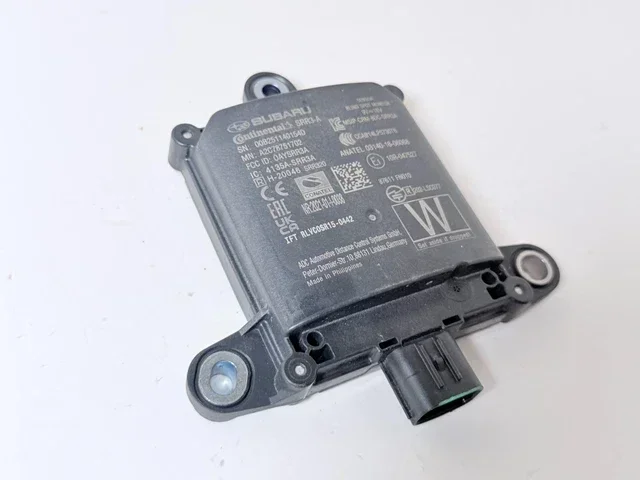
Understanding how the system works on the Subaru Crosstrek can help you appreciate its value. The sensors on the Crosstrek are typically mounted on the rear quarter panels or integrated into the side mirrors. They scan the areas directly beside and slightly behind the vehicle, covering zones that mirrors alone cannot reach.
Visual Alerts
The primary way the system alerts you is through visual indicators on the side mirrors. When a vehicle enters your blind spot, a small orange or red icon lights up on the corresponding side mirror. This is a clear and immediate signal that a car is in your blind zone.
If you activate your turn signal while a vehicle is detected in the blind spot, the icon will typically start to flash or change color, giving you an extra warning that it is not safe to change lanes. This lane change assist feature is a smart addition that prevents accidental lane merges.
Audible and Haptic Alerts
In addition to visual cues, some Subaru Crosstrek configurations include audible warnings. These are short beeps or tones that sound when the system detects a vehicle in your blind spot. Some versions also provide steering wheel vibrations as a tactile alert. These multi-layered warnings ensure that you notice the danger even if you are momentarily distracted.
Sensor Placement and Coverage
The sensors on the Subaru Crosstrek are strategically placed to cover a wide area. They work effectively at highway speeds and in moderate traffic conditions. The system is designed to detect other vehicles, including cars, trucks, and motorcycles. However, it is important to remember that no sensor system is perfect. Extremely fast-moving vehicles or motorcycles traveling closely alongside the Crosstrek may not always be detected immediately.
Regular maintenance of the sensors is also important. If your mirrors are damaged or the sensors become obstructed by dirt or snow, the system may not function correctly. Keeping the side mirror areas clean ensures reliable blind spot detection performance.
Blind Spot Monitoring and the Subaru EyeSight Suite
Blind spot monitoring on the Subaru Crosstrek does not work in isolation. It is part of the broader Subaru EyeSight suite, which includes several complementary driver-assistance technologies. Understanding how these features work together gives you a fuller picture of the safety capabilities on the Crosstrek.
The EyeSight suite typically includes adaptive cruise control, pre-collision braking, lane keep assist, and lane centering. When blind spot monitoring is added to this mix, you get a vehicle that actively helps you stay safe in multiple driving scenarios. The combination of these features creates a layered approach to collision avoidance.
One feature that pairs particularly well with blind spot monitoring is rear cross-traffic alert. While blind spot monitoring covers the sides of your vehicle, rear cross-traffic alert warns you of approaching traffic when you are backing out of a parking space. Together, these systems cover a significant portion of your driving environment.
Subaru has also been known to integrate adaptive cruise control with blind spot monitoring for highway driving. This means that the car can adjust your speed and also warn you about vehicles in your blind spots simultaneously. It is a powerful combination for long road trips and daily commutes alike.
Does the Crosstrek Have Blind Spot Monitoring on All Model Years?
Model year matters when it comes to blind spot monitoring availability. Subaru has updated the Crosstrek over the years, and the features included have evolved with each generation. Let us take a closer look at how this has changed.
Recent Model Years (2018 and Newer)
Starting around 2018, Subaru made significant updates to the Crosstrek, including improvements to its safety technology. On model years 2018 and newer, blind spot monitoring became more widely available across the trim range. The 2020 and later model years saw even more refinement in the EyeSight driver-assist system, with blind spot monitoring becoming a more standard inclusion on mid-to-upper trims.
If you are shopping for a used Crosstrek, model years from 2018 onward generally offer better availability of blind spot monitoring. Earlier model years may have offered it only on higher trims or as an expensive standalone option.
Older Model Years (Pre-2018)
On older Subaru Crosstrek models, blind spot monitoring was less common. It may have been available only on the top-tier Limited trim or as part of an optional technology package. If you are considering a pre-2018 Crosstrek, you should verify the feature list carefully before assuming blind spot monitoring is present.
For owners of older models who want to add this feature, aftermarket blind spot monitoring systems are available. These can be professionally installed and provide similar functionality to the factory-installed systems. However, factory systems tend to integrate more seamlessly with the vehicle’s existing safety features.
Tips for Getting the Most Out of Blind Spot Monitoring
Having blind spot monitoring on your Subaru Crosstrek is a great advantage, but only if you use it correctly. Here are some practical tips to help you get the most out of this feature.
- Do not rely solely on the system. Blind spot monitoring is a helpful aid, not a replacement for checking your mirrors and looking over your shoulder before changing lanes.
- Keep the sensors clean. Dirt, mud, snow, and ice can block the sensors and reduce the system’s effectiveness. Make it a habit to clean the side mirror areas regularly.
- Understand the alert types. Know the difference between the steady icon and the flashing icon so you can respond appropriately to each situation.
- Use it with adaptive cruise control. Combining blind spot monitoring with adaptive cruise control gives you the best highway safety coverage on the Crosstrek.
- Have the system checked if alerts seem inconsistent. If the blind spot monitoring light comes on randomly or fails to activate when it should, have it inspected by a Subaru service technician.
- Pair with good driving habits. The best safety system is an attentive driver. Use blind spot monitoring as a supplement to your own vigilance, not a substitute for it.
Common Mistakes Drivers Make with Blind Spot Monitoring
Even with a great system like the one on the Subaru Crosstrek, drivers sometimes make mistakes that reduce its effectiveness. Being aware of these common errors can help you avoid them.
Assuming the system will catch everything. No blind spot monitoring system is infallible. Very fast-moving vehicles, small motorcycles, or objects close to the car may not always trigger the alert. Always perform your own shoulder check before lane changes.
Ignoring warning lights. Some drivers become so used to the mirror icons that they stop noticing them. If you see a blind spot warning light, take it seriously and adjust your driving accordingly.
Neglecting sensor maintenance. Dirty or covered sensors mean the system cannot do its job properly. This is a simple fix that many drivers overlook.
Confusing blind spot monitoring with rear cross-traffic alert. These are two different systems that cover different areas. Blind spot monitoring covers the sides of the vehicle, while rear cross-traffic alert covers the rear corners when backing up. Both are valuable, but they serve different purposes.
Final Thoughts
So, does the Subaru Crosstrek have blind spot monitoring? The answer is a resounding yes, with the right trim and configuration. Blind spot monitoring is a valuable safety feature that enhances your awareness on the road and gives you greater confidence when changing lanes. It is part of the broader Subaru EyeSight driver-assistance ecosystem that makes the Crosstrek a strong choice in the compact SUV segment.
When shopping for a Crosstrek, take the time to confirm which trim level includes blind spot monitoring. If you are buying used, check the vehicle history and original features to make sure this system is present. And remember, even the best technology works best when paired with attentive, safe driving habits.
The Subaru Crosstrek continues to be a popular choice for drivers who want a versatile, safe, and capable compact SUV. With blind spot monitoring available on most trims, it delivers the active safety features that modern drivers expect. Whether you are commuting through city traffic or cruising on the highway, this system adds an extra layer of protection that is well worth having.
If you are also curious about other Subaru Crosstrek capabilities, check out can the Subaru Crosstrek tow for information on its towing capacity. You might also want to read about Subaru headlights turning off automatically to learn about another convenient safety feature. For broader Subaru maintenance tips, does AWD need service covers important maintenance considerations for all-wheel-drive Subaru models.
Conclusion
The Subaru Crosstrek delivers blind spot monitoring on most trim levels, making it a solid choice for safety-conscious buyers. This feature works as part of the Subaru EyeSight suite to provide comprehensive driver-assistance coverage on the road. By understanding which trims include the feature and how to use it effectively, you can enjoy greater peace of mind every time you get behind the wheel of a Crosstrek.
Take the time to verify the features on your specific model, keep the sensors maintained, and always combine technology with safe driving practices. The Subaru Crosstrek is a well-rounded vehicle that offers the active safety features you need for confident driving in any situation.
Frequently Asked Questions
Is blind spot monitoring standard on the Subaru Crosstrek?
Blind spot monitoring is not standard on all trim levels of the Subaru Crosstrek. It is more commonly available on higher trims such as the Premium, Sport Touring, and Limited. The base Sport trim may not include it as standard, so always check the specific configuration of the vehicle you are considering.
How do I know if my Subaru Crosstrek has blind spot monitoring?
You can check for blind spot monitoring by looking for the side mirror indicators. When you turn on the turn signal and a vehicle is in your blind spot, the mirror icon will flash. You can also check your vehicle’s original window sticker or the owner’s manual to confirm the feature is included.
Can I add blind spot monitoring to an older Subaru Crosstrek?
Yes, aftermarket blind spot monitoring kits are available and can be professionally installed on older Subaru Crosstrek models. These systems provide similar functionality to factory-installed features, though they may not integrate as seamlessly with the existing EyeSight suite.
Does blind spot monitoring work at all speeds on the Crosstrek?
Blind spot monitoring on the Subaru Crosstrek is designed to work at a range of speeds, typically activating above a certain low speed threshold. It is most effective on highways and multi-lane roads where vehicles approach from the sides at varying speeds.
What is the difference between blind spot monitoring and lane change assist on the Crosstrek?
Blind spot monitoring detects vehicles in your blind zones and alerts you with mirror icons. Lane change assist goes a step further by providing additional warnings if you signal to change lanes while a vehicle is detected in your blind spot. Both features work together to enhance your awareness during lane changes.
Does the Subaru Crosstrek’s blind spot monitoring detect motorcycles?
Yes, the blind spot monitoring system on the Subaru Crosstrek is designed to detect motorcycles as well as cars and trucks. However, because motorcycles are smaller and can move quickly, they may not always be detected as immediately as larger vehicles. Always perform a shoulder check before changing lanes regardless of the system’s alerts.