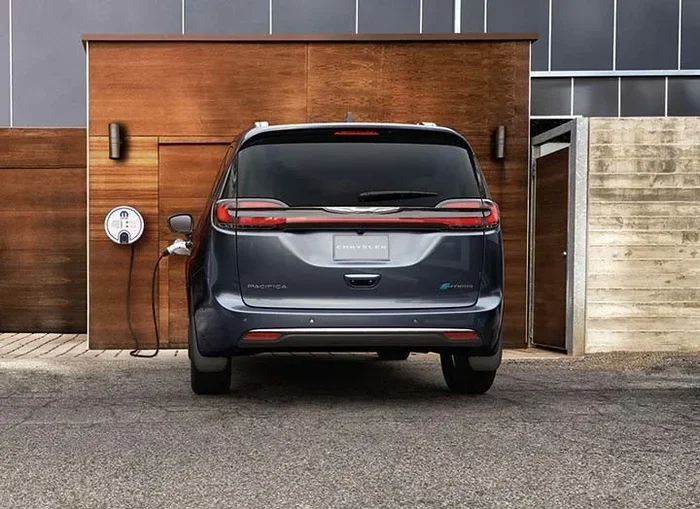
Does the Chrysler Pacifica Hybrid Charge While Driving
The Chrysler Pacifica Hybrid uses regenerative braking and its gas engine to partially recharge the battery while you drive, but it does not fully charge on the go. You still need to plug it in for a complete charge. Understanding how the charging system works helps you get the best fuel economy and electric-only driving range from your Chrysler Pacifica Hybrid.
If you own or are considering a Chrysler Pacifica Hybrid, you probably have one big question on your mind. Does the Chrysler Pacifica Hybrid charge while driving? The short answer is yes, but not completely. The vehicle uses a clever system to recover some energy as you drive, but you still need to plug it in. Let us walk through exactly how this works, why it matters, and what you can do to get the most out of your hybrid minivan.
The Chrysler Pacifica Hybrid is one of the most popular plug-in hybrid minivans on the road today. Families love it because it offers the roominess of a traditional minivan with the fuel-saving benefits of hybrid technology. But many drivers find the charging system confusing at first. You hear terms like regenerative braking, electric-only mode, and plug-in hybrid, and suddenly everything feels complicated. This guide breaks it all down in plain language so you can understand exactly what is happening under the hood.
Whether you are new to hybrid vehicles or have been driving one for years, understanding how your Pacifica Hybrid charges can change the way you drive. It affects your fuel economy, your driving range, and even how often you visit the gas station. Let us dive into the details and answer every question you might have about charging your Chrysler Pacifica Hybrid while driving.
Key Takeaways
- Regenerative braking recovers energy: The Pacifica Hybrid captures energy during deceleration and sends it back to the battery.
- It does not fully charge while driving: Plugging in at home or a charging station is still necessary for a complete charge.
- Driving habits matter a lot: Smooth driving and efficient use of the gas engine can extend your electric range significantly.
- Battery health is important: Regular checks on your hybrid battery help maintain charging performance over time.
- Electric-only mode has limits: The Pacifica Hybrid can run on electric power alone at low speeds and short distances.
- Fuel savings add up: Even with partial charging, the hybrid powertrain delivers impressive miles per gallon compared to a standard minivan.
- Knowing your hybrid system builds confidence: Understanding how charging works makes you a smarter, more efficient driver.
📑 Table of Contents
What Is the Chrysler Pacifica Hybrid Charging System?
The Chrysler Pacifica Hybrid uses a plug-in hybrid powertrain. This means it has both a gas engine and an electric motor powered by a lithium-ion battery pack. The system works together to give you power when you need it while saving fuel whenever possible. But how does the battery get charged? That is where things get interesting.
How the Hybrid Powertrain Works
The Pacifica Hybrid operates in several modes. You can drive on electric power alone at low speeds and short distances. The gas engine kicks in when you need more power or when the battery gets low. The system automatically switches between these modes based on your driving conditions. This seamless transition is one of the reasons the Pacifica Hybrid feels so smooth behind the wheel.
The battery pack in the Pacifica Hybrid is relatively small compared to a fully electric vehicle. This means it has a limited electric-only range, usually around 30 to 40 miles depending on driving conditions. Once the electric charge depletes, the gas engine takes over and the vehicle operates like a traditional minivan. The key question most drivers ask is whether the battery recharges itself during normal driving.
Plug-In vs. Self-Charging Hybrids
It is important to understand the difference between a plug-in hybrid and a self-charging hybrid. A self-charging hybrid, like many Toyota models, uses regenerative braking and the gas engine to keep the battery topped off. You never need to plug it in. A plug-in hybrid like the Pacifica Hybrid has a larger battery that you must charge by plugging it into an external power source. This gives you a longer electric-only range but requires more effort from the driver.
If you want to learn more about how hybrid systems work in general, check out our guide on how to use a hybrid car for beginners. It covers the basics of hybrid technology in a way that is easy to understand.
Does the Chrysler Pacifica Hybrid Charge While Driving?
Here is the core question. Does the Chrysler Pacifica Hybrid charge while driving? The answer is both yes and no. Let us explain.
The Role of Regenerative Braking
Yes, the Pacifica Hybrid does recover some energy while you drive. This happens through a process called regenerative braking. When you take your foot off the accelerator or press the brake pedal, the electric motor reverses its role and acts as a generator. It captures kinetic energy that would otherwise be lost as heat and converts it back into electrical energy. This energy goes straight into the battery, giving you a small charge boost.
Regenerative braking is a brilliant piece of engineering. It means that every time you slow down or coast to a stop, you are putting a little bit of energy back into the system. Over time, these small charges add up. However, the amount of energy recovered through regenerative braking is relatively modest. It is not enough to fully recharge the battery, especially if you are driving long distances.
Why It Cannot Fully Charge on the Go
The reason the Pacifica Hybrid cannot fully charge while driving comes down to physics and battery size. The regenerative braking system simply does not produce enough energy to replenish a large battery pack from empty to full. The gas engine also contributes a small amount of electrical energy through a generator, but this is primarily designed to power the vehicle’s electrical systems, not to charge the battery significantly.
Think of it this way. Regenerative braking is like catching rainwater in a bucket during a light drizzle. It helps, but it will not fill the bucket if it is empty. You need a hose, which in this case is your charging cable plugged into a wall outlet or a public charging station. The Pacifica Hybrid is designed to be plugged in regularly for the best results.
If you are curious about how other hybrid vehicles handle battery charging, you might find our article on how to check your hybrid battery health helpful. It covers the basics of maintaining your hybrid battery for long-term performance.
What the Manufacturer Says
FCA (Fiat Chrysler Automobiles), the maker of the Pacifica Hybrid, designed the vehicle with a specific charging philosophy in mind. The company recommends plugging in the Pacifica Hybrid every night or after each trip. This ensures the battery starts each day with a full charge, maximizing your electric-only driving range and fuel efficiency. The manufacturer does not market the Pacifica Hybrid as a vehicle that charges itself entirely while driving.
According to Chrysler’s official documentation, the Pacifica Hybrid gets an estimated 32 miles per gallon equivalent when driven on a full charge and with regular gas. This impressive number relies heavily on starting each trip with a fully charged battery. If you rely solely on regenerative braking, your real-world fuel economy will be lower than the advertised estimates.
Factors That Affect Charging While Driving
Several factors influence how much energy your Pacifica Hybrid recovers while driving. Understanding these factors can help you optimize your driving habits and get the most out of your hybrid system.
Driving Style and Habits
Your driving style has a huge impact on how effectively regenerative braking works. If you drive aggressively, with hard acceleration and sudden braking, you waste a lot of energy. Smooth, gradual braking allows the regenerative system to capture more energy. Anticipating stops and easing off the accelerator early gives the system more time to recover energy.
Here are some driving habits that help maximize energy recovery:
- Coast to stops instead of braking hard. The earlier you start slowing down, the more energy the regenerative system captures.
- Avoid rapid acceleration. Smooth acceleration uses less battery power and leaves more energy available for recovery.
- Use cruise control on highways. Steady speeds reduce the constant acceleration and braking cycles that waste energy.
- Monitor your energy display. The Pacifica Hybrid has a dashboard display that shows real-time energy flow. Watching it helps you understand how your driving affects charging.
Terrain and Road Conditions
Where you drive matters too. Hilly terrain and mountainous roads are excellent for regenerative braking because you use more brakes going downhill. If you live in a flat area with mostly highway driving, you will recover less energy through braking. Stop-and-go city driving actually tends to produce more regenerative charging opportunities because you brake more frequently.
Weather conditions also play a role. Cold temperatures reduce battery efficiency and can limit the amount of energy the regenerative system recovers. Hot weather can cause the battery to use some of its energy for thermal management. Both extremes can affect how much charge you gain while driving.
Battery State of Charge
The current charge level of your battery affects how much energy it can accept during regenerative braking. A nearly empty battery can accept more energy quickly, while a nearly full battery has less capacity to absorb additional charge. This is why plugging in regularly is so important. You want to keep the battery in a sweet spot where it can accept energy efficiently.
For more information on maintaining your hybrid battery and understanding its state of charge, you may want to read our article on can you drive a Toyota hybrid without the battery. While it focuses on Toyota models, the principles of hybrid battery operation are very similar across brands.
How to Maximize Your Pacifica Hybrid’s Efficiency
Now that you understand how charging works, let us talk about how to get the most out of your Chrysler Pacifica Hybrid. These practical tips can help you save fuel, extend your electric range, and get the best performance from your hybrid minivan.
Plug In Every Day
The single most important thing you can do is plug in your Pacifica Hybrid every day. Treat it like you treat your smartphone. You charge it overnight, and it is ready to go in the morning. A full charge gives you the maximum electric-only range, which means you use zero gas for your daily short trips. Over time, this adds up to significant fuel savings.
Most owners charge their Pacifica Hybrid using a standard 120-volt household outlet. This is the slowest charging method, but it works well for overnight charging. If you have access to a 240-volt outlet, you can charge much faster. Some owners even install a dedicated Level 2 home charger for convenience.
Use Electric Mode When Possible
The Pacifica Hybrid has an electric mode that lets you drive on battery power alone. Use this mode for short trips around town, school drop-offs, and grocery runs. The electric motor is quiet, smooth, and produces zero tailpipe emissions. It is a great way to enjoy the benefits of electric driving without using any gas.
Keep in mind that electric mode has a limited range. Once the battery gets low, the vehicle automatically switches to hybrid mode. You can monitor your remaining electric range on the dashboard display. Planning your trips around your battery charge helps you make the most of electric-only driving.
Monitor Your Fuel Economy
The Pacifica Hybrid features a fuel economy display that shows your real-time and average miles per gallon. Checking this display regularly helps you understand how your driving habits affect efficiency. If you notice your fuel economy dropping, it may be a sign that you need to plug in more often or adjust your driving style.
For tips on extending your overall driving range, check out our article on how long a full tank of gas lasts. While it covers gas-only vehicles, the principles of maximizing range apply to hybrid vehicles as well.
Keep Your Battery Healthy
Your hybrid battery is the heart of the Pacifica Hybrid’s charging system. Taking care of it ensures that your vehicle continues to charge efficiently while driving. Avoid letting the battery drain completely on a regular basis, as this can reduce its long-term capacity. If you notice any changes in your electric range or charging performance, have your battery checked by a qualified technician.
Regular maintenance also plays a role. Keeping your tires properly inflated, changing your engine oil on schedule, and replacing air filters all contribute to better overall efficiency. A well-maintained hybrid vehicle simply performs better and lasts longer.
Common Misconceptions About Hybrid Charging
There are several misconceptions about how hybrid vehicles charge. Let us clear up a few of the most common ones so you have accurate expectations for your Chrysler Pacifica Hybrid.
Misconception 1: The Car Charges Itself Completely While Driving
This is probably the biggest misconception. Some drivers believe that because the Pacifica Hybrid has regenerative braking, it can fully recharge itself during normal driving. This is not true. Regenerative braking recovers only a small portion of the energy used during acceleration. It is a helpful supplement, but it is not a replacement for plugging in.
Misconception 2: You Never Need to Plug In
Some people assume that plug-in hybrids work just like regular hybrids. They do not. The whole point of a plug-in hybrid is that you plug it in. If you never plug in your Pacifica Hybrid, you are essentially driving a regular minivan with a slightly more complex powertrain. You will not get the fuel economy benefits or the electric-only driving range that the vehicle is designed to deliver.
Misconception 3: Regenerative Braking Damages the Battery
Some drivers worry that the energy recovered through regenerative braking could harm the battery over time. This is not the case. The charging system is designed to manage the flow of energy safely. The battery management system monitors voltage, temperature, and charge levels to ensure the battery stays healthy. Regenerative braking is actually gentler on the battery than fast charging from an external source.
Final Thoughts on Charging Your Pacifica Hybrid
So, does the Chrysler Pacifica Hybrid charge while driving? Yes, it does, through regenerative braking and a small contribution from the gas engine. But it does not charge enough to replace a full plug-in charge. The system is designed to work best when you plug in regularly and use the electric mode for short trips around town.
Understanding how your Pacifica Hybrid charges puts you in control. You can make informed decisions about when to plug in, how to drive for maximum efficiency, and how to maintain your battery for long-term performance. The Chrysler Pacifica Hybrid is a remarkable vehicle that combines the practicality of a minivan with the benefits of hybrid technology. When you use it the way it was designed to be used, you get the best of both worlds.
Take some time to explore your vehicle’s charging settings, experiment with different driving habits, and pay attention to how your driving affects fuel economy. Small changes can make a big difference over time. The more you understand about your Pacifica Hybrid, the more you will enjoy driving it. And the more money you will save at the pump.
Remember, your hybrid vehicle is a partnership between you and the technology. The car does a lot of the heavy lifting, but your habits and choices determine how well it performs. Plug in regularly, drive smoothly, and enjoy the ride. Your Chrysler Pacifica Hybrid is ready to deliver an efficient, comfortable, and rewarding driving experience every time you hit the road.
Frequently Asked Questions
Can I drive my Chrysler Pacifica Hybrid without plugging it in?
Yes, you can drive the Pacifica Hybrid without plugging it in, but you will not get the full benefits of the hybrid system. The vehicle will run on the gas engine once the battery depletes, and your fuel economy will be lower than what the manufacturer advertises. Plugging in regularly is the best way to maximize efficiency and electric-only driving range.
How long does it take to charge a Chrysler Pacifica Hybrid?
Charging time depends on your power source. Using a standard 120-volt household outlet, a full charge takes about 14 hours. A 240-volt outlet reduces charging time to roughly 2 hours. For the fastest results, many owners install a dedicated Level 2 home charger that cuts charging time even further.
Does regenerative braking really make a difference in charging?
Yes, regenerative braking does make a difference, but it is a small one. It recovers energy during deceleration and sends it back to the battery. This helps extend your electric range slightly and improves overall efficiency. However, it cannot fully recharge the battery on its own. Think of it as a helpful supplement, not a replacement for plugging in.
What is the electric-only range of the Chrysler Pacifica Hybrid?
The Chrysler Pacifica Hybrid offers an estimated electric-only range of about 30 to 40 miles, depending on driving conditions, temperature, and battery health. This is enough for most short daily trips, such as commuting to work, school runs, and local errands, all without using a drop of gas.
How can I check the health of my Pacifica Hybrid battery?
You can monitor your battery health through the vehicle’s dashboard display, which shows real-time energy flow and battery status. For a more detailed assessment, visit a certified Chrysler dealer or a qualified hybrid technician. They can run diagnostic tests and check the battery’s overall condition and capacity.
Will driving habits really affect how much my Pacifica Hybrid charges while driving?
Absolutely. Your driving habits have a direct impact on how much energy the regenerative braking system recovers. Smooth, anticipatory driving with gentle braking captures more energy than aggressive driving with hard stops. Coasting to red lights, using cruise control on highways, and avoiding rapid acceleration all help maximize the energy your Pacifica Hybrid recovers while driving.
=== CONCLUSION ===
The Chrysler Pacifica Hybrid is a fantastic vehicle that offers a unique blend of practicality, efficiency, and modern technology. Now you know the answer to the big question: does the Chrysler Pacifica Hybrid charge while driving? It does, through regenerative braking and a small contribution from the gas engine, but it is not enough to fully recharge the battery on its own. Plugging in regularly remains essential for getting the most out of your hybrid minivan.
By understanding your charging system, adopting efficient driving habits, and staying on top of battery maintenance, you can enjoy the full benefits of plug-in hybrid technology. The Pacifica Hybrid rewards drivers who take the time to learn how it works. And the payoff is clear: better fuel economy, lower emissions, and a more enjoyable driving experience every time you get behind the wheel.