Honda Accord Wont Start Common Causes and Simple Solutions
When your Honda Accord won’t start, it can be frustrating and stressful. The most common reasons include a dead battery, faulty starter motor, bad ignition switch, or fuel system issues. This guide walks you through each cause with clear, easy-to-follow solutions that save you time and money.
You turn the key or push the button. Nothing happens. Your Honda Accord won’t start, and you’re standing in the driveway wondering what went wrong. It’s a situation almost every driver faces at some point. The good news? Most causes are simple and fixable.
Whether it’s a dead battery on a cold morning or a more complex fuel system problem, understanding why your car won’t start is the first step to getting back on the road. This article covers every common reason a Honda Accord won’t start and gives you practical solutions you can try at home. We’ll also cover when it’s time to call a mechanic.
A Honda Accord is known for reliability. These cars last a long time with proper care. But even the best vehicles run into trouble sometimes. The key is knowing what to look for and how to respond. Let’s dive into the most common causes and what you can do about them.
Key Takeaways
- Dead Battery: The number one reason a Honda Accord won’t start. Look for dim lights, slow cranking, or no response at all.
- Faulty Starter Motor: A clicking sound when you turn the key often means your starter is failing.
- Ignition Switch Problems: If the dash lights don’t come on, the ignition switch may be to blame.
- Fuel System Issues: A clogged fuel filter or failing fuel pump can prevent your engine from firing up.
- Security System Lockout: The immobilizer or key fob battery can accidentally prevent your car from starting.
- Regular Maintenance Helps: Simple checks like testing your battery and cleaning terminals can prevent most starting problems.
- Know When to Call a Pro: Some issues need a certified mechanic. Don’t guess when it comes to internal engine problems.
📑 Table of Contents
Why Your Honda Accord Won’t Start
When your car refuses to start, the symptoms tell a story. A slow crank means something different than a complete silence. A grinding noise points to a different problem than dashboard lights that won’t turn on. Learning to read these signs helps you narrow down the cause quickly.
Most starting problems fall into a few categories. Battery issues top the list. But starter motors, ignition switches, and fuel system problems also cause plenty of headaches. Let’s go through each one so you can diagnose your Honda Accord with confidence.
Before you start troubleshooting, grab a flashlight and your owner’s manual. These simple tools make the process much easier. And remember, safety first. If you smell gas or see leaks, step away and call a professional.
The Battery: The Most Common Culprit
A dead or weak battery causes more Honda Accord starting problems than anything else. The battery powers the electrical systems and provides the spark to turn over the engine. When it fails, your car simply won’t respond.
Look for these warning signs before a battery dies completely. Your headlights might dim when you’re idling. The engine cranks slowly or sounds sluggish. You might hear a clicking noise but no turnover. These are all clues pointing to battery trouble.
Cold weather makes battery problems worse. Heat does too. Over time, batteries lose their charge-holding ability. Most last three to five years. If your battery is older, it might be time for a replacement. You can test it yourself with a multimeter or visit an auto parts store. Many places test batteries for free.
Corroded battery terminals also cause starting issues. White or greenish buildup on the terminals blocks the electrical connection. You can clean this with a wire brush and a baking soda solution. Just disconnect the cables first, starting with the negative terminal.
If your battery is dead, jumper cables can get you going again. Connect the red clamp to the positive terminal on both batteries. Then connect the black clamp to the negative terminal on the good battery and an unpainted metal surface on your car. Let the working car run for a few minutes before trying to start yours.
For a long-term fix, consider replacing the battery. A standard Honda Accord battery costs between $100 and $200. Installation takes about 30 minutes if you’re handy. Many people also wonder if remote start systems help with battery health. While they don’t prevent battery failure, they reduce the strain of short trips.
Starter Motor Problems
The starter motor is the electric motor that cranks your engine. When you turn the key, the starter engages and spins the engine until it fires. A failing starter motor is one of the most common reasons a Honda Accord won’t start.
You’ll usually hear a single loud click or a series of rapid clicks when the starter is bad. The engine won’t turn over at all. This happens because the starter motor can’t engage with the flywheel. In some cases, the starter just spins freely without catching.
Starter motors wear out over time. The brushes inside the motor erode. The solenoid can fail. Heat damage from nearby exhaust components also takes a toll. If you’ve had your car for many years, a starter replacement is not unusual.
Replacing a starter motor costs between $300 and $500 for parts and labor. It’s not a DIY job for most people. The starter sits underneath the engine, near the transmission. Accessing it requires lifting the vehicle and working in tight spaces.
Before you replace the starter, make sure the battery is good. A weak battery can mimic starter symptoms. If the battery tests fine but you still hear clicking, the starter is likely the problem. A mechanic can confirm this with a voltage drop test.
Some people ask if issues like jump-starting another car could damage their starter. The answer is no. Jump-starting is safe when done correctly. But a completely dead battery can stress the starter if you repeatedly try to crank the engine.
Ignition Switch Failures
The ignition switch controls the flow of electricity to your starter and ignition system. When it fails, your Honda Accord might not start at all. This is a less common problem than battery issues, but it happens regularly on older Accords.
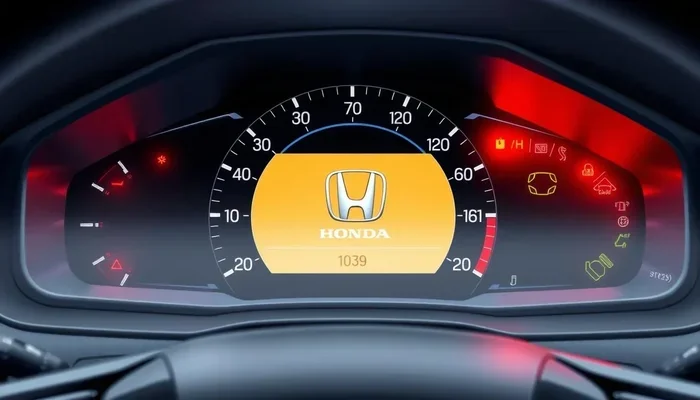
Signs of a bad ignition switch include dashboard lights that don’t come on when you turn the key. The engine might crank but not fire. In some cases, the car starts and then stalls immediately. These symptoms can be tricky because they overlap with other problems.
Ignition switches wear out from years of use. The internal contacts erode. Wiggling the key sometimes helps temporarily. If you notice the key feels loose or doesn’t turn smoothly, the switch might be failing.
Replacing an ignition switch typically costs between $150 and $300. The part itself is relatively inexpensive. Labor takes about an hour. This is a repair many independent shops can handle without issue.
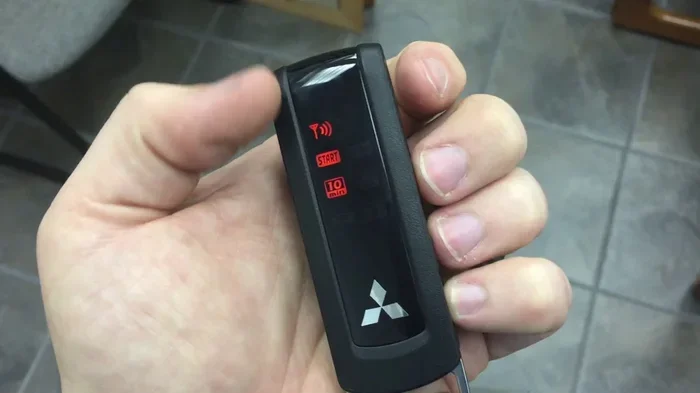
Before assuming the ignition switch is the problem, check the key fob. Modern Accords use a push-button start system. A weak key fob battery can prevent the car from recognizing the key. Replacing the fob battery is a quick and easy fix. Most Honda key fobs use a CR2032 battery. You can swap it out in seconds.
Fuel System Issues
Your Honda Accord needs fuel, air, and spark to run. When the fuel system fails, the engine cranks but won’t start. Fuel pump failures, clogged fuel filters, and empty tanks all cause this frustrating problem.
The fuel pump sits inside the gas tank. It pushes fuel from the tank to the engine at the right pressure. When the pump fails, your car won’t get the fuel it needs. You might hear a faint humming sound when you turn the key to the “on” position. No sound could mean a dead pump.
Fuel filters clog over time. They catch dirt and debris before they reach the engine. A clogged filter restricts fuel flow. Most Honda Accord fuel filters should be replaced every 30,000 to 60,000 miles. Check your owner’s manual for the exact schedule.
Running your car on low fuel also damages the fuel pump. The pump relies on fuel to cool itself. When the tank runs dry, the pump overheats. This shortens its lifespan significantly. Keep your tank at least a quarter full whenever possible.
If you suspect a fuel pump issue, listen for the priming sound when you turn the key. Have someone sit in the car while you turn the key to the “on” position without starting it. You should hear a brief hum from the rear of the car. No sound means the pump isn’t working.
Fuel pump replacement is expensive. Parts and labor typically run between $400 and $800. The pump is inside the gas tank, so the tank must be removed for access. This is definitely a job for a qualified mechanic.
Security System and Immobilizer Problems
Modern Honda Accords come with anti-theft systems. The engine immobilizer prevents the car from starting without the correct key. When this system malfunctions, your Honda Accord won’t start even with a good battery and fuel.
The immobilizer uses a transponder chip inside the key fob. When you turn the key or push the start button, the car reads the chip. If the chip isn’t recognized, the engine won’t start. The dashboard security light usually flashes to indicate this problem.
A dead key fob battery is the most common cause of immobilizer issues. Replace the battery and try again. If that doesn’t work, the transponder chip might be damaged. This happens if the key gets wet or drops on a hard surface.
Sometimes the immobilizer gets confused after a battery disconnect. If you recently disconnected your battery for maintenance, the system might need to relearn the key. This usually happens automatically after a few cycles of turning the key on and off.
In rare cases, the immobilizer module itself fails. This requires professional diagnosis and programming. A Honda dealer has the tools to reset the system. Aftermarket key fobs can also cause problems if they aren’t properly programmed.
Other Common Causes
Several other issues can prevent a Honda Accord from starting. Let’s cover the ones that don’t fit neatly into the categories above.
Spark Plug Problems. Worn or fouled spark plugs can prevent ignition. Honda recommends replacing spark plugs every 30,000 to 100,000 miles depending on the model. If your car has high mileage and you haven’t changed the plugs, this could be the issue.
Timing Belt Failure. The timing belt synchronizes the engine’s camshaft and crankshaft. If it breaks, the engine won’t turn over. This is a serious and expensive repair. Timing belt replacement is a scheduled maintenance item, so staying on top of it prevents this problem.
Clogged Fuel Injectors. Dirty injectors restrict fuel flow to the engine. You might notice rough idling or poor fuel economy before the car won’t start. Fuel injector cleaner can help in mild cases. Severe clogging requires professional cleaning or replacement.
Ground Wire Issues. Corroded or loose ground wires can disrupt electrical connections. The engine needs a solid ground to complete the circuit. Inspect the ground wires between the battery and the engine block. Clean any corrosion you find.
Empty Gas Tank. It sounds obvious, but it happens more than you’d think. If the gauge reads empty, add fuel and try again. Sometimes the fuel gauge sensor fails, showing empty when there’s still gas. Keep a backup fuel can in your trunk for emergencies.
For drivers who also deal with starting issues on other Honda models, starting your car with your phone is a modern alternative worth exploring. While the RAV4 and Accord differ, the general principles of keyless starting apply across many Honda and Toyota vehicles.
How to Diagnose Your Honda Accord Starting Problem
Diagnosing a no-start situation is like detective work. You need to observe the symptoms carefully and work through the possibilities systematically. Here’s a step-by-step approach you can follow at home.
- Check the dashboard lights. Turn the key to the “on” position. Do the lights come on? If not, the battery or ignition switch is likely the problem.
- Listen for the fuel pump. When you turn the key to “on,” you should hear a brief hum from the rear of the car. No sound suggests a fuel pump issue.
- Test the battery voltage. A healthy battery reads 12.6 volts or higher. Anything below 12.0 volts needs charging or replacement.
- Inspect the starter. Turn the key. A single loud click points to the starter. No sound at all could be the ignition switch or battery.
- Check the fuel level. Trust the gauge but also consider when you last filled up. The gauge sensor can fail.
- Look at the security light. A flashing security light on the dashboard indicates an immobilizer issue.
Following this checklist narrows down the cause quickly. You can often solve the problem yourself. But if the diagnosis points to internal engine issues, it’s time to see a mechanic.
Many drivers also wonder about when Toyotas start having problems. The same mileage thresholds apply to Honda Accords. Regular maintenance becomes even more important after 100,000 miles. Staying ahead of wear items like spark plugs, timing belts, and fuel filters prevents many no-start situations.
Prevention Tips to Avoid Future Starting Problems
Prevention is always better than repair. A few simple habits keep your Honda Accord starting reliably for years to come.
- Test your battery twice a year. Spring and fall are good times. Many auto parts stores do this for free.
- Keep the battery terminals clean. A wire brush removes corrosion quickly. Clean terminals ensure a solid connection.
- Replace the key fob battery annually. A CR2032 battery costs a few dollars and prevents immobilizer headaches.
- Don’t let the fuel tank drop below a quarter full. This protects the fuel pump from overheating.
- Follow the maintenance schedule. Replace spark plugs, fuel filters, and timing belts on time.
- Avoid short trips when possible. Short trips don’t give the battery enough time to fully recharge.
- Park in a garage when you can. Extreme temperatures, both hot and cold, wear out batteries faster.
These small efforts add up. They save you from the stress of a no-start situation and extend the life of your Honda Accord. A well-maintained Accord can easily surpass 200,000 miles. Keeping up with these basics makes that possible.
Some people also compare Honda and Toyota reliability. Honda Civics are known for their reliability, and the Accord shares many of the same engineering principles. Both brands offer dependable vehicles that start reliably when properly maintained.
When to Call a Professional Mechanic
Not every Honda Accord starting problem is a DIY fix. Knowing when to call a professional saves you time, money, and frustration.
Call a mechanic if you’ve checked the battery and it’s good but the car still won’t start. If you hear the engine cranking but it won’t fire, there could be a deeper issue. Problems with the compression, timing belt, or internal engine components need professional diagnosis.
Also call a professional if you smell gasoline or see fluid leaks. These are safety hazards that shouldn’t be ignored. A trained mechanic can safely diagnose and repair these issues.
For vehicles with push-button start systems, a dealer may be needed to reprogram the key fob or immobilizer. Independent mechanics can handle most repairs, but the dealer has access to proprietary diagnostic tools and software.
If you’re in a remote area or it’s extremely cold outside, roadside assistance can help. Services like AAA can jump-start your car or tow you to a nearby shop. Many roadside plans also cover fuel delivery if you’ve run out of gas.
Final Thoughts
A Honda Accord that won’t start is stressful, but it’s rarely a catastrophe. Most causes are simple and affordable to fix. A dead battery tops the list of culprits, and it’s the easiest to address. Starter motors, ignition switches, and fuel pump issues require more investment but are still very repairable.
The key is to stay calm and work through the possibilities. Use the diagnostic checklist in this article to narrow down the cause. Try the simple fixes first. And don’t hesitate to call a professional when the problem is beyond your comfort level.
Regular maintenance is your best defense against starting problems. Clean terminals, fresh batteries, and scheduled service keep your Honda Accord running strong. A little prevention goes a long way toward avoiding those frustrating mornings when your car just won’t cooperate.
Remember, every driver faces a no-start situation at some point. It’s how you respond that matters. With the knowledge in this guide, you’re prepared to handle whatever your Honda Accord throws at you. Stay proactive, stay informed, and keep driving.
Frequently Asked Questions
What are the first things to check when my Honda Accord won’t start?
Start with the battery. Check if the dashboard lights come on when you turn the key. If they’re dim or don’t come on at all, the battery is likely the issue. Next, listen for the fuel pump priming sound when you turn the key to the “on” position. These two checks solve the majority of Honda Accord starting problems.
How much does it cost to fix a Honda Accord that won’t start?
The cost depends on the cause. A battery replacement runs $100 to $200. A starter motor replacement costs $300 to $500. Fuel pump repairs can range from $400 to $800. Ignition switch replacements are usually $150 to $300. Always get a quote before authorizing major repairs.
Can a bad key fob battery prevent my Honda Accord from starting?
Yes, absolutely. Modern Honda Accords use push-button start systems that read a transponder chip in the key fob. A dead fob battery prevents the car from recognizing the key. Replacing the battery with a CR2032 usually fixes this problem in seconds.
How do I know if my starter motor is bad in my Honda Accord?
A bad starter usually produces a single loud click or rapid clicking when you turn the key. The engine won’t crank at all. If the starter is spinning freely without engaging, that’s also a sign of failure. A mechanic can confirm the diagnosis with a voltage drop test.
Why does my Honda Accord crank but not start?
If the engine cranks but won’t fire, the problem is likely in the fuel or ignition system. Check the fuel pump, fuel filter, and spark plugs first. A clogged fuel filter or failing fuel pump prevents the engine from getting fuel. Worn spark plugs prevent ignition. These are the most common causes of a cranks-but-won’t-start condition.
Can cold weather cause my Honda Accord not to start?
Yes, cold weather significantly weakens battery performance. Chemical reactions inside the battery slow down in low temperatures. A battery that works fine in summer might fail in winter. Keeping your battery tested and replacing it before it reaches the end of its life helps prevent cold-weather no-start situations.