Hot Wheels Muscle Cars The Ultimate Collectors Guide
Hot Wheels muscle cars are more than just toys—they are prized collectibles that capture the raw power and style of American automotive legends. Whether you are a seasoned collector or just starting out, this guide covers everything you need to know about Hot Wheels muscle cars, from vintage editions to current releases. You will learn how to identify valuable models, care for your collection, and avoid common pitfalls that trip up new collectors.
There is something magical about Hot Wheels muscle cars. Maybe it is the bright paint. Maybe it is the tiny wheels that seem to spin forever. Or maybe it is the way a simple toy can take you back to a time when life felt simpler. Whatever the reason, Hot Wheels muscle cars have captured the hearts of millions around the world. They sit on shelves, in display cases, and in the hearts of collectors young and old.
But collecting Hot Wheels muscle cars is about more than nostalgia. It is a hobby that can turn into a serious investment. Some rare models have sold for astonishing prices at auction. A single Hot Wheels muscle car in perfect condition can be worth more than many full-sized vehicles. If you have ever wondered what makes certain models so valuable, or how to start your own collection, you are in the right place.
This guide will walk you through everything you need to know. We will cover the history of Hot Wheels muscle cars, the most valuable models to look for, how to grade condition, and practical tips for building a collection that stands the test of time. By the end, you will have the knowledge and confidence to dive into this exciting world.
Key Takeaways
- Hot Wheels muscle cars hold serious collector value: Certain editions can fetch hundreds or even thousands of dollars depending on rarity and condition.
- Vintage models are the holy grail: Original 1960s and 1970s Hot Wheels muscle cars are the most sought-after by collectors worldwide.
- Condition matters enormously: Mint-in-box and loose mint pieces command the highest prices in the market.
- Knowledge is your best tool: Understanding production years, color variations, and edition types helps you spot treasures at garage sales and auctions.
- Proper storage and care preserves value: Simple steps like avoiding sunlight and using protective cases can protect your investment for decades.
- Community and research are key: Joining collector groups and using price guides gives you an edge in buying and selling.
📑 Table of Contents
- The History of Hot Wheels Muscle Cars
- Most Valuable Hot Wheels Muscle Cars to Collect
- How to Grade and Assess Condition
- Building Your Hot Wheels Muscle Car Collection
- Caring for and Storing Your Collection
- Common Mistakes Collectors Make
- Expert Tips for Growing Your Collection
- The Future of Hot Wheels Muscle Car Collecting
- Conclusion
The History of Hot Wheels Muscle Cars
Hot Wheels muscle cars have a rich history that stretches back to the early 1960s. Mattel introduced the first Hot Wheels line in 1968, and muscle cars were front and center from day one. The original lineup featured bold designs inspired by real American automobiles. Kids and adults alike were drawn to the speed, the style, and the sheer cool factor of these tiny diecast wonders.
Why Muscle Cars Dominated the Line
Muscle cars were the stars of American roads in the 1960s and 1970s. Models like the Dodge Charger, Ford Mustang, and Chevrolet Camaro ruled the highways. Mattel understood this cultural moment perfectly. They designed Hot Wheels muscle cars to mirror the real thing, with aggressive stances, oversized engines, and fiery paint schemes. The result was a line of toys that felt fast even when sitting still.
The early Hot Wheels muscle cars were made with a revolutionary “Fast Wheels” design. The cars had low-friction wheels that could zoom down specially made tracks. This innovation set Hot Wheels apart from other toy car brands. It also gave muscle car models an extra sense of speed and excitement that kids loved.
Evolution Through the Decades
Over the decades, Hot Wheels muscle cars evolved alongside their real-life counterparts. The 1970s brought new designs inspired by the muscle car golden era. The 1980s and 1990s saw a mix of retro throwbacks and modern interpretations. Today, Hot Wheels continues to release muscle car models that pay homage to classic designs while incorporating modern details.
Each decade brought its own charm. Vintage Hot Wheels muscle cars from the 1960s and 1970s are now considered treasures. Later models from the 1980s through 2000s hold their own appeal, especially when they feature special editions or limited runs. Understanding this timeline is essential for any serious collector.
Most Valuable Hot Wheels Muscle Cars to Collect
Not all Hot Wheels muscle cars are created equal. Some models stand out as highly valuable among collectors. Knowing which ones to look for can make the difference between a fun hobby and a profitable investment.
Vintage Gold: The 1968-1975 Era
The earliest Hot Wheels muscle cars are the most prized. The 1968 Custom Camaro, the 1969 Dodge Charger, and the 1970 Chevelle SS are legendary names in the collecting world. These original models featured vibrant colors, detailed paint jobs, and the iconic “Redline” tires with thin red stripes. Cars from this era with their original packaging can fetch incredible prices.
Here are some of the most valuable vintage Hot Wheels muscle cars to keep on your radar:
- 1968 Custom Camaro – One of the first Hot Wheels ever made. Mint examples sell for thousands of dollars.
- 1969 Dodge Charger – A faithful replica of the iconic muscle car. Original versions are extremely rare.
- 1970 Chevelle SS – Known for its sleek design and bold color options. Highly collectible in any condition.
- 1968 Corvette Stingray – A classic American sports car turned into a tiny diecast gem.
- 1970 Ford Mustang Boss 302 – A favorite among collectors who love Ford muscle.
Modern Rarities and Special Editions
Vintage is not the only place to find valuable Hot Wheels muscle cars. Modern special editions and limited runs can also be worth a lot. Conventions, exclusive releases, and collaboration models often become hot items. For example, the Hot Wheels 50th Anniversary models and the “Super Treasure Hunt” series have produced some remarkable finds.
Keep an eye out for models with special features like metallic paints, chrome finishes, or unique color combinations. These details often signal a limited edition or a higher production quality that collectors prize.
How to Grade and Assess Condition
Condition is everything when it comes to Hot Wheels muscle cars. A car in mint condition can be worth ten times more than one that has been played with. Learning how to grade condition is one of the most important skills you can develop as a collector.
The Grading Scale Explained
Most collectors use a simple grading system to evaluate Hot Wheels muscle cars. Here is how it typically breaks down:
- Mint-in-Box (MIB): The car is brand new, never removed from its original packaging. The box is complete and in perfect condition. This is the highest grade and commands the top prices.
- Mint ( loose): The car has never been played with but is outside the box. It shows no scratches, no paint chips, and no wear on the wheels.
- Near Mint: The car has very minor imperfections. You might see a tiny scratch or a slight rub mark. These are still highly desirable.
- Excellent: The car shows light wear from handling. Small paint chips or minor wheel scratches are visible. Still a solid collectible.
- Good: The car has been played with and shows visible wear. Paint is chipped, wheels may be scuffed. Great for play or casual collecting.
- Poor: The car is heavily damaged or heavily played with. These are usually kept for play value only, not investment.
Common Condition Issues to Watch For
When evaluating Hot Wheels muscle cars, pay close attention to a few key areas. The paint job is the first thing people notice. Chips or fading can significantly reduce value. Next, check the wheels. Original wheels with intact tread patterns are worth more than worn or replaced ones. Finally, inspect the packaging if the car is still in the box. Tears, fading, or writing on the box can lower the value considerably.
Building Your Hot Wheels Muscle Car Collection
Starting a collection of Hot Wheels muscle cars is easier than you might think. Whether you have a small budget or are ready to invest seriously, there is a strategy that works for you.
Set Your Focus
One of the best decisions you can make is to narrow your focus. Instead of trying to collect every Hot Wheels muscle car ever made, pick a theme. You might focus on a specific decade, a particular brand like Ford or Dodge, or a certain color palette. A focused collection is easier to manage and more impressive to display.
Some popular focus areas include:
- By decade: Collect all the 1960s muscle car models or all the 1990s editions.
- By brand: Build a collection centered on Chevrolet, Ford, or Dodge muscle cars.
- By feature: Chase cars with redline tires, metallic paint, or chrome details.
- By rarity: Focus specifically on rare and high-value editions.
Where to Find Hot Wheels Muscle Cars
Finding Hot Wheels muscle cars to add to your collection can be a treasure hunt in itself. Here are the best places to look:
- Local garage sales and flea markets: You never know what you might find. Early mornings are best for the best picks.
- Online marketplaces like eBay: The largest selection of Hot Wheels muscle cars is available online. Use filters to find specific models and price ranges.
- Collector conventions and swap meets: These events are goldmines for serious collectors. You can find rare models and connect with other enthusiasts.
- Toy stores and department stores: New releases and special editions are often available here. Good for building a modern collection.
- Estate sales: When someone passes away or downsizes, their collections often come up for sale. These can be incredible sources for vintage Hot Wheels muscle cars.
Budgeting Tips for New Collectors
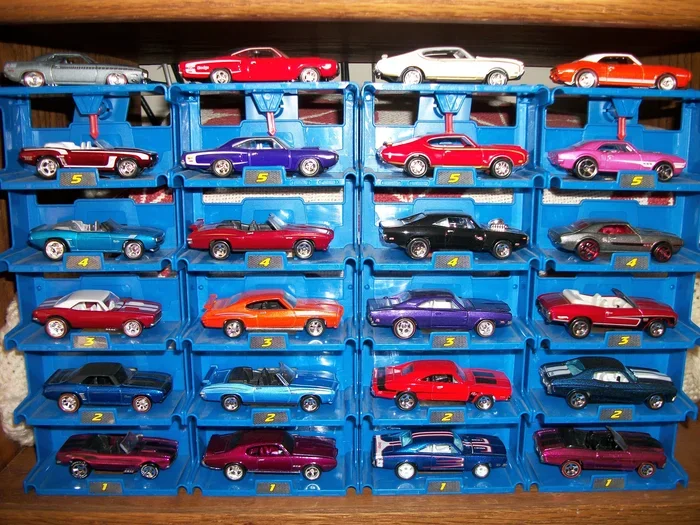
You do not need a huge budget to start collecting Hot Wheels muscle cars. Many common models can be found for just a few dollars each. Set a monthly budget and stick to it. Focus on quality over quantity. One mint-condition rare car is worth more than ten worn-out common ones. As your collection grows and your knowledge deepens, you can gradually invest in higher-value pieces.
Caring for and Storing Your Collection
Your Hot Wheels muscle cars are an investment of both money and passion. Taking proper care of them ensures they hold or increase their value over time.
Storage Best Practices
How you store your collection matters more than you might think. Direct sunlight can fade paint and damage packaging. Humidity can cause metal parts to rust. Here are some essential storage tips:
- Use UV-protected display cases: These shield your cars from harmful sunlight while letting you show them off.
- Keep them in a cool, dry place: Avoid attics, garages, and basements where temperature and humidity fluctuate wildly.
- Handle with clean, dry hands: Oils from your skin can damage paint and plastic over time.
- Store boxed cars upright: This prevents pressure on the box and keeps the packaging in good shape.
- Use individual protective sleeves: For loose cars, soft sleeves or small boxes prevent scratches and dust buildup.
Cleaning Your Hot Wheels Cars
Sometimes your Hot Wheels muscle cars need a gentle cleaning. Use a soft, damp cloth to wipe away dust. Never use harsh chemicals or abrasive materials. For stubborn grime on wheels, a soft toothbrush with a tiny bit of water works wonders. Always dry the car thoroughly after cleaning to prevent any moisture damage.
Common Mistakes Collectors Make
Even experienced collectors make mistakes. Being aware of common pitfalls can save you time, money, and frustration.
Buying Without Research
The biggest mistake new collectors make is buying without doing their homework. Before purchasing any Hot Wheels muscle car, research its production year, edition type, and current market value. A quick online search can save you from overpaying for a common model or missing out on a rare treasure.
Ignoring Condition
It is tempting to grab a cool-looking car at a low price, even if it is in rough shape. But condition directly impacts value. A damaged Hot Wheels muscle car that needs restoration may end up costing more in repairs than it is worth. Always prioritize the best condition you can afford.
Falling for Fakes
The world of collectibles has its share of reproductions and fakes. Some sellers try to pass off modern reproductions as original vintage pieces. Learn the telltale signs of authentic Hot Wheels muscle cars, such as the style of the “Hot Wheels” text on the base, the type of wheels, and the quality of the paint finish.
Overlooking the Packaging
For mint-in-box collectors, the packaging is just as important as the car itself. A perfect car in a damaged or incomplete box loses significant value. Always inspect the box carefully and factor packaging condition into your purchasing decisions.
Expert Tips for Growing Your Collection
Seasoned collectors have learned a few tricks over the years that can help you get ahead. Here are some expert insights to elevate your Hot Wheels muscle cars collection.
Join collector communities. Online forums and social media groups dedicated to Hot Wheels muscle cars are invaluable resources. Members share tips, trade cars, and alert each other to rare finds. Being part of a community keeps you informed and motivated.
Use a price guide. A reliable Hot Wheels price guide helps you understand what your cars are worth. Prices fluctuate based on condition, rarity, and demand. Check updated guides regularly to stay current with market trends.
Attend auctions and estate sales. These events often offer the best deals on Hot Wheels muscle cars. Estate sales, in particular, can be surprising sources of valuable vintage models. Arrive early, bring cash, and be ready to act fast.
Document everything. Keep records of every car in your collection. Note the model, year, condition, purchase price, and where you bought it. This inventory helps you track value over time and makes selling or insuring your collection much easier.
Think long-term. The best collections grow slowly and thoughtfully. Resist the urge to buy every car you see. Patience and discipline pay off. The right Hot Wheels muscle car at the right time can be a game-changer for your collection.
The Future of Hot Wheels Muscle Car Collecting
The world of Hot Wheels muscle cars continues to evolve. New models are released every year, and collectors’ interests shift with the times. Modern muscle car designs, electric vehicle-inspired models, and retro throwbacks all find their place in the collecting landscape. The hobby shows no signs of slowing down.
One exciting trend is the growing interest in Hot Wheels muscle cars as an investment class. More people are recognizing that well-chosen collectibles can appreciate significantly over time. This increased interest drives demand for rare and high-quality models, which in turn boosts values for serious collectors.
Technology is also changing the game. Online marketplaces make it easier than ever to find specific models, connect with sellers, and track prices. Digital inventory tools help collectors manage their collections with precision. These tools make the hobby more accessible and more rewarding for enthusiasts of all levels.
Conclusion
Hot Wheels muscle cars offer a thrilling blend of nostalgia, artistry, and investment potential. Whether you are drawn to the sleek lines of a 1968 Custom Camaro or the modern brilliance of a latest edition release, there is always something new to discover in this hobby. The key is to start with knowledge, focus on quality, and enjoy the journey.
Building a collection of Hot Wheels muscle cars is a rewarding experience that can bring joy for decades. Use the tips and insights from this guide to make informed decisions, avoid common mistakes, and grow a collection you can be proud of. The world of Hot Wheels muscle cars is waiting for you. Dive in and start your adventure today.
Frequently Asked Questions
What makes Hot Wheels muscle cars so collectible?
Hot Wheels muscle cars are collectible because they combine nostalgic design with diecast quality and cultural significance. Muscle cars represent a golden era of American automotive history, and Hot Wheels captured that spirit in miniature form. Limited editions, vintage releases, and special features like redline tires add extra appeal for serious collectors.
How can I tell if my Hot Wheels muscle car is vintage?
Look at the base of the car for the “Hot Wheels” text and the manufacturing details. Vintage Hot Wheels muscle cars from the 1960s and 1970s typically feature “Redline” tires with thin red stripes. The paint quality, packaging style, and overall design details also differ from modern releases. Comparing your car to reference guides and online databases can help confirm its age.
What is the most valuable Hot Wheels muscle car ever made?
The 1968 Custom Camaro is widely considered one of the most valuable Hot Wheels muscle cars ever produced. In mint-in-box condition, it has sold for several thousand dollars or more. Other highly valuable models include the 1969 Dodge Charger and the 1970 Chevelle SS, especially in original, unplayed condition.
How should I store my Hot Wheels muscle car collection?
Store your Hot Wheels muscle cars in a cool, dry place away from direct sunlight. Use UV-protected display cases for visible collections, and individual protective sleeves or small boxes for loose cars. Keep boxed cars upright to prevent packaging damage, and always handle them with clean, dry hands to preserve paint and finish.
Can Hot Wheels muscle cars be a good investment?
Yes, Hot Wheels muscle cars can be a solid investment, especially rare vintage models and limited editions. Like any collectible, value depends on condition, rarity, and market demand. Collectors who research thoroughly, focus on quality, and store their cars properly tend to see the best returns over time.
Where is the best place to buy Hot Wheels muscle cars for my collection?
The best places to find Hot Wheels muscle cars include online marketplaces like eBay, collector conventions, estate sales, garage sales, and specialty toy stores. Online communities and collector forums are also great for connecting with sellers and finding rare models that might not be available in regular retail stores.