How Do I Deactivate the Airbag in Your Vehicle Safely
Knowing how to deactivate the airbag in your vehicle is essential for safe repairs and installations. Whether you are replacing a steering wheel, working on a seat belt system, or installing aftermarket equipment, disabling the airbag prevents accidental deployment. This guide walks you through every step clearly and safely. You will learn the tools you need, the risks involved, and how to reactivate the system afterward.
Working on your vehicle can be rewarding. But when the task involves the airbag system, things get serious fast. The airbag is one of the most important safety features in your car. It deploys in milliseconds during a crash to protect you and your passengers. But there are times when you need to deactivate the airbag safely. Maybe you are replacing a steering column. Perhaps you are installing a new seat or working on a wiring harness. Whatever the reason, you need to know exactly what you are doing.
This guide covers everything you need to know about disabling the airbag system the right way. We will walk through each step in plain language. You will learn why airbag deactivation matters, what tools you need, and how to avoid common mistakes. By the end, you will feel confident handling this task on your own. Let us get started.
Key Takeaways
- Always disconnect the battery first: This is the single most important safety step before touching any airbag component.
- Wait at least 15 minutes: The airbag capacitor holds a charge even after you disconnect the battery.
- Use the right tools: A proper airbag reset tool and digital multimeter make the process safer and more reliable.
- Never work on airbag wiring while powered: Doing so can cause accidental deployment and serious injury.
- Document everything: Take photos and notes before disconnecting anything so reassembly is easier.
- Reactivation is just as important: Skipping proper reconnection can leave your airbag system non-functional.
- Consult your owner’s manual: Every vehicle has a slightly different airbag deactivation process.
📑 Table of Contents
Understanding Your Vehicle’s Airbag System
Before you do anything, it helps to understand what you are working with. The airbag system is not just one single part. It is a network of components that work together. Each part plays a role in keeping you safe during a collision.
Key Components of the Airbag System
- Airbag Control Unit (ACU): This is the brain of the system. It monitors sensors and decides when to deploy the airbag.
- Airbag Sensors: These detect sudden deceleration or impact. They send signals to the control unit.
- Airbag Modules: These are the actual units that deploy the airbag cushions. They are found in the steering wheel, dashboard, and seats.
- Clock Spring: This is a spiral cable in the steering column. It keeps the electrical connection active even when you turn the wheel.
- Wiring Harness: This connects all the airbag components together. It carries signals and power throughout the system.
- Airbag Fuse: This protects the airbag circuit from electrical overloads.
When you deactivate the airbag, you are essentially cutting the power and signal path to these components. This prevents accidental deployment while you work. But it also means you need to be very careful about how you do it.
How the Airbag Deploys
The airbag system works incredibly fast. When a sensor detects a crash, it sends a signal to the control unit. The control unit then triggers the airbag module. The airbag inflates in less than 30 milliseconds. That is faster than the blink of an eye. This is why you must always treat the system with respect, even when it is deactivated.
When You Might Need to Deactivate the Airbag
There are several situations where disabling the airbag is necessary. Some are planned maintenance tasks. Others are emergency situations. Let us look at the most common reasons.
Common Reasons for Airbag Deactivation
- Replacing the steering wheel or column: You cannot safely remove these parts while the airbag is live.
- Installing a new car seat or seat belt: Working near the seat-mounted airbags requires deactivation.
- Repairing dashboard wiring: Accidental contact with airbag circuits can trigger deployment.
- Transporting a vehicle with a broken airbag system: Some shops require deactivation before moving a vehicle.
- Installing aftermarket equipment: Gauges, steering knobs, or dash cameras may interfere with airbag wiring.
- Working on a vehicle after a collision: If the airbag has already deployed, the system needs to be reset and deactivated during repairs.
No matter the reason, the process is similar. The key is to follow each step carefully and never rush. Airbag safety should always come first.
Is It Legal to Deactivate the Airbag?
This is a question many people ask. In most places, deactivating the airbag for repairs or maintenance is perfectly legal. However, some regions have rules about permanently disabling the system. If you plan to remove the airbag entirely, check your local laws. In many areas, vehicles must have functioning airbags to pass inspection. Always do your research before making permanent changes.
Step-by-Step Guide to Deactivating the Airbag
Now let us get into the process itself. Follow these steps carefully every time you need to deactivate the airbag in your vehicle. Do not skip any steps.
Step 1: Park the Vehicle Safely
Start by parking on a flat, level surface. Turn off the engine and remove the key from the ignition. If your vehicle has a push-button start, press the button to turn it off. Engage the parking brake. This prevents the vehicle from rolling while you work.
Step 2: Gather Your Tools
You do not need a lot of tools for this job. But having the right ones makes the process much smoother.
- Digital multimeter: To check for residual voltage in the airbag circuit.
- Socket set and wrenches: For removing the battery terminals.
- Airbag reset tool: Some vehicles require a diagnostic tool to fully reset the system.
- Protective gloves and eyewear: Always wear these when working with airbag components.
- Owner’s manual: Your vehicle-specific guide is essential.
- Camera or phone: Take photos of connections before you disconnect them.
Step 3: Disconnect the Negative Battery Terminal
This is the most important step. Locate the negative battery terminal, usually marked with a minus sign. Use your wrench to loosen the cable and remove it from the terminal. Wrap the end of the cable with electrical tape so it cannot accidentally touch the battery again.
Do not skip this step. Even with the key removed, the vehicle’s electrical system still holds charge. Disconnecting the battery cuts power to the entire electrical system, including the airbag circuit.
Step 4: Wait at Least 15 Minutes
This is the step most people forget. The airbag control unit has a capacitor that stores electrical energy. Even after you disconnect the battery, this capacitor can hold enough charge to deploy the airbag. Wait at least 15 minutes before you touch any airbag wiring or components. For some vehicles, waiting 30 minutes is safer.
Use this time to review your owner’s manual. Look up the airbag section and note any vehicle-specific instructions. This preparation helps you avoid mistakes.
Step 5: Check for Residual Voltage
After waiting, use your digital multimeter to test the airbag connector. Set the multimeter to voltage mode. Touch the probes to the airbag connector terminals. You should read zero volts. If you still see voltage, wait a few more minutes and test again.
This step gives you peace of mind. It confirms that the system is fully deactivated before you begin working.
Step 6: Disconnect the Airbag Connector
Locate the airbag connector for the component you are working on. In most vehicles, the steering wheel airbag connector is behind the steering column cover. Seat airbag connectors are usually under the seat.
Carefully unplug the connector. Some connectors have a locking tab. Press or release the tab before pulling the connector apart. Never pull on the wires themselves. Always grip the connector housing.
Take a photo before you disconnect. This makes reassembly much easier later.
Step 7: Verify the Airbag Is Deactivated
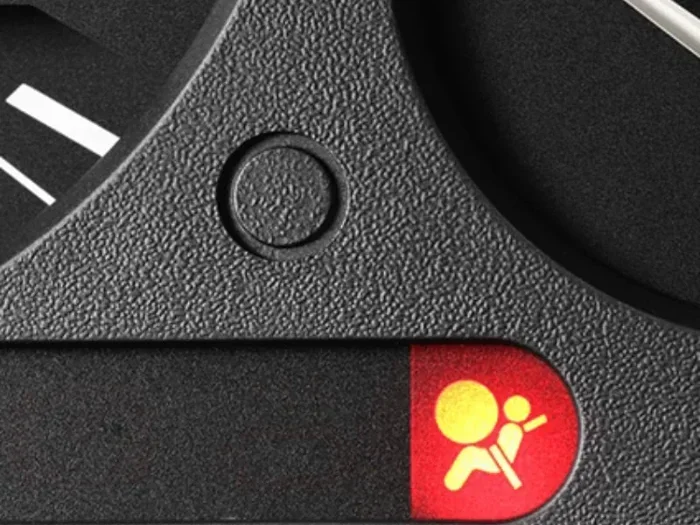
Once you have disconnected the connector, check the airbag warning light on your dashboard. If it was already on, it may stay on. If it was off, it might come on briefly and then go off. Either way, the system is now disconnected from the component you are working on.
Some vehicles have a specific airbag disable switch. If your car has one, it is usually located on the dashboard near the driver’s side. Flip the switch to the off position before starting any work.
Common Mistakes to Avoid When Disabling the Airbag
Even with the best intentions, mistakes happen. Here are the most common errors people make when trying to deactivate the airbag. Knowing these pitfalls helps you avoid them.
Skipping the Wait Time
The capacitor in the airbag control unit holds a charge for several minutes. Some people disconnect the battery and immediately start working. This is dangerous. Always wait the full 15 to 30 minutes. Patience saves lives.
Forgetting to Check the Airbag Fuse
Some vehicles have a separate airbag fuse that you can remove. This adds an extra layer of safety. Check your owner’s manual to locate the fuse box and identify the airbag fuse. Removing it before you start work is a smart precaution.
Working on a Wet or Damp Surface
Water and electricity do not mix. If your garage or workspace is wet, wait until it is dry. Moisture can cause short circuits in the airbag wiring, which could lead to unintended deployment.
Not Wearing Protective Gear
Even when the airbag is deactivated, protective gloves and eyewear are a good idea. If the airbag does deploy accidentally, you want every layer of protection you can get.
Rushing Reassembly
After you finish your work, it is tempting to rush through reassembly. Do not do this. Double-check every connection. Make sure the airbag connector is fully seated and locked. A loose connection can cause the airbag to fail when you need it most.
Ignoring the Airbag Warning Light
If the airbag light stays on after you reconnect the battery, do not ignore it. This means the system has detected a fault. Use an airbag diagnostic tool to read the error codes. Fix any issues before driving the vehicle.
Reactivating Your Airbag After Service
Once your repair or installation is complete, you need to reactivate the airbag system. This is just as important as deactivating it. A system that is not properly reactivated will not protect you in a crash.
How to Reactivate the Airbag System
- Reconnect the airbag connector: Plug it back in firmly until you hear or feel it click into place.
- Reconnect the negative battery terminal: Tighten the cable securely onto the terminal.
- Turn the ignition to the ON position: Do not start the engine yet. Just turn the key to the ON position.
- Watch the airbag warning light: It should illuminate for a few seconds and then turn off. If it stays on, there is a problem.
- Start the engine: If the light turns off, the system is functioning normally.
- Use a diagnostic tool if needed: Some vehicles require an airbag reset tool to clear error codes after service.
Testing the Airbag System
After reactivation, it is a good idea to test the system. The airbag warning light should turn off within a few seconds of starting the engine. If it does not, there may be a loose connection or a faulty component. Use an OBD-II scanner to read any stored error codes. Address these before driving the vehicle regularly.
Safety Considerations and Legal Requirements
Airbag safety is not something to take lightly. The system is designed to save lives. When it is not working correctly, it cannot do its job. Here are some important safety and legal points to keep in mind.
Airbag Safety Best Practices
- Always disconnect the battery before working on any airbag component.
- Wait the recommended time before touching any wiring.
- Wear protective gear at all times.
- Work in a dry, well-ventilated area.
- Keep your face and hands away from airbag module vents.
- Never test an airbag by powering it up outside of the vehicle.
When to Call a Professional
There are times when deactivating the airbag is best left to a professional. If you are unsure about any step in the process, consult a certified mechanic. If your vehicle has a complex airbag system, such as one with side curtain airbags or knee airbags, a professional may be the safer choice. There is no shame in asking for help. Your safety matters more than saving a few dollars on labor.
Understanding Airbag Warning Lights
The airbag warning light on your dashboard is your best friend. It tells you when something is wrong with the system. A steady light usually means a fault in the system. A flashing light may indicate a more serious issue. If the light comes on after you have been working on the airbag, check your connections first. If the light was already on before you started, have the vehicle diagnosed as soon as possible.
Airbag System Maintenance Tips
Taking care of your airbag restraint system helps it perform when you need it most. Here are a few simple maintenance tips:
- Check the airbag warning light every time you start your car.
- Replace the airbag clock spring if you notice steering wheel issues.
- Keep the airbag control unit dry and free from corrosion.
- Have the system inspected during regular vehicle maintenance.
- Replace airbag modules after any deployment, even if they appear intact.
These small habits add up over time. They help ensure your airbag system is always ready to protect you.
Key Takeaways
- Always disconnect the battery first: This is the single most important safety step before touching any airbag component.
- Wait at least 15 minutes: The airbag capacitor holds a charge even after you disconnect the battery.
- Use the right tools: A proper airbag reset tool and digital multimeter make the process safer and more reliable.
- Never work on airbag wiring while powered: Doing so can cause accidental deployment and serious injury.
- Document everything: Take photos and notes before disconnecting anything so reassembly is easier.
- Reactivation is just as important: Skipping proper reconnection can leave your airbag system non-functional.
- Consult your owner’s manual: Every vehicle has a slightly different airbag deactivation process.
Frequently Asked Questions
Can I deactivate the airbag myself, or do I need a professional?
In most cases, you can deactivate the airbag yourself by following the steps in this guide. However, if you feel unsure or uncomfortable at any point, it is perfectly fine to consult a professional mechanic. Airbag systems are safety-critical, so confidence and caution go hand in hand.
How long should I wait after disconnecting the battery before working on the airbag?
You should wait at least 15 minutes after disconnecting the negative battery terminal. This allows the airbag capacitor to fully discharge. For some vehicles, waiting 30 minutes provides an extra margin of safety. Always check your owner’s manual for the recommended wait time.
Will deactivating the airbag damage my vehicle?
No, deactivating the airbag temporarily will not damage your vehicle. The system is designed to be disabled for maintenance and repairs. Just make sure you reactivate it properly after you finish your work. Leaving the system deactivated for an extended period is not recommended.
What happens if the airbag deploys accidentally while I am working?
If the airbag deploys accidentally, stay calm. Check yourself and anyone nearby for injuries. The airbag module and any components it contacts may be damaged. Do not attempt to reset the module yourself. Have the vehicle inspected by a qualified technician before driving it again.
Do I need any special tools to deactivate the airbag?
You need basic hand tools like wrenches and sockets. A digital multimeter is highly recommended to check for residual voltage. Some vehicles also benefit from an airbag diagnostic tool or OBD-II scanner for proper system reset and error code clearing.
Is it illegal to permanently remove the airbag from my vehicle?
The laws vary by location. In many places, temporarily disabling the airbag for repairs is legal. However, permanently removing or disabling the airbag system may violate safety regulations and vehicle inspection requirements. Always check your local laws before making permanent changes to the airbag system.
Conclusion
Knowing how to deactivate the airbag safely is a valuable skill for any vehicle owner. Whether you are performing routine maintenance, replacing a component, or installing new equipment, following the proper steps keeps you safe and protects your vehicle. The process is straightforward when you take it one step at a time. Disconnect the battery, wait the recommended time, verify there is no residual voltage, and then proceed with your work.
Airbag safety should always be your top priority. Never rush the process, and never skip the safety checks. If you are ever uncertain, a certified mechanic is just a phone call away. Your airbag system is there to protect you. Taking care of it properly means it will be there when you need it most.
Now that you have this guide, you are well-equipped to handle airbag deactivation with confidence. Stay safe, take your time, and trust the process. Your vehicle and your well-being are worth it.