How Do I Know If My Air Filter Needs Changing Today
Knowing when to replace your air filter keeps your engine running smoothly and saves money on repairs. How Do I Know If My Air Filter Needs Changing? You can look for five clear warning signs, from reduced fuel economy to a dirty visual inspection. This guide walks you through each symptom, the replacement schedule, and a simple DIY check you can do in minutes.
Your car breathes about 10,000 gallons of air for every gallon of fuel it burns. That air passes through an engine air filter that catches dust, pollen, and debris. Over time, that filter gets clogged with particles. So how do I know if my air filter needs changing? The answer is simpler than you think.
A dirty air filter restricts airflow to the engine. This can cause a range of problems from poor fuel economy to engine damage. Many drivers ignore the warning signs until something goes wrong. Learning to recognize these signs early can save you money and keep your car running strong.
In this guide, I’ll show you exactly what to look for. You’ll learn the five most common symptoms, how often to replace the filter, and how to check it yourself. I’ll also share tips on cleaning versus replacing and what can happen if you skip this simple maintenance step.
Key Takeaways
- Look for these signs: Reduced fuel economy, strange engine sounds, weak airflow, check engine light, and a dirty filter are clear indicators.
- Check it yourself: You can inspect your air filter in under five minutes with no tools.
- Follow the schedule: Most vehicles need a new air filter every 12,000 to 15,000 miles, but driving conditions can change that.
- Cleaning vs. replacing: Some filters can be cleaned, but disposable paper filters should always be replaced.
- Ignoring it costs you: A dirty air filter can reduce engine performance and even cause overheating.
- DIY is easy: Changing your air filter is one of the simplest maintenance tasks you can do at home.
📑 Table of Contents
How Do I Know If My Air Filter Needs Changing? 5 Clear Signs
Your car gives you plenty of warnings before an air filter becomes a serious problem. Here are the five most common signs that it is time for an air filter replacement.
Sign 1: Reduced Fuel Economy
A clogged filter forces the engine to work harder. It burns more fuel to produce the same power. You might notice that you fill up more often than usual. Your trip computer may show a drop in miles per gallon. Even a 5 to 10 percent decrease in fuel efficiency can signal a dirty filter.
- You are visiting the gas station more frequently.
- Your vehicle feels sluggish during highway driving.
- The drop in economy happens gradually, so it is easy to miss.
Quick Tip: Track your fuel economy for a month. If you see a consistent downward trend, inspect the air filter first.
Sign 2: Strange Engine Sounds
When the filter is blocked, the engine receives an imbalanced air-fuel mixture. This can cause misfires or popping sounds during acceleration. You might also hear a rough idle or sputtering when you press the gas pedal. These engine performance issues should never be ignored.
- A coughing or sputtering noise when starting the car.
- Rough idle that feels like the engine is shaking.
- Popping sounds from the exhaust or intake area.
Quick Tip: If you hear unusual sounds, check the air filter before assuming the worst. A simple replacement often fixes the problem.
Sign 3: Weak or Sluggish Airflow
If the airflow from your vents feels weak, the cabin air filter could be the culprit. A clogged cabin filter reduces the volume of air entering the interior. You may also notice a musty smell coming from the vents. This is different from the engine air filter, but both play a role in overall vehicle comfort.
What About the Cabin Air Filter?
While the engine air filter protects your motor, the cabin air filter cleans the air you breathe inside the car. If you notice weak airflow from the vents, your cabin filter might be to blame. You might wonder, can I clean my AC filter instead of replacing it? Some reusable cabin filters can be washed, but most disposable ones need replacement. You can learn more about cleaning your AC filter instead of replacing it here.
Sign 4: Check Engine Light Comes On
The engine control unit (ECU) monitors airflow. A restricted filter can trigger the check engine light. This is often a late-stage symptom. If the light comes on, check the air filter first. It is a simple and cheap fix that can clear the warning.
- The light may flash or stay solid.
- Other symptoms like rough idle often accompany it.
- Do not ignore the light—get a diagnostic scan if needed.
Quick Tip: Keep a basic OBD2 scanner in your glove box. It can tell you if the issue is related to airflow before you visit a shop.
Sign 5: Dirty or Discolored Filter
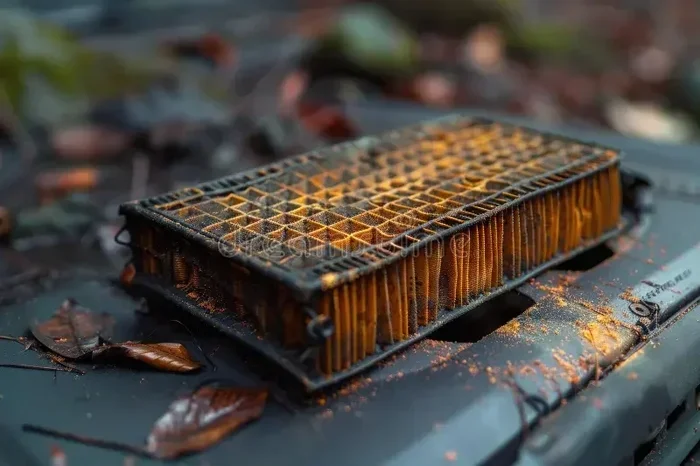
The most obvious sign is a visual inspection. A clean filter is white or light gray. A dirty filter looks dark brown or black with trapped debris. If you see heavy soot or dust, it is time for a replacement. You can do this check yourself in just a few minutes.
- Hold the filter up to sunlight or a bright flashlight.
- Look for dark streaks and clogged paper fibers.
- If light cannot pass through easily, replace it.
Quick Tip: Make it a habit to check the filter during every oil change. It takes only a minute and helps you stay ahead of problems.
How Often Should You Change Your Air Filter?
Most manufacturers suggest replacing the engine air filter every 12,000 to 15,000 miles. Check your owner’s manual for the exact interval. Some newer vehicles have maintenance reminders that tell you when it is time. However, your driving habits can change this schedule.
Manufacturer Recommendations
The owner’s manual is your best resource. It lists the recommended filter replacement interval for your specific model. Stick to this schedule for optimal engine health. If you cannot find the manual, a quick online search for your year and model will give you the answer.
Driving Conditions That Require More Frequent Changes
If you drive in dusty areas, on gravel roads, or in heavy stop-and-go traffic, you will need to change the filter more often. Short trips also cause moisture buildup inside the filter. I recommend inspecting the filter every 6,000 miles if you drive in tough conditions. While you replace the oil filter with every oil change, the air filter lasts longer. But it still needs regular attention.
Common Mistakes with Air Filter Replacement
- Waiting too long: Many drivers delay replacement until problems appear. Do not wait for symptoms.
- Using the wrong filter: Always match the filter to your vehicle’s make and model.
- Ignoring the cabin filter: The cabin filter affects air quality inside the car. Replace it on a similar schedule.
- Skipping visual checks: A quick glance can prevent costly repairs later.
How to Check Your Air Filter in Under 5 Minutes
Checking your air filter is one of the easiest maintenance tasks you can do. You do not need any special tools. Here is a simple step-by-step guide.
Locating the Air Filter Box
Open the hood and look for a black rectangular box near the engine. It is usually held by clips or screws. The air filter sits inside this box. Refer to your owner’s manual if you are not sure where it is.
Inspecting the Filter
Remove the filter and hold it up to a bright light. If you cannot see light through it, it is too dirty. Look for dark streaks and debris on the paper element. So how do I know if my air filter needs changing? If light cannot pass through, it is time for a new one. A clean filter should look white or light gray.
What You Need
- A clean workspace or garage floor.
- A flashlight for better visibility.
- A new replacement filter (match the part number).
- Gloves if you want to keep your hands clean.
Quick Tips for Accurate Inspection
- Check the filter in daylight for the most accurate view.
- Tap the filter gently against a hard surface to loosen debris.
- Never use compressed air to clean a disposable paper filter—it damages the fibers.
- Take a photo of the old filter to compare with the new one.
Cleaning vs. Replacing: What’s the Right Choice?
Not all air filters are the same. The right choice depends on the filter type and your driving conditions. Here is a quick comparison to help you decide.
| Filter Type | Can You Clean It? | Replacement Interval | Cost |
|---|---|---|---|
| Disposable Paper | No | Every 12,000–15,000 miles | $15–$30 |
| Reusable Oil-Bathed | Yes (with kit) | Every 30,000–50,000 miles | $40–$60 |
| Cabin Air (Disposable) | No | Every 15,000–20,000 miles | $20–$50 |
| Cabin Air (Reusable) | Yes | Every 20,000–30,000 miles | $30–$60 |
Disposable paper filters are the most common. They are affordable and designed to be replaced. Reusable filters cost more upfront but can last for years with proper care. If you are unsure which type you have, check your owner’s manual or ask a service advisor.
When Cleaning Is Okay
Reusable oil-bathed filters can be cleaned with a special kit. You spray the cleaner, let it soak, and then re-oil the filter. This process restores airflow and extends the filter life. However, even reusable filters should be inspected regularly. If the paper element is torn, you must replace it.
When Replacement Is the Only Option
For disposable paper filters, cleaning is not effective. The paper fibers cannot be restored once clogged. Always replace them on schedule. The cost of a new filter is much lower than the cost of engine repairs caused by a dirty filter.
The Hidden Dangers of a Dirty Air Filter
Some drivers wait until the filter is completely clogged before they act. This can lead to serious problems. Here is what can happen if you ignore a dirty air filter.
Reduced Engine Power
A restricted filter starves the engine of oxygen. The engine then runs rich, using too much fuel. This reduces acceleration and overall power. You may notice a lag when you press the gas pedal. This is a clear sign that your air filter replacement is overdue.
Overheating Risks
A severely clogged filter can cause the engine to run hot. The lack of clean air disrupts the combustion process. In some cases, a dirty air filter can even lead to overheating. If you want to understand the full risks, read about how a dirty air filter causing overheating can damage your engine.
Long-Term Damage to Engine Components
Over time, dust and debris can pass through a worn filter. These particles can damage internal engine parts. This includes the cylinders, pistons, and sensors. Repairing this damage can be very expensive. A simple air filter replacement costs a fraction of that.
What to Do If You Notice These Symptoms
If you experience any of the signs above, do not wait. Inspect the air filter immediately. If it looks dirty, replace it. If you are unsure, ask a mechanic to check it during your next service visit. Catching the problem early can prevent costly repairs.
Final Thoughts: A Simple Habit That Saves You Money
Changing your air filter is one of the easiest ways to care for your car. It takes just a few minutes and costs very little. By watching for the five signs we covered, you can catch problems early. Remember, how do I know if my air filter needs changing? Look for reduced fuel economy, strange sounds, weak airflow, a check engine light, or a dirty filter. Keep a spare filter in your trunk, and you will always be prepared. Your engine will thank you with better performance and a longer life.
Frequently Asked Questions
What is How Do I Know If My Air Filter Needs Changing??
How Do I Know If My Air Filter Needs Changing? is an important topic with many practical applications.