How Long Do Subaru Batteries Last Before You Need a New One
Subaru batteries typically last between 3 and 5 years, but driving habits, climate, and maintenance can shorten or extend that lifespan. Knowing the warning signs early helps you avoid getting stranded. This guide covers everything from battery age and voltage tests to replacement costs and DIY maintenance tips.
You turn the key or push the start button, and nothing happens. That sinking feeling hits fast. Your Subaru battery might be telling you it is done. But how long do Subaru batteries actually last before you need a new one? The answer is not as simple as a single number.
Most Subaru batteries last between 3 and 5 years. However, several factors can push that timeline shorter or longer. Driving habits, weather conditions, and even the accessories you use all play a role. In this guide, we break down everything you need to know about Subaru battery life. You will learn the warning signs, how to test your battery, and when it is time to replace it.
Whether you drive a Subaru Outback, Forester, or another model, this article has you covered. We also share practical tips to keep your battery healthy for as long as possible. Let us dive in.
Key Takeaways
- Average Lifespan: Most Subaru batteries last 3 to 5 years depending on usage and conditions.
- Climate Matters: Extreme heat and cold both reduce battery life significantly.
- Warning Signs: Slow cranking, dim lights, and dashboard alerts signal a dying battery.
- Maintenance Helps: Clean terminals and smart charging habits extend battery life.
- Replacement Cost: Expect to pay between $150 and $350 for a new Subaru battery.
- Hybrid Consideration: Subaru hybrid models have additional battery systems that need attention too.
📑 Table of Contents
- How Long Do Subaru Batteries Last on Average?
- Warning Signs Your Subaru Battery Is Dying
- How to Test Your Subaru Battery
- How to Make Your Subaru Battery Last Longer
- When Should You Replace Your Subaru Battery?
- Common Subaru Battery Mistakes to Avoid
- Subaru Battery Maintenance Schedule
- Final Thoughts
How Long Do Subaru Batteries Last on Average?
The standard answer is 3 to 5 years. But that range is wide for a reason. Your actual battery life depends on many factors that are unique to your driving situation.
Here is what affects how long your Subaru battery lasts:
- Driving frequency: Cars driven daily tend to keep batteries healthier. The alternator recharges the battery while you drive.
- Short trips: Frequent short drives do not give the alternator enough time to fully recharge the battery.
- Climate: Extreme heat and extreme cold both wear batteries down faster.
- Accessories: Lights, audio systems, and phone chargers draw power from the battery.
- Age of the battery: Even if it still works, an old battery is a weak battery.
If you live in a place with harsh winters or scorching summers, expect your battery to lean closer to the 3-year mark. In milder climates, you might stretch past 5 years comfortably.
Does Your Subaru Model Matter?
Yes, it does. Different Subaru models draw power differently. The Subaru Forester and Outback have larger electrical systems with more features. The Subaru Crosstrek and Impreza tend to have simpler setups. More electrical demands mean the battery works harder and may wear out faster.
Also, newer Subaru models with advanced tech features like automatic headlights and smart electrical systems use more power even when the car is off. This can slowly drain the battery over time.
Warning Signs Your Subaru Battery Is Dying
Catching battery problems early saves you from a frustrating roadside breakdown. Watch for these clear warning signs.
Slow Engine Crank
When you turn the key, does the engine crank slowly? A healthy battery starts the engine quickly and confidently. A slow, labored crank means the battery is struggling. This is often the first sign that replacement time is near.
Dim Dashboard or Headlights
Notice your dashboard lights looking dimmer than usual? Or your headlights flickering when you idle? These are classic signs of low battery voltage. The electrical system is not getting enough power from the battery.
Dashboard Warning Light
Modern Subarus have a battery or charging system warning light on the dashboard. If this light comes on, do not ignore it. It means the charging system is not working properly, and the battery may be failing.
Battery Age Past 3 Years
Even if your battery seems fine, get it tested after the 3-year mark. Batteries degrade slowly over time. You might not notice the decline until one morning the car just will not start.
Corroded or Swollen Battery Terminals
Check your battery terminals regularly. White or blueish powdery buildup is corrosion. A swollen or bloated battery case signals internal damage. Both conditions mean the battery needs attention fast.
How to Test Your Subaru Battery
Testing your battery is easier than you think. You do not need to be a mechanic to do it right.
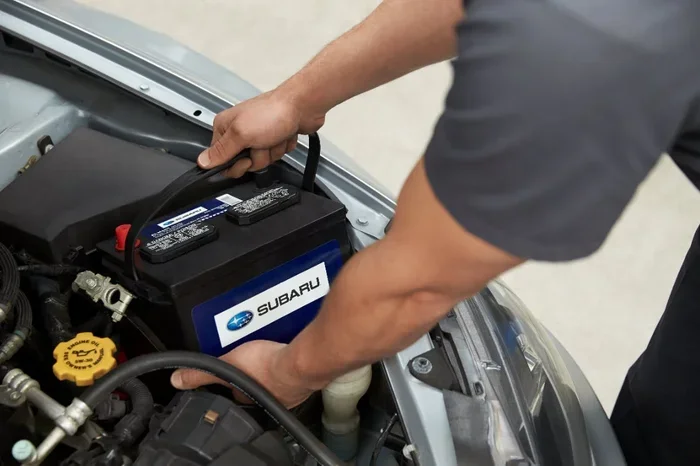
You can use a simple multimeter to check battery voltage. Set it to DC voltage and touch the probes to the battery terminals. A fully charged battery should read around 12.6 volts. Anything below 12.4 volts means the battery is weakening.
Many auto parts stores offer free battery testing. They check voltage, cold cranking amps, and overall health in minutes. This is a quick and easy way to know where your battery stands.
If you want to monitor battery health over time, consider checking hybrid battery health if you drive a Subaru hybrid model. Hybrid vehicles have both a starter battery and a high-voltage hybrid battery. Both need regular attention.
What Is Cold Cranking Amps?
Cold cranking amps, or CCA, measure how well a battery starts an engine in cold weather. Subaru batteries typically need between 400 and 600 CCA depending on the model. If you live in a cold climate, choose a battery with a higher CCA rating. This ensures reliable starts even on freezing mornings.
How to Make Your Subaru Battery Last Longer
Good habits go a long way toward extending battery life. Here are practical tips you can start today.
Avoid Short Trips When Possible
Short trips do not give the alternator enough time to recharge the battery fully. If you can, combine errands into one longer drive. This keeps the battery properly charged and healthy.
Turn Off Accessories Before Shutting Down
Before you turn off the engine, shut off the radio, lights, and phone chargers. Leaving these on drains power from the battery. Over time, this repeated draining weakens the battery.
Keep the Battery Clean
Dirt and moisture around the battery terminals cause corrosion. Wipe the terminals with a clean cloth periodically. If you see corrosion building up, clean it with a baking soda and water solution. This simple step prevents connection problems.
Drive Your Subaru Regularly
Cars that sit for long periods lose charge. If you do not drive your Subaru often, consider using a battery maintainer or trickle charger. This keeps the battery at full charge during long storage periods.
Check the Electrical System
A faulty alternator or loose belts can drain your battery faster. During routine maintenance, ask your mechanic to check the charging system. Catching electrical problems early protects your battery.
Use the Right Battery
Not all batteries are the same. When replacing your Subaru battery, use one that matches the factory specifications. Check the CCA rating, group size, and reserve capacity. Using the wrong battery can cause performance issues and shorten its lifespan.
When Should You Replace Your Subaru Battery?
Timing your battery replacement right saves money and prevents surprises. Here is when to make the switch.
Replace your battery if it is more than 4 years old and showing any warning signs. Even if it still works, an aging battery is unreliable. You do not want to find out it is dead on a cold Monday morning.
Also replace the battery if it fails a load test. Auto parts stores can run this test for free. A load test simulates real-world conditions and reveals hidden weaknesses.
If you find yourself jump-starting your car more than twice a month, the battery is on its way out. Frequent jump-starts mean the battery cannot hold a charge anymore. Replace it before it leaves you stranded.
For Subaru owners who use accessories like roof racks, winches, or aftermarket audio systems, the battery may wear out faster. These additions draw extra power. Consider upgrading to a higher-capacity battery if you use power-hungry accessories regularly.
How Much Does a Subaru Battery Replacement Cost?
A standard Subaru battery replacement costs between $150 and $350. The price includes the battery and installation labor. Premium or high-performance batteries may cost more. If you have a Subaru hybrid, the replacement cost for the hybrid battery system is significantly higher and can range from $1,000 to $3,000 or more.
Many dealerships and auto parts stores offer warranty coverage on new batteries. This gives you peace of mind. A typical warranty lasts 3 to 5 years or longer depending on the brand.
Common Subaru Battery Mistakes to Avoid
Avoid these common mistakes that shorten battery life:
- Ignoring warning signs: Dismissing slow starts or dim lights leads to bigger problems.
- Letting the battery sit too long: Batteries self-discharge over time. Drive your car regularly.
- Using the wrong battery: Always match the battery to your Subaru model specifications.
- Skipping terminal maintenance: Corrosion builds up and weakens the connection quietly.
- Overlooking the alternator: A bad alternator destroys new batteries fast. Always check the charging system.
Subaru Battery Maintenance Schedule
Follow this simple schedule to keep your battery in top shape:
- Every month: Visually inspect the battery for corrosion or damage.
- Every 6 months: Clean the terminals and check cable connections.
- Every year: Have a professional load test performed at a service center or auto parts store.
- At 3 years: Start monitoring battery health closely. Replace proactively if needed.
- At 5 years: Seriously consider replacement even if the battery seems fine.
Sticking to this schedule keeps you ahead of battery problems. It also helps you avoid the inconvenience of a dead battery at the worst possible moment.
Regular maintenance also ties into your overall Subaru care routine. Keeping up with things like using the right Subaru coolant and maintaining other fluid levels supports the entire vehicle health, including the electrical system.
Final Thoughts
Subaru batteries last between 3 and 5 years on average. But your actual experience depends on how you drive, where you live, and how well you maintain the battery. Pay attention to the warning signs. Test your battery regularly. Replace it before it fails you.
A little attention goes a long way. Clean the terminals. Drive your car often. Use the right battery. These simple habits keep your Subaru starting strong for years. You will save money, avoid surprises, and enjoy peace of mind every time you turn the key.
Take care of your Subaru battery, and it will take care of you. That is the best way to make sure your Subaru is always ready to go when you are.
Frequently Asked Questions
How long does a Subaru battery typically last?
Most Subaru batteries last between 3 and 5 years. Driving habits, climate, and maintenance all influence the exact lifespan. Regular testing helps you catch weak batteries before they fail completely.
What kills a Subaru car battery fast?
Short trips, extreme temperatures, and leaving accessories on kill batteries fast. A faulty alternator also drains the battery quickly. Corroded terminals and infrequent driving reduce battery health over time.
How do I know if my Subaru battery needs replacing?
Look for slow cranking, dim lights, dashboard warning lights, and frequent jump-starts. If the battery is over 4 years old and showing any of these signs, it is time for a replacement.
Can cold weather kill a Subaru battery?
Yes, extreme cold reduces battery capacity significantly. Cold cranking amps drop in freezing temperatures, making it harder to start the engine. Keeping the battery fully charged helps protect it in cold weather.
How much does it cost to replace a Subaru battery?
A standard battery replacement costs between $150 and $350 including installation. Hybrid battery replacements cost more, often between $1,000 and $3,000. Warranty coverage may reduce your out-of-pocket cost.
Should I replace my Subaru battery before it dies?
Yes, replacing a battery proactively prevents unexpected breakdowns. If your battery is over 4 years old, consider replacing it even if it still works. This avoids being stranded with a dead battery.