How Long Does It Take to Build a BMW from the Ground Up
Building a BMW from the ground up typically takes between 4 and 12 weeks, depending on the model, customization level, and production schedule. The process starts at a BMW factory where skilled workers assemble each vehicle with precision. Custom builds and special orders can extend the timeline further, especially during peak demand seasons.
Have you ever wondered what happens between placing a BMW order and pulling your new car out of the dealership? The journey from a blank factory floor to a finished luxury sedan or SUV is fascinating. Many car buyers don’t realize that building a BMW is a complex, multi-step process that requires careful attention to detail at every stage.
So how long does it actually take to build a BMW? The answer depends on several factors, including the model you choose, the level of customization, and where the vehicle is being produced. In this article, we’ll walk you through the entire BMW manufacturing process. You’ll learn about each stage of production, what affects build times, and how to set realistic expectations for your own BMW build time.
Whether you’re ordering a brand-new BMW or just curious about how these incredible machines come to life, this guide has everything you need. Let’s dive into the world of BMW production and discover what goes into building one of the world’s most respected luxury car brands.
Key Takeaways
- Standard BMW production takes 4 to 8 weeks for most models from the factory floor to completion.
- Custom builds and special orders can add several extra weeks to the total build time.
- The BMW manufacturing process involves over 1,000 steps including design, assembly, and quality testing.
- Optional features and packages significantly impact how long your BMW takes to build.
- Delivery timelines vary by region and depend on shipping logistics after production ends.
- Regular maintenance matters once your BMW arrives, and where you get service can affect your ownership experience.
- Understanding the build process helps you set realistic expectations and plan your purchase wisely.
📑 Table of Contents
The BMW Manufacturing Process Explained
BMW has been building cars for over a century, and their manufacturing process has evolved significantly. Today, BMW operates several production facilities around the world. Each factory follows a carefully designed assembly process to ensure every vehicle meets the brand’s high standards. The BMW manufacturing process combines advanced robotics with skilled human craftsmanship.
The production timeline for a BMW involves multiple stages. Each stage requires precision and quality control. Let’s break down what happens inside a BMW factory and how long each phase typically takes.
Inside the BMW Factory
BMW factories are massive operations that can produce thousands of vehicles per day. The main production facilities are located in Germany, the United States, Mexico, China, and South Africa. Each factory follows a similar general process, though some details vary by location.
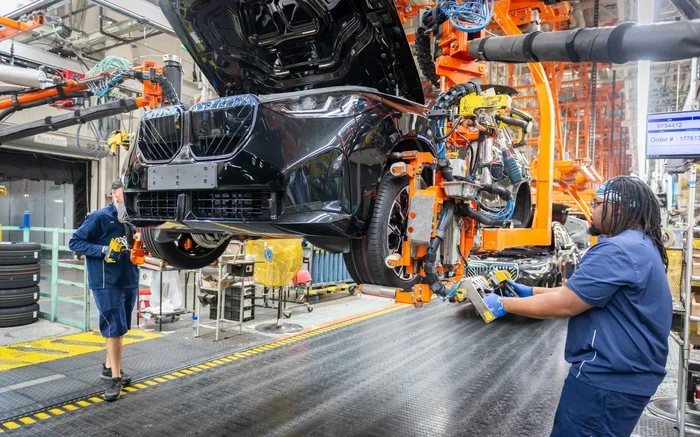
When you look at a BMW assembly line, you’ll see a combination of automated systems and human workers. Robots handle the heavy lifting and repetitive tasks. Humans oversee quality control and handle complex adjustments. This blend of technology and craftsmanship is what makes BMW vehicles so reliable and well-built.
The factory floor is organized into different zones. Each zone handles a specific part of the assembly process. Vehicles move through these zones on conveyor systems. Workers at each station add components and perform checks before the car moves to the next stage.
From Design to Assembly
Before any metal gets cut or any parts get assembled, the design phase takes place. BMW engineers and designers spend months developing new models and refining existing ones. The BMW production schedule is planned well in advance based on market demand and seasonal trends.
Once a design is finalized, the production team creates detailed specifications. These specifications guide every step of the assembly process. From the engine type to the interior trim, every detail is planned before the first vehicle rolls off the line.
The actual assembly process begins with the body shop. Here, the car’s frame and body panels are welded together. Robots perform most of the welding to ensure consistency and precision. After the body is complete, it moves to the paint shop where it receives its color coating.
Next comes the final assembly area. This is where the engine, transmission, interior components, and electronics are installed. Workers carefully bolt in each part and run initial systems checks. The vehicle then moves to the quality control station for a thorough inspection.
How Long Does It Take to Build a BMW?
The BMW production time varies depending on the model and configuration. A standard BMW build typically takes around 4 to 8 weeks from start to finish. However, this timeline can stretch significantly for custom orders or during periods of high demand.
Let’s look at the typical timeline for different scenarios. Understanding these timeframes will help you plan your purchase and set realistic expectations.
Standard Production Timeline
For a standard BMW build with minimal customization, the process usually follows this general timeline:
- Week 1 to 2: The body is welded together and prepared for painting.
- Week 2 to 3: The vehicle receives its paint coat and primer. It then cures in a drying oven.
- Week 3 to 5: The engine and drivetrain are installed. Interior components like seats, dashboard, and trim are added.
- Week 5 to 6: Electronics, wiring, and software systems are integrated. Initial diagnostics are performed.
- Week 6 to 8: The vehicle undergoes final quality inspections and test drives on the factory track.
Most standard BMW models move through this process relatively smoothly. The factory produces these models in large numbers, so the workflow is well-optimized. Popular models like the BMW 3 Series and BMW X5 often have shorter build times because of high production volume.
Custom Build vs Standard Production
Custom builds take considerably longer than standard production. When you choose a custom BMW build with specific options and features, the factory needs to allocate additional time for your vehicle. This is similar to how custom car orders work across the industry.
Here are some reasons why custom builds take longer:
- Special paint colors: Unique or premium paint finishes require extra drying and curing time.
- Bespoke interior options: Custom leather, special trim materials, and unique stitching patterns need careful hand-installation.
- Specific feature combinations: Some option packages are less common, so they may require additional setup time on the assembly line.
- Production scheduling: Custom orders may be slotted into specific production runs, which can delay the start of your build.
A fully custom BMW build can take anywhere from 8 to 12 weeks or even longer. The exact timeline depends on how many custom features you select and the current production backlog at the factory.
Factors That Affect BMW Build Time
Several key factors influence how long it takes to build your BMW. Understanding these factors can help you make smart decisions when configuring your order. Some factors are within your control, while others depend on external circumstances.
Model Selection and Trim Levels
The BMW model you choose plays a big role in production time. Popular models with high demand often have shorter build queues because factories prioritize high-volume production. Less common models or niche variants may take longer because they are produced in smaller batches.
For example, a standard BMW 330i might roll off the line faster than a BMW M3 Competition with a manual transmission. The M3 Competition involves more specialized components and a more complex assembly process. Similarly, larger SUVs like the BMW X7 require more materials and labor hours than smaller sedans.
The trim level also matters. Higher trims with more features require additional installation steps. A base-level BMW may move through the assembly line faster than a top-tier Luxury or M Sport variant with all the available options.
Optional Features and Packages
Every optional feature you add to your BMW order adds complexity to the build process. Here are some common options that can extend production time:
- M Sport package: Adds sporty trim, upgraded suspension, and unique styling elements.
- Premium interior packages: Include premium leather, ambient lighting, and upgraded sound systems.
- Driving assistance packages: Require additional sensors, cameras, and software calibration.
- Special wheels and tires: Custom wheel designs may need different mounting procedures.
- Extended warranty or maintenance packages: These are typically added after production but can affect delivery scheduling.
The more options you select, the longer your vehicle stays in the production queue. This is because each option needs to be sourced, installed, and tested individually. BMW factories are incredibly efficient, but they still need time to handle complex configurations.
Factory Location and Production Capacity
BMW operates multiple factories worldwide, and each has its own production capacity and schedule. The BMW manufacturing plant in Spartanburg, South Carolina, for example, produces many of the SUVs sold in North America. The Munich factory in Germany handles a wide range of models and is the brand’s primary production hub.
Production capacity varies by facility. Some factories run multiple shifts per day to meet demand. Others may operate on reduced schedules during periods of low demand or supply chain disruptions. These factors directly affect how quickly your BMW gets built.
Global events like supply chain shortages or factory shutdowns can also impact build times. During the COVID-19 pandemic, many BMW factories reduced production or temporarily closed. These disruptions created significant backlogs that are still affecting delivery timelines in some markets.
From Factory to Your Driveway
Once your BMW rolls off the assembly line, the journey isn’t quite over. The vehicle still needs to be transported, processed, and delivered to your dealership. This post-production phase adds additional time to the overall process.
Shipping and Logistics
After production, BMW vehicles are loaded onto specialized transport trucks or trains. They are shipped to distribution centers and then forwarded to dealerships. This logistics chain can take anywhere from a few days to several weeks, depending on the distance between the factory and your local dealer.
International shipping adds even more time. If your BMW is built in Germany but you live in the United States, the vehicle needs to be loaded onto a cargo ship. Ocean transit alone can take two to four weeks. Add customs clearance and inland transportation, and you’re looking at several more weeks.
Some buyers choose to wait for a vehicle already in transit or sitting at a dealership. This approach can significantly reduce your wait time. However, it limits your ability to customize the vehicle exactly to your preferences.
What Happens After Production
Before your BMW reaches the dealership, it goes through a final inspection process. Dealership technicians check the vehicle for any shipping damage or production defects. They also perform a pre-delivery inspection (PDI) that includes fluid checks, tire pressure verification, and systems testing.
Once the PDI is complete and the vehicle passes inspection, it’s ready for sale. The dealership will contact you to schedule a delivery appointment. This is the exciting moment when you finally get to take your new BMW home.
It’s worth noting that the entire process, from order to delivery, can sometimes take longer than expected. Patience is key when ordering a new BMW. Staying in communication with your dealer helps you track your vehicle’s progress and get accurate delivery estimates.
Maintaining Your New BMW
Once your BMW arrives, proper maintenance becomes your top priority. Regular service keeps your vehicle running smoothly and helps preserve its value. BMW owners should follow the manufacturer’s recommended maintenance schedule closely.
One question many new BMW owners ask is whether it matters where they get their car serviced. The answer is yes. Does it matter where I get my oil changed? Absolutely. Using a certified BMW technician or a trusted specialist ensures that your vehicle receives the right fluids, parts, and expertise. Generic quick-lube shops may not have the specific knowledge needed for BMW engines and systems.
Regular maintenance tasks for a new BMW include:
- Oil changes every 5,000 to 10,000 miles depending on the model
- Tire rotations and alignment checks
- Brake inspections and pad replacements
- Coolant system flushes
- Software updates and diagnostic checks
Staying on top of these tasks helps prevent costly repairs down the road. It also ensures your BMW continues to deliver the driving experience you expect from a luxury vehicle.
Key Takeaways
- Standard BMW production takes 4 to 8 weeks from start to finish at the factory.
- Custom builds and special orders can add several extra weeks to the total timeline.
- The BMW manufacturing process involves over 1,000 steps including body welding, painting, assembly, and quality testing.
- Optional features and packages significantly impact how long your BMW takes to build.
- Delivery timelines vary by region and depend on shipping logistics after production ends.
- Regular maintenance matters once your BMW arrives, and where you get service can affect your ownership experience.
- Understanding the build process helps you set realistic expectations and plan your purchase wisely.
Conclusion
Building a BMW is a remarkable process that combines cutting-edge technology with skilled craftsmanship. From the first weld on the factory floor to the final quality inspection, every step matters. The BMW build time typically ranges from 4 to 12 weeks, with custom orders taking the longest.
Understanding the factors that affect production time helps you make informed decisions when ordering your next BMW. Choose your options carefully, communicate with your dealer, and be patient during the wait. The result is a vehicle that is built exactly to your specifications and ready to deliver an incredible driving experience.
Once your BMW arrives, don’t forget that proper maintenance is the key to long-term enjoyment. Find a qualified service provider, follow the maintenance schedule, and take care of your investment. A well-maintained BMW can provide years of driving pleasure and retain its value over time.
Whether you’re building a standard model or going all-out with custom features, the wait is worth it. Your new BMW represents the culmination of advanced engineering and premium craftsmanship. Enjoy every mile of the journey, from the factory floor to the open road.
Frequently Asked Questions
How long does a BMW take to build from start to finish?
A standard BMW build takes approximately 4 to 8 weeks at the factory. Custom builds with extensive options can take 8 to 12 weeks or longer. The total time from order to delivery, including shipping, may add several more weeks to the process.
Can I speed up the BMW build process?
You can choose a vehicle that is already in production or available at a dealership to reduce wait times. Selecting fewer custom options also helps shorten the build timeline. Your dealer can check current production schedules and availability to find the fastest path to your new BMW.
Where are BMW vehicles manufactured?
BMW operates manufacturing plants in Germany, the United States, Mexico, China, and South Africa. The Spartanburg, South Carolina plant produces many SUVs for the North American market. The Munich facility in Germany is the brand’s primary production hub and builds a wide range of models.
Does choosing more options make my BMW take longer to build?
Yes, selecting more optional features and packages extends the build time. Each additional option adds complexity to the assembly process. Special paint colors, premium interiors, and advanced technology packages all require extra time for sourcing, installation, and testing.
How can I track my BMW build progress?
Your BMW dealer can provide build status updates using your vehicle’s production number. BMW also offers online tracking tools through their customer portal. Regular communication with your dealer is the best way to stay informed about where your vehicle is in the production and delivery process.
Is it better to buy a BMW that’s already built or order a custom one?
Buying a pre-built BMW at a dealership is faster and gives you immediate access to the vehicle. However, ordering a custom BMW allows you to choose exact colors, features, and specifications. The trade-off is a longer wait time. Consider your priorities and timeline when deciding between the two options.