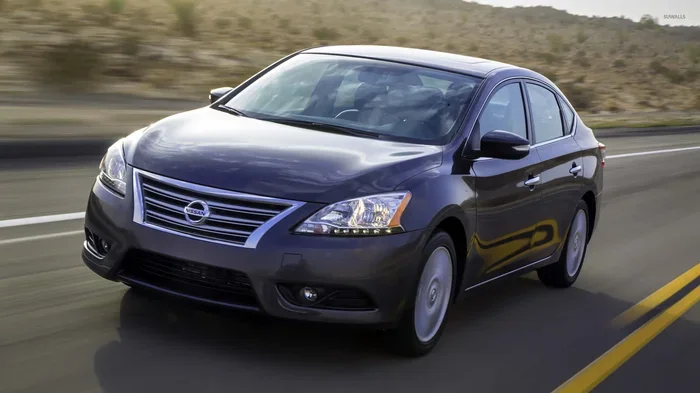
How Many Miles Per Gallon Does a Nissan Sentra Get
The Nissan Sentra delivers an impressive 39 mpg on the highway and 33 mpg in the city, making it one of the most fuel-efficient sedans in its class. Whether you drive a 2024 Sentra or an older model, understanding your MPG helps you save money on gas and plan longer trips with confidence. Below, we cover every trim level, driving condition, and practical tip to maximize your Sentra’s fuel economy.
The Nissan Sentra has been a staple in the compact sedan market for decades. It offers reliability, affordability, and a surprisingly strong fuel economy that makes it a favorite among daily commuters and road trippers alike. If you are shopping for a fuel-efficient car or already own a Sentra, understanding its miles per gallon rating is essential.
In this guide, we break down the Sentra MPG across every trim level, driving condition, and model year. We also share practical tips to help you get the most out of every gallon. Whether you want to know about city driving, highway cruising, or how your driving habits affect fuel consumption, this article covers it all.
Fuel economy is not just a number on a sticker. It directly impacts your monthly budget, your carbon footprint, and your overall driving experience. A car that sips gas gives you more freedom to drive farther without worrying about the next fill-up. The Nissan Sentra stands out in the compact sedan segment because it balances performance with efficiency. Let us dive into the numbers and see what makes the Sentra such a strong contender.
Key Takeaways
- Highway MPG: The Nissan Sentra achieves up to 39 mpg on the highway, making it ideal for long commutes and road trips.
- City MPG: Expect around 33 mpg in city driving conditions with stop-and-go traffic.
- Combined Rating: The EPA combined MPG sits at approximately 36 mpg for most model years.
- Trim Differences: Different Sentra trims like the S, SV, and SR offer similar fuel economy with slight variations.
- Real-World vs. EPA: Actual mileage can vary based on driving habits, maintenance, and road conditions.
- Fuel Tank Size: The Sentra’s tank holds around 12.2 gallons, giving you a range of roughly 475 miles on a full tank.
- Maintenance Matters: Regular tune-ups and clean air filters help keep your Sentra running at peak efficiency.
📑 Table of Contents
- Understanding Nissan Sentra MPG Ratings
- Sentra MPG by Trim Level
- City vs Highway Fuel Economy
- How to Maximize Your Sentra’s Fuel Economy
- Real-World Sentra MPG: What Owners Report
- Nissan Sentra Fuel Range and Cost Savings
- How the Sentra Compares to Competitors
- Common Mistakes That Reduce Your Sentra’s MPG
- Expert Tips for Sentra Owners
- Conclusion
Understanding Nissan Sentra MPG Ratings
The EPA rates every new car with specific fuel economy numbers. These ratings give buyers a standard way to compare vehicles. The Nissan Sentra consistently ranks well in its class thanks to its lightweight design and efficient four-cylinder engine. But what do these numbers actually mean for your daily driving?
What Does MPG Mean?
MPG stands for miles per gallon. It tells you how far your car can travel on one gallon of gasoline. A higher number means better fuel economy. For example, if your Sentra gets 39 mpg on the highway, you can drive 39 miles on a single gallon of fuel. Over time, this adds up to significant savings at the gas station.
EPA Ratings for the Nissan Sentra
The EPA provides three key MPG figures for every vehicle:
- City MPG: Measures fuel economy in stop-and-go urban driving.
- Highway MPG: Measures fuel economy at steady interstate speeds.
- Combined MPG: A weighted average of city and highway driving.
For the latest Nissan Sentra models, the EPA estimates are as follows:
- City: 33 mpg
- Highway: 39 mpg
- Combined: 36 mpg
These numbers make the Sentra one of the best fuel-efficient sedans under $20,000. Compared to competitors like the Honda Civic and Toyota Corolla, the Sentra holds its own in the miles per gallon department. The Sentra’s naturally aspirated 2.0-liter four-cylinder engine is tuned for efficiency rather than raw power, which is exactly what most buyers want in a daily driver.
Sentra MPG by Trim Level
Nissan offers several trim levels for the Sentra, including the S, SV, SR, and Limited editions. Each trim comes with different features, but the fuel economy remains remarkably consistent across the lineup. The base engine is the same 2.0-liter four-cylinder in every trim, so your MPG does not change much based on which version you choose.
Nissan Sentra S
The Sentra S is the entry-level trim. It comes standard with a 2.0-liter engine producing 149 horsepower. The fuel economy for this trim is 33 mpg city and 39 mpg highway. This is the most affordable way to own a Sentra and still enjoy excellent gas mileage.
Nissan Sentra SV
The SV trim adds more comfort and technology features. It includes a larger touchscreen, blind-spot monitoring, and a sunroof. Despite these additions, the MPG rating remains the same at 33/39 mpg. The slight weight increase from extra features is offset by the engine’s efficiency.
Nissan Sentra SR
The SR trim focuses on sportier styling and handling. It features upgraded suspension, larger wheels, and unique exterior accents. The gas mileage is still rated at 33 city and 39 highway. If you want a more engaging driving experience without sacrificing fuel economy, the SR is a great choice.
Nissan Sentra Limited
The Limited trim is the top-of-the-line Sentra. It includes leather seats, premium audio, and advanced driver-assistance features. The fuel efficiency remains at 33/39 mpg across all trims. This consistency makes the Sentra a smart pick regardless of your budget.
City vs Highway Fuel Economy
Understanding the difference between city and highway MPG is crucial for planning your trips and budgeting for gas. The Sentra performs differently in these two driving environments, and knowing why can help you optimize your fuel usage.
City Driving MPG
City driving involves frequent stops, starts, and lower speeds. The engine works harder in stop-and-go traffic because it must accelerate from a standstill repeatedly. The Sentra gets an EPA-rated 33 mpg in the city, which is above average for a compact sedan. Factors like traffic congestion, idling at intersections, and short trips all affect your real-world city MPG.
If you drive in a heavily congested urban area, you might see your city MPG drop to around 28 or 29 mpg. Aggressive acceleration and hard braking also reduce fuel economy. The key to maximizing city MPG is to drive smoothly and maintain a steady pace whenever possible.
Highway Driving MPG
Highway driving is where the Sentra truly shines. At steady speeds of 55 to 70 mph, the engine operates efficiently and the aerodynamics of the sedan body help reduce drag. The Sentra achieves an impressive 39 mpg on the highway, making it one of the best in its class.
If you have a long commute on the interstate, the Sentra will reward you with fewer fill-ups. The 12.2-gallon fuel tank means you can travel roughly 475 miles on a single highway trip. This is a huge advantage for road trips and long-distance driving. To learn more about how far a full tank can take you, check out our guide on how long a full tank of gas lasts.
Combined MPG
The EPA combined rating of 36 mpg is a weighted average that reflects a mix of city and highway driving. Most drivers will see their real-world combined MPG fall somewhere between 34 and 38 mpg depending on their driving style and conditions.
How to Maximize Your Sentra’s Fuel Economy
Getting the best MPG from your Nissan Sentra is not just about the car itself. Your driving habits, maintenance routine, and even the fuel you use all play a role. Here are proven strategies to squeeze every mile out of each gallon.
Drive Smoothly and Steadily
Aggressive driving wastes fuel. Rapid acceleration and hard braking can lower your gas mileage by 15 to 30 percent at highway speeds. Instead, accelerate gently and maintain a steady speed. Use cruise control on long highway stretches to keep your speed consistent.
Keep Your Tires Properly Inflated
Underinflated tires create more rolling resistance, which forces the engine to work harder. Check your tire pressure at least once a month. The recommended pressure for the Sentra is typically around 32 psi, but you can find the exact number on the sticker inside the driver’s door frame.
Reduce Excess Weight
Carrying unnecessary weight in your trunk or cabin makes the engine work harder. Remove heavy items you do not need and avoid hauling heavy loads unless absolutely necessary. Every extra 100 pounds can reduce your MPG by about 1 percent.
Use the Right Oil
Using the manufacturer-recommended motor oil helps your engine run efficiently. Synthetic oils can reduce friction and improve fuel economy slightly. Check your owner’s manual for the correct oil weight and change intervals.
Keep Up with Maintenance
Regular maintenance keeps your Sentra running at its best. A dirty air filter can reduce fuel economy by up to 10 percent. Spark plugs, oxygen sensors, and fuel injectors all need to be in good working order for optimal efficiency. To learn more about how maintenance affects your car’s performance, read our article on does it matter where I get my oil changed.
Plan Your Trips Wisely
Combining errands into a single trip saves fuel because a warmed-up engine is more efficient than a cold one. Avoid driving during peak traffic hours when possible, and try to route your trips to minimize stop-and-go driving.
Use the Right Fuel
The Nissan Sentra runs perfectly well on regular unleaded gasoline. You do not need premium fuel. Using premium when your car does not require it wastes money without any benefit to fuel economy or engine performance.
Real-World Sentra MPG: What Owners Report
EPA ratings are based on controlled testing, but real-world MPG can differ. Many Sentra owners report their actual fuel economy on forums and review sites. Here is what you can expect based on owner reports and independent testing.
Average Real-World MPG
Most Sentra owners report real-world MPG within 10 percent of the EPA rating. A common range is:
- City: 28 to 34 mpg
- Highway: 35 to 42 mpg
- Combined: 32 to 38 mpg
Drivers who follow fuel-efficient driving techniques often report higher numbers. Those who drive aggressively or in heavy traffic tend to see lower results. The Sentra’s 2.0-liter engine is a proven performer, and with proper care, it will deliver excellent fuel economy for years.
Factors That Affect Real-World MPG
Several factors influence your actual fuel economy:
- Driving Style: Aggressive driving reduces MPG significantly.
- Traffic Conditions: Heavy congestion lowers city MPG.
- Weather: Cold weather reduces fuel efficiency.
- Road Terrain: Hilly roads use more fuel than flat highways.
- Air Conditioning: Using AC at high settings reduces MPG by 5 to 10 percent.
- Vehicle Age: Older Sentras may see slightly lower MPG due to wear.
To determine if your car is running efficiently, you can check how well your vehicle uses gas by following our guide on how to tell if a car is good on gas. This can help you identify potential issues early and keep your Sentra running at peak efficiency.
Nissan Sentra Fuel Range and Cost Savings
One of the best things about the Sentra’s fuel economy is the range it provides. With a 12.2-gallon tank and 39 mpg highway, you can cover over 475 miles on a single tank. This means fewer trips to the gas station and more time enjoying the drive.
Annual Fuel Cost Estimate
The U.S. Department of Energy estimates the annual fuel cost for a Nissan Sentra at around $1,500 to $1,800 based on 15,000 miles driven per year and an average gas price of $3.50 per gallon. This is significantly lower than many competing sedans and SUVs. Over five years of ownership, you could save thousands of dollars on fuel compared to less efficient vehicles.
Is It Better to Fill Up Completely or Half?
Some drivers wonder whether filling the tank completely or keeping it half full is better for fuel economy. The truth is that a full tank is slightly more efficient because it reduces the weight of fuel you are carrying. However, the difference is minimal. For a deeper dive into this topic, check out our article on whether it is better to fill a gas tank full or half.
How the Sentra Compares to Competitors
The Nissan Sentra faces stiff competition from the Honda Civic, Toyota Corolla, Hyundai Elantra, and Mazda3. Let us look at how the Sentra stacks up in terms of fuel economy.
Sentra vs Honda Civic
The Honda Civic gets similar MPG ratings, with the base Civic LX rated at 33 city and 42 highway. The Sentra’s 33/39 rating is slightly lower on the highway but still very competitive. Both cars offer excellent fuel economy in the compact sedan segment.
Sentra vs Toyota Corolla
The Toyota Corolla hybrid achieves an impressive 52 mpg combined, which is significantly better than the Sentra. However, the non-hybrid Corolla gets 31 city and 40 highway, which is close to the Sentra’s numbers. The Sentra offers a lower starting price, making it a strong value proposition.
Sentra vs Hyundai Elantra
The Hyundai Elantra gets 33 city and 43 highway in its base trim. This is slightly better than the Sentra on the highway. However, the Sentra offers a more refined ride and better interior quality in many trims.
Overall, the Sentra holds its own against the competition. Its fuel economy is among the best in the class, and its lower price point makes it an attractive option for budget-conscious buyers.
Common Mistakes That Reduce Your Sentra’s MPG
Avoiding these common mistakes can help you maintain optimal fuel economy in your Nissan Sentra.
- Ignoring the Check Engine Light: A glowing check engine light can indicate problems that reduce fuel efficiency. Address it promptly.
- Using the Wrong Oil: Heavy-weight oils create more engine friction and reduce MPG.
- Idling for Long Periods: Idling wastes fuel. Turn off the engine if you are parked for more than a minute.
- Carrying a Roof Rack: Roof racks increase aerodynamic drag and lower highway MPG. Remove them when not in use.
- Delayed Maintenance: Skipping oil changes and air filter replacements hurts fuel economy over time.
Expert Tips for Sentra Owners
Here are some insider tips from experienced Sentra owners and automotive experts to help you get the best fuel economy possible.
- Warm Up Your Car Briefly: Modern Sentras do not need a long warm-up. Driving gently for the first few minutes is the best way to warm the engine.
- Monitor Your MPG: Use your trip computer or a fuel-tracking app to monitor your real-time MPG. This helps you adjust your driving habits.
- Keep Windows Closed at Highway Speeds: Open windows create drag that reduces fuel economy. Use the air conditioning at highway speeds instead.
- Choose the Right Gas Station: Not all gasoline is the same. Top-tier gasoline from brands like Chevron, Shell, or Costco can help keep your engine clean and running efficiently.
Conclusion
The Nissan Sentra delivers impressive miles per gallon that make it one of the most fuel-efficient compact sedans on the market. With 33 mpg in the city, 39 mpg on the highway, and a combined 36 mpg, the Sentra offers excellent value for budget-conscious buyers. Whether you choose the base S trim or the fully loaded Limited, you get the same strong fuel economy across the board.
Maximizing your Sentra’s MPG comes down to driving habits, regular maintenance, and smart fuel choices. Keep your tires inflated, drive smoothly, stay on top of oil changes, and plan your trips efficiently. These simple steps can help you save hundreds of dollars on fuel each year.
The Sentra proves that you do not need to spend a fortune to own a car that sips gas. Its combination of affordability, reliability, and fuel efficiency makes it a standout choice in the compact sedan segment. If you are in the market for a new or used sedan, the Nissan Sentra deserves a spot at the top of your list.
Frequently Asked Questions
How many miles per gallon does a Nissan Sentra get on the highway?
The Nissan Sentra gets an EPA-rated 39 miles per gallon on the highway. Real-world highway MPG for most owners ranges from 35 to 42 mpg depending on driving speed, wind conditions, and terrain. This makes the Sentra one of the best highway fuel economy sedans in its price range.
What is the city MPG for a Nissan Sentra?
The Nissan Sentra gets 33 mpg in city driving conditions according to EPA estimates. City MPG can vary based on traffic congestion, driving habits, and short-trip frequency. Most real-world city MPG falls between 28 and 34 mpg.
Is the Nissan Sentra good on gas compared to other sedans?
Yes, the Sentra is one of the most fuel-efficient sedans in its class. Its combined MPG of 36 is competitive with the Honda Civic, Toyota Corolla, and Hyundai Elantra. The Sentra’s 2.0-liter engine is optimized for efficiency rather than raw power, which helps it deliver strong gas mileage.
How far can a Nissan Sentra go on a full tank of gas?
With a 12.2-gallon fuel tank and an average of 36 mpg combined, the Sentra can travel approximately 440 miles on a full tank. On the highway at 39 mpg, that range increases to roughly 475 miles. This makes the Sentra a great choice for long road trips without frequent stops.
Does the Nissan Sentra trim level affect fuel economy?
No, all Sentra trims use the same 2.0-liter four-cylinder engine and achieve the same EPA fuel economy ratings of 33 city and 39 highway. The trim level affects features and styling but does not change the MPG rating in any meaningful way.
How can I improve my Nissan Sentra’s fuel economy?
You can improve your Sentra’s MPG by driving smoothly, keeping tires properly inflated, reducing excess weight, using the recommended motor oil, and staying current with maintenance. Avoid aggressive acceleration, excessive idling, and carrying unnecessary items in your vehicle. These simple habits can add 2 to 5 mpg to your real-world fuel economy.