How Many Quarts of Oil Do I Need for Your Car Engine
Knowing how many quarts of oil your engine needs is one of the simplest yet most important parts of car maintenance. The right oil level protects your engine from wear, overheating, and costly damage. This guide walks you through finding your vehicle’s exact capacity, checking your oil level, and choosing the best oil for your car.
Your car’s engine is a complex machine. And at the heart of it all is motor oil. Oil keeps every moving part lubricated, cool, and clean. But here is the thing many car owners overlook: you need the right amount of oil. Too little and your engine suffers. Too much and you create new problems. So how many quarts of oil do you actually need? Let us walk through it together.
Whether you are a first-time car owner or someone who has been driving for years, this guide will help you understand engine oil capacity. We will cover how to find your car’s specific needs, how to check your oil level, and what to do when it is time for a change. By the end, you will feel confident about taking care of your engine.
Key Takeaways
- Check your owner’s manual: It is the most reliable source for your car’s exact oil capacity.
- Engine size matters: Smaller engines need fewer quarts, while larger engines hold more oil.
- Always check the dipstick: Even if you know the capacity, the dipstick tells you the real-time level.
- Don’t overfill: Too much oil can cause foaminess and engine damage just like too little.
- Change your oil filter too: A fresh filter keeps your new oil clean and flowing properly.
- Synthetic vs. conventional: Both work fine, but synthetic offers better protection in extreme conditions.
📑 Table of Contents
Understanding Your Engine’s Oil Capacity
Every engine has a specific oil capacity. This is the total volume of oil the crankcase can hold. Think of it like the fuel tank. Your car does not use a one-size-fits-all amount. The capacity depends on several factors. Let us break them down.
What Determines Oil Capacity?
Several things affect how much oil your engine holds. The first is engine size. A small four-cylinder engine usually holds less oil than a larger V6 or V8. The design of the engine block matters too. Some engines have bigger oil reservoirs than others.
Another factor is the oil filter type. Some filters hold more oil than others. When you change the filter, that oil stays in the system. So the total capacity includes both the crankcase and the filter.
Here are the main factors that determine oil capacity:
- Engine size and configuration (four-cylinder, V6, V8, etc.)
- Oil filter design and capacity
- Engine brand and model
- Year of manufacture
- Whether the engine uses a dry or wet sump system
Most passenger cars fall between 4 and 6 quarts. But there are always exceptions. A compact car might need only 3.5 quarts. A full-size truck could need 8 or more. This is why guessing is a bad idea. Always look up your specific vehicle.
How to Find Your Car’s Oil Capacity
Finding your car’s oil capacity is easier than you think. You do not need to be a mechanic. There are several reliable sources you can use right at home.
Check Your Owner’s Manual
Your owner’s manual is the gold standard. It was written specifically for your car. Open to the maintenance section. You will find the exact oil capacity listed there. It will also tell you the recommended oil type and viscosity grade. For example, it might say something like “5.0 quarts of 5W-30 conventional oil with a new filter.”
If you do not have the physical manual, you can usually find a digital version on the manufacturer’s website. Just enter your vehicle’s year, make, and model.
Look Online or Use a Parts Catalog
Websites like the manufacturer’s official site or trusted auto parts retailers list oil capacities by vehicle. You can also check your local dealership service department. They have access to detailed specs for every model they sell.
Another great resource is online parts catalogs. These let you search by vehicle and pull up the exact oil capacity and filter part number. It takes just a few minutes.
Ask a Professional
If you are still unsure, ask a professional. Any qualified mechanic or service advisor can tell you the oil capacity in seconds. Many quick-lube shops will also check this for free when you come in for an oil change.
Common Oil Capacities by Engine Size
While every car is different, there are some general ranges you can expect. Here is a rough guide to help you get a ballpark idea.
Small Engines (4-Cylinder, 1.5L to 2.5L)
Small engines in compact cars and sedans typically hold between 3.5 and 4.5 quarts. These engines are common in economy cars and daily drivers. They use less oil because the crankcase is smaller. A Toyota Corolla with a 1.8L engine, for example, needs about 4.2 quarts with a filter change.
Medium Engines (4-Cylinder to V6, 2.5L to 4.0L)
Mid-size sedans and SUVs usually need between 4.5 and 6 quarts. These are the most common engines on the road today. A Toyota Camry with a 2.5L four-cylinder typically holds around 5.3 quarts. A V6 version of the same vehicle might need closer to 6 quarts.
Large Engines (V6 to V8, 4.0L and Up)
Larger engines in trucks, vans, and performance vehicles can hold 6 to 8 quarts or more. These engines have bigger crankcases and often use more oil overall. If you drive a truck with a V8, always double-check the capacity before filling up.
Keep in mind that these are general numbers. Always verify with your owner’s manual or a trusted source for your specific vehicle.
How to Check and Add Oil Yourself
One of the most valuable skills any car owner can learn is checking and adding oil. It takes just a few minutes and can save you a trip to the shop. Here is how to do it right.
Step-by-Step: Checking Your Oil Level
Start by parking your car on a level surface. Turn off the engine and wait a few minutes. This lets the oil settle back into the oil pan. Then follow these steps:
- Open the hood and locate the oil dipstick.
- Pull the dipstick out and wipe it clean with a rag or paper towel.
- Reinsert the dipstick all the way back in.
- Pull it out again and look at the oil level markings.
- The oil should fall between the “full” and “add” marks.
If the level is below the “add” line, you need to add oil. If it is above the “full” line, you have enough. Do not overfill.
How to Add Oil Safely
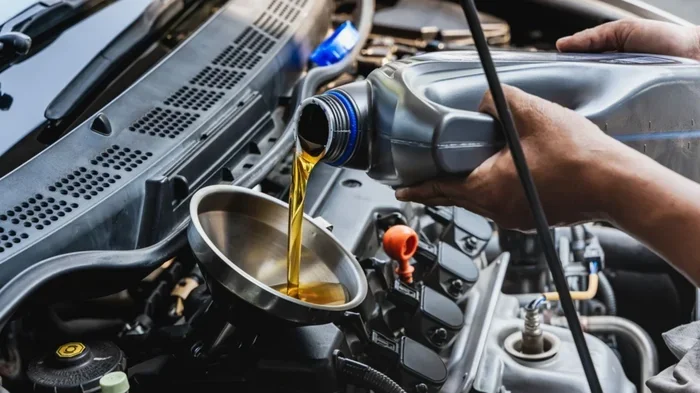
Adding oil is simple, but you need to do it carefully. Here is what to do:
- Find the oil fill cap on top of the engine. It usually has an oil can symbol.
- Remove the cap and set it aside.
- Use a funnel to pour in the oil slowly. This prevents spills.
- Add a small amount at a time. Check the dipstick after each addition.
- Stop when the level reaches the “full” mark.
- Replace the fill cap and close the hood.
Quick tip: If you need to add oil frequently, that could signal a problem. It might mean your engine is burning oil or has a leak. In that case, it is worth getting a professional inspection.
Some car owners wonder whether they can simply add oil without changing it. The short answer is yes, if the oil is still clean and within its change interval. But if the oil is dark and gritty, a full change is the better choice. You can read more about adding oil versus changing it to understand the difference.
When to Change Your Oil and Filter
Knowing how many quarts to add is only half the battle. You also need to know when to change the oil entirely. Fresh oil keeps your engine healthy and extends its life.
How Often Should You Change Your Oil?
Traditional advice was every 3,000 miles or three months. But modern engines and oils have changed that. Many newer cars can go 5,000 to 7,500 miles between changes. Some vehicles using synthetic oil can even go 10,000 miles or more.
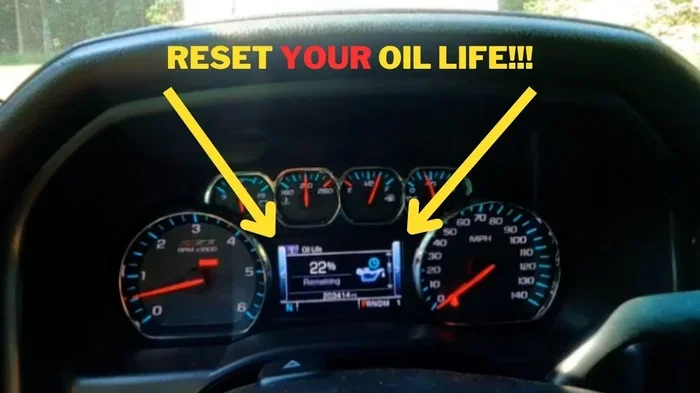
Check your owner’s manual for the manufacturer’s recommended interval. You can also look at the oil life monitoring system if your car has one. This system tracks your driving conditions and tells you when a change is due.
Do You Need a New Filter Every Time?
Yes, you should replace the oil filter every time you change the oil. The filter catches dirt, metal particles, and other contaminants. Over time, it gets clogged and loses its effectiveness. A clean filter ensures your new oil stays clean longer.
If you are unsure about the filter, you can read our guide on whether you need a new filter with every oil change. It covers this topic in detail.
Does It Matter Where You Get Your Oil Changed?
Not really. You can get your oil changed at a dealership, a quick-lube shop, or even do it yourself at home. What matters most is using the right oil and filter for your vehicle. If you prefer doing it yourself, make sure you have the right tools and dispose of the old oil properly.
For more on this topic, check out our article on whether it matters where you get your oil changed. It covers the pros and cons of each option.
Choosing the Right Oil for Your Engine
Not all oil is the same. Choosing the right type matters just as much as choosing the right amount. The wrong oil can reduce engine performance and even cause damage over time.
Conventional vs. Synthetic Oil
Conventional oil is the traditional option. It is refined from crude oil and works well for most everyday driving. It is also more affordable than synthetic.
Synthetic oil is engineered in a lab. It offers superior protection in extreme temperatures and high-stress driving conditions. It also lasts longer between changes. If you drive in very hot or very cold climates, synthetic is a great choice.
Many modern cars come filled with synthetic oil from the factory. Check your owner’s manual to see what your manufacturer recommends. You can also read more about using synthetic oil in your car to learn about compatibility and benefits.
Understanding Oil Viscosity
Oil viscosity refers to how thick or thin the oil is at different temperatures. You will see it written as something like “5W-30” or “0W-20.” The first number (with the W for winter) tells you how the oil flows in cold temperatures. The second number tells you how it performs at engine operating temperature.
Your owner’s manual will specify the correct viscosity for your engine. Using the wrong viscosity can affect oil flow and engine protection. Stick with what the manufacturer recommends.
Quick Tips for Oil Selection
- Always match the oil viscosity to your owner’s manual recommendation.
- Consider synthetic oil if you drive in extreme temperatures or tow heavy loads.
- Do not mix different oil types unless absolutely necessary.
- Buy oil from reputable brands to ensure quality and consistency.
- Check for any oil recalls or updates from your vehicle manufacturer.
Common Mistakes to Avoid
Even experienced car owners make mistakes when it comes to oil. Here are the most common ones and how to avoid them.
- Overfilling the crankcase: Too much oil can foam and lose its lubricating ability. It can also cause pressure problems.
- Using the wrong viscosity: This can lead to poor oil flow and increased engine wear.
- Skipping oil changes: Old oil breaks down and loses its protective properties. Stick to the recommended change interval.
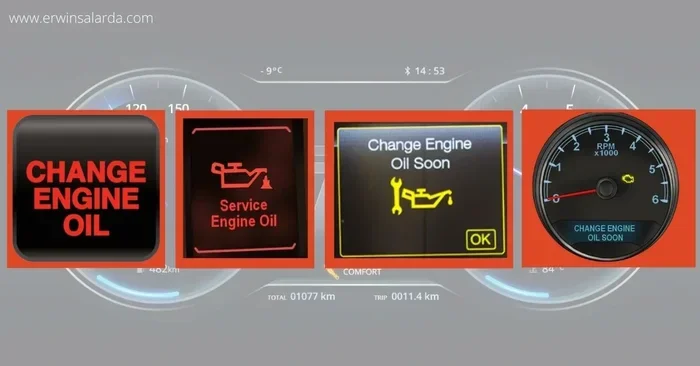
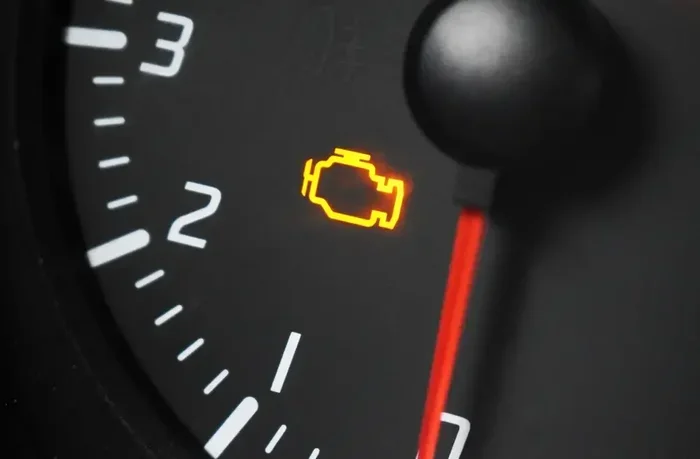
- Ignoring the oil light: If your dashboard oil warning light comes on, check the oil level immediately. Driving with low oil can destroy an engine.
- Not checking the oil regularly: Make it a habit to check your oil level at least once a month. Catching a problem early saves money.
Avoiding these simple mistakes goes a long way toward keeping your engine healthy. Prevention is always cheaper than repair.
Final Thoughts on Oil Capacity and Maintenance
How many quarts of oil do I need? The answer depends on your specific vehicle, engine size, and whether you are changing the filter too. Most passenger cars need between 4 and 6 quarts. But the only way to be certain is to check your owner’s manual or look up your vehicle’s specs online.
Taking care of your engine oil is one of the easiest and most important things you can do as a car owner. It costs very little and pays off big time in engine longevity and performance. Whether you do it yourself or visit a service center, staying on top of your oil changes is a win-win.
Remember these key points: know your capacity, use the right oil type, check your level regularly, and never skip a filter change. Your engine will thank you for years to come.
Frequently Asked Questions
Can I drive my car immediately after putting oil in?
Yes, you can drive your car right after adding oil. The oil circulates through the engine within seconds of starting it. However, it is a good idea to let the engine idle for a minute or two before driving hard. This gives the oil time to reach all the moving parts. If you want more details, check out our guide on driving immediately after adding oil.
What happens if I put too much oil in my engine?
Overfilling the crankcase causes the oil to foam. Foamy oil loses its ability to lubricate properly. It can also create excess pressure inside the engine, which may damage seals and gaskets. If you overfill, drain the excess oil to bring the level back to the correct range.
Can I use 5W20 instead of 5W30 in my Toyota?
It depends on what your owner’s manual recommends. Some Toyota models are designed for 5W20, while others require 5W30. Using the wrong viscosity can affect engine protection and fuel economy. Always stick with the manufacturer’s recommendation for your specific model.
How can I tell if my engine is burning oil?
Common signs of oil burning include a blue or gray exhaust smoke, a burning smell, and needing to add oil frequently between changes. If you notice any of these signs, have your vehicle inspected by a mechanic. Early detection can prevent more serious engine damage.
Is it okay to mix conventional and synthetic oil?
While it is not harmful in an emergency, mixing oil types is not ideal. Conventional and synthetic oils have different additive packages. They work best when used consistently. If you regularly mix them, you may not get the full benefits of synthetic oil. Stick to one type for the best results.
How long does a full tank of gas last compared to how long oil lasts?
These are very different things. A full tank of gas might last you 300 to 500 miles depending on your vehicle. Oil, on the other hand, lasts anywhere from 5,000 to 10,000 miles before it needs to be changed. Oil degrades slowly over time and distance, which is why regular oil changes are so important for engine health.
=== CONCLUSION ===
Understanding your engine’s oil capacity is a fundamental part of car ownership. It takes just a few minutes to look up and a few more to check and maintain. The right amount of oil keeps your engine running smoothly, efficiently, and reliably for years to come.
Start by checking your owner’s manual. Find the exact capacity for your vehicle. Use the recommended oil type and viscosity. And never skip your oil filter when you change the oil. These simple steps make a huge difference in how long your engine lasts.
Whether you handle your own oil changes or visit a professional, the knowledge you gain here puts you in control. You will know exactly what your engine needs and why it matters. Take care of your car, and it will take care of you.