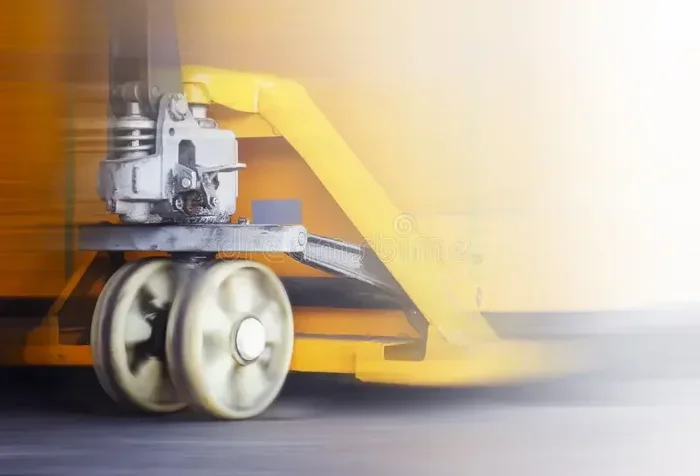
How to Make Pallet Jack Faster with These Proven Tips
Want to make your pallet jack faster and more efficient? This guide covers proven maintenance tips, wheel upgrades, lubrication tricks, and simple adjustments that boost speed and performance. Whether you use a manual or electric pallet jack, these practical steps will help you move loads quicker and work smarter in any warehouse or loading dock setting.
Slow equipment costs time. And time costs money. If your pallet jack feels sluggish, you are not alone. Many warehouse workers and operators deal with pallet jack speed issues every single day. The good news is that making your pallet jack faster is often simpler than you think.
This guide walks you through every proven method to make pallet jack faster and keep it running smoothly. We cover maintenance, upgrades, lubrication, wheel swaps, and operator techniques. By the end, you will have a clear action plan to boost warehouse productivity and get more done in less time.
Whether you run a small shop or a large distribution center, these tips apply to both manual pallet jack and electric pallet jack models. Let us dive in and get your equipment moving the way it should.
Key Takeaways
- Regular maintenance keeps your pallet jack running at top speed and prevents common slowdowns.
- Upgrading wheels and rollers reduces rolling resistance and makes the jack glide smoothly.
- Proper lubrication of moving parts is one of the easiest ways to improve performance.
- Correct load positioning and handling techniques save time and reduce strain on the equipment.
- Replacing worn parts like seals, hoses, and pump assemblies restores lost speed and power.
- Operator technique matters — small changes in how you use the jack can make a big difference.
- Electric pallet jack upgrades and battery care can dramatically increase speed for powered units.
📑 Table of Contents
- Why Pallet Jack Speed Matters in the Warehouse
- Perform Regular Pallet Jack Maintenance
- Upgrade Your Pallet Jack Wheels
- Lubrication and Fluid Maintenance
- Replace Worn Parts for Better Performance
- Improve Your Operator Technique
- Electric Pallet Jack Speed Upgrades
- Common Mistakes That Slow Down Your Pallet Jack
- Key Takeaways
- Conclusion
Why Pallet Jack Speed Matters in the Warehouse
The Cost of Slow Equipment
Every minute counts on the warehouse floor. A slow pallet jack adds seconds to every move. Those seconds add up fast over a full shift. When operators waste time fighting their equipment, output drops and deadlines get missed.
Slow material handling also increases fatigue. Workers strain harder to compensate for equipment that does not perform well. This leads to lower morale and higher turnover. Fixing speed issues directly improves both workplace efficiency and worker satisfaction.
How Fast Should a Pallet Jack Be?
A well-maintained manual pallet jack should move smoothly with little effort. The pump handle should feel firm, and the forks should raise and lower without jerking. An electric pallet jack should cruise at a steady pace with responsive controls.
If your jack feels heavy, sticks, or moves unevenly, something needs attention. The most common causes are worn wheels, low hydraulic fluid, dirty components, or simple neglect. The good news is that most fixes are quick and inexpensive.
Perform Regular Pallet Jack Maintenance
Daily Checkups That Make a Big Difference
The single best way to keep your pallet jack fast is a daily maintenance routine. Before each shift, spend two minutes checking these key areas:
- Inspect the wheels — look for flat spots, debris, or worn treads.
- Check the hydraulic fluid — low fluid means slower lifting and reduced power.
- Test the pump handle — it should feel smooth and responsive, not stiff.
- Listen for unusual sounds — grinding or squealing signals problems early.
- Examine the forks — cracks, bends, or warping affect load stability and speed.
These simple pallet jack maintenance tips take almost no time but prevent most common slowdowns. Think of it like warming up before exercise. A little prep goes a long way.
Weekly and Monthly Maintenance Tasks
Beyond daily checks, set a weekly and monthly schedule for deeper maintenance:
- Weekly: Clean the jack thoroughly. Remove dirt, grease, and debris from wheels, forks, and the hydraulic pump area.
- Weekly: Tighten all bolts and nuts. Vibration from daily use loosens fasteners over time.
- Monthly: Lubricate all moving parts, including the pump mechanism, pivot points, and wheel bearings.
- Monthly: Check hydraulic hoses for leaks or cracks. Replace damaged hoses immediately.
- Monthly: Inspect the load wheel and roller bearings. Worn bearings create drag and slow the jack down.
Consistent pallet jack troubleshooting through regular maintenance catches small problems before they become big ones. A well-maintained hydraulic pallet jack runs faster, lifts smoother, and lasts much longer.
Upgrade Your Pallet Jack Wheels
Why Wheels Are the Biggest Speed Factor
Here is a secret many operators overlook: wheels have the biggest impact on pallet jack speed. The wheels handle all the rolling resistance. When they wear out or are the wrong type, the jack drags and slows down.
Think about it this way. A car with bald tires will never perform well, no matter how powerful the engine. The same logic applies to your pallet truck. Good wheels mean less effort, more speed, and better control.
Types of Wheels to Consider
Not all wheels are created equal. Here are the main types and when to use them:
- Nylon wheels — great for smooth floors. They roll fast and resist chemicals and moisture.
- Polyurethane wheels — excellent all-around choice. They offer good grip, roll smoothly, and protect floor surfaces.
- Rubber wheels — ideal for rough or uneven floors. They absorb shocks and provide stability.
- Steel wheels — best for heavy-duty applications and very rough terrain. They last a long time but can mark floors.
Swapping to high-quality pallet jack wheels is one of the fastest ways to make pallet jack faster. Look for wheels with sealed bearings. These roll more freely and require less maintenance than open bearings.
Quick Tips for Wheel Upgrades
Follow these tips when upgrading your wheels:
- Match the wheel size to your jack model. Using the wrong size affects handling.
- Replace all wheels at once for consistent performance across the jack.
- Choose wheels rated for your typical load capacity. Undersized wheels wear out faster.
- Check the wheel diameter. Larger wheels roll over obstacles more easily and reduce effort.
A simple wheel upgrade can transform how your warehouse equipment performs. Your operators will notice the difference immediately.
Lubrication and Fluid Maintenance
The Role of Hydraulic Fluid in Speed
Your pallet jack runs on hydraulic pressure. The pump pushes fluid through hoses and cylinders to lift and lower the forks. When the fluid is old, dirty, or low, the system slows down significantly.
Clean hydraulic fluid flows smoothly through the system. It reduces friction inside the pump and cylinder. This means faster lifting, smoother operation, and less strain on every component.
How to Check and Change Hydraulic Fluid
Follow these steps to keep your hydraulic system in top shape:
- Locate the fill plug on the hydraulic pump. It is usually on the side or top of the pump assembly.
- Remove the plug and check the fluid level. It should reach the bottom of the fill hole.
- Inspect the fluid color. Dark or cloudy fluid needs replacement.
- Drain the old fluid completely by removing the drain plug at the bottom of the cylinder.
- Refill with the manufacturer-recommended hydraulic oil. Do not use generic motor oil.
- Replace the fill plug and bleed the system by pumping the handle several times.
Most operators should change hydraulic fluid every three to six months, depending on usage. Heavy-use environments may need more frequent changes. Fresh fluid alone can make your pallet jack feel noticeably faster and more responsive.
Lubricating Moving Parts
Beyond the hydraulic system, lubricate every moving part on the jack. This includes:
- Pivot points where the forks connect to the frame.
- Wheel axles and bearings.
- The pump piston and internal seals.
- The lever mechanism on the pump handle.
Use a food-grade or equipment-safe grease for most applications. A few drops of oil on the pump piston works wonders for smooth operation. Regular lubrication reduces rolling resistance and keeps everything moving freely.
Replace Worn Parts for Better Performance
Common Parts That Slow Down Your Jack
Over time, certain parts wear out and drag your pallet jack performance down. Knowing which parts to watch for helps you stay ahead of problems:
- Seals and O-rings — worn seals cause hydraulic leaks, which reduce lifting power and speed.
- Pump assembly — a worn pump struggles to build pressure, making the jack slow and weak.
- Hoses — cracked or swollen hoses leak fluid and reduce system pressure.
- Load wheels — worn load wheels create friction and make the jack harder to push.
- Casters — damaged casters wobble and create drag on the floor.
Replacing these pallet jack parts is one of the most effective pallet jack upgrades you can make. New parts restore the jack to near-factory performance. The cost is small compared to the time and productivity you gain back.
When to Repair vs. Replace
Sometimes the best decision is not a repair but a full replacement. Here is a simple guide:
- Repair if the frame is solid and only one or two parts need replacement.
- Replace if the frame is bent, the hydraulic cylinder is damaged, or multiple systems are failing.
- Consider upgrading to an electric pallet jack if manual handling is slowing your operation significantly.
Many operators find that a new electric pallet jack pays for itself in time saved within just a few months. The speed difference between a manual and electric unit is dramatic, especially for high-volume operations.
Improve Your Operator Technique
How You Handle the Jack Affects Speed
Equipment maintenance is only half the battle. How you operate the pallet jack matters just as much. Good technique saves time, reduces fatigue, and keeps the jack performing at its best.
Many operators develop bad habits without realizing it. These habits slow them down and wear out the equipment faster. Let us look at the best practices for efficient handling.
Best Practices for Faster Operation
Follow these techniques to move loads faster and safer:
- Load the pallet correctly — center the load on the forks for balanced weight distribution. An off-center load creates drag and makes the jack harder to steer.
- Keep forks low while moving — raise the forks only when needed. Lower forks reduce the center of gravity and make the jack easier to push.
- Use smooth, steady motions — jerky movements waste energy and slow you down. A smooth push or pull is faster and safer.
- Plan your route — clear obstacles before you start moving. Avoid tight turns and rough patches that slow the jack down.
- Use both hands on the handle — this gives you better control and allows you to steer and pump efficiently.
- Pump the handle correctly — for manual jacks, use full strokes and let the hydraulic mechanism do the work. Do not rush the pump or force it.
These small changes add up quickly. Operators who practice good technique consistently move loads faster and with less effort. It is free, immediate, and requires no parts or tools.
Training Your Team for Better Results
If you manage a team, invest in proper pallet jack training. Even a short session on correct handling techniques can improve speed and safety across the board. Make sure every operator knows how to:
- Prepare the jack before use (check wheels, fluid, and forks).
- Approach pallets correctly and center the forks.
- Raise the load to the proper height for transport.
- Navigate turns, ramps, and tight spaces safely.
- Lower and deposit the load without damaging the floor or product.
Well-trained operators get more done with less effort. Training also reduces accidents and equipment damage. It is one of the highest-return investments you can make for warehouse productivity.
Electric Pallet Jack Speed Upgrades
Battery and Motor Maintenance
If you use an electric pallet jack, speed depends heavily on the battery and motor. A weak battery or dirty motor contacts will slow the jack down fast. Keep the battery fully charged and clean the motor contacts regularly.
For battery-powered pallet jack units, follow these simple steps:
- Charge the battery after every shift. Never let it run completely dead.
- Clean the battery terminals with a wire brush to remove corrosion.
- Check the motor brushes for wear. Replace them when they look worn down.
- Inspect the drive wheels for wear and replace them when needed.
- Keep the electrical connections tight and free of debris.
Controller and Speed Settings
Many modern electric pallet jack models have adjustable speed settings. Check your operator manual for the speed controller. Some units allow you to increase the maximum speed for faster throughput. However, always prioritize safety over speed. Higher speeds require more skill and attention from the operator.
If your current electric pallet jack is several years old, consider upgrading to a newer model. Modern units have better motors, more efficient controllers, and lighter frames. The speed improvement can be significant.
Common Mistakes That Slow Down Your Pallet Jack
Avoid these common errors that silently rob your pallet jack of speed:
- Ignoring small problems — a squeaky wheel or slow pump today becomes a broken jack tomorrow.
- Overloading the jack — exceeding load capacity strains the hydraulic system and wears out parts faster.
- Using the wrong fluid — always use the hydraulic oil recommended by the manufacturer.
- Skipping lubrication — dry moving parts create friction that slows everything down.
- Storing the jack improperly — keep it in a dry, clean area to prevent rust and corrosion.
- Neglecting wheel maintenance — dirty or worn wheels are the #1 cause of slow pallet jack performance.
Steering clear of these mistakes keeps your pallet jack running fast and reliable for years. Prevention is always cheaper and easier than repair.
Key Takeaways
- Daily maintenance catches small problems before they slow your jack down.
- Upgrading wheels is one of the simplest and most effective speed improvements.
- Fresh hydraulic fluid and regular lubrication keep the system running smoothly.
- Replacing worn seals, hoses, and pump parts restores lost performance.
- Good operator technique makes every shift faster and safer.
- Electric pallet jack users should focus on battery care and motor maintenance.
- Avoiding common mistakes prevents unnecessary slowdowns and costly repairs.
Conclusion
Making your pallet jack faster does not require expensive overhauls or specialist help. Most of the methods in this guide are simple, affordable, and easy to implement. Start with daily maintenance and wheel checks. Then move on to lubrication, part replacements, and better operator techniques.
Every step you take brings your pallet jack speed closer to peak performance. The result is a faster, more reliable material handling process that boosts warehouse productivity and makes everyone’s job easier.
Take action today. Pick one tip from this guide and apply it right away. Small improvements compound over time. Before long, your pallet jack will feel faster, smoother, and more responsive than it has in months. Your warehouse — and your team — will thank you for it.
Frequently Asked Questions
How often should I maintain my pallet jack?
Perform a quick daily check before each shift. Do a deeper weekly cleaning and monthly lubrication routine. Change hydraulic fluid every three to six months depending on how heavily you use the jack. Consistent pallet jack maintenance prevents most speed and performance issues.
What is the best wheel type for a faster pallet jack?
Polyurethane wheels are the best all-around choice for speed and floor protection. They roll smoothly, resist wear, and work well on most warehouse floors. For rough surfaces, rubber wheels absorb shocks better. Match your wheel choice to your floor type and typical load capacity.
Can I make a manual pallet jack faster?
Absolutely. You can make pallet jack faster by upgrading the wheels, lubricating moving parts, replacing worn seals and hoses, and improving your pumping technique. A well-maintained manual pallet jack performs almost as smoothly as a powered unit when everything is in good condition.
Why is my electric pallet jack slow?
The most common reasons are a weak or old battery, dirty motor contacts, worn drive wheels, or a failing speed controller. Start by checking the battery charge and cleaning the terminals. If the problem persists, inspect the motor and drive components. Regular electric pallet jack maintenance prevents most slowdowns.
How much does it cost to upgrade a pallet jack?
Basic upgrades like new wheels cost between $30 and $80 per set. Lubricants and seals are even cheaper, often under $20. A full hydraulic fluid change costs very little. Even a complete pallet jack repair with new hoses and seals usually runs under $100. These small investments deliver big returns in speed and productivity.
Is it better to repair or replace an old pallet jack?
If the frame is solid and only a few parts need replacing, repair is the smarter choice. But if the frame is bent, the hydraulic cylinder is failing, or multiple systems are breaking down, a replacement makes more sense. Many operators upgrade to an electric pallet jack when manual handling becomes a bottleneck for warehouse productivity.