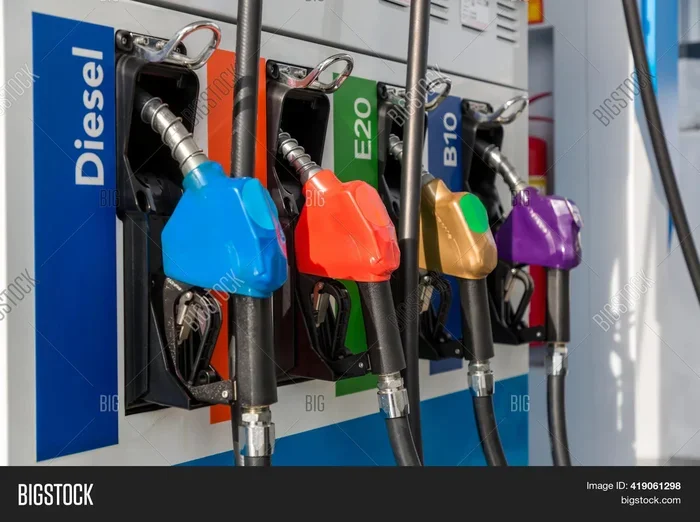
What Happens If I Put 85 Instead of 87 Octane Fuel
Putting 85 octane fuel instead of 87 octane can affect your engine in ways you might not expect. Most modern vehicles are designed to run on 87 octane or higher, so using a lower grade may cause engine knock and reduced performance. However, some older or smaller engines can handle 85 octane without any problems at all.
You pull up to the gas station and realize you grabbed the wrong fuel grade. Maybe the 87 octane pump was out of order, and the only option was 85 octane. Or maybe you just wanted to save a few bucks. Either way, the question is the same: what happens if you put 85 instead of 87 octane fuel in your tank?
This is a question a lot of drivers ask, especially when fuel prices keep going up. The difference between 85 and 87 octane might seem small, but it can have real effects on how your engine runs. Some cars handle it just fine, while others will let you know right away that something is off. In this article, we will walk you through exactly what to expect, which vehicles can tolerate lower octane fuel, and whether the savings are even worth the risk.
We will also cover common mistakes drivers make at the pump and share expert tips to help you choose the right fuel every single time. By the end, you will have a clear answer to the question of whether 85 octane is a safe substitute for 87 octane in your specific vehicle.
Key Takeaways
- Engine knock is the biggest risk: Using 85 instead of 87 octane can cause premature ignition in the combustion chamber.
- Not all vehicles need 87 octane: Older cars and smaller engines may run fine on 85 octane fuel.
- You might save money short-term: 85 octane is often cheaper, but the savings may be offset by long-term engine damage.
- Check your owner’s manual: Your vehicle manufacturer specifies the minimum octane level for safe operation.
- Long-term use of wrong fuel can be costly: Repeated use of lower octane fuel may damage the catalytic converter and other engine parts.
- Performance drops are real: Expect reduced acceleration and fuel economy when using the wrong octane level.
- When in doubt, stick with 87: It is the safest and most widely recommended fuel grade for most cars on the road today.
📑 Table of Contents
What Is Octane Rating and Why Does It Matter?
Before we dive into what happens when you use 85 instead of 87, let us talk about what octane rating actually means. Understanding this will help you make smarter decisions at every gas station visit.
How Octane Ratings Work
Octane rating measures how well your fuel resists premature ignition, also known as engine knock or detonation. When fuel ignites at the wrong time inside the combustion chamber, it creates a knocking or pinging sound. This is not just annoying, it can actually harm your engine over time.
Higher octane fuel resists this premature ignition better. That is why high-performance engines with a high compression ratio need premium fuel. They operate under more pressure and require fuel that can handle it without igniting too early.
The octane scale in the United States typically ranges from 85 to 93. Regular unleaded is usually 87, mid-grade is 89, and premium is 91 or 93. Some stations in high-altitude areas offer 85 octane as their regular option, which brings us to an important point about altitude and fuel choice.
Why 87 Octane Is the Standard
Most car manufacturers design their engines to run on 87 octane fuel. This is the minimum octane level recommended for the vast majority of passenger vehicles sold in North America. It strikes a balance between performance, fuel efficiency, and cost.
When your car says it needs 87 octane, it means the engine control unit (ECU) is calibrated for that specific fuel grade. Using a lower octane level changes the combustion timing and can throw off the delicate balance the engineers worked hard to achieve.
What Happens If You Put 85 Instead of 87 Octane?
Now for the big question. What actually happens when you fill up with 85 octane instead of 87? The answer depends on several factors, including your vehicle type, driving conditions, and how often you use the lower grade.
Short-Term Effects on Your Engine
In the short term, using 85 octane instead of 87 may cause a few noticeable changes. The most common symptom is engine knock or a light pinging sound during acceleration. You might also notice that your car feels a bit sluggish when you press the gas pedal.
Some drivers report reduced fuel economy after switching to a lower octane. This happens because the engine timing adjusts to compensate for the lower resistance to detonation. The ECU retards the ignition timing slightly, which can reduce both power and efficiency.
Here are the most common short-term effects:
- Engine knocking or pinging sounds during acceleration or under load
- Slight loss of power when passing or climbing hills
- Reduced fuel economy, meaning you may need to fill up more often
- Rough idling in some cases, especially when the engine is cold
For many modern vehicles, these effects are mild and temporary. The car’s computer can adjust to some degree. But that does not mean it is ideal for your engine over the long haul.
Long-Term Risks of Using Lower Octane Fuel
If you make a habit of putting 85 octane in a car that needs 87, the long-term risks start to add up. Over weeks and months, repeated engine knock can cause real damage. The knocking creates extra pressure and heat inside the cylinders, which wears down internal components faster than they should.
Here are the potential long-term consequences:
- Worn piston rings and cylinder walls from the extra stress of detonation
- Damage to the catalytic converter as unburned fuel passes through the exhaust system
- Spark plug fouling caused by incomplete combustion
- Increased engine deposits that reduce performance over time
- Voided warranty if your manufacturer specifies 87 octane and you consistently use a lower grade
These are serious concerns. While one or two tanks of 85 octane probably will not destroy your engine, making it a regular practice is a gamble with your vehicle’s health and your wallet.
Which Vehicles Can Safely Use 85 Octane?
Not every car needs 87 octane. In fact, some vehicles are perfectly fine with 85 octane fuel, especially in certain regions. Let us break this down so you know where you stand.
Vehicle Types That Accept 85 Octane
Older vehicles, particularly those made before the 2000s, often have lower compression ratios and can run on 85 octane without any issues. Many small displacement engines also do just fine with the lower grade. Think compact cars, lightweight trucks, and older sedans.
In high-altitude areas like the Rocky Mountain states, gas stations commonly sell 85 octane as the regular fuel. This is because the thinner air at high elevations naturally reduces engine compression, which means engines need less octane to run smoothly. So if you live in Denver or Salt Lake City, 85 octane might actually be the recommended fuel for your car.
Here are some vehicle types that may handle 85 octane well:
- Older cars with simple engine management systems
- Small engines in compact and economy vehicles
- Vehicles in high-altitude regions where air density is lower
- Some flex-fuel vehicles designed to run on various fuel blends
How to Check Your Vehicle’s Fuel Requirement
The best way to know what octane your car needs is to check the owner’s manual. Look for the fuel recommendation section. Most manuals clearly state whether your vehicle requires 87 octane, recommends it, or allows lower grades.
You can also check the fuel door or the gas cap. Many cars have a sticker or engraving that says something like “Unleaded gasoline 87 octane or higher.” If it says 87 or higher, 85 is not recommended. If it simply says “unleaded gasoline,” then 85 may be acceptable.
Another quick tip: look at the vehicle certification label on the driver’s side door jamb. It often lists the recommended fuel type and octane level.
Can Using 85 Octane Save You Money?
Let us talk numbers, because saving money at the pump is a big deal for most drivers. The price difference between 85 and 87 octane can be tempting, especially when you are filling up a large tank.
Cost Comparison of Fuel Grades
On average, 85 octane fuel costs about 10 to 20 cents less per gallon than 87 octane. For a 15-gallon tank, that could save you around $1.50 to $3.00 per fill-up. Over a year, those savings might add up to $50 or more, depending on how much you drive.
But here is the catch. If using 85 octane instead of 87 reduces your fuel economy by even 2 or 3 percent, you might be burning through more fuel to make up for it. And if the lower octane causes engine damage down the road, repair costs will quickly outweigh any savings at the pump.
When the Savings Are Worth It
There are a few situations where using 85 octane makes sense:
- Your vehicle manufacturer explicitly allows it. Check the manual or the fuel door sticker.
- You live at a high altitude where 85 octane is the standard recommended fuel.
- You are in a pinch and 87 octane is not available. Using 85 for one tank is unlikely to cause harm.
- You drive an older, low-compression engine that does not benefit from higher octane fuel.
In any other case, stick with 87 octane. The small upfront savings are not worth the potential long-term costs.
Common Mistakes Drivers Make with Fuel
Even experienced drivers sometimes get confused about fuel grades. Let us clear up some of the most common mistakes so you never have to worry at the pump again.
Wrong Fuel Grade Myths
One of the biggest myths is that premium fuel always makes your car run better. This is simply not true for most vehicles. If your car requires 87 octane, putting in 91 or 93 octane will not give you more power or better fuel economy. It will just cost you more money.
Another common myth is that mixing fuel grades is dangerous. In reality, if you accidentally put in a lower octane once, your engine will adjust and you will likely be fine. The real danger comes from consistently using the wrong fuel over a long period.
Some people also believe that fuel additives can compensate for low octane. While some additives claim to boost octane, they are not a substitute for using the correct fuel grade recommended by your manufacturer.
How to Avoid Costly Fuel Mistakes
Preventing fuel mistakes is easier than you might think. Here are some practical tips:
- Always check the octane number on the pump before you start fueling
- Know your vehicle’s requirement by reading the owner’s manual
- Do not rely on color-coded pumps since they vary by station and region
- Use the same fuel grade consistently to maintain engine health
- Keep a note in your phone with your vehicle’s fuel requirements for quick reference
Expert Tips for Choosing the Right Fuel
Choosing the right fuel does not have to be complicated. Auto experts and mechanics agree on a few simple guidelines that can save you money and protect your engine at the same time.
Follow the manufacturer’s recommendation first. This is the single most important rule. If your car says 87, use 87. It is that simple. The engineers who designed your engine know exactly what fuel grade works best for the compression ratio and combustion timing they built into the engine.
Consider your driving conditions. If you regularly tow heavy loads, drive in hot weather, or haul cargo, your engine works harder and may benefit from the stability of the recommended octane level. Using 85 in these conditions increases the risk of knock and detonation even further.
Do not ignore warning signs. If you hear knocking, pinging, or feel a loss of power after switching fuels, go back to your recommended octane immediately. Continuing to drive on the wrong fuel can cause cumulative damage that may not show up until a serious repair is needed.
Keep your tank at least a quarter full. This helps prevent condensation and keeps the fuel system properly lubricated. It also reduces the chance of accidentally grabbing the wrong pump when you are in a hurry.
When traveling to high-altitude areas, check local fuel availability. Many mountain towns use 85 octane as their standard pump. This is perfectly normal and safe for vehicles in those regions, but it may not be the right choice when you return to lower elevations.
Trust your senses. If your car sounds different, runs rough, or the check engine light comes on after a fuel change, do not ignore it. Have a mechanic check the engine as soon as possible. Catching problems early can save you from expensive repairs later.
Conclusion
So, what happens if you put 85 instead of 87 octane fuel in your car? The short answer is: it depends on your vehicle. For most modern cars that are designed to run on 87 octane, using 85 can lead to engine knock, reduced performance, and lower fuel economy. Over time, it may even cause serious engine damage that costs hundreds or thousands of dollars to repair.
However, some vehicles, especially older models and those in high-altitude regions, can safely use 85 octane without any issues. The key is to know your car and follow the manufacturer’s fuel recommendation found in the owner’s manual or on the fuel door sticker.
While the temptation to save a few dollars at the pump is real, the potential risks of using the wrong octane level usually outweigh the savings. When in doubt, stick with 87 octane. It is the safest, most reliable choice for the vast majority of vehicles on the road today.
Next time you pull up to the gas station, take a moment to check the octane number before you fuel up. Your engine will thank you for it, and your wallet will stay healthier in the long run.
Frequently Asked Questions
Can I mix 85 and 87 octane fuel in the same tank?
Yes, mixing 85 and 87 octane is generally safe for one-time use. The resulting blend will have an octane level somewhere between the two, which is usually fine for vehicles that require 87. However, making a habit of mixing lower octane fuel is not recommended and can lead to long-term engine issues.
Will using 85 octane void my car’s warranty?
It depends on your warranty terms and the manufacturer’s fuel requirements. If your owner’s manual specifies 87 octane and you consistently use 85, the manufacturer may deny a warranty claim related to engine damage. Always follow the recommended fuel grade to keep your warranty intact.
Is 85 octane fuel the same as regular gasoline?
Not exactly. In most parts of the United States, regular gasoline is 87 octane. However, in high-altitude regions, 85 octane is often sold as the regular fuel option. The difference is due to lower air pressure at elevation, which changes how engines combust fuel.
What should I do if I accidentally put 85 octane in my car that needs 87?
Do not panic. One tank of 85 octane is unlikely to cause serious damage. Simply fill up with 87 octane at your next stop. The ECU in your car will adjust the timing, and you should not notice any lasting effects. If you hear persistent knocking, have the vehicle checked by a mechanic.
Does 85 octane fuel have fewer additives than 87 octane?
Not necessarily. The octane rating is about the fuel’s resistance to detonation, not the number of additives. Both 85 and 87 octane fuels contain detergent additives required by federal regulations. The difference lies in the refining process and the hydrocarbon blend, not in the additive package.
Can using 85 octane improve fuel economy?
In most cases, no. Using a lower octane fuel than recommended can actually reduce fuel economy because the engine timing adjusts to prevent knock. Any short-term savings from the lower fuel price are often offset by the decreased miles per gallon you will get from using 85 instead of 87 octane.