What to Do If Your Hood Pops Up While Driving Home
Your hood pops up while driving is a frightening but manageable emergency. Stay calm, slow down gradually, and use your defroster to maintain visibility. Secure the hood using the secondary latch once you pull over safely. Regular maintenance can prevent this dangerous situation from ever happening again.
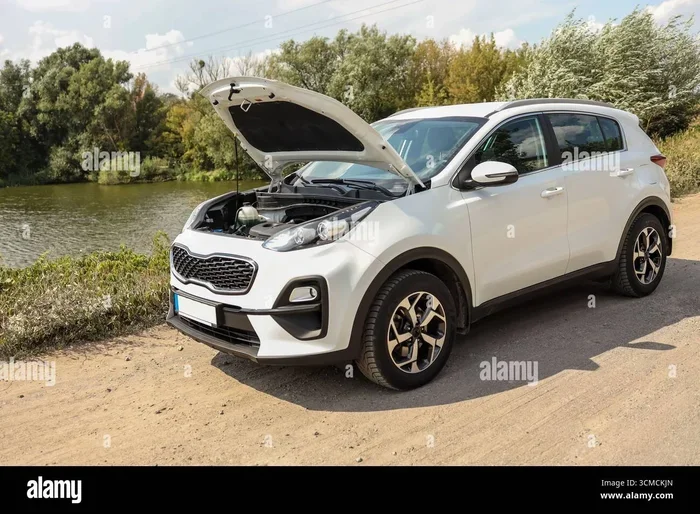
There is nothing quite as startling as your hood pops up while you are cruising down the highway. One moment you are driving along, and the next, your windshield is filled with the hood of your car, blocking your view entirely. The wind roars, debris flies, and your heart races. But here is the most important thing to remember: you can handle this. Knowing exactly what to do when your hood pops up while driving can mean the difference between a scary moment and a serious accident.
This guide covers everything you need to know about handling a hood flying open situation safely. We will walk through the immediate steps, how to secure your hood once you stop, what causes this problem, and how to prevent it from happening again. Whether you are a new driver or have been on the road for years, these tips will help you stay calm and act correctly.
The hood latch mechanism is one of the most overlooked parts of your vehicle until it fails. Most drivers never think about their hood safety latch until the day it lets go unexpectedly. Understanding how this system works and what to do when it malfunctions is an essential part of driving safety. Let us dive into the details so you are fully prepared.
Key Takeaways
- Stay calm and keep steering: Panicking causes accidents. Focus on the road and let your defroster buy you visibility time.
- Gradually slow down: Do not slam on the brakes. Reduce speed smoothly and pull over to the right shoulder.
- Use your hazard lights immediately: Alert other drivers that something is wrong with your vehicle.
- Find the secondary latch: Every car has a backup hood latch beneath the front edge of the hood.
- Never drive far with the hood open: It can cause severe damage to your windshield, engine, and surrounding components.
- Prevent future incidents: Regularly check your hood latch mechanism, hinges, and support rod for wear.
- Call a professional if needed: A damaged hood latch system should be repaired by a certified mechanic.
📑 Table of Contents
Why Hoods Pop Open While Driving
Before we get into the steps, it helps to understand why your hood pops up in the first place. The hood of your car is held down by a latch system that includes a primary latch, a secondary latch, and a hood prop rod or hood stabilizer. When any part of this system fails, the hood can fly open while you are moving.
The Role of the Hood Latch Mechanism
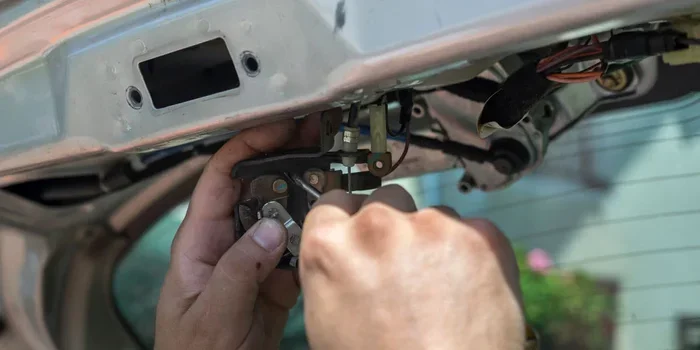
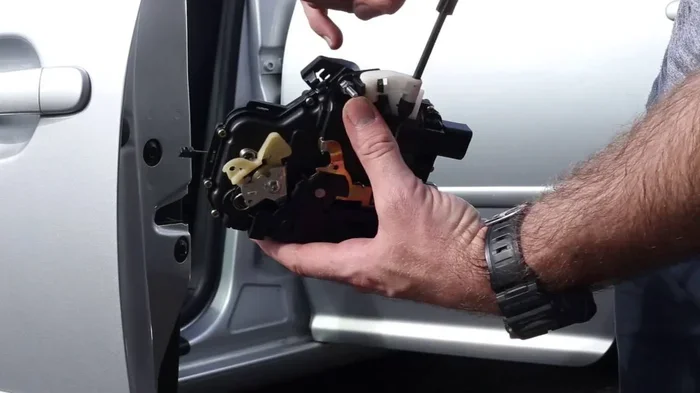
Your hood latch mechanism works like a lock. You pull the hood release handle inside your car, which releases the primary latch. Then you go to the front of the car, lift the hood slightly, and find the secondary latch to keep it open. When you close the hood, both latches engage to hold it securely.
The primary latch does the heavy lifting. It is the main lock that keeps your hood pressed against the engine bay. Over time, this latch can wear out, corrode, or weaken. The hood latch spring that provides tension can also lose its strength. When this happens, vibrations from driving can slowly loosen the latch until it finally releases.
Common Causes of Hood Failures
Several factors can cause your hood malfunction while driving. Here are the most common reasons:
- Worn-out hood latch: The latch pawl or hook wears down over thousands of open-and-close cycles. Eventually, it cannot hold the hood securely anymore.
- Broken hood latch spring: The spring that keeps tension on the latch can snap or weaken, allowing the hood to pop open under wind pressure.
- Damaged hood hinges: If the hinges are bent or corroded, the hood may not sit flush against the latch, making it easy for wind to force it open.
- Missing or broken hood prop rod: The hood support rod or stabilizer keeps the hood pressed down when open. If this is damaged or missing, the hood can shift and unlatch.
- Road debris impact: A rock or debris kicked up by another vehicle can strike the hood with enough force to pop it open or damage the latch.
- Improper hood closing: If you do not push the hood down firmly enough, the secondary latch may not fully engage, leaving it vulnerable to opening.
- Cold weather contraction: Extreme cold can cause metal components to contract, loosening the fit of the latch and reducing its grip.
Understanding these causes helps you know what to inspect after the incident and how to prevent future problems with your hood safety latch.
What to Do Immediately When Your Hood Pops Up
The first few seconds after your hood opens while driving are critical. Your adrenaline will spike, and your instinct may be to slam on the brakes or look directly at the hood. Resist both urges. Here is exactly what you should do in those first moments.
Stay Calm and Keep Your Eyes on the Road
Take a deep breath. This sounds simple, but it makes a huge difference. When your hood pops up, your first instinct is to look at it. Do not do that. Keep your eyes on the road ahead. Your peripheral vision may still give you some sense of the road, especially if the hood has not fully covered your entire windshield.
Panicking and making sudden movements is what causes accidents in these situations. Keep both hands firmly on the steering wheel. Maintain your lane. Remember that your car is still fully operational underneath the hood. The engine, steering, and brakes all still work.
Turn on Your Defroster and Wipers
Once your hood is open, your windshield visibility drops dramatically. Wind, rain, and debris will blast across your glass. Here is what you should do right away:
- Turn on the defroster at maximum heat and fan speed. This will help clear fog and moisture from the windshield.
- Turn on your windshield wipers. They can help clear debris and rain from the exposed glass.
- Angle your vents toward the windshield. If your defroster is not enough, direct airflow from your cabin vents to help maintain visibility.
These steps buy you precious seconds and minutes of usable visibility. They are your lifeline until you can pull over safely.
Use Your Hazard Lights
As soon as you realize your hood is flying open, turn on your hazard lights. This alerts the drivers behind you that something is wrong with your vehicle. It signals them to give you extra space and to be cautious. In many states, it is also the law to use hazard lights when stopped on the side of the road.
Do not waste time trying to figure out the hazard light switch. Every modern car has a quick-access button or lever. Even if you cannot see the dashboard clearly, you can usually feel for the hazard switch near the steering column.
How to Safely Pull Over and Stop
Once you have your visibility tools activated and your hazards on, it is time to get your car off the road. This is the most important part of the entire process.
Gradually Slow Down
Do not hit the brakes hard. When your hood pops up, your visibility is limited, and sudden braking can cause a rear-end collision. Instead, gently take your foot off the accelerator and let your car slow down gradually.
Use engine braking if you need to reduce speed quickly. Shift into a lower gear if you are driving a manual transmission. This helps slow the car without relying heavily on the brakes. If you have cruise control on, cancel it immediately by pressing the brake or the cancel button.
Keep checking your mirrors. You want to be aware of the traffic around you as you slow down. If the vehicles behind you are not slowing down, try to steer toward the right shoulder safely.
Pull Over to the Right Shoulder
Your goal is to get completely off the roadway. The right shoulder is the safest place to stop. Signal your intention to change lanes early so other drivers have time to react.
If you are on a highway and the right shoulder is blocked, try to move into the farthest right lane and slow down as much as possible. Never stop in a travel lane. This is extremely dangerous and can lead to a serious multi-vehicle accident.
Once you are on the shoulder, put your car in park and engage the parking brake. Turn off the engine if you can do so safely. But do not attempt to get out of the car and inspect the hood until you are completely stopped and in a safe location.
Quick Tips for Pulling Over Safely
- Keep your wheels straight when pulling onto the shoulder to minimize the chance of a sideswipe.
- If visibility is near zero, honk your horn periodically to alert other drivers of your position.
- Do not try to close the hood while driving. This is extremely dangerous and can cause loss of control.
- If you are on a narrow road with no shoulder, slow down and look for a safe place to pull off, even if it means driving a short distance with reduced visibility.
Securing the Hood Once You Have Stopped
Now that you are safely off the road, it is time to deal with the open hood. This is where many people make mistakes, so follow these steps carefully.
Locate the Secondary Latch
Every car has a hood secondary latch that acts as a backup safety mechanism. Even if the primary latch fails, the secondary latch is designed to prevent the hood from flying completely open. In many cases, when the primary latch releases, the secondary latch keeps the hood partially secured.
Go to the front of your car. Run your hand along the front edge of the hood. You should feel a latch or a groove where the hood catches. Push the hood upward slightly and then slide it backward or forward to release the secondary latch. Once it releases, you can carefully lift the hood fully.
Do Not Try to Drive with the Hood Open
This cannot be stressed enough: never attempt to drive with your hood open to reach a nearby mechanic or gas station. A hood open while driving is incredibly dangerous for several reasons:
- Wind resistance: An open hood creates massive drag, making your car very hard to control.
- Windshield damage: Debris hitting the windshield at highway speeds can crack or shatter it.
- Engine damage: Rocks and debris can enter the engine bay and damage the radiator, fan, belts, and other components.
- Total visibility loss: You will have zero forward visibility, making it impossible to steer safely.
If you absolutely cannot get your car off the road safely, call roadside assistance or a tow truck. It is always better to wait for help than to risk your life and the lives of others on the road.
Common Mistakes to Avoid
When your hood pops up, panic can lead to poor decisions. Here are common mistakes drivers make:
- Looking directly at the hood instead of the road. This takes your eyes off where you should be looking: ahead.
- Braking suddenly. This can cause the car behind you to rear-end you.
- Trying to close the hood while still moving. This is nearly impossible and extremely dangerous.
- Leaving the engine running with the hood wide open. This can cause debris to enter the engine and damage sensitive components.
- Getting out of the car on the highway side. Always exit on the side away from traffic.
- Ignoring the problem and driving on. Even if you manage to temporarily secure the hood with a bungee cord or rope, driving long distances with a compromised hood is risky.
Expert Insight: What Mechanics Wish You Knew
Experienced auto mechanics say that the hood latch spring is the most commonly overlooked maintenance item. Many drivers do not realize that this small component has a lifespan and needs periodic inspection. A simple check during your regular car maintenance tips routine can catch a weakening latch before it fails on the road. Most mechanics recommend inspecting the hood latch system every 12 months or 15,000 miles.
Preventing Your Hood From Popping Open Again
Once you have dealt with the immediate emergency, it is time to think about prevention. You do not want to experience this again, and the good news is that most causes of a hood popping up are preventable with regular maintenance.
Regular Maintenance Checks
Here is a simple maintenance checklist to keep your hood safety latch in top condition:
- Inspect the hood latch monthly: Open and close the hood several times. Does it feel secure? Does it latch smoothly? If it feels loose or wobbly, it needs attention.
- Check the hood latch spring: Look at the spring mechanism that provides tension to the latch. If it appears stretched, rusted, or broken, replace it immediately.
- Examine the hood hinges: Look for rust, looseness, or bending in the hinges. Tighten any loose bolts and replace hinges that show signs of damage.
- Test the hood prop rod or stabilizer: Make sure the support rod holds the hood securely in the open position. A failing stabilizer can contribute to latch issues.
- Lubricate the latch mechanism: Apply a silicone-based lubricant to the latch and hinge points every six months. This prevents corrosion and keeps everything moving smoothly.
- Check for rust or corrosion: Especially if you live in a coastal area or drive in winter conditions where road salt is used. Rust is one of the biggest enemies of your hood latch system.
Quick Tips for Daily Drivers
Even if you do not consider yourself a car person, a few simple habits can go a long way:
- Always push the hood down firmly after closing it. Give it a firm push with the palm of your hand. If it does not feel solid, reopen and reclose it.
- Listen for the latch click. You should hear a distinct clicking sound when the secondary latch engages. If you do not hear it, the latch may not be fully secured.
- Do not slam the hood. While many people think slamming the hood helps it latch, it can actually damage the latch mechanism and hinges over time.
- Keep your hood release handle accessible. Make sure the hood release lever inside your car is not blocked by items or frozen in cold weather.
When to Call a Professional for Hood Latch Repair
Sometimes a hood latch malfunction requires professional attention. Knowing when to call a mechanic can save you money and prevent further damage to your vehicle.
Signs Your Hood Latch Needs Replacement
Watch for these warning signs that your hood latch repair is overdue:
- The hood feels loose or rattles while driving.
- You have to push the hood down harder than usual to get it to latch.
- The hood release handle feels stiff, sticky, or does not return to its normal position.
- You notice rust or corrosion on the latch mechanism.
- The hood has popped open more than once, even after you tried to secure it.
- The hood prop rod or stabilizer no longer holds the hood securely in the open position.
DIY Temporary Fixes vs Professional Repairs
If you find yourself stranded with a hood that will not stay closed, you might consider a temporary fix. Here is a comparison of common approaches:
| Method | Cost | Time Required | Effectiveness |
|---|---|---|---|
| Bungee cord or rope tie-down | Free (if you have one) | 2-3 minutes | Temporary only; not safe for highway driving |
| Hood latch replacement (DIY) | $30-$80 for the part | 1-2 hours | Good if you have basic mechanical skills |
| Hood latch replacement (professional) | $100-$300 including labor | 30 minutes to 1 hour | Excellent; comes with warranty |
| Full hood latch system inspection and repair | $150-$400 | 1-2 hours | Best long-term solution; addresses all issues |
| Hood hinge replacement | $150-$500 | 1-3 hours | Needed if hinges are bent or corroded |
As you can see, a temporary bungee cord fix is only a stopgap measure. It does not address the underlying problem and should never be used as a long-term solution. If your hood latch replacement is needed, it is worth having a professional handle it to ensure the job is done correctly and safely.
Expert Insight: The Hidden Cost of Ignoring Hood Latch Problems
Many drivers put off fixing a loose or unreliable hood latch because the car still drives. But ignoring this issue can lead to costly secondary damage. A hood that opens at highway speeds can destroy a windshield, damage the radiator and fan assembly, and even warp the hood itself. What starts as a $100 latch repair can become a $1,000+ repair bill if the hood opens while driving and causes collateral damage. Addressing the latch issue early is always the smarter financial choice.
Conclusion
Dealing with your hood pops up while driving is one of the most stressful experiences a driver can face. But now you know exactly what to do. Stay calm, keep your eyes on the road, turn on your defroster and hazard lights, and slow down gradually. Pull over to a safe location and use the secondary latch to secure the hood properly.
Prevention is your best defense. Regular maintenance of your hood latch mechanism, hinges, and support components can prevent this situation from ever happening again. Make it a habit to check your hood latch every month, and do not ignore warning signs like rattling or a loose feel.
If you ever feel unsure about the condition of your hood latch system, take your car to a trusted mechanic for a hood safety check. It is a quick inspection that can give you peace of mind and keep you safe on every drive. Remember: a few minutes of prevention today can save you from a dangerous and costly emergency tomorrow.
Drive safe, stay prepared, and never underestimate the importance of a well-maintained hood latch system. Your life and your passengers depend on it.
Frequently Asked Questions
Can I continue driving if my hood pops up while on the highway?
No, you should never continue driving with your hood open. It blocks your visibility and creates dangerous wind resistance. Pull over to the right shoulder as safely as possible, turn on your hazard lights, and call for roadside assistance if you cannot secure the hood yourself.
How much does it cost to replace a hood latch?
The cost of a hood latch replacement typically ranges from $100 to $300 when done by a professional. The part itself costs between $30 and $80, and labor adds the remainder. DIY replacement can save you money if you have basic mechanical skills and the right tools.
Why does my hood keep popping open even after I close it firmly?
This usually indicates a worn-out hood latch mechanism or a weakened latch spring. The latch may not be engaging properly, or the secondary latch could be damaged. Have a mechanic inspect the entire latch system, including the hinges and support rod, to identify the root cause.
Is it safe to use a bungee cord as a temporary hood fix?
A bungee cord can work as an absolute last resort to get you off the highway, but it is not a safe long-term solution. The cord can snap at highway speeds, and it does not properly secure the hood. Use it only to reach the nearest safe location or mechanic.
How often should I inspect my hood latch system?
Most auto experts recommend inspecting your hood safety latch and hinge system every 12 months or 15,000 miles. However, if you live in a coastal area or frequently drive in harsh winter conditions with road salt, you should inspect it every six months.
What should I do if my hood opens and damages my windshield?
If your hood flying open damages your windshield, pull over safely and turn on your hazard lights. Do not attempt to drive with a cracked or damaged windshield, as it can impair your visibility further. Call a tow truck and contact your insurance provider to file a claim for the windshield damage.
=== KEY TAKEAWAYS ===
Key Takeaways
- Stay calm and keep steering: Panicking causes accidents. Focus on the road and let your defroster buy you visibility time.
- Gradually slow down: Do not slam on the brakes. Reduce speed smoothly and pull over to the right shoulder.
- Use your hazard lights immediately: Alert other drivers that something is wrong with your vehicle.
- Find the secondary latch: Every car has a backup hood latch beneath the front edge of the hood.
- Never drive far with the hood open: It can cause severe damage to your windshield, engine, and surrounding components.
- Prevent future incidents: Regularly check your hood latch mechanism, hinges, and support rod for wear.
- Call a professional if needed: A damaged hood latch system should be repaired by a certified mechanic.