Where Do I Find the Body Type of My Car Quickly and Easily
Where Do I Find the Body Type of My Car? You can locate this information in several places, including the driver’s side door jamb, the vehicle identification number, and the owner’s manual. Knowing your car’s body style helps with parts ordering, insurance, and understanding vehicle specifications.
Have you ever needed to know the exact body type of your car but had no idea where to look? Maybe you are ordering parts, filling out insurance forms, or just curious about your vehicle’s design. The good news is that finding this information is much simpler than most people think. So, Where Do I Find the Body Type of My Car? You have several reliable options, and this guide will walk you through each one step by step.
Knowing your vehicle’s body style is more than just a fun fact. It helps you buy the right parts, understand insurance categories, and even decide on modifications. Whether you drive a sleek sedan, a rugged truck, or a compact hatchback, the body type affects everything from aerodynamics to cargo space. In this article, we will cover every method you can use to identify your car’s body design. We will also explain the different body styles so you never have to guess again.
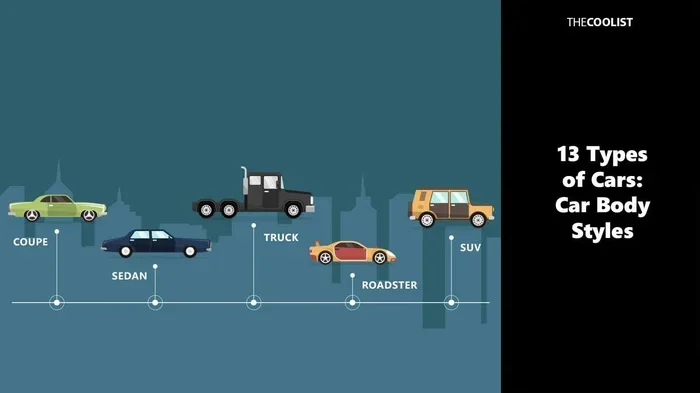
Let us start with the basics. A car’s body type refers to its overall shape and structure. It is sometimes called the vehicle body style or automotive body type. Common examples include sedan, SUV, coupe, hatchback, station wagon, van, and pickup truck. Each type has distinct features that set it apart. Once you know what to look for, you can spot these features on your own vehicle. This guide will give you the exact tools and tricks to find that information quickly.
Key Takeaways
- Check the driver’s side door jamb: The sticker there lists the body type along with other specs.
- Decode the VIN: Characters 1-3 and 4-8 often reveal the vehicle type and body style.
- Consult the owner’s manual: It includes a section on vehicle description and body style.
- Use free online VIN decoders: Sites like VINDecoder.net instantly show the body type.
- Look at the vehicle registration or title: These documents often list the body style.
- Visit a dealership or auto parts store: Staff can look it up with the VIN.
- Know the common body types: Sedan, SUV, coupe, hatchback, wagon, van, and truck are the main categories.
📑 Table of Contents
What Is a Car Body Type and Why Does It Matter?
Understanding Vehicle Body Styles
The body type of a car is its basic shape and configuration. It describes the passenger and cargo areas, the roofline, and the number of doors. The automotive industry uses specific terms for these designs. You might hear words like body design, chassis type, or vehicle classification. These all refer to the same core idea: how the car is built from the body up.
Every vehicle falls into a category based on its structure. The body style affects the interior space, ride height, and even fuel efficiency. For example, a sedan body type typically has four doors and a separate trunk. An SUV body style offers higher ground clearance and more vertical space. A coupe usually has two doors and a sloping roofline. Understanding these differences helps you communicate with mechanics, parts suppliers, and insurance agents.
Why Knowing Your Body Type Helps
There are many practical reasons to know your car’s body style. First, it ensures parts compatibility. A fender or door designed for a hatchback will not fit a sedan. Second, insurance companies often use body type to set rates. Sports cars and SUVs may have different premiums than sedans. Third, it helps when you need to order accessories like roof racks or cargo organizers. These items are often sold by body style.
Knowing your vehicle identification details also makes life easier at the dealership or auto parts store. Staff can look up your car instantly if you know the body type and trim level. This saves time and prevents ordering errors. Overall, understanding your car’s body design gives you confidence when making purchases or discussing repairs.
Where Do I Find the Body Type of My Car?
Now that you understand why body type matters, let us explore the exact places you can find this information. Where Do I Find the Body Type of My Car? You can check several sources, both on the vehicle itself and through official documents. Each method has its own advantages. Below, we will break down every option so you can pick the one that works best for you.
Check the Driver’s Side Door Jamb
The driver’s side door jamb is one of the easiest places to find your car’s body type. Open the driver’s door and look at the sticker or plate on the door frame. This sticker, often called the door jamb sticker, contains a wealth of vehicle specifications. You will typically find the body style listed under “Body Type” or “Vehicle Type.”
The sticker also shows the model year, manufacturer, and trim level. It may include the gross vehicle weight rating and tire size. If you cannot read the sticker due to wear, a flashlight or phone camera can help. This method works for most cars built after the 1980s. It is fast, free, and requires no special tools.
Decode the Vehicle Identification Number
The VIN is a unique 17-character code assigned to every vehicle. It acts like a fingerprint for your car. The VIN encodes details about the manufacturer, model, engine, and body style. You can find the VIN on the dashboard near the windshield, on the driver’s side door jamb, or on the vehicle title.
To decode the VIN, you do not need to memorize each character. Instead, use a free online VIN decoder. These tools instantly reveal the body type and other key specs. The first three characters, known as the World Manufacturer Identifier, tell you who built the car. Characters four through eight describe the vehicle line, body style, and engine type. This method is especially useful when the door jamb sticker is missing.
Consult the Owner’s Manual
Your owner’s manual is a treasure trove of vehicle information. Most manuals include a section called “Vehicle Description” or “Specifications.” In that section, the body type is clearly stated. You will also find details about the vehicle classification, such as whether it is a passenger car or light truck.
If you have lost your physical manual, you can often download a PDF from the manufacturer’s website. Simply enter your VIN or model year on the brand’s support page. The digital manual will contain the same information. This is a great backup method if you do not have access to the car itself.
Use Free Online VIN Decoder Tools
Online VIN decoders are quick and convenient. You just enter the 17-digit VIN, and the tool returns a detailed report. The report includes the body style, engine type, trim, and production year. Many sites offer this service for free, such as VINDecoder.net or the National Highway Traffic Safety Administration (NHTSA) VIN lookup tool.
These decoders rely on manufacturer data, so they are highly accurate. They are perfect for buyers checking a used car or owners who need a fast answer. Some decoders even show recall information and safety ratings. This method is ideal when you are on the go and do not want to open the car door or dig through paperwork.
Look at the Vehicle Registration or Title
Your vehicle registration card and title are official documents that list key details about your car. In many states, the body type or vehicle style is included in the description field. The registration may use terms like “Sedan,” “SUV,” “Coupe,” or “Van.” The title will also show the vehicle type, which often corresponds to the body style.
Keep these documents in a safe place, such as your glovebox or a digital folder. If you cannot find them, you can request a copy from your local Department of Motor Vehicles. This method is especially helpful when you need proof of the body type for insurance or registration purposes.
Visit a Dealership or Auto Parts Store
If all else fails, a dealership or auto parts store can help. Provide them with your VIN, and their parts or service team can look up the exact body type. They have access to professional databases that include detailed vehicle specifications. This method is foolproof and works for even the most obscure models.
Many auto parts stores also offer free VIN lookups at their service desks. You can walk in with your VIN and get a printout of your car’s specs. This is a great option if you prefer face-to-face assistance or need help interpreting the information.
Comparison of Methods to Find Your Car’s Body Type
| Method | Where to Find It | What You’ll See | Pros | Cons |
|---|---|---|---|---|
| Door Jamb Sticker | Inside driver’s door frame | Body type, model year, trim, tire size | Fast, free, no tools needed | Sticker may fade or be missing |
| VIN Decoder | Online or via smartphone app | Body style, engine, trim, safety info | Instant, detailed, works from anywhere | Requires internet access |
| Owner’s Manual | Glovebox or manufacturer website | Vehicle description and specifications | Comprehensive and official | Manual may be lost or outdated |
| Vehicle Registration/Title | Documents or DMV office | Body style listed in vehicle description | Official record, good for insurance | May use generic terms |
| Dealership or Parts Store | In person or via phone | Exact body type from database | Expert help, very accurate | May require a trip or call |
Common Car Body Types Explained
Understanding the different body types helps you identify your own vehicle with ease. Each style has a distinct look and purpose. Here we break down the most common automotive body types you will encounter.
Sedan Body Type
A sedan is a classic four-door passenger car with a separate trunk. It has three distinct sections: the engine compartment, the passenger cabin, and the cargo area. Sedans are known for their comfort, fuel efficiency, and smooth ride. Examples include the Toyota Camry, Honda Accord, and Ford Fusion. The sedan body type is one of the most popular choices for families and daily commuters.
SUV and Crossover Body Styles
Sport Utility Vehicles, or SUVs, offer higher ground clearance and a boxier shape. They often feature all-wheel drive and spacious interiors. A crossover is a lighter, car-based SUV that uses a unibody frame. Crossovers are more fuel-efficient than traditional truck-based SUVs. Popular examples are the Ford Escape, Toyota RAV4, and Honda CR-V. The SUV body style is perfect for families who need extra cargo room and a commanding driving position.
Coupe and Hatchback Designs
A coupe typically has two doors and a sleek, sloping roofline. It emphasizes style and sporty handling over rear-seat space. A hatchback, on the other hand, has a rear door that swings upward to reveal a cargo area. Hatchbacks are practical and compact, making them ideal for city driving. The Mini Cooper and Volkswagen Golf are well-known hatchback examples. Coupe and hatchback body designs appeal to buyers who value flexibility and fun.
Station Wagon and Van Options
A station wagon is essentially a sedan with an extended roof that stretches over the rear cargo area. It offers generous interior space and a flexible load floor. Wagons are less common today but remain popular in Europe and among enthusiasts. A van, or minivan, is designed for maximum passenger and cargo capacity. It usually has sliding rear doors and a flat floor. The Honda Odyssey and Chrysler Pacifica are popular minivans. These body types are top choices for large families and road trips.
Truck and Convertible Body Types
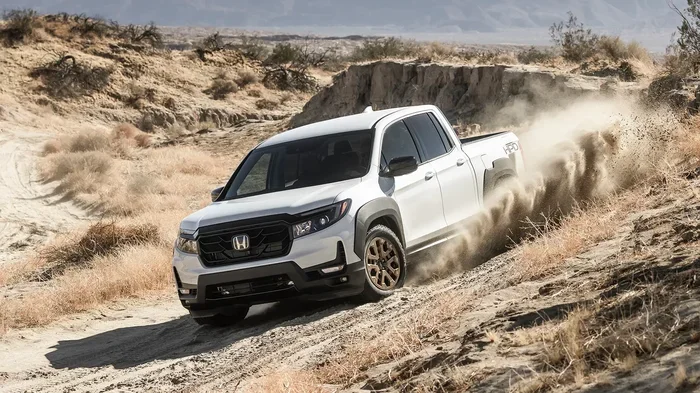
Pickup trucks have an open cargo bed and a separate cab. They are built for hauling and towing, making them popular in rural and work environments. Models like the Ford F-150 and Chevrolet Silverado dominate this category. A convertible features a retractable roof, allowing open-air driving. Convertibles are often associated with luxury and leisure. The Mazda MX-5 Miata and BMW Z4 are famous examples. Each body type serves a different lifestyle and need.
Quick Tips and Common Mistakes
Quick Tips for Identifying Your Body Type
- Look at the roofline: A sloping rear roof suggests a coupe or hatchback, while a flat roofline points to a sedan or wagon.
- Count the doors: Two doors usually mean a coupe or sports car. Four doors indicate a sedan, SUV, or van.
- Check the cargo area: An open bed means a truck. A sealed cargo area with a hatch indicates a hatchback or wagon.
- Measure the ground clearance: Higher clearance often signals an SUV or crossover. Low clearance is typical of sedans and sports cars.
- Use the VIN first: When in doubt, run the VIN through a decoder. It gives you an instant, accurate answer.
Common Mistakes People Make When Looking Up Body Type
- Confusing trim with body type: The trim level (like SE or Limited) is not the same as the body style. A sedan can have many trims.
- Relying on a single source: Always cross-check at least two methods. The door jamb sticker and VIN decoder should match.
- Assuming all SUVs are the same: There are truck-based SUVs and car-based crossovers. They have different body structures and capabilities.
- Ignoring the vehicle classification: Some cars are classified as light trucks, which affects emissions and safety standards. The body type may be listed as “Sport Utility Vehicle” even if it looks like a car.
- Forgetting the model year: Body styles can change between generations. A 2010 model may have a different body type than a 2020 model of the same name.
Expert Insights: How Mechanics Determine Body Type
Using the VIN and Database Lookup
Professional mechanics and dealership technicians rely heavily on the VIN and manufacturer databases. They enter the VIN into a system like Mitchell OnDemand or Alldata. These systems return a complete vehicle profile, including the body type, chassis codes, and production options. This method is the gold standard for accuracy.
Mechanics also use the body type to select the correct repair procedures. A unibody sedan requires different straightening techniques than a body-on-frame truck. Understanding the vehicle classification helps them order the right parts and estimate labor time correctly. This attention to detail prevents costly mistakes and ensures safe repairs.
Physical Inspection Techniques
Experienced technicians can often identify a car’s body type just by looking at it. They check the wheelbase, the ratio of the body to the wheel wells, and the presence of a separate cargo bed. They also look at the door hinges and pillar design. A hardtop coupe, for example, has a fixed roof with no B-pillar, while a convertible has a removable top.
They also consider the vehicle’s intended use. A car with heavy-duty suspension and large wheels is likely an SUV or truck. A low-slung car with sporty tires is probably a coupe or sports sedan. These physical clues complement the data from the VIN and documents. Together, they give a complete picture of the vehicle’s body style.
Conclusion
Finding the body type of your car is a straightforward process once you know where to look. Whether you check the driver’s side door jamb, decode the VIN, or consult the owner’s manual, you have multiple reliable options. Using a free online VIN decoder is often the fastest method, especially when you are on the go. For official records, the vehicle registration and title provide clear documentation.
Understanding your car’s body style empowers you as an owner. It helps you buy the right parts, navigate insurance questions, and make informed decisions about maintenance and upgrades. The next time someone asks you, Where Do I Find the Body Type of My Car, you will have the answer ready. Take a moment to check your own vehicle using the methods in this guide. You will be surprised how quickly you can find this useful piece of information.
With the knowledge you have gained, you can confidently discuss body types with mechanics, compare vehicles when shopping, and avoid common pitfalls. Keep this guide bookmarked for future reference. Your car’s body design is a key part of its identity, and now you know exactly how to uncover it.
Frequently Asked Questions
Can I find the body type on the car’s dashboard?
The VIN printed on the dashboard is the most reliable way to look up the body type. You can use a free online VIN decoder with that 17-character code to instantly see the vehicle’s body style and other specifications.
What is the difference between body type and vehicle type?
Body type refers to the specific design shape like sedan, SUV, or coupe. Vehicle type is a broader category such as passenger car, light truck, or motorcycle. The body type sits within the vehicle type classification.
Do all cars have a door jamb sticker with the body type?
Most cars built after the 1980s have a door jamb sticker. However, older vehicles or some imports may have a metal plate instead. If the sticker is missing, you can use the VIN or owner’s manual to find the body style.
Is a crossover the same as an SUV?
Not exactly. A crossover is built on a car platform and is lighter and more fuel-efficient. A traditional SUV often uses a truck frame with body-on-frame construction. The body type listed in the VIN will distinguish between the two.
Can the body type affect my insurance rate?
Yes, insurance companies often use the body type as a factor in pricing. Sports cars and SUVs may have different premiums than sedans because of repair costs, safety features, and theft risk.
What if the VIN decoder does not show the body type?
Some decoders show the vehicle line instead of the exact body style. In that case, cross-check with the door jamb sticker or owner’s manual. You can also visit a dealership with the VIN for a definitive answer.