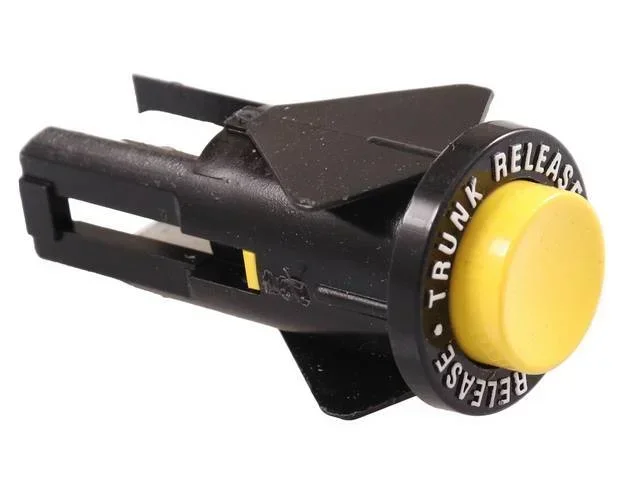
Where Is the Trunk Release Switch Located on Your Car
The trunk release switch on your car can be found in several places depending on the make and model. Most vehicles have a trunk release button on the driver’s side dashboard or door panel. Other common spots include the key fob, the trunk lid itself, and even the rear seat area. Knowing where the trunk release switch is located saves you time and stress when you need quick access. This guide covers every possible location so you are never left guessing again.
Have you ever stood in front of your car, keys in hand, trying to figure out how to pop the trunk? You are not alone. Where is the trunk release switch located is one of the most common questions new car owners ask. The answer might surprise you because it is not always obvious.
Different car brands place the trunk release switch in different spots. Some hide it on the dashboard. Others put it on the door panel or even the trunk lid itself. Understanding these locations makes your daily life much easier. It also helps in emergencies when you need fast access to your cargo area.
This guide walks you through every possible location for the trunk release switch. We will cover standard spots, hidden locations, and emergency options. By the end, you will know exactly how to open your trunk on any vehicle.
Key Takeaways
- Driver’s side dash or door panel: The most common spot for the trunk release switch on nearly all modern cars.
- Key fob trunk release: Most remote keys have a dedicated trunk open button for hands-free access.
- Trunk lid or handle: Many vehicles place a release lever or button right on the trunk itself.
- Rear seat release: Some cars, especially SUVs and sedans, have a trunk release accessible from inside the cabin.
- Emergency trunk release: Every car must have an internal emergency release handle for safety reasons.
- Familiarize yourself with your specific model: The exact location varies by brand, year, and trim level.
- Regular maintenance helps: Keeping the trunk release mechanism clean and lubricated prevents future problems.
📑 Table of Contents
- The Quick Answer: Where Is the Trunk Release Switch Located?
- Trunk Release Locations by Car Brand
- Electronic and Remote Trunk Release Options
- Emergency and Hidden Trunk Release Methods
- How the Trunk Release Mechanism Works
- Common Trunk Release Problems and How to Fix Them
- Tips for Maintaining Your Trunk Release System
- Expert Insights on Trunk Release Switch Placement
- Key Takeaways
- Frequently Asked Questions
- Conclusion
The Quick Answer: Where Is the Trunk Release Switch Located?
The most common place to find the trunk release switch is on the driver’s side dashboard or door panel. Look for a button with a trunk icon or the word “Trunk.” On many vehicles, this button sits near the steering column or on the center console.
However, cars are not one-size-fits-all. The trunk release switch location depends on the manufacturer, model, and year of the vehicle. Some cars use a lever instead of a button. Others rely entirely on a key fob or remote signal. Let us break down the most common locations you will encounter.
Driver’s Side Dashboard
On the majority of cars sold today, the trunk release button lives on the driver’s side dashboard. It is usually positioned below the steering wheel or on the left side of the instrument panel. You will recognize it by a trunk icon or a small picture of an open trunk.
This placement is intentional. Drivers can reach it easily without taking their eyes off the road for long. It is also the first place most people check when they cannot find a switch.
Driver’s Side Door Panel
Some manufacturers prefer the driver’s door panel for the trunk release. Look on the armrest area or near the window controls. On certain models, the trunk release shares a panel with other controls like the power window switches.
This location is especially common on trucks and larger SUVs. The armrest area gives you a natural resting spot for your hand, making the switch easy to find.
Center Console
Luxury vehicles and modern cars often place the trunk release on the center console. It might sit between the front seats or near the gear shift. Some models integrate the trunk release into the infotainment system, allowing you to open the trunk through a touchscreen menu.
This trend is growing as cars become more tech-forward. If your car has a digital display, check the vehicle settings menu for a trunk release option.
Trunk Release Locations by Car Brand
Different car brands have their own preferences for trunk release placement. Here is a closer look at how some popular manufacturers design their trunk release systems.
Toyota and Honda
Toyota and Honda vehicles typically place the trunk release switch on the driver’s side dashboard. On many Toyota models, you will find it near the lower left side of the steering column. Honda often positions it on the driver’s door panel or the center console area.
Both brands also include a trunk release on the key fob. This gives you a second way to access the trunk without entering the vehicle. The key fob trunk release is especially handy when you are carrying groceries and your hands are full.
Ford and Chevrolet
Ford trucks and SUVs often feature a trunk release on the driver’s side door panel. Some Ford models also include a remote trunk release through the key fob. Chevrolet vehicles tend to follow the dashboard button layout, similar to Toyota and Honda.
Ford’s newer models have introduced hands-free trunk access. With a motion sensor under the rear bumper, you can wave your foot to open the trunk. This feature uses the same trunk release system but removes the need for a physical switch.
Luxury Brands (BMW, Mercedes-Benz, Audi)
Luxury brands offer more trunk release options than most economy cars. BMW often includes a trunk release on the center console and through the iDrive system. Mercedes-Benz places the switch on the driver’s door panel and also supports hands-free trunk opening through the KEYLESS-GO system.
Audi vehicles typically feature the trunk release on the driver’s door or through the MMI infotainment screen. Many Audi models also include a soft-close trunk lid that activates automatically when you press the release.
| Car Brand | Most Common Switch Location | Key Fob Support | Hands-Free Option |
|---|---|---|---|
| Toyota | Driver’s dashboard | Yes | Some models |
| Honda | Driver’s door panel | Yes | Some models |
| Ford | Driver’s door panel | Yes | Yes (motion sensor) |
| Chevrolet | Driver’s dashboard | Yes | Some models |
| BMW | Center console | Yes | Yes (Comfort Access) |
| Mercedes-Benz | Driver’s door panel | Yes | Yes (KEYLESS-GO) |
| Audi | Driver’s door / MMI | Yes | Some models |
Electronic and Remote Trunk Release Options
Modern vehicles offer more than just a physical switch. Electronic and remote trunk release systems have become standard on most new cars. Understanding these options helps you make the most of your vehicle’s features.
Key Fob Trunk Release
The key fob trunk release is one of the most convenient features available today. Nearly every new car comes with a remote that includes a dedicated trunk button. On most key fobs, this button sits near the top or on the side of the fob.
To use it, simply press the trunk button while within range of the vehicle. The trunk latch will release, and you can lift the trunk lid open. This method works even when you are standing outside the car, making it perfect for loading and unloading.
Quick tip: If the key fob trunk release stops working, check the battery first. A weak battery is the most common cause of remote trunk release failure. Replacing the battery usually solves the problem immediately.
Hands-Free Trunk Open Systems
Hands-free trunk open systems are becoming more popular. These systems use sensors to detect your presence near the rear of the vehicle. To activate the hands-free trunk release, simply stand near the rear bumper and wave your foot under the sensor.
This feature is especially useful when you are carrying heavy bags or items. You do not need to fumble with a key fob or search for a physical switch. The system recognizes your proximity and opens the trunk automatically.
Hands-free systems work through the vehicle’s central locking system and proximity sensors. They require the key fob to be within a certain range, typically inside the house or on your person.
Smartphone App Integration
Some newer vehicles allow you to control the trunk release through a smartphone app. Brands like BMW, Tesla, and Ford offer mobile apps that include remote trunk access. You can open or close the trunk from anywhere with an internet connection.
This feature is incredibly useful when you need to access the trunk but do not have your key fob handy. It adds a layer of convenience that traditional trunk release switches cannot match.
Emergency and Hidden Trunk Release Methods
What happens when the trunk release switch fails or you lock your keys inside the trunk? Every vehicle has backup methods to open the trunk. Knowing these emergency options can save you from a stressful situation.
Internal Trunk Emergency Release Handle
Federal law requires all vehicles to have an internal emergency trunk release. This is a handle or lever located inside the trunk itself. It is usually found near the trunk lid latch, on the inside of the trunk lid or on the rear seat back.
The emergency release handle is typically bright colored, often yellow or orange, so you can find it easily in the dark. Pulling this handle releases the trunk latch from the inside, allowing you to push the trunk lid open.
This feature is also a critical safety measure. If someone, especially a child, becomes trapped inside the trunk, the emergency release handle provides a way out. It is one of the most important safety features in any vehicle.
Trunk Release via Key Slot
Many vehicles still include a traditional key slot for the trunk release. This slot is usually located on the trunk lid or on the rear bumper. Inserting and turning a physical key releases the trunk latch mechanically.
The key slot serves as a backup when electronic systems fail. It also works when the battery is dead and no electronic release is available. Keep a spare key in a safe place for this exact situation.
Rear Seat Release for SUVs and Sedans
Some SUVs and sedans include a trunk release accessible from the rear seat area. This switch or lever is usually found on the seat back or the side panel near the rear seats. Folding down the rear seats gives you access to the trunk from inside the cabin.
This feature is particularly useful for moving large items. You can fold the seats, access the trunk from the cabin, and load or unload without standing outside the vehicle.
Trunk Release Cable
Older vehicles and some budget models use a mechanical trunk release cable. This cable connects the interior release lever to the trunk latch. Pulling the lever inside the car tugs the cable, which releases the trunk lock.
While this system is simpler than electronic releases, it is also more reliable in some ways. There are no sensors or electronics to fail. However, the cable can stretch or break over time, which may require replacement.
How the Trunk Release Mechanism Works
Understanding how the trunk release mechanism works helps you appreciate the engineering behind it. It also makes troubleshooting easier when something goes wrong.
The Trunk Latch System
The trunk latch is the mechanical component that keeps the trunk lid securely closed. It consists of a latch hook on the trunk lid and a receiver on the vehicle body. When you press the trunk release switch, a signal is sent to the trunk actuator, which releases the latch.
The actuator is a small electric motor or solenoid that pushes or pulls a rod connected to the latch. Once the latch is released, the trunk lid can be lifted open. The entire process happens in seconds.
Trunk Release Switch Types
There are several types of trunk release switches used in modern vehicles:
- Push-button switches: The most common type. Press once to release the latch.
- Toggle switches: Flip up or down to activate the trunk release.
- Touch-sensitive switches: Found on luxury vehicles. A light touch activates the release.
- Lever-style switches: A physical lever that you pull to release the trunk.
- Remote switches: Wireless signals from a key fob or smartphone app trigger the release.
Each type serves the same purpose but offers a different user experience. Push-button switches are the most intuitive and widely used across all vehicle segments.
The Role of the Central Locking System
Many modern vehicles tie the trunk release into the central locking system. When you lock or unlock the car with the key fob, the trunk lock also engages or disengages. This integrated system adds convenience and security.
However, it also means that a problem with the central locking system can affect trunk access. If the central locking module fails, you may not be able to open the trunk remotely. In such cases, the emergency release handle becomes your primary option.
Common Trunk Release Problems and How to Fix Them
Even the best trunk release systems can develop problems over time. Here are the most common issues and how to address them.
Trunk Release Switch Not Working
If the trunk release switch stops responding, the first thing to check is the fuse. A blown fuse in the trunk release circuit will prevent the switch from working. Consult your owner’s manual to find the correct fuse box location and fuse number.
Next, check the key fob battery. A weak fob battery often causes intermittent or complete failure of the remote trunk release. Replacing the battery is a simple fix that costs just a few dollars.
Trunk Stuck Closed
A trunk that is stuck closed can be frustrating. Start by using the emergency trunk release handle inside the trunk. If the emergency release works, the problem is likely with the electronic switch or actuator rather than the latch mechanism itself.
Lubricating the trunk latch with a silicone-based lubricant can often resolve stiffness. Over time, dirt and debris can build up in the latch mechanism, causing it to jam. A quick cleaning and lubrication session can restore smooth operation.
Trunk Opens by Itself
If your trunk opens on its own, it could be a faulty switch or a problem with the central locking system. A stuck trunk release switch may send continuous signals to the actuator, causing the trunk to open unexpectedly.
This issue should be addressed promptly. An open trunk while driving is dangerous and can cause cargo loss or accidents. Have a mechanic inspect the trunk release switch and actuator as soon as possible.
Tips for Maintaining Your Trunk Release System
Regular maintenance keeps your trunk release system working smoothly for years. Here are some simple tips to follow.
- Keep the switch clean: Wipe the trunk release button or lever regularly to prevent dirt buildup.
- Lubricate the latch: Apply silicone lubricant to the trunk latch every six months.
- Replace key fob batteries: Change the battery at the first sign of weak signal.
- Check fuses periodically: Inspect the fuse box during routine car maintenance.
- Test the emergency release: Make sure the emergency trunk release handle works by testing it once a year.
- Avoid forcing the trunk lid: If the trunk does not open smoothly, do not force it. Investigate the cause first.
Following these simple steps prevents most trunk release problems before they start. A little maintenance goes a long way toward keeping your vehicle in top condition.
Expert Insights on Trunk Release Switch Placement
Automotive engineers design trunk release switch placement with ergonomics in mind. The goal is to make the switch easy to find and use while keeping the driver’s focus on the road.
According to automotive design experts, the driver’s side dashboard remains the gold standard for trunk release switch placement. It offers the best balance of accessibility, visibility, and safety. The switch is always in the same general area across different vehicles, which makes it intuitive for drivers.
Some designers argue that integrating the trunk release into the key fob is the future. As hands-free trunk open technology becomes more affordable, physical switches may become less common. However, having a physical switch as a backup is still essential for reliability and safety.
Key Takeaways
- Driver’s side dash or door panel: The most common spot for the trunk release switch on nearly all modern cars.
- Key fob trunk release: Most remote keys have a dedicated trunk open button for hands-free access.
- Trunk lid or handle: Many vehicles place a release lever or button right on the trunk itself.
- Rear seat release: Some cars, especially SUVs and sedans, have a trunk release accessible from inside the cabin.
- Emergency trunk release: Every car must have an internal emergency release handle for safety reasons.
- Familiarize yourself with your specific model: The exact location varies by brand, year, and trim level.
- Regular maintenance helps: Keeping the trunk release mechanism clean and lubricated prevents future problems.
Frequently Asked Questions
Can I open my trunk if the battery is dead?
Yes, you can. Most vehicles have a mechanical trunk release option. Use the key slot on the trunk lid or the rear bumper to unlock it manually. You can also pull the emergency trunk release handle from inside the trunk if you can access it through the rear seats.
Why is my trunk release switch unresponsive?
The most common reason is a blown fuse in the trunk release circuit. Check the fuse box and replace the fuse if needed. A weak key fob battery is another frequent cause. Try replacing the battery before assuming the switch itself is faulty.
Is it safe to drive with the trunk slightly open?
No, it is not safe. An open trunk while driving can cause cargo to shift or fall out. It also creates a fire hazard if exhaust fumes enter the cabin through the trunk opening. Always ensure the trunk is fully closed and latched before driving.
How do I activate the hands-free trunk release on my car?
Stand near the rear bumper and wave your foot under the sensor. The hands-free trunk release uses proximity sensors to detect your presence. Make sure your key fob is inside the vehicle or on your person for the system to work properly.
Can a faulty trunk release switch drain my car battery?
Yes, a stuck or faulty trunk release switch can cause a slow battery drain. If the switch sends continuous signals to the trunk actuator, it will keep drawing power even when the car is off. Have the switch inspected and repaired if you suspect this issue.
Where can I find the trunk release switch on older vehicles?
On older vehicles, the trunk release is often a lever or pull handle inside the cabin. It is typically found on the driver’s side door panel or the dashboard area near the steering column. Some older models also have a trunk release on the trunk lid itself, operated with a physical key.
Conclusion
Knowing where the trunk release switch is located on your car is a simple but valuable piece of knowledge. Whether you find it on the dashboard, the door panel, or the center console, understanding its location saves you time and frustration. You now have a complete guide to every possible trunk release location, from standard switches to emergency options.
Remember that every vehicle is different. Your car may have a trunk release switch in a spot not covered here. When in doubt, consult your owner’s manual. It is the most accurate source for your specific make and model.
Take a moment today to locate your trunk release switch if you have not already. Familiarity with your vehicle’s features makes every drive more confident and convenient. With the information in this guide, you will never be left standing outside your car wondering how to get to your trunk again.