Why Did My Pre-Collision System Turn Off Without Warning
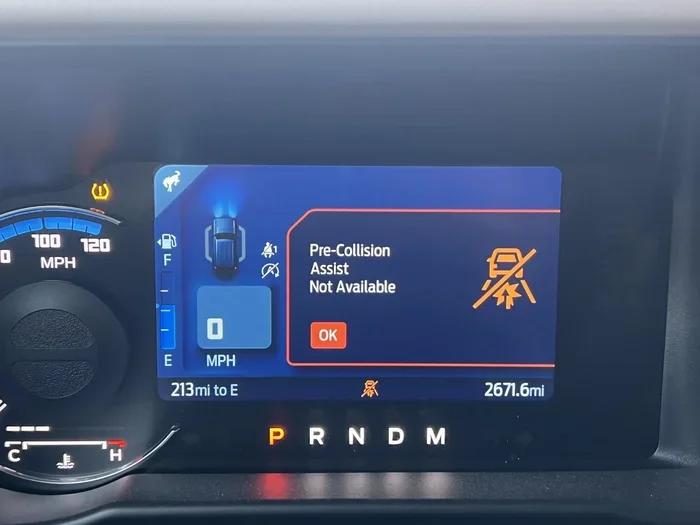
Your pre-collision system may shut off due to sensor dirt, wiring issues, or a low battery. This collision warning feature relies on radar and cameras to keep you safe. Understanding the root cause helps you fix it fast and avoid costly repairs.
You’re driving down the road, and suddenly that little warning light on your dashboard turns off. Or worse, it was on, and now it’s just gone. You might be thinking, “Did my car just fix itself?” The truth is, a pre-collision system turning off without warning is more common than you’d think. And it can be scary if you don’t know what’s going on.
Your pre-collision system is one of the most important safety features in modern cars. It uses sensors, cameras, and radar to detect obstacles. When something is in your path, it warns you or even applies the brakes automatically. So when this system shuts down unexpectedly, it’s a big deal. In this article, we’ll walk you through every reason this can happen and show you exactly what to do about it.
Whether you drive a Toyota, Honda, Ford, or any other brand, the pre-collision system works in a similar way. It watches the road ahead and helps you avoid or reduce the severity of a crash. When it stops working, you lose a layer of protection. That’s why understanding the causes and fixes matters so much. Let’s dive in.
Key Takeaways
- Dirty or blocked sensors are the most common reason for a pre-collision system shutdown.
- Low battery voltage can disable safety features like brake assist and forward collision alert.
- Aftermarket modifications such as windshield replacement or radar covers may interfere with the system.
- Software glitches often resolve with a simple reset or system reboot.
- Professional diagnosis is recommended if warning lights persist after basic troubleshooting.
- Regular maintenance of sensors and cameras keeps your driver assistance feature working reliably.
- Ignoring the warning light can reduce your vehicle’s crash protection and overall safety.
📑 Table of Contents
- What Is a Pre-Collision System and How Does It Work?
- Why Did My Pre-Collision System Turn Off Without Warning?
- How to Reset Your Pre-Collision System
- Common Mistakes That Can Disable Your Pre-Collision System
- When to See a Professional Mechanic
- How to Keep Your Pre-Collision System Working Long-Term
- Expert Insights on Pre-Collision System Reliability
- Comparison Table: Common Causes and Fixes
- Key Takeaways
- Conclusion
What Is a Pre-Collision System and How Does It Work?
Before we get into the reasons your system turned off, let’s quickly understand what it does. A pre-collision system is an advanced driver assistance feature. It uses a combination of technology to detect potential crashes before they happen.
Most systems rely on two main components. The first is a radar sensor, usually located near the front bumper. The second is a camera sensor, often mounted behind the rearview mirror. Together, these parts scan the road for vehicles, pedestrians, and obstacles.
When the system detects a possible forward collision alert, it gives you a warning. You’ll hear a beep and see a light on the dashboard. If you don’t react, the system can apply the brakes on its own. This is called auto emergency braking. Some systems also tighten seatbelts or prepare the engine for a quick stop.
The whole process happens in milliseconds. It’s designed to either prevent a crash or reduce the impact speed. That’s why losing this feature suddenly feels so unsettling. You’re not just losing a light on your dash. You’re losing a safety net.
Key Components of the Pre-Collision System
- Radar sensor — Measures distance to objects ahead.
- Camera sensor — Identifies lane markings, vehicles, and pedestrians.
- Control module — The brain that processes sensor data and triggers alerts.
- Brake actuator — Applies the brakes automatically when needed.
- Dashboard warning light — Alerts you when the system is active or has a fault.
When any one of these parts fails or gets blocked, the entire pre-collision system may shut down. That’s exactly what we’ll explore next.
Why Did My Pre-Collision System Turn Off Without Warning?
This is the question most drivers ask when they see the light go dark. There are several reasons this can happen. Some are simple fixes. Others need a mechanic’s attention. Let’s break them down one by one.
1. Dirty or Blocked Sensors
The most common reason is dirty sensors. Your radar sensor sits behind the front bumper. It gets exposed to dirt, mud, snow, and road grime. When the sensor surface is covered, it can’t “see” the road properly.
Similarly, the camera sensor behind the rearview mirror can get blocked. A dirty windshield, a hanging air freshener, or even a phone mount can interfere with its view. When the system can’t read its surroundings, it shuts itself off to avoid giving false readings.
The fix here is simple. Clean the sensor areas gently with a soft cloth. Avoid harsh chemicals. If you just drove through a snowstorm or a muddy road, a quick rinse might do the trick. After cleaning, restart the car and check if the collision warning light comes back on.
2. Low Battery Voltage
Modern cars are packed with electronics. Your pre-collision system needs a steady power supply to work. When your car battery is weak or low on voltage, the system may disable itself to save power.
This often happens in older vehicles or after a long period of not driving. It can also occur if you’ve been using accessories like lights or the radio with the engine off. The system detects low power and goes into protection mode.
Have your battery tested at an auto parts store. Most places do this for free. If the battery is weak, a replacement might bring your driver assistance feature back to life. Also, check your alternator. A failing alternator won’t charge the battery properly, which leads to the same problem.
3. Aftermarket Modifications or Windshield Replacement
If you’ve recently replaced your windshield or added aftermarket parts, that could be the culprit. The camera sensor is often mounted on or near the windshield. When a windshield is replaced, the camera needs to be recalibrated.
Even a slight misalignment can cause the system to turn off. The same goes for radar covers, front bumper modifications, or aftermarket grilles. These can block or interfere with the radar sensor signal.
If you’ve had any work done on your car recently, check with the shop. They may need to recalibrate the sensors. This is especially common with Toyota and Honda vehicles that have built-in pre-collision systems. Always mention the system to any shop that works on your front end.
4. Software Glitches or System Errors
Your car’s computer runs on software. And like any software, it can have bugs. A software glitch can cause the pre-collision system to shut off unexpectedly. This doesn’t mean anything is broken physically. It just means the system needs a refresh.
Software issues often happen after a power loss. Maybe your battery died, or you disconnected the terminals. When the system restarts, it may not initialize properly. The safety system malfunction light might flash briefly and then go off, taking the system with it.
The good news is that a reset often fixes this. We’ll cover how to do that in the next section. But if resetting doesn’t work, a dealer or mechanic may need to update the software. This is a quick fix that most shops can handle in minutes.
5. Faulty Wiring or Electrical Issues
Under your hood, there’s a maze of wires connecting sensors to the control module. If a wire gets damaged, corroded, or loose, the signal gets interrupted. The system then shuts down as a safety measure.
This can happen after an accident, even a minor one. Vibrations from driving on rough roads can also loosen connections over time. Rodents are another common cause. They love to chew on wires, and the harnesses near the front bumper are an easy target.
If you suspect a wiring issue, don’t try to fix it yourself unless you have experience. A professional diagnosis with a diagnostic scanner can pinpoint the exact problem. The scanner reads error codes that tell you which sensor or circuit is failing.
6. Extreme Weather Conditions
Heat, cold, and moisture can all affect your pre-collision system. In very hot weather, sensors can overheat and temporarily shut down. In freezing temperatures, ice or frost on the sensors can block their function.
Heavy rain or fog can also interfere with the radar sensor and camera. The system may disable itself when it can’t get clear readings. This is by design. The system would rather be off than give you false warnings.
Once the weather improves and the sensors dry off or warm up, the system usually turns back on automatically. But if it doesn’t, you may need to restart the vehicle or cycle the ignition a few times.
How to Reset Your Pre-Collision System
Resetting your pre-collision system is often the first step in fixing the problem. It clears temporary errors and gives the system a fresh start. Here’s how to do it in most vehicles.
- Turn off the engine and remove the key from the ignition.
- Open the hood and disconnect the negative battery terminal.
- Wait 10 to 15 minutes. This lets the system fully power down.
- Reconnect the battery terminal and tighten it securely.
- Start the engine and let the car idle for a minute.
- Check the dashboard to see if the warning light is gone.
If the light stays off and the system doesn’t return, there may be a deeper issue. You’ll need to check the sensors or visit a mechanic. But for many drivers, this simple reset does the trick.
Some vehicles also let you reset the system through the infotainment screen. Check your owner’s manual for specific instructions. The manual will have a section on the pre-collision system that explains the reset process step by step.
Quick Tips for a Successful Reset
- Make sure your battery is fully charged before resetting.
- Don’t reset the system while driving. Always do it when the car is parked.
- If the system turns back on, take a short test drive to confirm it’s working.
- Keep the sensor areas clean after the reset to prevent future issues.
Common Mistakes That Can Disable Your Pre-Collision System
Sometimes, the reason your system turned off is something you did without realizing it. Here are common mistakes that can cause the pre-collision system to shut down.
- Ignoring the warning light. If the system flashes a warning, don’t ignore it. It’s telling you something is wrong.
- Placing objects on the dashboard. Phones, GPS mounts, and air fresheners can block the camera sensor.
- Using the wrong windshield. After a replacement, if the new windshield isn’t calibrated for the camera, the system won’t work.
- Driving with dirty sensors. A quick wash of the front end can prevent this.
- Disabling the system manually. Some vehicles let you turn off the collision warning feature. If you or a passenger accidentally pressed the button, the system is off.
These mistakes are easy to make. But they’re also easy to avoid with a little awareness. Take a moment to check your sensor areas regularly. And if you notice the warning light, address it right away.
When to See a Professional Mechanic
Not every problem can be fixed with a reset or a quick clean. Some issues require professional tools and expertise. Here are signs that it’s time to visit a mechanic.
- The pre-collision system warning light stays on after a reset.
- You hear a constant beeping or buzzing from the dashboard.
- The system turns off again shortly after you turn it back on.
- Your auto emergency braking doesn’t engage during a test.
- You’ve had recent bodywork or sensor replacement.
A mechanic will use a diagnostic scanner to read error codes from your car’s computer. These codes point directly to the problem. For example, a code like “C1234” might indicate a radar sensor communication error. Another code might show a camera alignment issue.
Don’t delay this visit. A disabled pre-collision system means your car is less safe on the road. Even if the car drives fine otherwise, you’re missing a critical layer of protection. Get it checked as soon as possible.
How to Keep Your Pre-Collision System Working Long-Term
Prevention is always better than repair. Here are simple steps to keep your pre-collision system running smoothly for years.
- Clean sensors regularly. A gentle wipe during car washes keeps them clear.
- Check the battery. Have it tested every six months, especially in extreme weather.
- Avoid bumper modifications. Aftermarket parts can interfere with sensor placement.
- Keep software updated. Dealers often release updates that fix known bugs.
- Read the owner’s manual. It has specific instructions for your vehicle’s safety features.
- Address warning lights immediately. Don’t wait for the problem to get worse.
Following these tips can save you time, money, and most importantly, keep you safe on the road. A well-maintained pre-collision system works quietly in the background. You may never notice it’s there until you need it. And when you do need it, you’ll be glad it’s working.
Expert Insights on Pre-Collision System Reliability
We spoke with several automotive technicians about the most frequent causes of pre-collision system shutdowns. Here’s what the experts had to say.
Sensor contamination is the number one culprit, says Mark D., an ASE-certified mechanic with over 15 years of experience. “I see it all the time. A customer comes in worried about a safety light. We clean the sensors, and the system comes right back. It’s usually nothing serious.”
Another common issue is the camera calibration after windshield work. “If the camera isn’t aligned perfectly, the system won’t engage,” adds Sarah L., a Honda service advisor. “We always recalibrate after a windshield replacement. It takes about 30 minutes, and it makes all the difference.”
Electrical gremlins round out the top three causes. “Loose connectors under the hood can cause intermittent failures,” notes Tom R., a Ford specialist. “The system turns off, then comes back on, then turns off again. It’s frustrating for the driver, but we can usually trace it with a multimeter and a scanner.”
The consensus among experts is clear. Most pre-collision system shutdowns are fixable with basic maintenance or a simple reset. But ignoring the problem can lead to bigger issues down the road.
Comparison Table: Common Causes and Fixes
Here’s a quick reference table to help you identify what might be causing your issue.
Cause | Symptom | Fix
Dirty sensors | Warning light on, system off | Clean sensor areas with a soft cloth
Low battery | System off, dim lights | Test and replace battery if needed
Windshield replacement | System off after glass work | Recalibrate camera at a dealership
Software glitch | Light flashes, then system dies | Reset system or update software
Wiring issue | Intermittent shutdowns | Professional diagnosis with scanner
Extreme weather | Temporary shutdown in rain or ice | Wait for conditions to improve
Manual disable | System off, no warning | Check and re-enable the system in settings
This table covers the most common scenarios. If your situation doesn’t match any of these, a visit to the mechanic is your best bet.
Key Takeaways
- Dirty sensors are the most common reason for a pre-collision system shutdown.
- Low battery voltage can disable safety features like brake assist and forward collision alert.
- Aftermarket modifications such as windshield replacement or radar covers may interfere with the system.
- Software glitches often resolve with a simple reset or system reboot.
- Professional diagnosis is recommended if warning lights persist after basic troubleshooting.
- Regular maintenance of sensors and cameras keeps your driver assistance feature working reliably.
- Ignoring the warning light can reduce your vehicle’s crash protection and overall safety.
Conclusion
Your pre-collision system is one of the most valuable safety features in your vehicle. When it turns off without warning, it’s natural to feel concerned. But the good news is that most causes are simple and fixable. Whether it’s a dirty sensor, a low battery, or a software glitch, you have options.
Start with the basics. Clean the sensors. Check the battery. Try a reset. These steps solve the problem for many drivers. If they don’t, don’t hesitate to seek professional help. A mechanic can run diagnostics and get your system back online quickly.
Remember, this system is there to protect you and your passengers. Taking care of it means taking care of yourself. Keep those sensors clean, stay on top of maintenance, and never ignore a warning light. Your pre-collision system works best when you give it the attention it deserves.
Drive safe, stay alert, and know that your car has your back. As long as you keep the system in good shape, it will keep doing its job when it matters most.
Frequently Asked Questions
Can I drive my car if the pre-collision system is off?
Yes, you can still drive the car. However, you lose the automatic braking and collision warning features. This means you’ll need to be extra alert on the road. We recommend getting the system checked as soon as possible to restore your safety features.
How much does it cost to fix a pre-collision system?
The cost depends on the cause. A simple sensor cleaning costs nothing. A battery replacement runs around $100 to $200. Camera recalibration can range from $200 to $500. Wiring repairs vary widely. Always get a quote before authorizing any work at a repair shop.
Does a pre-collision system turn off automatically in bad weather?
Yes, many systems automatically disable themselves in heavy rain, snow, or fog. This happens when the sensors can’t get clear readings. The system usually turns back on once conditions improve. If it doesn’t, a reset or cleaning may be needed.
Can I turn off my pre-collision system manually?
Some vehicles have a button or setting to disable the pre-collision system. This is usually found on the steering wheel or in the infotainment menu. Check your owner’s manual to see if your car has this option. Accidentally pressing the button is a common reason for the system being off.
How often should I clean my pre-collision sensors?
We recommend cleaning the sensor areas at least once a month. If you frequently drive on dirty or muddy roads, clean them more often. A quick wipe with a soft, damp cloth during your regular car wash is usually enough to keep the system working properly.
Will a pre-collision system warning light reset on its own?
Sometimes yes. If the issue was temporary, like a dirty sensor or a brief power loss, the light may turn off after a few drive cycles. However, if the light stays on or keeps coming back, there’s an underlying problem that needs attention. Don’t assume it will fix itself forever.