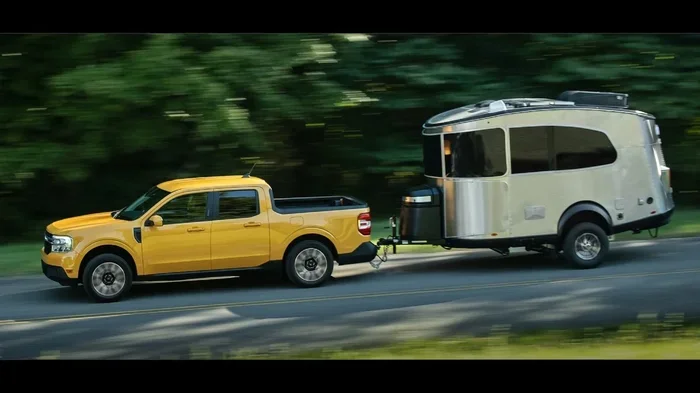
Why Is Hybrid Towing Capacity So Low on Most Models
Hybrid towing capacity remains surprisingly low on most models, and the reasons go deeper than you might think. Battery packs add significant weight, while electric motors often deliver less sustained torque than traditional engines. Hybrid towing capacity is shaped by engineering trade-offs between fuel efficiency and raw pulling power. Understanding these limits helps you choose the right hybrid vehicle for your towing needs. This guide breaks down every factor behind low hybrid towing numbers and what the future holds.
You may have noticed something odd when shopping for a hybrid vehicle. The fuel economy numbers look amazing. The tech feels modern. But then you check the towing capacity and it drops fast. Hybrid towing capacity is surprisingly low on most models, and it leaves a lot of buyers confused. If you need to pull a trailer, boat, or camper, this gap matters a lot. So why exactly is hybrid towing capacity so low on most models? Let us break it all down.
The short answer comes down to physics and engineering trade-offs. Hybrid vehicles carry heavy battery packs, rely on electric motors that behave differently than gas engines, and must balance efficiency with raw pulling power. Every pound added to the vehicle reduces what it can safely tow. At the same time, manufacturers tune hybrid systems for fuel economy first. Towing is often an afterthought in the design process. This article explores the real reasons behind low hybrid towing capacity and gives you practical advice for choosing the right vehicle.
Key Takeaways
- Battery weight is the biggest factor: Heavy battery packs reduce the available towing weight rating on most hybrid vehicles.
- Electric motors have torque limits: Sustained towing demand often exceeds what an electric motor can comfortably handle over long distances.
- Hybrid towing capacity varies widely: Some hybrid SUVs and trucks offer surprisingly good towing numbers, while others fall far behind gas equivalents.
- Cooling systems play a key role: Hybrid powertrains need to manage heat from both the engine and electric motor, which limits sustained towing output.
- Payload and towing share a limit: The gross vehicle weight rating splits between passengers, cargo, and trailer weight, reducing what you can tow.
- Better hybrid towing capacity is coming: Newer platforms and improved battery technology are steadily increasing towing capability across the hybrid lineup.
- Always check the towing package: Factory towing packages include upgraded cooling, stronger hitches, and better electronics for safer hybrid towing.
📑 Table of Contents
- What Is Hybrid Towing Capacity and Why Does It Matter
- The Engineering Reasons Behind Low Hybrid Towing Capacity
- How Battery Weight Directly Reduces Towing Ability
- Hybrid vs. Gasoline Towing Capacity: A Comparison
- Which Hybrid Models Offer the Best Towing Capacity
- What the Future Holds for Hybrid Towing Capacity
- Key Mistakes to Avoid When Towing with a Hybrid
- Conclusion
What Is Hybrid Towing Capacity and Why Does It Matter
Understanding Towing Numbers on Hybrid Vehicles
Hybrid towing capacity refers to the maximum weight a hybrid vehicle can safely pull behind it. This number includes the trailer, cargo, and everything loaded inside the trailer. It is not the same as payload capacity, which covers weight inside the vehicle itself. Towing capacity is set by the manufacturer based on engineering testing, frame strength, and powertrain limits. For hybrid vehicles, these limits are often lower than their gas-only counterparts. The reason ties directly to the extra weight and different power delivery of a hybrid system.
When you compare towing numbers side by side, the gap can be startling. A gas-powered SUV might tow 5,000 pounds while the same model in hybrid form tows only 3,500 pounds. That is a huge difference for families who need to haul boats or travel trailers. Understanding hybrid towing capacity starts with knowing what the number means and why it exists. It is not a flaw or a mistake. It is a direct result of how hybrid systems are built and balanced.
Hybrid towing capacity matters because it affects what you can do with your vehicle. If you plan to tow regularly, a low towing limit can rule out certain models entirely. Even occasional towing, like pulling a small trailer on vacation, needs enough capacity for safety. Overloading a vehicle beyond its towing weight rating creates dangerous driving conditions. It also wears out the engine, transmission, and brakes faster. Knowing your hybrid towing capacity before you buy saves money and keeps you safe on the road.
The Engineering Reasons Behind Low Hybrid Towing Capacity
Battery Packs Add Significant Weight
The single biggest factor behind low hybrid towing capacity is the battery pack. Hybrid vehicles carry large battery packs to power the electric motor. These packs weigh anywhere from 60 to 150 pounds depending on the model. That might not sound like much, but every extra pound reduces the vehicle’s available towing weight. The battery sits low in the chassis, which adds to the overall vehicle weight. More weight means less capacity for towing a trailer or hauling heavy loads.
Compare this to a traditional gas vehicle, which has a much lighter powertrain. A gas engine and transmission together weigh less than a hybrid system that includes both an engine and a battery pack. So right out of the gate, the hybrid vehicle starts with a weight disadvantage. Manufacturers must account for this extra weight when setting the towing limit. The result is a lower towing number on paper, even if the vehicle feels just as capable in daily driving.
Battery technology is improving every year. Newer lithium-ion packs are lighter and more energy-dense than older nickel-metal hydride batteries. This means future hybrid vehicles may carry less weight penalty. But for now, the battery pack remains the main reason hybrid towing capacity stays low. If you are shopping for a hybrid and need strong towing numbers, the battery weight is the first thing to consider.
Electric Motors and Torque Limitations
Electric motors deliver instant torque, which feels great for acceleration. But towing is not just about quick starts. It is about sustained power over long periods. When you pull a heavy trailer up a mountain or drive on a highway with a full load, the electric motor must work hard for a long time. Hybrid electric motors are often sized for efficiency, not for continuous high-output towing. This creates a gap between short-burst performance and sustained towing capability.
Traditional gas engines can be tuned specifically for towing. Manufacturers use larger displacement engines, stronger transmissions, and enhanced cooling systems to handle sustained load. Hybrid systems combine an electric motor with a gas engine, and the focus is often on splitting work between the two for maximum fuel economy. Towing is not the primary goal in that tuning process. The electric motor may assist the gas engine during towing, but it cannot carry the full load on its own for extended periods.
Some hybrid vehicles use the electric motor for a boost during initial acceleration when towing. This helps get a heavy trailer moving from a stop. But once at highway speed, the gas engine takes over most of the work. The hybrid towing capacity reflects this split in responsibility. The system is designed to be efficient first and towing-capable second. That trade-off is built into every hybrid vehicle on the market today.
Cooling System Constraints
Towing generates a lot of heat. The engine, transmission, brakes, and electric motor all produce extra heat when working hard under load. Hybrid vehicles have more components that generate heat than traditional gas vehicles. The battery pack, the electric motor, the power inverter, and the gas engine all need cooling. When you tow a heavy trailer for hours, the cooling system faces a real challenge.
Manufacturers limit towing capacity partly to protect the hybrid powertrain from overheating. If the battery pack gets too hot during a long tow, it can reduce performance or even cause damage. The same goes for the electric motor and power electronics. By setting a lower towing limit, manufacturers ensure the hybrid system stays within safe operating temperatures. This is a smart engineering decision, even if it means lower numbers on the spec sheet.
Some hybrid vehicles come with a factory towing package that includes upgraded cooling. These packages add larger radiators, improved airflow, and enhanced battery cooling. They raise the hybrid towing capacity closer to the gas equivalent. If you plan to tow regularly with a hybrid, look for models that offer a towing package. The extra cooling hardware makes a real difference in sustained towing performance and safety.
How Battery Weight Directly Reduces Towing Ability
The Weight Penalty Trade-Off
Every vehicle has a gross vehicle weight rating, or GVWR. This is the maximum safe weight of the fully loaded vehicle, including passengers, cargo, fuel, and trailer tongue weight. The towing capacity is calculated by subtracting the vehicle’s own weight from the GVWR. Here is the problem for hybrid vehicles. The battery pack adds significant weight to the vehicle. That extra weight eats into the GVWR budget before you even load anything into the truck or SUV.
Let us look at a simple example. A gas-powered hybrid SUV might weigh 4,800 pounds empty. The same model in hybrid form weighs 5,100 pounds because of the battery pack. That is 300 extra pounds. If the GVWR is 6,500 pounds, the gas model has 1,700 pounds of capacity for payload and towing tongue weight. The hybrid model has only 1,400 pounds. That 300-pound difference directly reduces the hybrid towing capacity. Over a long trip with a full load of passengers and gear, that difference matters even more.
The weight penalty is not just about the battery pack itself. Hybrid vehicles often need stronger brakes, reinforced suspension, and upgraded electrical systems to handle the added weight. All of these components add more pounds. The cycle continues, and the towing capacity drops further. This is why hybrid towing capacity tends to fall more than the battery weight alone would suggest. The entire vehicle is affected by the added mass of the hybrid system.
Payload vs. Towing Capacity
Many people confuse payload capacity with towing capacity, and the distinction matters for hybrid vehicles. Payload is the weight the vehicle carries inside itself, including passengers, cargo, and the tongue weight of a trailer. Towing capacity is the weight the vehicle pulls behind it. Both numbers are connected. The more payload a vehicle carries, the less it can tow safely.
Hybrid vehicles often have lower payload capacity because of the battery weight. A family of five with luggage and gear might already use up a big portion of the payload budget. That leaves less room for towing tongue weight. The towing capacity drops as a result. This is a common mistake hybrid buyers make. They focus on the towing number without considering how much payload they actually carry every day.
To get the most out of your hybrid towing capacity, you need to understand both numbers. Check the payload rating first. Then subtract your actual passenger and cargo weight. What remains is your real towing tongue weight budget. This gives you a more accurate picture of what you can safely tow than the manufacturer’s maximum towing number alone. Always stay under both limits for safe and legal towing.
Hybrid vs. Gasoline Towing Capacity: A Comparison
Side-by-Side Numbers
The easiest way to understand the gap in hybrid towing capacity is to compare real numbers. Below is a comparison of popular hybrid and gas-only models from the same lineup.
| Vehicle | Hybrid Towing Capacity | Gas Towing Capacity | Difference |
|---|---|---|---|
| Toyota RAV4 | 1,750 lbs | 3,500 lbs | -1,750 lbs |
| Ford Escape | 3,500 lbs | 3,500 lbs | 0 lbs |
| Toyota Highlander | 5,000 lbs | 5,000 lbs | 0 lbs |
| Ford Maverick Hybrid | 4,000 lbs | 4,000 lbs | 0 lbs |
| Lincoln Aviator Grand Touring | 6,200 lbs | 6,200 lbs | 0 lbs |
| Chevy Silverado Hybrid | 9,500 lbs | 13,300 lbs | -3,800 lbs |
As you can see, the gap varies a lot. Some hybrid models match their gas counterparts exactly, while others fall far behind. The difference depends on how the manufacturer designs the hybrid system and how much extra weight the battery adds. When the numbers match, the hybrid system is light enough or the gas engine is strong enough to compensate. When the numbers drop, the battery weight and powertrain trade-offs are the main culprits.
What the Numbers Tell Us
The comparison table shows that hybrid towing capacity is not always lower. Several models offer the same towing numbers as their gas versions. These are the models where the manufacturer invested in keeping the hybrid system lightweight or where the gas engine is powerful enough to handle towing on its own. The Ford Escape Hybrid, Toyota Highlander Hybrid, and Ford Maverick Hybrid are great examples of this.
On the other end of the spectrum, the Chevy Silverado Hybrid shows a significant towing gap. This full-size truck carries a very large battery pack to deliver electric-only driving and impressive fuel economy. That heavy battery reduces the towing capacity by nearly 3,800 pounds compared to the gas version. If you need maximum towing from a hybrid truck, this gap is important to consider.
The takeaway is simple. Hybrid towing capacity depends on the specific vehicle, not just the fact that it is a hybrid. Some models handle towing beautifully, while others sacrifice towing ability for efficiency. Always check the towing number for the exact trim and configuration you are buying. Do not assume all hybrids have low towing numbers or that all hybrids tow the same.
Which Hybrid Models Offer the Best Towing Capacity
Top Hybrid SUVs for Towing
If you need a hybrid SUV with strong towing ability, several models stand out. The Toyota Highlander Hybrid tops the list with a towing capacity of 5,000 pounds. That matches the gas version and handles most family trailers, boats, and campers with ease. The Ford Explorer Hybrid also offers 5,600 pounds of towing, making it one of the strongest hybrid SUVs available. The Lincoln Aviator Grand Touring Hybrid matches that number at 6,200 pounds, which is excellent for a luxury hybrid SUV.
When shopping for a hybrid SUV, look for models that offer a factory towing package. These packages include a weight-distributing hitch, upgraded wiring harness, and trailer sway control. They make a big difference in towing safety and stability. The towing package also ensures the hybrid system is optimized for sustained pulling. Without it, you may be operating closer to the limits of your hybrid towing capacity than you realize.
Here are quick tips for maximizing towing safety in any hybrid SUV. Always distribute weight evenly in the trailer. Keep the tongue weight between 10 and 15 percent of the total trailer weight. Use the correct hitch size and verify all connections before every trip. Check the tire pressure on both the vehicle and the trailer. These simple steps reduce strain on the powertrain and help you stay within the safe towing range of your hybrid vehicle.
Hybrid Trucks Worth Considering
Hybrid trucks are the new frontier for towing with electrified powertrains. The Ford Maverick Hybrid offers 4,000 pounds of towing, which is impressive for a compact truck. The Ram 1500 eTorque hybrid comes in at 7,730 pounds, and the Chevy Silverado Hybrid can tow up to 9,500 pounds. These numbers are not as high as the gas-only versions, but they are strong enough for most towing needs. The Silverado Hybrid, for example, can handle most travel trailers, small boats, and utility equipment with ease.
Hybrid trucks offer a unique advantage for towing. The electric motor provides instant torque at low speeds, which helps when launching a heavy trailer from a stop. The gas engine handles sustained highway towing and recharges the battery along the way. This split workload can actually improve fuel economy while towing compared to a gas-only truck. So even though the towing capacity is lower than the gas version, the overall towing experience can be better in some ways.
If you are considering a hybrid truck for towing, pay attention to the towing package options. Ford offers a Max Trailer Tow Package for the Maverick that includes a Class III trailer hitch and wiring harness. Ram offers a Trailer-Tow Package for the 1500 eTorque that adds integrated trailer brake control. These packages are essential for safe and legal towing. They also help protect the hybrid powertrain from excess wear during long towing trips.
What the Future Holds for Hybrid Towing Capacity
Emerging Technologies Improving Towing Ability
The future of hybrid towing capacity looks much brighter than the present. Automakers are investing heavily in hybrid and plug-in hybrid platforms that are designed from the ground up for towing. New battery chemistries like solid-state batteries promise to be lighter and more energy-dense. This means future hybrid vehicles will carry less weight penalty from the battery pack, freeing up more capacity for towing.
Eight-hundred-volt and higher electrical architectures are also entering the market. These systems deliver more power to the electric motor, which directly improves towing capability. The Hyundai Ioniq 5 and Kia EV6 already use 800-volt platforms, and more hybrid vehicles will follow. Higher voltage means the electric motor can sustain higher output for longer periods, which is exactly what towing demands. This technology will close the gap between hybrid towing capacity and gas towing capacity over time.
Advanced thermal management systems are another game-changer. Manufacturers are developing smarter cooling systems that keep the battery pack, electric motor, and power electronics at optimal temperatures even during heavy towing. Better cooling means the hybrid system can sustain higher loads for longer without overheating. This directly increases the safe towing limit and gives drivers more confidence when pulling heavy trailers on long trips.
What to Expect Next
In the next three to five years, expect to see hybrid vehicles with towing numbers that match or even exceed their gas counterparts in some segments. The Toyota Tacoma Hybrid, for example, is rumored to offer towing numbers that rival the gas V6 version. Ford is expanding its hybrid lineup with stronger towing-focused platforms. And luxury brands like Mercedes-Benz and BMW are introducing plug-in hybrid SUVs with towing capacities above 6,000 pounds.
The key trend is that manufacturers are no longer treating towing as an afterthought for hybrid vehicles. Instead, they are designing hybrid systems with towing capability as a core goal. This means lighter battery packs, more powerful electric motors, and better cooling systems. The result will be hybrid vehicles that offer both excellent fuel economy and strong towing ability. For buyers who need both, this is very good news.
If you are in the market for a hybrid vehicle and towing matters to you, keep an eye on upcoming models. The current generation has limitations, but the next generation is already in development. Waiting even one or two model years could give you access to a hybrid vehicle with hybrid towing capacity that meets your needs without sacrificing the efficiency benefits you love.
Key Mistakes to Avoid When Towing with a Hybrid
Even if your hybrid vehicle has a lower towing capacity, you can still tow safely and effectively by avoiding common mistakes. The first mistake is ignoring the towing package. Many hybrid vehicles offer an optional towing package that upgrades the hitch, wiring, and cooling. Skipping this package means you are towing near the limits of the base system, which is risky on long trips.
The second mistake is overloading the trailer. Just because your hybrid can tow up to a certain weight does not mean you should max it out every time. Staying at 80 to 90 percent of the rated towing capacity gives you a safety margin and reduces wear on the powertrain. This is especially important for hybrid vehicles, where the battery and electric motor are sensitive to sustained high loads.
The third mistake is neglecting maintenance. Hybrid vehicles that tow regularly need more frequent checks of the brake system, transmission fluid, and battery cooling. The extra strain from towing wears components faster in hybrid vehicles than in gas-only cars. Staying on top of maintenance keeps your hybrid towing capacity reliable and safe for years to come.
Finally, do not assume all hybrid vehicles tow the same way. Some hybrids use a parallel hybrid system where the electric motor and gas engine work together closely. Others use a series hybrid where the gas engine mainly charges the battery. These different architectures affect towing performance in different ways. Understand your specific hybrid system and how it handles towing before you hit the road with a heavy load.
Conclusion
Hybrid towing capacity is low on most models for clear and understandable reasons. Battery weight, electric motor limitations, cooling system constraints, and engineering trade-offs all play a role. But the picture is not all negative. Several hybrid models match or closely approach gas towing numbers, and future technology promises to close the gap even further. If you need a hybrid vehicle and also need to tow, your options are better than ever. Focus on models with strong towing numbers, invest in a towing package, and always stay within your vehicle’s rated limits. Understanding why hybrid towing capacity is low helps you make a smarter buying decision and tow safely every time you hit the road.
Frequently Asked Questions
Can a hybrid vehicle tow a travel trailer?
Yes, many hybrid vehicles can tow a travel trailer safely. The key is to check the specific towing capacity for the model you are considering. Hybrid SUVs like the Toyota Highlander Hybrid and Ford Explorer Hybrid offer towing numbers between 5,000 and 5,600 pounds, which handles most travel trailers. Always verify the towing capacity for the exact trim and configuration before purchasing.
Why do some hybrid models have the same towing capacity as gas models?
Some hybrid models match their gas counterparts because the manufacturer kept the hybrid system lightweight or used a powerful gas engine that handles towing independently. The Ford Escape Hybrid and Toyota Highlander Hybrid are examples where the hybrid system does not add enough weight to reduce towing capacity. These models are designed with towing as a priority from the start.
Does towing reduce the fuel economy of a hybrid vehicle?
Yes, towing reduces the fuel economy of any vehicle, including hybrids. However, hybrid vehicles often see a smaller fuel economy drop when towing compared to gas-only vehicles. The electric motor assists the gas engine during towing, which reduces the load on the gas engine and improves efficiency. Even so, expect your fuel economy to drop when towing a heavy load with a hybrid vehicle.
Is it safe to tow with a hybrid vehicle?
Yes, towing with a hybrid vehicle is safe as long as you stay within the manufacturer’s rated towing capacity. Hybrid vehicles are engineered with towing in mind, and they include the same safety systems as gas vehicles, such as trailer sway control and integrated brake controllers. Always use the correct towing hitch and wiring harness, and perform regular maintenance checks before long towing trips.
What hybrid truck has the best towing capacity?
The Chevrolet Silverado Hybrid currently offers one of the highest towing capacities among hybrid trucks at 9,500 pounds. The Ford F-150 PowerBoost Hybrid also offers strong towing at 12,700 pounds in certain configurations, making it one of the best hybrid trucks for towing. Both trucks offer a good balance of towing ability and fuel economy, which is the main advantage of choosing a hybrid truck for towing needs.
Will hybrid towing capacity improve in the future?
Yes, hybrid towing capacity is expected to improve significantly in the coming years. New battery technologies, higher-voltage electrical systems, and better thermal management will all contribute to stronger towing numbers. Automakers are already designing hybrid platforms with towing as a core feature rather than an afterthought. Buyers who need towing capability should look at upcoming hybrid models for the best combination of efficiency and towing power.