Why Would a Key Get Stuck And How To Fix It Right Now
A stuck key is one of the most frustrating car problems, but it usually has a simple cause and fix. Whether your key won’t turn in the ignition or the steering wheel lock is to blame, understanding the reason helps you solve it quickly. This guide covers the top reasons a key gets stuck, from a worn key to a faulty ignition switch, and gives you step-by-step solutions you can try right now. We also share expert tips to prevent it from happening again and explain when to call a professional.
You turn the key in the ignition, and nothing happens. Or worse, the key goes in but refuses to come out. A stuck key is one of those small annoyances that can throw off your entire morning. You stand there, tugging and wiggling, hoping it will just let go.
The good news? Most of the time, the fix is simpler than you think. Understanding why a key gets stuck is the first step to solving the problem. This guide walks you through every common cause, gives you real fixes you can try at home, and tells you when to seek professional ignition repair. Let us get your key moving again.
Key Takeaways
- Steering wheel lock is the most common reason a key gets stuck and is easy to fix.
- A worn or damaged key can jam inside the ignition lock cylinder.
- Transmission gear position matters — your car must be in Park or Neutral.
- Lock lubricant is a cheap and effective way to prevent key jams.
- Ignition switch failure may require professional ignition repair or replacement.
- Key fob battery issues can cause push-button start keys to get stuck.
- Knowing when to call a locksmith saves time and prevents damage.
📑 Table of Contents
- Why Would a Key Get Stuck: The Most Common Culprits
- How To Fix a Stuck Key: Step-by-Step Solutions
- Prevention Tips To Keep Your Key From Getting Stuck
- Quick Tips for Common Scenarios
- Common Mistakes People Make With a Stuck Key
- Expert Insights From Automotive Professionals
- How Much Does It Cost To Fix a Stuck Key?
- When To Call a Locksmith vs. When To Visit a Mechanic
- Key Takeaways
- Conclusion
Why Would a Key Get Stuck: The Most Common Culprits
Before you panic, take a breath. A jammed key almost always has a clear reason. Here are the top causes behind a stuck key in ignition.
1. The Steering Wheel Lock
This is the number one reason keys get stuck. When you turn off your car and move the steering wheel, the lock mechanism engages. The wheel locks into place, and the ignition lock cylinder follows suit. The key cannot turn because the steering column is physically blocking it.
You will notice the steering wheel feels rigid. It will not wiggle left or right. This is a security feature designed to deter thieves, but it can trap your key. The fix is usually quick and does not require any tools.
2. A Worn or Damaged Key
Over time, your key wears down. The teeth on the blade get flattened from thousands of insertions. A worn key no longer aligns properly with the pins inside the ignition lock cylinder. This causes the key to jam or refuse to turn.
Keys with visible scratches, bends, or chips are especially prone to getting stuck. If you have been using the same key for years, it may simply be time for a key replacement. A fresh cut key often solves the problem instantly.
3. Wrong Gear Position
Your car needs to be in the right gear for the key to turn. For automatic transmissions, the gear shift must be in Park. For manual transmissions, it should be in Neutral. If the gear is in Drive or Reverse, the ignition switch will not allow the key to move.
This is a surprisingly common cause. Many drivers shift into Park but do not push the shifter all the way in. A slight misalignment is enough to keep the key stuck. Wiggle the shifter gently while trying to turn the key.
4. A Jammed Lock Cylinder
The ignition lock cylinder contains tiny pins and springs. Dirt, dust, and debris can build up inside over time. This gunk interferes with the pins, causing the key jammed in the cylinder. Old cars are especially vulnerable to this issue.
Humidity and moisture also play a role. Rust or corrosion inside the cylinder can freeze the pins in place. In cold weather, this problem becomes even worse. A simple cleaning and lubrication routine can prevent it.
5. Faulty Ignition Switch
The ignition switch controls the electrical connection when you turn the key. A faulty ignition switch can cause the key to get stuck or feel gritty when turning. You might also notice flickering dashboard lights or difficulty starting the engine.
This is a more serious issue. Ignition switch problems often require professional diagnosis. Trying to force the key out can make things worse. If you suspect the switch is the cause, skip the DIY fixes and visit a mechanic.
6. Key Fob Battery Issues (Push-Start Vehicles)
Modern cars with push-button start systems use a key fob. If the key fob battery dies, the car may not recognize the fob. Some models will not allow you to start the engine or remove the key from the slot.
A dead fob battery can also cause the key to feel stuck in the ignition slot. Replacing the battery is usually all it takes. Most key fobs use a standard CR2032 coin cell battery, which costs just a few dollars.
How To Fix a Stuck Key: Step-by-Step Solutions
Now that you know the causes, let us get into the fixes. Try these solutions in order, starting with the simplest.
Fix the Steering Wheel Lock First
Gently wiggle the steering wheel left and right while turning the key. You should feel the lock release. Do not use excessive force. A gentle, steady wiggle usually does the trick. Once the wheel moves freely, the key should turn smoothly.
This fix works in seconds and costs nothing. It is the first thing you should try every time your key gets stuck.
Check Your Gear Position
Move the gear shifter fully into Park. If you drive a manual, shift to Neutral. Push the shifter firmly to make sure it clicks all the way. Then try turning the key again.
Some drivers also like to rock the shifter gently back and forth while turning the key. This small movement can release a slightly misaligned gear detent. It is a quick trick that works more often than you might think.
Lubricate the Lock Cylinder
Dry lubricant or graphite powder is your best friend here. Insert the straw nozzle into the ignition keyhole and spray a small amount inside. Do not use oil-based lubricants like WD-40 for regular use. They can attract dirt and make the problem worse over time.
Graphite powder is clean and long-lasting. It reduces friction inside the lock mechanism and helps the key slide in and out smoothly. Apply it every few months as a preventive measure.
Gently Wiggle the Key While Turning
Sometimes a worn key just needs a little help. Hold the key firmly and gently wiggle it up and down while turning. This can help the worn teeth catch the pins inside the cylinder.
Be careful not to apply too much force. You do not want to break the key inside the ignition. If the key feels loose or fragile, stop and try a different approach.
Replace the Key
If the key is visibly damaged, a key replacement is the best long-term solution. Visit a locksmith or your car dealer to get a new key cut to the correct specification. A fresh key slides in smoothly and turns without resistance.
Many locksmiths can come to you and cut a new key on the spot. This saves you a trip to the dealer and is often cheaper. Keep a spare key made so you are never stuck again.
When To Seek Professional Help
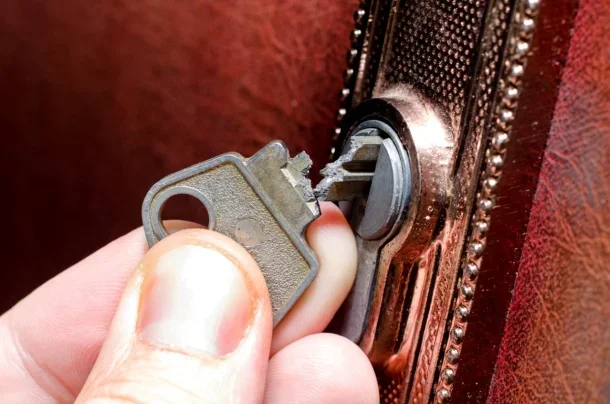
Some situations call for a professional. If the key breaks inside the ignition, do not try to pull it out with tweezers. You could push the broken piece deeper into the cylinder. A locksmith has special tools for safe key extraction.
Similarly, if you suspect the ignition switch is failing, get it diagnosed by a mechanic. Signs of a bad ignition switch include the key getting stuck frequently, the engine stalling, or electrical accessories not working. Professional ignition repair ensures the problem is fixed correctly.
Prevention Tips To Keep Your Key From Getting Stuck
Prevention is always better than repair. Here are simple habits that keep your ignition lock mechanism working smoothly.
- Use your key regularly. Keys that sit unused for months can develop corrosion. Turn the key a few times each week to keep the cylinder lubricated.
- Keep the key clean. Wipe your key with a soft cloth before inserting it. Dirt and grime accelerate wear on both the key and the cylinder.
- Apply graphite powder quarterly. A light application inside the keyhole prevents buildup and keeps things sliding.
- Replace worn keys promptly. Do not wait until the key breaks. A new key is cheap insurance against a jammed ignition.
- Avoid hanging heavy keys. Heavy keychains put pressure on the key blade and the ignition switch. Use a lightweight key ring.
- Replace the fob battery on schedule. For push-start vehicles, swap the battery every two years or when you notice weak signal.
Quick Tips for Common Scenarios
Different situations call for different approaches. Here are quick tips for the most common stuck key scenarios.
- Key stuck in Park: Shift to Neutral, then back to Park. Try turning the key again.
- Key stuck in cold weather: The lock cylinder may freeze. Warm the key with your hands or breathe warm air around the lock before turning.
- Key feels gritty but turns: Lubricate with graphite powder immediately. The gritty feeling means debris is inside the cylinder.
- Key breaks off inside the lock: Stop trying to remove it. Call a locksmith for professional key extraction.
- Push-button start does not recognize fob: Place the fob directly against the start button. Most systems have a backup reader built into the button.
Common Mistakes People Make With a Stuck Key
When frustration sets in, people make mistakes that make things worse. Here is what to avoid.
- Using excessive force. Yanking or twisting hard can break the key inside the lock. A broken key is a much bigger problem than a stuck one.
- Using oil-based lubricants. WD-40 and similar products attract dust and grime. They provide temporary relief but cause long-term buildup.
- Ignoring the problem. A stuck key that happens once may happen again. Address the root cause early before it becomes a costly repair.
- Using pliers or tools. Never use tools to pull a stuck key. You risk damaging the ignition lock cylinder and the steering column.
- Forcing the steering wheel. While gentle wiggling helps, forcing the wheel can damage the lock mechanism and the steering column.
Expert Insights From Automotive Professionals
We asked a few automotive professionals for their take on stuck keys. Here is what they had to say.
James, master locksmith with 15 years of experience: “The steering wheel lock causes about 70% of stuck key calls. Nine times out of ten, a gentle wiggle solves it. The other cases are usually worn keys or low fob batteries.”
Maria, ASE-certified mechanic: “I see a lot of people use WD-40 in their ignition. It works in the short term but attracts dirt. I always recommend graphite powder instead. It is cheap, clean, and lasts much longer.”
Tom, dealership service manager: “For push-start vehicles, the fob battery is the silent culprit. Most drivers do not realize their fob battery is dying until the key gets stuck. A battery replacement costs under five dollars and takes two minutes.”
How Much Does It Cost To Fix a Stuck Key?
The cost depends entirely on the cause. Here is a quick comparison of common fixes and their price ranges.
- Steering wheel lock release: Free. Just wiggle the wheel.
- Gear position adjustment: Free. Just shift into Park or Neutral.
- Graphite lubrication: Around five to ten dollars for a can of powder.
- Key replacement: Ten to twenty-five dollars at a locksmith. More at a dealer for smart keys.
- Fob battery replacement: Two to five dollars for the battery.
- Ignition switch repair: One hundred to three hundred dollars at a shop.
- Lock cylinder replacement: Two hundred to five hundred dollars depending on the vehicle.
- Key extraction (broken key): Fifty to one hundred fifty dollars at a locksmith.
As you can see, most fixes are very affordable. The expensive repairs only come up when you ignore the problem or make it worse with force. Addressing a stuck key early saves you money in the long run.
When To Call a Locksmith vs. When To Visit a Mechanic
Knowing who to call can save you time and money. Here is a simple guide.
Call a locksmith when:
- The key is broken inside the ignition.
- You need a new key cut or a spare made.
- The lock cylinder needs cleaning or replacement.
- The key fob needs programming or repair.
Visit a mechanic when:
- The ignition switch is suspected to be faulty.
- The steering column has mechanical damage.
- Electrical issues accompany the stuck key.
- The gear shift mechanism is not engaging properly.
Both professionals can help, but they specialize in different areas. A locksmith handles the physical lock and key. A mechanic handles the electrical and mechanical components of the ignition system. When in doubt, start with a locksmith for a quick diagnosis.
Key Takeaways
- Steering wheel lock is the most common reason a key gets stuck and is easy to fix.
- A worn or damaged key can jam inside the ignition lock cylinder.
- Transmission gear position matters — your car must be in Park or Neutral.
- Lock lubricant is a cheap and effective way to prevent key jams.
- Ignition switch failure may require professional ignition repair or replacement.
- Key fob battery issues can cause push-button start keys to get stuck.
- Knowing when to call a locksmith saves time and prevents damage.
Conclusion
A stuck key in ignition is annoying, but it is almost always fixable. The steering wheel lock, a worn key, or a wrong gear position causes the vast majority of cases. With the right approach, you can get back on the road in minutes.
Keep graphite powder in your glove box. Replace worn keys before they break. Pay attention to your fob battery. These small habits prevent most key jammed situations from ever happening.
When DIY fixes do not work, do not hesitate to call a professional. A locksmith or mechanic can diagnose deeper issues like a faulty ignition switch or a damaged lock cylinder. The key takeaway is simple: act early, stay calm, and do not force anything. Your ignition lock mechanism will thank you.
Now that you know why a key gets stuck and how to fix it, you are prepared for the next time it happens. Share this guide with a friend who always loses their keys. You never know when they will need it.
Frequently Asked Questions
Can a dead battery cause a key to get stuck?
Yes, but only indirectly. A dead car battery can prevent the ignition system from engaging properly, especially in vehicles with electronic lock systems. However, the key itself usually still turns. If the key feels completely stuck, the battery is rarely the direct cause. Check the steering wheel lock and gear position first.
Is it safe to use WD-40 on a stuck key?
It is safe for a one-time emergency fix, but not for regular use. WD-40 is an oil-based lubricant that attracts dust and grime over time. This buildup can make the problem worse in the long run. Use graphite powder instead for ongoing maintenance of your ignition lock cylinder.
How do I know if my ignition switch is bad?
Signs of a failing ignition switch include the key getting stuck frequently, the engine stalling unexpectedly, dashboard lights flickering, or the car not starting even with a new key. If you notice these symptoms, have a mechanic inspect the ignition switch as soon as possible. Ignoring it can leave you stranded.
Can cold weather make a key stick?
Absolutely. Cold temperatures cause metal to contract and moisture inside the lock cylinder to freeze. This can make the key stiff or completely stuck. Warming the key with your hands or using a hairdryer on a low setting near the lock can help thaw the cylinder and free the key.
What should I do if my key breaks inside the ignition?
Stop trying to remove it immediately. Do not use tweezers, pins, or any tools. Pushing the broken piece deeper will make extraction much harder. Call a locksmith who has specialized tools for key extraction. They can usually remove the broken piece without damaging the lock cylinder.
How often should I replace my car key?
There is no set schedule, but most keys last five to ten years with normal use. Replace your key sooner if you notice visible wear, bending, or difficulty turning it in the ignition. Having a spare key cut early saves you from a stressful situation if your primary key fails. A locksmith can duplicate most keys quickly and affordably.