Should Your Truck Be in 2WD or 4WD for the Best Performance
Should Your Truck Be in 2WD or 4WD? The answer depends on your driving habits, terrain, and needs. Two-wheel drive works great for highway cruising and daily commutes, while four-wheel drive shines in tough conditions like snow, mud, and rocky trails. Choosing the right drivetrain can boost performance, save fuel, and keep you safe on the road.
You bought a truck. That is a big decision. But now comes the next question that trips up a lot of people. Should your truck be in 2WD or 4WD for the best performance? It is not a simple yes or no answer. The right choice depends on where you drive, what you haul, and how you use your truck every day.
Here is the thing many folks miss. Your drivetrain affects fuel economy, handling, maintenance costs, and even safety. Pick the wrong setup, and you could waste money or struggle on the road. Pick the right one, and your truck will feel like it was made for you. Let us break this down in a way that actually makes sense.
Whether you cruise city streets or tackle backcountry trails, understanding your options is the first step. This guide walks you through everything you need to know. By the end, you will have a clear answer for your situation. No fluff. No jargon. Just practical advice you can use today.
Key Takeaways
- 2WD is ideal for highway driving: It offers better fuel economy and lower maintenance costs for everyday use.
- 4WD provides superior traction: It excels in off-road terrain, snow, and slippery conditions.
- Your driving environment matters most: Urban drivers benefit from 2WD, while rural or adventure drivers need 4WD.
- Fuel efficiency differs significantly: 2WD trucks typically get 2-5 mpg more than their 4WD counterparts.
- Maintenance costs vary: 4WD systems require more upkeep, including transfer case and front differential service.
- Towing needs influence your choice: Some towing scenarios benefit from 4WD, while others work fine with 2WD.
- You can switch between modes: Many modern trucks offer part-time or automatic 4WD for flexibility.
📑 Table of Contents
- Understanding 2WD and 4WD: The Basics
- When 2WD Is the Smart Choice
- When 4WD Makes All the Difference
- 2WD vs 4WD: A Side-by-Side Comparison
- How to Choose the Right Drivetrain for Your Needs
- Common Mistakes Truck Owners Make
- Expert Insights on Drivetrain Selection
- Key Takeaways
- Conclusion: Making the Right Choice for Your Truck
Understanding 2WD and 4WD: The Basics
Before you decide should your truck be in 2WD or 4WD, you need to understand what each system actually does. The terms sound simple, but there is more going on under your truck than you might think.
What Is 2WD?
Two-wheel drive means power goes to just two wheels. In most trucks, that is the rear wheels. The engine sends power through the transmission to the rear axle. That is it. Nothing fancy. Nothing complicated.
2WD trucks are lighter because they have fewer drivetrain parts. Less weight means better fuel economy. It also means fewer things to break. For daily driving and highway cruising, 2WD handles the job beautifully.
What Is 4WD?
Four-wheel drive sends power to all four wheels at the same time. A transfer case splits the engine power between the front and rear axles. This gives you more grip and control. When one set of wheels starts to slip, the other set can pick up the slack.
4WD systems come in different flavors. Part-time 4WD lets you switch between 2WD and 4WD. You use 2WD on pavement and switch to 4WD when the terrain gets tough. Full-time 4WD runs all four wheels all the time. Automatic 4WD shifts between modes on its own based on traction.
What About AWD?
You might hear people talk about all-wheel drive too. AWD is similar to 4WD but works differently. AWD systems are always on and use a center differential to send power to all wheels. They are great for light off-road use and wet pavement. But they are not the same as a true 4WD system for serious trails.
When 2WD Is the Smart Choice
A lot of truck owners do just fine with two-wheel drive. In fact, many fleet trucks and work vehicles run 2WD exclusively. Here is why that choice makes sense for so many people.
Daily Driving and Commuting
If your truck spends most of its time on paved roads, 2WD is hard to beat. Highway driving, city commutes, and grocery runs do not need four-wheel drive. The drivetrain is simpler, which means fewer parts that can wear out.
You will also notice better fuel economy. A 2WD truck often gets 2 to 5 more miles per gallon than the same model in 4WD. Over a year of driving, that adds up to real savings at the pump.
Lower Purchase Price
2WD trucks cost less upfront. The manufacturer skips the transfer case, front driveshaft, and front differential. Those parts add cost. If you do not need 4WD, why pay for it?
Lower purchase price is one thing. But maintenance costs are lower too. There are fewer components to service. No transfer case fluid changes. No front differential worries. Your mechanic has fewer things to check.
Better Payload and Towing on Pavement
Here is something many people do not realize. 2WD trucks often have a higher payload capacity. Fewer drivetrain parts mean less weight. That weight savings translates into more room for cargo or passengers.
For towing on paved roads, 2WD works just as well as 4WD in most cases. The key is having the right gear ratio and enough torque. You do not need all four wheels spinning to pull a trailer down the interstate.
When 4WD Makes All the Difference
Sometimes two wheels just are not enough. Certain situations demand the extra grip and control that 4WD provides. Let us look at when you really need it.
Off-Road Adventures
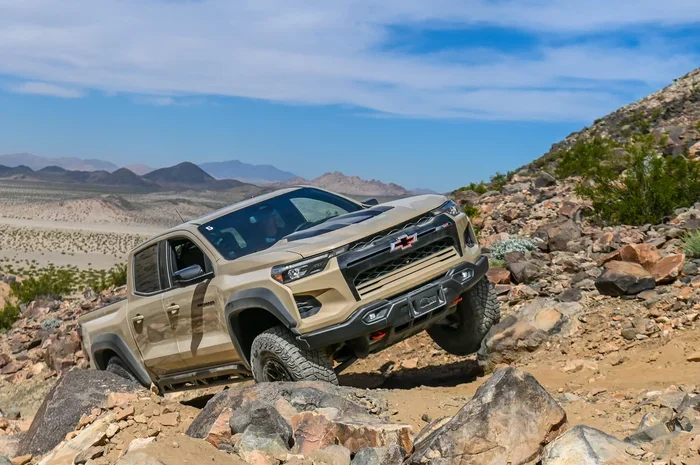
If you hit trails, dirt roads, or rocky terrain, 4WD is essential. Uneven ground, loose gravel, and steep inclines can leave a 2WD truck stuck fast. With 4WD, power reaches all four tires. That means better tire traction and a much lower chance of getting stuck.
Off-roading is not just about mud and rocks. Sand dunes, snowy forests, and river crossings all benefit from a 4WD system. The ability to switch to a low-range gear gives you precise control at slow speeds. That is invaluable when navigating tough terrain.
Winter and Snowy Conditions
Living in a place with harsh winters changes the equation. Snow and ice reduce grip dramatically. A 2WD truck can fishtail or spin out on slick roads. 4WD helps you accelerate, climb hills, and maintain control when the pavement turns nasty.
Many truck owners in cold climates swear by their 4WD systems. It is not just about getting unstuck. It is about feeling confident and safe every time you turn the key. That peace of mind is worth a lot.
Rural and Agricultural Use
If you live on a farm or ranch, 4WD is practically a must. Muddy fields, unpaved roads, and uneven terrain are part of daily life. A 2WD truck can struggle or get stuck in these conditions. 4WD keeps you moving when the going gets rough.
Farmers, ranchers, and rural property owners benefit greatly from the extra traction. It is not a luxury. It is a tool that makes the job easier and safer.
2WD vs 4WD: A Side-by-Side Comparison
Let us put the two options head to head. This table makes the differences easy to see at a glance.
- Fuel Economy: 2WD wins. It is lighter and has fewer parts creating drag.
- Off-Road Capability: 4WD wins. It provides superior traction on loose or uneven surfaces.
- Purchase Price: 2WD is cheaper. You pay less upfront and save on maintenance.
- Towing Capacity: Tie. Both can tow heavy loads on paved roads. 4WD helps more on rough terrain.
- Maintenance Cost: 2WD wins. Fewer parts means less to service and repair.
- Daily Driving Comfort: Tie. Both are comfortable on highways and city roads.
- Resale Value: 4WD often holds value better in areas where it is in demand.
- Weight: 2WD is lighter. That means better payload and slightly better handling.
The comparison shows that neither option is perfect for everything. Each has strengths and weaknesses. The best choice depends on how you actually use your truck.
How to Choose the Right Drivetrain for Your Needs
So how do you decide? Let us walk through a few scenarios that should help you find your answer.
Ask Yourself These Questions
Before you make a decision, think about your real-world usage. Be honest about what you actually do, not what you hope to do.
- Where do you drive most often? Paved roads and highways point toward 2WD. Dirt roads, trails, and snow point toward 4WD.
- Do you tow or haul frequently? On paved roads, 2WD handles most towing jobs. On rough terrain, 4WD gives you more control.
- What is your budget? 2WD costs less to buy and maintain. If money is tight, 2WD makes sense.
- How important is fuel economy? If you drive a lot of miles, 2WD will save you money at the pump.
- Do you need off-road capability? If you ever hit trails or unpaved roads, 4WD is the safer choice.
The Middle Ground: Part-Time and Automatic 4WD
Here is a great option many people overlook. Modern trucks offer part-time 4WD and automatic 4WD systems. These give you the best of both worlds. You get 2WD for highway driving and fuel savings. Then you switch to 4WD when you need it.
Automatic 4WD is especially smart. The truck monitors traction and shifts modes on its own. You do not have to think about it. It handles the decision for you. This is a great choice for people who are not sure which drivetrain they need.
Quick Tips for Drivetrain Selection
- If you drive 80% or more on paved roads, go with 2WD.
- If you live in an area with heavy snow, consider 4WD.
- If you tow on mixed terrain, part-time 4WD is a solid compromise.
- If you never leave the highway, 2WD is the clear winner.
- Test drive both versions if possible. Feel the difference for yourself.
Common Mistakes Truck Owners Make
Even experienced truck owners sometimes get this wrong. Here are the most common mistakes people make when choosing between 2WD and 4WD.
Buying 4WD for Reasons You Do Not Need
This is the number one mistake. People buy 4WD because they think they should. Or because it looks cool. But if you never leave the pavement, that extra capability is just dead weight. It costs more upfront, costs more to maintain, and hurts your fuel economy.
Be honest with yourself. If your truck lives on asphalt most of the time, 2WD is the smarter buy. Do not pay for something you will never use.
Thinking 4WD Means You Can Drive Faster
This is a dangerous misconception. 4WD gives you more traction, but it does not make your truck stop faster or handle better on pavement. In fact, engaging 4WD on dry pavement can cause damage to your drivetrain. Part-time 4WD should only be used on loose surfaces or slippery conditions.
Always read your owner manual. Understand when and how to engage your 4WD system. Misusing it can lead to costly repairs.
Ignoring Maintenance
4WD systems need regular attention. The transfer case needs fluid changes. The front differential needs service. Skipping this maintenance can lead to expensive breakdowns. If you choose 4WD, commit to keeping up with the service schedule.
2WD trucks need maintenance too, of course. But there are simply fewer systems to worry about. That is part of why they are easier and cheaper to own long term.
Underestimating Tire Traction
Your tires matter more than your drivetrain in many situations. Good all-season tires on a 2WD truck can outperform all-terrain tires on a 4WD truck on wet roads. Before you upgrade your drivetrain, make sure your tires are up to the task.
Tire choice affects braking, handling, and fuel economy too. It is one of the most overlooked factors in drivetrain decisions.
Expert Insights on Drivetrain Selection
We spoke with a few truck specialists and mechanics to get their take on the 2WD vs 4WD debate. Here is what they had to say.
“Most truck buyers overbuy on 4WD,” says one veteran mechanic. “They think they need it for every situation. In reality, 80% of truck owners never use 4WD outside of light rain or snow. A 2WD truck with good tires handles those conditions just fine.”
Another expert adds, “The real question is not 2WD or 4WD. It is what driveshaft connects to your wheels most effectively for your lifestyle. If you live in a city and tow a boat on weekends, 2WD with proper gearing is all you need. If you ranch or explore backcountry, 4WD is non-negotiable.”
The consensus from the pros is clear. Match your drivetrain to your actual usage. Do not buy based on what you think you might need someday. Buy based on what you do today.
Key Takeaways
- 2WD is ideal for highway driving: It offers better fuel economy and lower maintenance costs for everyday use.
- 4WD provides superior traction: It excels in off-road terrain, snow, and slippery conditions.
- Your driving environment matters most: Urban drivers benefit from 2WD, while rural or adventure drivers need 4WD.
- Fuel efficiency differs significantly: 2WD trucks typically get 2-5 mpg more than their 4WD counterparts.
- Maintenance costs vary: 4WD systems require more upkeep, including transfer case and front differential service.
- Towing needs influence your choice: Some towing scenarios benefit from 4WD, while others work fine with 2WD.
- You can switch between modes: Many modern trucks offer part-time or automatic 4WD for flexibility.
Conclusion: Making the Right Choice for Your Truck
So, should your truck be in 2WD or 4WD for the best performance? The honest answer is it depends on you. There is no one-size-fits-all solution. But now you have the information to make a smart decision.
If you drive mostly on paved roads, commute to work, and rarely see a dirt trail, 2WD is the way to go. You will save money, get better fuel economy, and deal with fewer maintenance headaches. Your truck will be simpler, lighter, and easier to live with day to day.
If you tackle off-road trails, drive in heavy snow, or work on unpaved property, 4WD is worth every penny. The extra traction and control can make the difference between getting stuck and getting moving. It is an investment in capability and confidence.
For those who fall somewhere in between, part-time or automatic 4WD systems offer a smart compromise. You get the best of both worlds without paying for features you rarely use.
Whatever you choose, make sure it fits your real life. Not your fantasy life. Not what your neighbor drives. What you actually do with your truck every single day. That is the only metric that matters.
Take the time to evaluate your needs. Talk to other truck owners in your area. And when in doubt, test drive both options. Your truck is a big investment. Make sure the drivetrain matches the driver you are.
The right choice today means years of better performance, lower costs, and more confidence behind the wheel. That is a win no matter which way you go.
Frequently Asked Questions
Is 2WD or 4WD better for towing?
For towing on paved roads, 2WD works great and saves fuel. For towing on rough or unpaved terrain, 4WD gives you better traction and control. Choose based on where you will be towing. Most highway towing jobs do not require 4WD.
Does 4WD use more fuel than 2WD?
Yes, 4WD trucks typically get 2 to 5 fewer miles per gallon. The extra weight and drivetrain drag reduce fuel efficiency. If fuel economy matters to you, 2WD is the better choice for daily driving.
Can I switch from 2WD to 4WD while driving?
It depends on your truck. Many modern part-time 4WD systems allow you to switch at low speeds on the road. Full-time 4WD systems are always engaged. Check your owner manual for specific instructions. Never switch 4WD modes at high speed on dry pavement.
Is AWD the same as 4WD?
No, they are different. AWD runs all wheels all the time and uses a center differential. 4WD typically has a transfer case with high and low range gears. AWD is better for light off-road and wet pavement. True 4WD is better for serious off-road and extreme conditions.
How much more does a 4WD truck cost?
A 4WD truck usually costs 10 to 15 percent more than the same model in 2WD. The price difference includes the transfer case, front driveshaft, front differential, and additional components. Over time, 4WD also costs more to maintain.
Do I need 4WD if I live in a snowy area?
Not always. Good winter tires on a 2WD truck can handle most snow driving. However, if you live in an area with deep snow, steep hills, or unpaved roads, 4WD provides a big advantage. It gives you more control and helps you get unstuck when conditions get tough.