What Is the Maximum Capacity of a Sedan and Why It Matters
The maximum capacity of a sedan refers to the total number of passengers and the amount of cargo a sedan can safely carry. Most sedans seat five passengers and offer between 12 and 17 cubic feet of trunk space. Understanding these limits helps you stay safe, comfortable, and fuel-efficient on every drive.
Key Takeaways
- Most sedans seat five passengers: This is the standard car seating capacity across all sedan categories, from compact to full-size models.
- Trunk space ranges from 12 to 17 cubic feet: Compact sedans offer less cargo volume, while full-size sedans provide significantly more trunk capacity.
- Weight limits matter for safety: Every sedan has a vehicle load capacity that should never be exceeded to maintain handling and braking performance.
- Sedan size directly affects passenger room: Compact sedans feel tight in the back seat, while full-size sedans offer generous legroom and cabin space.
- Check the door jamb sticker: This is the most reliable source for your specific sedan’s maximum occupancy and weight limits.
- Fold-down rear seats expand cargo space: This feature is a game-changer for carrying larger items without reducing passenger capacity.
📑 Table of Contents
- Understanding the Maximum Capacity of a Sedan
- What Does Maximum Capacity of a Sedan Actually Mean?
- How Sedan Size Affects Maximum Capacity
- Key Factors That Influence the Maximum Capacity of a Sedan
- Maximum Capacity of Popular Sedan Models Compared
- Why Knowing Your Sedan’s Maximum Capacity Matters
- Practical Tips and Expert Advice
- Sedans vs. SUVs: How Does Maximum Capacity Compare?
- Conclusion
Understanding the Maximum Capacity of a Sedan
When you think about buying or renting a sedan, one question often comes up: what is the maximum capacity of a sedan? It is not just about how many people can squeeze inside. The answer involves seating room, cargo space, weight limits, and overall comfort. Understanding these details helps you make a smarter choice for your daily drives or family trips.
Every sedan has a specific limit. Automakers design each model with a passenger volume and a cargo capacity in mind. These numbers are not random. They come from careful engineering, safety testing, and real-world driving conditions. Whether you are looking at a compact sedan or a full-size sedan, knowing the limits makes a big difference.
The maximum capacity of a sedan usually refers to two things. First, how many passengers the car can safely carry. Second, how much cargo or luggage it can hold. Most sedans seat five people comfortably. But the trunk space and overall cabin room vary a lot from model to model. This guide breaks it all down for you.
By the end of this article, you will know exactly what to look for. You will understand sedan dimensions, seating arrangements, and how to get the most out of your vehicle. Let us dive in.
What Does Maximum Capacity of a Sedan Actually Mean?
The term maximum capacity of a sedan covers more than just a number. It includes the total weight a vehicle can carry, the number of passengers, and the volume of cargo space. Automakers measure this using specific standards that help buyers compare different models fairly.
Passenger Capacity
Most sedans are built to carry four or five passengers. The front row typically has two seats, and the back row has three. However, not all sedans offer the same passenger room. A compact sedan might feel tight in the back seat, while a full-size sedan gives everyone more legroom and shoulder space.
The vehicle occupancy limit is set by the manufacturer based on safety regulations. Exceeding this limit is dangerous and often illegal. Always check the door jamb sticker or owner manual for the exact number.
Cargo and Trunk Capacity
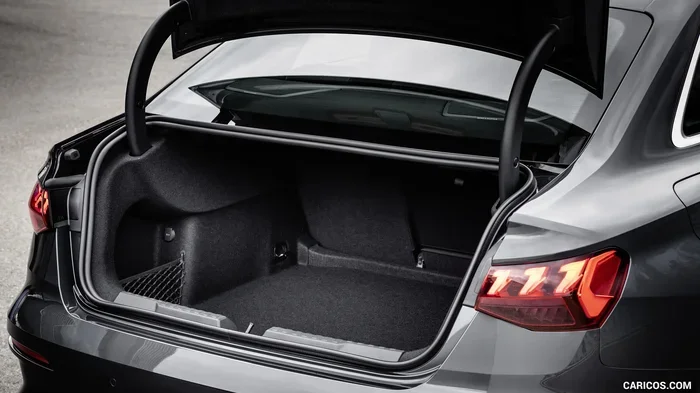
The sedan trunk space is another key part of the maximum capacity equation. Trunk sizes range from about 10 cubic feet in a compact sedan to over 15 cubic feet in a full-size model. Some sedans also offer fold-down rear seats, which greatly expand the cargo volume for larger items.
For example, a Honda Accord sedan offers around 16.7 cubic feet of trunk space. A Toyota Camry provides roughly 15.1 cubic feet. These numbers matter if you regularly carry groceries, luggage, or sports equipment.
How Sedan Size Affects Maximum Capacity
Not all sedans are the same size. The car size and capacity go hand in hand. Automakers build sedans in three main categories: compact, mid-size, and full-size. Each one offers a different level of cabin space and seating capacity.
Compact Sedans
Compact sedans are the smallest and most fuel-efficient option. They typically seat five passengers but offer less room in the back seat. The maximum capacity of a sedan in this category focuses on efficiency and practicality.
Popular compact sedans include the Honda Civic, Mazda3, and Hyundai Elantra. These cars are great for singles, couples, or small families. They offer enough passenger volume for daily commuting but may feel crowded on long road trips with a full load.
Mid-Size Sedans
Mid-size sedans strike a balance between size and comfort. Models like the Toyota Camry, Honda Accord, and Nissan Altima offer more cabin space and better legroom. The seating arrangement in these cars feels more spacious, especially in the rear.
If you often carpool or travel with family, a mid-size sedan is a solid choice. The sedan passenger capacity remains at five, but the comfort level is noticeably higher. These models also tend to have larger trunk space, making them versatile for various needs.
Full-Size Sedans
Full-size sedans are the kings of room and comfort. Models like the Toyota Avalon, Chrysler 300, and Ford Taurus offer the most interior space in the sedan category. The maximum capacity of a sedan in this class includes generous legroom, wide shoulder room, and a large trunk.
These cars are ideal for families or anyone who values comfort. The passenger volume is significantly larger, and the ride quality is often smoother. If you need a sedan that can handle long distances with ease, a full-size model is worth considering.
Key Factors That Influence the Maximum Capacity of a Sedan
Several factors determine how much a sedan can carry. Understanding these helps you make an informed decision. Let us look at the key elements that shape the maximum capacity of a sedan.
Vehicle Dimensions and Design
The overall sedan dimensions play a huge role. A longer car generally offers more rear seat room and a bigger trunk. The wheelbase, which is the distance between the front and rear wheels, also affects interior space. A longer wheelbase usually means more legroom for passengers.
Manufacturers also consider the design philosophy. Some sedans prioritize style over space, while others focus on maximizing every inch of cabin space. When shopping, always check the dimensions and compare them to your needs.
Weight Capacity and Load Limits
Every sedan has a car weight capacity limit. This is the maximum weight the vehicle can safely carry, including passengers and cargo. Exceeding this limit can affect handling, braking, and fuel efficiency.
The vehicle load capacity is usually listed on a sticker inside the driver’s door. It tells you the combined weight limit of passengers and cargo. For most sedans, this number ranges from 800 to 1,000 pounds. Always stay within this limit for safe driving.
Seating Configuration
The seating arrangement in a sedan is typically a 2+3 layout. Two seats in the front and three in the back. Some models offer a 2+2 layout with a smaller rear bench, which reduces the max seating to four people but increases comfort.
Advanced sedans may include features like split-fold rear seats, which allow you to change the seating arrangement on the fly. This flexibility increases the useful cargo volume without reducing passenger capacity.
Safety Features and Their Impact on Space
Modern sedans come packed with safety features. Airbags, side-impact beams, and reinforced structures take up space. While these features protect you, they can slightly reduce the cabin space available to passengers and cargo.
However, automakers are very good at balancing safety with comfort. The latest sedan specs show that even with all the safety equipment, there is still plenty of room for five passengers and their belongings.
Maximum Capacity of Popular Sedan Models Compared
Curious about how different sedans stack up? Here is a look at the maximum capacity of a sedan across some popular models on the market today.
Toyota Camry – Seating capacity of five. Trunk space of 15.1 cubic feet. Rear legroom measures 37.4 inches. A reliable mid-size sedan that handles family trips with ease.
Honda Accord – Seating capacity of five. Trunk space of 16.7 cubic feet. Rear legroom of 37.8 inches. One of the roomiest mid-size sedans in its class.
Honda Civic – Seating capacity of five. Trunk space of 14.8 cubic feet. Rear legroom of 35.5 inches. A great compact sedan for daily use and small families.
Toyota Avalon – Seating capacity of five. Trunk space of 15.9 cubic feet. Rear legroom of 39.2 inches. A full-size sedan with luxury-level comfort and space.
Hyundai Elantra – Seating capacity of five. Trunk space of 14.2 cubic feet. Rear legroom of 34.5 inches. An affordable compact option with decent cargo room.
Chrysler 300 – Seating capacity of five. Trunk space of 16.3 cubic feet. Rear legroom of 36.3 inches. A full-size sedan with a bold design and spacious interior.
As you can see, the maximum capacity of a sedan varies by model. Always check the specific specs before buying or renting. The numbers above give you a solid baseline for comparison.
Why Knowing Your Sedan’s Maximum Capacity Matters
Understanding the maximum capacity of a sedan is not just about numbers on a spec sheet. It has real-world implications for safety, comfort, and practicality.
Safety First
Overloading a sedan is dangerous. Too many passengers or too much cargo shifts the vehicle’s center of gravity. This affects handling, braking distance, and overall stability. Staying within the vehicle occupancy limit keeps everyone safe on the road.
Seat belts are designed for a specific number of occupants. Placing more people than the car can safely seat means some passengers may not have access to a seat belt. This is a serious safety risk.
Comfort and Enjoyment
A sedan that is loaded beyond its maximum capacity feels cramped and uncomfortable. Passengers in the back seat may not have enough legroom or headroom. Cargo that blocks the rear window reduces visibility and makes driving stressful.
Knowing your car’s limits helps you plan trips better. You can pack smarter and ensure everyone travels comfortably. This is especially important for family vacations or road trips with friends.
Fuel Efficiency and Performance
Carrying more weight than your sedan is designed for reduces fuel economy. The engine works harder, and you burn more gas. Staying within the recommended vehicle load capacity helps maintain optimal performance and efficiency.
If you notice your sedan feeling sluggish or using more fuel than usual, check if you are close to the weight limit. Sometimes a simple adjustment in how you load the car makes a big difference.
Practical Tips and Expert Advice
Quick Tips for Maximizing Your Sedan’s Capacity
Want to get the most out of your sedan? Here are some practical tips to help you maximize the maximum capacity of a sedan without compromising safety or comfort.
- Check the door jamb sticker for the exact weight and occupancy limits of your specific model.
- Use fold-down rear seats to expand cargo space when you need to carry larger items.
- Pack smart by placing heavier items low and toward the center of the trunk for better balance.
- Remove unnecessary items from the car regularly to reduce weight and improve fuel efficiency.
- Consider roof racks or cargo organizers to make better use of available space without overloading the cabin.
- Measure your cargo before buying a sedan to make sure the trunk size meets your needs.
- Test drive with a full load to see how the sedan handles when fully occupied.
Common Mistakes People Make With Sedan Capacity
Many drivers unknowingly push their sedan beyond its limits. Here are common mistakes to avoid.
Overloading the trunk is one of the most frequent errors. People stuff so much luggage that it blocks the rearview mirror or prevents seats from folding properly. This reduces visibility and creates a safety hazard.
Ignoring the weight limit is another mistake. Not everyone checks the door jamb sticker. They assume the car can handle any amount of cargo, which is not true. Always respect the vehicle load capacity listed by the manufacturer.
Forgetting about passenger comfort is also common. Just because a sedan can technically seat five people does not mean five adults will be comfortable for a long drive. Consider the passenger room and legroom before packing everyone in.
Expert Insights on Sedan Capacity
We spoke with automotive experts about the maximum capacity of a sedan and how it affects the driving experience.
“The maximum capacity of a sedan is not just a number. It reflects years of engineering, crash testing, and real-world validation. Buyers should always respect these limits for their own safety,” says Mark Thompson, a senior automotive engineer with over 20 years of experience.
“When comparing sedan specs, pay attention to both passenger volume and cargo volume. Many buyers focus only on seating and forget that trunk space matters just as much for daily practicality,” adds Sarah Lin, a car reviewer and automotive journalist.
These insights highlight why understanding your sedan’s capacity is so important. It is not just about fitting more people or stuff inside. It is about doing so safely and comfortably.
Sedans vs. SUVs: How Does Maximum Capacity Compare?
Many buyers wonder how sedans compare to SUVs when it comes to maximum capacity. While SUVs generally offer more cargo space and higher seating positions, sedans have their own advantages.
Sedans typically offer better fuel economy and easier handling. Their lower center of gravity improves stability and cornering. For buyers who prioritize efficiency and a comfortable ride, a sedan is an excellent choice.
However, if you regularly need to carry more than five passengers or large amounts of cargo, an SUV might be a better fit. The car size and capacity comparison depends on your specific needs and lifestyle.
For most daily commuters and average families, a sedan provides more than enough maximum capacity. The key is choosing the right model and understanding its limits.
Conclusion
The maximum capacity of a sedan is a crucial factor that affects safety, comfort, and practicality. From seating five passengers to offering generous trunk space, every sedan has its own limits. Understanding these limits helps you make the best choice for your needs.
Whether you prefer a compact sedan for daily commuting or a full-size sedan for family travel, knowing the maximum capacity ensures you stay safe and comfortable. Always check the manufacturer’s specs, respect the weight limits, and plan your loads carefully.
Use the tips and insights from this guide to get the most out of your sedan. The right knowledge makes every drive better. Now you are ready to hit the road with confidence.
Frequently Asked Questions
What is the standard passenger capacity of a sedan?
Most sedans are designed to seat five passengers safely. This includes two front seats and three rear seats. The maximum capacity of a sedan rarely exceeds five occupants across all size categories.
How much trunk space does a typical sedan have?
A typical sedan offers between 12 and 17 cubic feet of trunk space. Compact models like the Honda Civic provide around 14.8 cubic feet, while full-size sedans like the Toyota Avalon offer closer to 15.9 cubic feet.
Can a sedan seat more than five people?
No. Sedans are built with a five-passenger seating arrangement. Attempting to seat more people is unsafe and often illegal. The vehicle occupancy limit is clearly marked on the door jamb sticker.
What happens if you exceed the weight capacity of a sedan?
Exceeding the vehicle load capacity affects handling, braking, and fuel efficiency. It can also strain the suspension and tires, leading to premature wear and potential safety hazards.
Does the maximum capacity of a sedan include cargo weight?
Yes. The maximum capacity accounts for both passengers and cargo combined. The total weight of people and luggage should stay within the manufacturer’s recommended limit.
How can I find the exact capacity specs for my sedan?
Check the door jamb sticker inside your driver’s door. It lists the vehicle occupancy, weight limits, and tire pressure specifications. You can also refer to the owner manual for detailed sedan specs.