Why Are Cars Getting Bigger And Why You Should Care
Cars are getting bigger, and the trend shows no signs of slowing down. From SUVs to pickup trucks, the average vehicle has grown significantly over the past few decades. Here’s why cars are getting bigger and what it means for your safety, wallet, and the roads you drive on every day.
Have you noticed something strange at the dealership lately? The cars on the lot seem to be growing. What used to be a standard sedan now looks tiny compared to the SUVs and trucks crowding the showroom floor. This isn’t your imagination. Vehicles really are getting bigger, and the trend has been building for decades.
The average new car sold today is significantly larger than the models from even ten years ago. But why are cars getting bigger? The answer involves a mix of consumer preferences, safety marketing, regulatory gaps, and cultural shifts. And more importantly, why should you care? The size of your vehicle affects everything from fuel costs to road safety to the way cities are designed.
In this deep dive, we’ll explore the real reasons behind the growth in vehicle size, what it means for drivers and passengers, and how you can make smarter choices as a buyer. Whether you’re shopping for a new car or just curious about the trend, this guide covers it all.
Key Takeaways
- Consumer demand drives growth: Buyers want more space, comfort, and perceived safety, pushing automakers to build larger vehicles.
- Safety perceptions play a big role: Many drivers believe bigger cars offer better crash protection, which influences their buying decisions.
- Fuel economy suffers: Larger, heavier vehicles consume more fuel and produce more emissions than their smaller counterparts.
- Infrastructure takes a hit: Bigger cars create parking challenges, increase road congestion, and raise maintenance costs for city planning.
- Small cars are fighting back: Compact and subcompact vehicles are evolving with new tech to stay relevant in a market dominated by SUVs.
- Your buying choice matters: Understanding why cars are getting bigger helps you make a smarter, more informed purchase decision.
📑 Table of Contents
- The Rise of the Modern Vehicle: How Cars Got Bigger Over Time
- What’s Driving the Growth in Car Size?
- How Bigger Cars Affect Your Safety
- The Real-World Downsides of Larger Vehicles
- Are Smaller Cars Making a Comeback?
- What This Means for You as a Buyer
- Expert Insights on the Future of Vehicle Size
- Conclusion
The Rise of the Modern Vehicle: How Cars Got Bigger Over Time
To understand why cars are getting bigger, you need to look at the history. Vehicles have been growing since the 1970s, but the pace has accelerated dramatically in the last two decades. Here’s a quick look at how we got here.
The Shift from Compact to Comfortable
In the 1980s and 1990s, fuel crises made small cars popular. Automakers responded by building lightweight, efficient vehicles that fit tight budgets and tighter gas tanks. But as economies grew and fuel prices stabilized, buyers started wanting more. More space. More comfort. More features.
Automakers listened. They began adding extra inches to every model. Sedans grew longer. Wagons evolved into SUVs. Compact crossovers appeared and quickly became some of the best-selling vehicles on the road. What started as a small upgrade became the new normal.
The SUV Boom Changed Everything
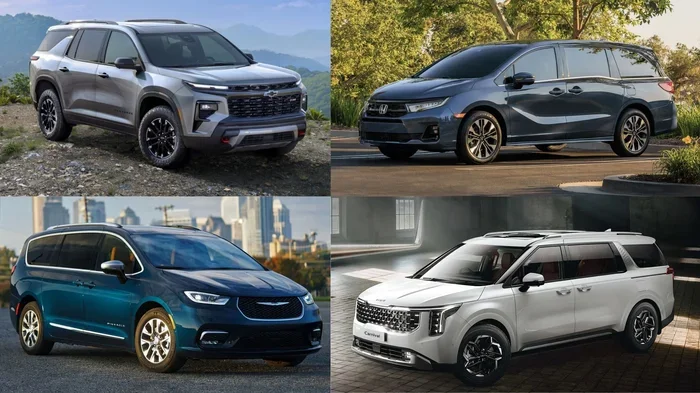
The real turning point came with the SUV boom of the 2000s. These tall, spacious vehicles captured the imagination of families and adventure seekers alike. Automakers invested heavily in SUV development, and sales skyrocketed. Sedans, once the backbone of the automotive market, began losing ground fast.
Today, SUVs and crossovers account for the majority of new car sales worldwide. This single shift has pushed the average vehicle footprint to record levels. The car you see on the highway today is likely much larger than the one your parents drove.
What’s Driving the Growth in Car Size?
Several forces are working together to make vehicles bigger. Let’s break down the main factors behind this trend.
Consumer Preferences and Lifestyle Changes
Modern families need more space than ever. Car seats, strollers, grocery hauls, sports equipment, and weekend gear all demand room. Automakers have responded by designing vehicles that feel like moving living rooms. The idea is simple: give buyers what they say they want, and they’ll keep coming back.
But there’s more to it than just practicality. Many drivers associate larger vehicles with status and success. A big SUV or truck sends a message, whether intentional or not. This emotional connection to vehicle size plays a huge role in purchasing decisions.
The Safety Argument: Bigger Means Safer?
One of the strongest reasons why cars are getting bigger is the safety narrative. Automakers and marketers have long promoted the idea that bigger vehicles protect their occupants better. In head-on collisions between a large SUV and a small car, the heavier vehicle usually fares better.
This perception drives buyers toward larger models, even when the actual safety data is more nuanced. Modern small cars have excellent crash test ratings too. But the fear of being in a smaller car during a crash keeps many shoppers focused on size.
Regulatory and Market Forces
Fuel economy standards in many countries classify vehicles by weight and size. Heavier vehicles face less strict efficiency requirements, which gives automakers a financial incentive to build bigger models. This regulatory loophole has allowed the industry to shift toward larger vehicles without facing the same penalties that smaller cars might.
At the same time, profit margins on SUVs and trucks are higher than on sedans. Automakers make more money on each big vehicle sold, which encourages them to focus production on larger models. The business case for bigger cars is strong.
How Bigger Cars Affect Your Safety
The safety topic deserves a closer look because it’s one of the main reasons people give for buying larger vehicles. But the relationship between vehicle size and safety is more complicated than it seems.
The Occupant Protection Advantage
When you’re inside a big, heavy vehicle, you do have some advantages in certain crashes. The mass and structure of a large SUV or truck can absorb more impact energy. In collisions with smaller vehicles, the occupants of the bigger car generally experience less force.
Modern safety features like automatic emergency braking, blind-spot monitoring, and reinforced frames make even larger vehicles safer than ever. These technologies work hand in hand with size to create a protective environment for passengers.
The Hidden Danger: Risk to Others on the Road
Here’s the part that doesn’t get talked about enough. When a bigger car is safer for its own occupants, it often means more danger for everyone else. Pedestrians, cyclists, and drivers of smaller vehicles face greater risk in collisions with large, heavy SUVs and trucks.
Studies have shown that SUVs and trucks cause more severe injuries in pedestrian accidents because of their height and front-end design. The bumper height of a large vehicle can strike a pedestrian at chest or head level, rather than at the legs like a lower sedan would. This is a serious public safety concern that grows as vehicle size increases.
Rollover Risks and Handling Challenges
Bigger vehicles have a higher center of gravity. This makes them more prone to rolling over in sharp turns or sudden maneuvers. While electronic stability control has reduced rollover incidents, the physics of a tall, heavy vehicle can’t be fully overcome.
Handling and braking distance also suffer as vehicles grow larger and heavier. A compact car can stop in a shorter distance than a full-size SUV, which matters a lot in emergency situations. Size isn’t always a safety advantage in every scenario.
The Real-World Downsides of Larger Vehicles
Beyond safety, the trend toward bigger cars creates real problems for drivers, cities, and the environment. Let’s look at the downsides that often go overlooked.
Fuel Economy and Environmental Impact
Bigger, heavier vehicles burn more fuel. It’s simple physics. A large SUV requires significantly more energy to move than a compact car. This means higher fuel costs for drivers and more greenhouse gas emissions for the planet.
Even with the rise of hybrid and electric vehicles, the average vehicle on the road is consuming more fuel than it did twenty years ago. The shift toward larger models has partially offset the efficiency gains made by modern engine technology.
Parking and Urban Challenges
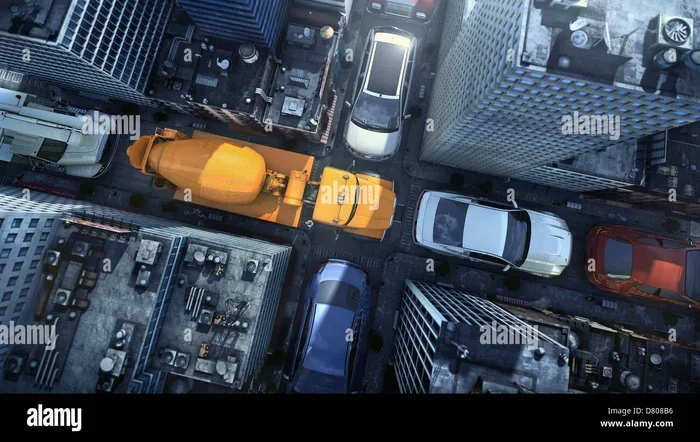
Try parallel parking a full-size SUV in a tight city spot and you’ll understand the frustration. Bigger cars take up more space on the road and in parking lots. This creates congestion, makes city planning harder, and reduces the number of parking spaces available in crowded areas.
Narrow streets designed for smaller vehicles from decades ago now struggle to accommodate the modern fleet. Delivery trucks, buses, and personal SUVs all compete for limited road space, leading to more traffic and slower commutes.
Road Wear and Infrastructure Costs
Heavier vehicles cause more damage to roads and highways. The cost of repairing this damage falls on taxpayers. As the average vehicle weight increases, infrastructure budgets feel the strain. This is a hidden cost that comes with the trend of bigger cars.
Bridges, intersections, and rural roads were often designed with lighter vehicles in mind. The growing weight of modern cars and trucks puts additional stress on these structures, requiring more frequent maintenance and upgrades.
The Cost to Your Wallet
Larger vehicles cost more to buy, more to fuel, and often more to insure. The price premium for an SUV over a comparable sedan can be thousands of dollars. Add in higher fuel costs over the life of the vehicle, and the total ownership cost grows significantly.
Maintenance costs also tend to be higher for bigger vehicles. Tires, brakes, and suspension parts are more expensive when they’re larger. Even basic services like oil changes can cost more when the engine is bigger.
Are Smaller Cars Making a Comeback?
Despite the dominance of SUVs and trucks, smaller cars aren’t disappearing. A new generation of compact and subcompact vehicles is emerging with clever design and modern technology.
Smart Engineering Shrinks the Gap
Automakers are using advanced materials like high-strength steel and aluminum to build smaller cars that are still safe and efficient. These vehicles pack modern safety features into tighter packages, closing the gap with larger models.
Electric vehicles are also changing the game. Many compact EVs offer impressive range and performance in a smaller footprint. The battery pack adds weight, but the overall vehicle size can still be manageable, especially in city driving scenarios.
The Rise of Crossover Compacts
Some of the best-selling vehicles today are compact crossovers. These models offer the upright seating and cargo space of an SUV but in a smaller, more efficient package. They appeal to buyers who want versatility without the bulk of a full-size SUV.
Models like the Honda HR-V, Mazda CX-30, and Hyundai Kona prove that you don’t need a massive vehicle to get the space and features modern drivers want. These compact crossovers are a smart middle ground between sedans and large SUVs.
European and Asian Markets Offer Alternatives
In many European and Asian countries, smaller cars remain popular. Tight city streets and high fuel prices keep demand strong for compact vehicles. Automakers sell models in these markets that never make it to North America, giving consumers in other regions more choices.
If you’re open to importing or buying used, these smaller vehicles can offer excellent value. They’re often more efficient, easier to park, and cheaper to maintain than their larger American counterparts.
What This Means for You as a Buyer
The trend of cars getting bigger doesn’t have to dictate your next purchase. Understanding the landscape helps you make a choice that fits your needs, budget, and values.
Ask Yourself What You Actually Need
Before you buy, think honestly about your daily driving. Do you really need a three-row SUV, or would a compact crossover handle your family just fine? Most drivers overestimate how much space they actually use on a regular basis.
Consider your commute distance, parking situation, and how many passengers you typically carry. These practical factors should guide your decision more than marketing or peer pressure.
Test Drive Both Sizes
When shopping, test drive vehicles of different sizes. You might be surprised at how comfortable a smaller car feels compared to a large SUV. Pay attention to visibility, ease of parking, and how the vehicle handles in your daily driving conditions.
Don’t let the size of a vehicle intimidate you. Modern small cars are built with confidence and capability that wasn’t available in older generations.
Consider Total Cost of Ownership
A larger vehicle might have a higher sticker price, but the real cost shows up over time. Factor in fuel expenses, insurance premiums, maintenance, and potential parking fees. A smaller, efficient car can save you thousands of dollars over the life of ownership.
Use online calculators to compare the true cost of different vehicle sizes. This practical approach helps you see the financial impact of your choice beyond the initial purchase price.
Expert Insights on the Future of Vehicle Size
Industry experts predict that the trend toward larger vehicles will continue for now, but there are signs of change. Electric vehicle technology, urbanization, and shifting consumer values could all push the market back toward smaller, more efficient models.
Automakers are also experimenting with modular designs that allow vehicles to adapt to different needs. Imagine a compact car that can expand its cargo area when you need it, or a small SUV that offers third-row seating only when required. These innovations could reduce the pressure to build one-size-fits-all large vehicles.
Regulators in some regions are starting to consider vehicle size and weight in safety and emissions standards. If these policies gain traction, they could slow the growth in vehicle size and encourage more balanced product offerings from automakers.
Conclusion
Why are cars getting bigger? The answer lies in a perfect storm of consumer demand, marketing narratives, regulatory structures, and profit incentives. Buyers want space and safety, automakers want profit, and the market has responded with ever-larger vehicles. But this trend comes with real costs to fuel economy, road safety for others, urban infrastructure, and your wallet.
The good news is that you have choices. Understanding why cars are getting bigger empowers you to make decisions that align with your actual needs. Whether you choose a compact crossover, a midsize sedan, or a full-size SUV, the key is to buy with intention rather than assumption.
The next time you’re at the dealership or browsing online listings, remember that bigger isn’t always better. The right car is the one that fits your life, your budget, and your values. And that’s a choice worth making carefully.
FAQs
Why are SUVs so much bigger than they used to be?
SUVs have grown because buyers want more space and features, and automakers have responded by adding inches to every model. The SUV segment has also become more profitable, which encourages manufacturers to invest in larger versions with more options and amenities.
Do bigger cars really protect you better in a crash?
Bigger vehicles do have an advantage in collisions with smaller vehicles because of their greater mass. However, modern small cars also earn excellent crash test ratings. The safety benefit of size depends heavily on the specific crash scenario and the vehicles involved.
How does car size affect fuel economy?
Larger, heavier vehicles need more energy to move, which means they burn more fuel. A compact car can get significantly better gas mileage than a full-size SUV, sometimes saving the driver hundreds of dollars per year in fuel costs.
Are smaller cars safer for pedestrians?
Generally, yes. Smaller, lower vehicles are less likely to cause severe injuries to pedestrians because they strike at leg level rather than chest or head level. Vehicle design, including front-end shape and bumper height, also plays a major role in pedestrian safety.
Will the trend of bigger cars ever reverse?
It’s possible. Electric vehicles, urbanization, and changing consumer values could push the market toward smaller models. Some regions are also considering regulations that factor vehicle size into safety and emissions standards, which could slow the growth trend.
What’s the best vehicle size for a family of four?
A compact crossover or midsize SUV usually offers the right balance of space, efficiency, and affordability for a family of four. You don’t need a three-row vehicle unless you regularly carry five or more passengers. Test driving different sizes will help you find the best fit for your lifestyle.