Why Does My Car Overheat When I Stop And How To Fix It
When your car overheats at a stop, it usually points to a cooling system problem that needs attention fast. Common causes include a failing radiator fan, low coolant, a stuck thermostat, or a worn water pump. Understanding why this happens helps you take action before serious engine damage occurs. This guide walks you through the top causes, proven fixes, and prevention tips to keep your car running smoothly.
This is a comprehensive guide about Why Does My Car Overheat When I Stop?.
Key Takeaways
- Low coolant is the #1 culprit: Even a small leak can cause your engine to overheat when idling.
- The radiator fan is essential at stops: Without it, your engine can’t cool down when you’re not moving.
- A stuck thermostat blocks coolant flow: This is a very common reason cars overheat at idle.
- DIY fixes exist for several causes: You can top off coolant, check fans, and replace simple parts yourself.
- Ignoring overheating leads to costly repairs: Engine damage from overheating can cost thousands of dollars.
- Prevention is simple and cheap: Regular coolant checks and fan tests save you from breakdowns.
- Know when to call a pro: Some overheating issues need a mechanic’s expertise right away.
[FEATURED_IMAGE_PLACEHOLDER]
What Happens When Your Car Overheats at a Stop
You’re sitting at a red light. The air conditioning is on. Traffic is bumper to bumper. Then you notice it — the temperature gauge on your dashboard starts climbing. Your car is overheating, and you’re barely moving.
This is one of the most frustrating and scary things a driver can experience. Your engine works hardest when you’re stopped, yet it has no airflow to cool it down. The overheating engine warning light might even pop up on your dash. That’s your signal to pull over safely and figure out what’s going on.
When a car overheats at idle or in slow traffic, the cooling system isn’t doing its job properly. There’s always a reason behind it. And the good news? Most of those reasons are fixable. Whether it’s a simple top-off of coolant or a more serious repair like a failing water pump, understanding the cause is the first step.
This article will walk you through every common cause, every fix, and every prevention tip you need. By the end, you’ll know exactly what to do when your car starts overheating at a stop. Let’s dive in.
Common Causes of Overheating When Stopped
Several things can make your car overheat when it slows down or stops completely. Each cause has its own set of symptoms and fixes. Here are the most common ones you’ll run into.
Low Coolant Level
Coolant is the lifeblood of your car’s cooling system. It flows through the engine, absorbs heat, and carries it to the radiator where it cools down. If your coolant level drops too low, there’s simply not enough fluid to do this job.
Even a tiny leak in a radiator hose or a loose hose clamp can slowly drain your coolant over time. You might not notice it until the engine starts overheating at stoplights. Check your coolant reservoir regularly. If the level is low, top it off and look for leaks underneath your car.
A coolant leak can happen from the radiator itself, the water pump gasket, or even the heater core. Dark puddles under your parked car are a red flag. Don’t ignore them.
Faulty Radiator Fan
When you’re driving on the highway, air flows through the radiator and cools the coolant naturally. But when you stop, that airflow stops. That’s where the radiator fan comes in. It kicks on automatically to pull air through the radiator and keep the engine cool.
If your cooling fan isn’t working, your engine will heat up fast when you’re idling. You might notice the fan not turning on when the engine gets hot. Or you might hear it running but it just isn’t pulling enough air. A bad fan motor, a blown fuse, or a faulty relay can all cause this problem.
Here’s a quick test. Next time you’re stuck in traffic, watch for the fan to kick in. If it doesn’t come on within a few minutes of the gauge rising, your fan needs attention. This is one of the most common reasons cars overheat in traffic.
Stuck Thermostat
Your thermostat controls the flow of coolant through the engine. When the engine is cold, it stays closed to let the engine warm up quickly. When the engine gets hot, it opens to let coolant flow through and cool things down.
Sometimes the thermostat gets stuck in the closed position. When that happens, coolant can’t circulate, and the engine heats up rapidly. This is a very common reason for overheating at idle. The car might run fine on the highway but struggles when you stop.
Replacing a thermostat is usually inexpensive and straightforward. A mechanic can do it in under an hour, and the part itself often costs less than $30. If you’re handy, you can even replace it yourself with a basic overheating car repair kit.
Failing Water Pump
The water pump is responsible for circulating coolant throughout the engine block and radiator. If it fails, coolant stops moving, and heat builds up fast.
Water pumps wear out over time. The seals degrade, the impeller corrodes, and eventually, the pump can’t do its job. Signs of a failing water pump include a whining noise from the front of the engine, coolant leaks near the pump, and steam coming from under the hood.
A water pump replacement is more involved than a thermostat swap, but it’s still a common repair. Don’t put this off — a seized water pump can cause your engine to overheat within minutes.
Clogged Radiator
Over time, rust, scale, and debris can build up inside the radiator. This reduces the flow of coolant and limits the radiator’s ability to release heat. A clogged radiator is especially problematic at low speeds or when stopped because there’s no forced airflow to compensate.
If you’ve had your car for a long time and never flushed the cooling system, a clog could be the reason your car overheats when you stop. A radiator flush service can often fix this. In severe cases, the radiator may need to be replaced entirely.
Broken or Slipping Serpentine Belt
The serpentine belt drives several components, including the water pump and the radiator fan. If this belt is worn, cracked, or has slipped off, those components won’t work properly.
A visual inspection of the belt is easy to do. Look for cracks, fraying, or glazing on the surface. If the belt feels loose when you press on it, it might need tightening or replacing. A broken serpentine belt will cause your engine to overheat very quickly, often within a few minutes of driving.
Head Gasket Failure
This is the most serious cause of engine overheating when stopped. The head gasket sits between the engine block and the cylinder head. It keeps coolant and oil separate and maintains compression in the combustion chambers.
When a head gasket fails, coolant can leak into the cylinders or oil passages. This leads to overheating, white smoke from the exhaust, a milky residue under the oil cap, and bubbles in the coolant reservoir. A head gasket repair is expensive, often costing $1,000 or more. That’s why catching overheating early is so important.
How the Cooling System Works and Why It Fails at Idle
Understanding how your car’s cooling system works makes it much easier to diagnose problems. Here’s a simple breakdown of the key components and why they matter when you’re stopped.
When your engine runs, it generates a lot of heat. The combustion process inside the cylinders produces temperatures that can exceed 200 degrees Fahrenheit. Without a working cooling system, the engine would seize up in minutes.
The coolant absorbs this heat and carries it to the radiator. The radiator uses airflow to cool the liquid down, and the cooled coolant cycles back through the engine. This loop keeps the engine at a safe operating temperature.
When you’re driving, the forward motion of the car pulls air through the radiator. This is called ram air cooling. But when you stop, the engine relies on the radiator fan to pull air through instead. If the fan doesn’t work, or if the coolant level is too low, the system can’t keep up.
The thermostat acts as a valve that controls when coolant flows. The water pump pushes the coolant through the system. The radiator provides the cooling surface. The hoses connect everything together. If any one of these components fails, your engine can overheat — especially at idle.
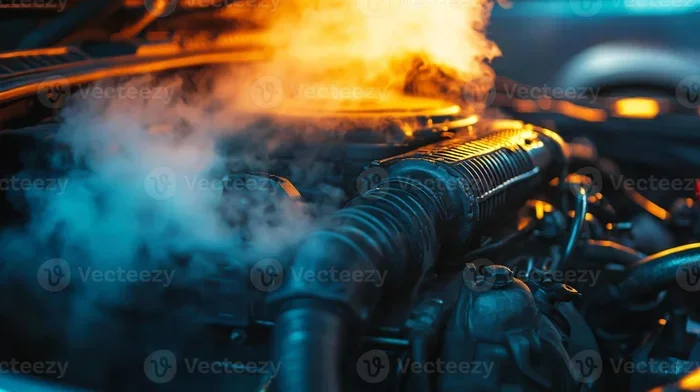
Overheating symptoms to watch for include a rising temperature gauge, steam or smoke from the hood, a sweet smell from the engine bay, and reduced engine power. If you notice any of these, pull over safely and turn off the engine. Let it cool for at least 15 minutes before opening the hood.
Step-by-Step Fixes for an Overheating Car
Once you’ve identified the cause, fixing the problem becomes much easier. Here’s a step-by-step guide to addressing the most common overheating issues.
Step 1: Check the Coolant Level
Never open the radiator cap when the engine is hot. Wait for it to cool completely. Then, check the coolant reservoir. If the level is low, top it off with the correct type of coolant for your vehicle. This alone can solve the problem if a small leak was the cause.
Keep an eye on the level over the next few days. If it drops again, you have a leak that needs to be found and repaired. Use a UV dye or pressure test kit to locate small leaks in hoses, the radiator, or the water pump.
Step 2: Test the Radiator Fan
Start the engine and let it idle until the temperature gauge starts to rise. The radiator fan should kick in automatically. If it doesn’t, check the fuse box first. A blown fuse is an easy and cheap fix.
If the fuse is fine, the fan motor or relay might be bad. You can test the relay with a multimeter or simply swap it with a similar relay from another circuit. If the fan motor itself is dead, it will need to be replaced. Replacement costs typically range from $150 to $400, depending on your vehicle.
Step 3: Inspect the Thermostat
A stuck thermostat is one of the simplest overheating car repair jobs. To test it, start the engine cold and watch the temperature gauge. The thermostat should open once the engine reaches operating temperature, and you should feel the upper radiator hose get warm.
If the hose stays cold even when the gauge is in the red zone, the thermostat is likely stuck closed. Replace it. The part is cheap, and the labor is minimal. This fix can cost anywhere from $50 to $150 at a shop.
Step 4: Flush the Radiator
If your coolant looks rusty, gritty, or has been in the system for more than 30,000 miles, a radiator flush is a good idea. Old coolant loses its effectiveness and can leave deposits that clog the system.
You can buy a radiator flush kit at any auto parts store. Follow the instructions carefully, and make sure to refill with fresh coolant afterward. This is a great overheating prevention habit to build into your regular maintenance routine.
Step 5: Check the Water Pump and Serpentine Belt
Inspect the water pump for leaks. Look for coolant dripping or weeping from the pump’s weep hole. If you see any, the pump needs to be replaced.
Check the serpentine belt for cracks, glazing, or improper tension. A belt that’s worn or loose won’t drive the water pump and fan effectively. Replacing a serpentine belt is a quick job and usually costs under $50 for the part.
Step 6: Seek Professional Help for Serious Issues
If you’ve gone through all these steps and your car still overheats, it’s time to see a mechanic. Internal engine problems like a blown head gasket, a cracked head, or a warped engine block require professional diagnosis and repair. Don’t try to drive the car while it’s overheating. Towing is always the safer choice.
Preventing Overheating Before It Becomes a Big Problem
The best way to deal with an overheating car is to prevent it from happening in the first place. Regular maintenance and a few simple habits can save you from a lot of trouble and expense.
- Check your coolant level monthly. A five-minute check can catch a small leak before it becomes a big problem. Look at the reservoir when the engine is cold and top it off if needed.
- Flush and replace coolant on schedule. Most manufacturers recommend a coolant change every 30,000 to 60,000 miles. Check your owner’s manual for the specific interval.
- Test the radiator fan regularly. Next time you’re stuck in traffic, pay attention to whether the fan kicks on. If it doesn’t, get it checked before summer heat hits.
- Watch the temperature gauge while driving. Don’t ignore a needle that slowly creeps upward. Early detection of rising temperatures can prevent major engine damage.
- Keep the radiator clean. Bugs, dirt, and debris can block airflow through the radiator. A gentle hose-down during car washes helps maintain proper cooling.
- Address small leaks immediately. A tiny drip today can become a major problem tomorrow. Fix small issues before they snowball into expensive repairs.
- Use the right coolant. Different vehicles require different types of coolant. Mixing types or using the wrong one can cause corrosion and reduce cooling efficiency.
Overheating prevention is one of the easiest ways to extend your engine’s life. A well-maintained cooling system can keep your car running smoothly for hundreds of thousands of miles.
Quick Tips for When Overheating Strikes
Even with the best maintenance, overheating can still happen. Here’s what to do if it strikes while you’re driving.
- Turn off the AC immediately. The air conditioning puts extra load on the engine. Switching it off reduces heat generation.
- Turn the heater to full blast. This sounds counterintuitive, but the heater core acts as a secondary radiator and pulls heat away from the engine.
- Pull over safely and turn off the engine. Continuing to drive an overheating engine can cause catastrophic damage.
- Don’t open the radiator cap right away. Pressurized hot coolant can spray out and cause serious burns. Wait at least 15 minutes.
- Call for help if needed. If the temperature gauge doesn’t drop after 10-15 minutes, don’t keep trying to drive. Call a tow truck.
These quick tips can save your engine from severe damage in an emergency. Keep them in mind, and share them with fellow drivers who might not know what to do.
Common Mistakes Drivers Make With Overheating
Many drivers make mistakes when dealing with an overheating car. Avoiding these errors can save you time, money, and a lot of stress.
Mistake 1: Ignoring the temperature gauge. Some drivers see the needle climbing and just keep going. This is the worst thing you can do. Even a few more minutes of driving on an overheating engine can cause the head gasket to blow or the engine block to crack.
Mistake 2: Adding water instead of coolant. In an emergency, water will work temporarily. But water doesn’t have the same boiling point or anti-corrosion properties as coolant. Replace it with proper coolant as soon as possible.
Mistake 3: Topping off coolant without finding the leak. If you keep losing coolant, there’s a leak somewhere. Simply refilling it without fixing the source means the problem will keep coming back.
Mistake 4: Driving the car to the mechanic when it’s overheating. This is tempting, but it can turn a small repair into a massive one. If the temperature gauge is in the red, call a tow truck. It’s cheaper than a new engine.
Mistake 5: Neglecting regular cooling system maintenance. Many drivers only think about their cooling system when something goes wrong. Regular checks and flushes keep everything running smoothly and prevent unexpected breakdowns.
When to See a Mechanic Instead of DIY
Some overheating problems are perfect for DIY fixes, while others require professional help. Here’s a simple guide to help you decide.
You can handle DIY repairs for low coolant, a blown fan fuse, a stuck thermostat, or a loose hose clamp. These are straightforward fixes that most car owners can do with basic tools and a little patience.
You should see a mechanic for water pump replacement, radiator flushing or replacement, head gasket repair, or any overheating issue that persists after basic troubleshooting. These repairs involve more complex procedures and specialized tools.
Also see a mechanic if you notice white smoke from the exhaust, oil that looks milky, or coolant mixing with engine oil. These are signs of internal engine damage that need immediate professional attention.
The cost of ignoring overheating problems always exceeds the cost of fixing them early. A simple thermostat replacement might cost $100. A new engine from overheating damage can cost $4,000 or more. The choice is clear.
FAQ: Frequently Asked Questions About Car Overheating
Can I keep driving my car if it’s overheating?
No. Driving an overheating car can cause severe engine damage, including a blown head gasket, cracked engine block, or warped cylinder head. Pull over safely, turn off the engine, and let it cool down. If the problem persists, call a tow truck and have the car transported to a repair shop.
How much does it cost to fix a car that overheats when stopped?
The cost depends on the cause. A thermostat replacement might cost $50 to $150. A radiator fan motor can run $150 to $400. A water pump replacement typically costs $300 to $750. A head gasket repair can range from $1,000 to $2,000 or more. Always get a diagnosis from a trusted mechanic before committing to a repair.
Why does my car overheat in traffic but not on the highway?
On the highway, the forward motion of the car forces air through the radiator, which helps cool the coolant. In stop-and-go traffic, the car isn’t moving fast enough for this airflow, so the radiator fan must do the work. If the fan isn’t functioning properly, your car will overheat in traffic but run fine on the open road.
Is it safe to add coolant while the engine is hot?
No. The cooling system is pressurized when hot, and opening the radiator cap can cause hot coolant to spray out, leading to serious burns. Wait at least 15 to 30 minutes for the engine to cool down before adding coolant. If you need to add fluid in an emergency, use a cloth to slowly twist the cap loose and release pressure gradually.
Can low oil cause a car to overheat?
Yes. Engine oil helps lubricate moving parts and reduces friction-generated heat. If your oil level is too low, the engine can overheat even if the cooling system is working properly. Always check your oil level regularly and change it according to your manufacturer’s recommended schedule.
How often should I flush my radiator?
Most manufacturers recommend flushing and replacing coolant every 30,000 to 60,000 miles, or every 2 to 5 years. Check your owner’s manual for the specific recommendation. If you live in a hot climate or do a lot of stop-and-go driving, you might want to flush the system more frequently to maintain optimal cooling performance.
Conclusion
Dealing with a car that overheats when you stop is stressful, but it doesn’t have to be overwhelming. The most common causes — low coolant, a failing radiator fan, a stuck thermostat, or a worn water pump — are all fixable once you know what to look for. The key is to act quickly and not ignore the warning signs.
Regular maintenance is your best defense against car overheating. Check your coolant levels, test your radiator fan, and stay on top of cooling system flushes. These simple habits can save you from expensive repairs and unexpected breakdowns.
If you ever find yourself stranded with an overheating engine, remember the quick tips: turn off the AC, blast the heater, pull over safely, and give the engine time to cool. And never hesitate to call a professional when the problem is beyond a simple fix.
Your car’s cooling system works hard every time you turn the key. Take care of it, and it will take care of you. Now you know why your car overheats when you stop and exactly what to do about it. Stay cool out there.
Frequently Asked Questions
What is Why Does My Car Overheat When I Stop??
Why Does My Car Overheat When I Stop? is an important topic with many practical applications.