How Long Do Nissan Xterras Last and Why They Hold Up Well
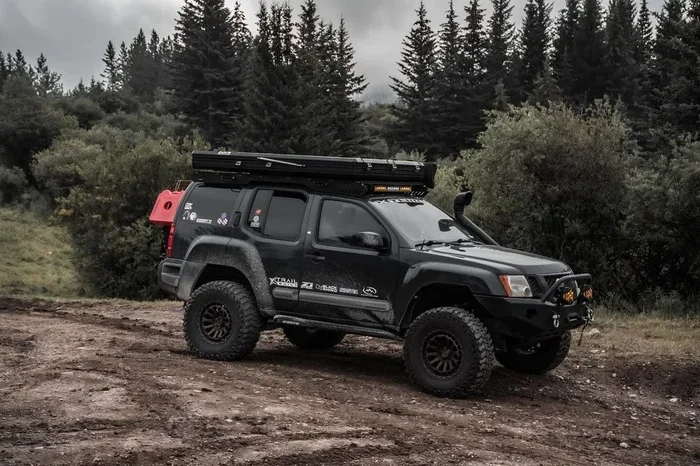
The Nissan Xterra is a tough, reliable SUV that can easily last 200,000 to 300,000 miles with proper care. Known for its rugged construction and proven engine, the Xterra holds up remarkably well against time and terrain. Owners who stay on top of basic maintenance and address small issues early will enjoy a long-lasting and dependable vehicle.
The Nissan Xterra has earned a loyal following among SUV lovers. It’s a vehicle that screams adventure, built with a rugged mindset that appeals to off-road enthusiasts and daily drivers alike. But one question keeps coming up in forums and garage conversations: how long do Nissan Xterras last? The answer might surprise you. With the right care, this truck-based SUV can easily surpass the 200,000-mile mark. Many owners report pushing past 300,000 miles without major issues. That kind of durability puts the Xterra in elite company among SUVs.
So why does the Xterra hold up so well? It comes down to a combination of simple engineering, strong components, and a design philosophy that prioritizes function over flash. In this article, we’ll break down everything you need to know about the Nissan Xterra lifespan. We’ll cover what makes it reliable, common problems to watch for, and how you can maximize your vehicle’s longevity. Whether you own one already or are considering buying one, this guide has you covered.
Key Takeaways
- Long Lifespan: A well-maintained Nissan Xterra can last 200,000 to 300,000 miles or more.
- Rugged Build Quality: The Xterra’s body-on-frame design and durable components are built for tough conditions.
- Proven Engine Reliability: The 3.3L and 4.0L engines are known for longevity when properly maintained.
- Affordable Maintenance: Parts are widely available and repairs are generally affordable compared to competitors.
- Strong Resale Value: Xterras hold their value well due to their reputation for durability.
- Common Issues Are Manageable: Most problems are minor and easy to fix if caught early.
- Great Used Buy: The Xterra is one of the best used SUVs for buyers seeking reliability and off-road capability.
📑 Table of Contents
- Understanding the Nissan Xterra’s Build and Design
- How Long Do Nissan Xterras Last in Real-World Conditions?
- Why the Nissan Xterra Holds Up So Well
- Common Issues That Can Shorten an Xterra’s Life
- Maintenance Tips to Maximize Your Xterra’s Lifespan
- Is the Nissan Xterra Worth Buying for Long-Term Ownership?
- Final Thoughts on Nissan Xterra Longevity
Understanding the Nissan Xterra’s Build and Design
The Xterra isn’t just another SUV. It’s built on a body-on-frame platform, which is the same construction method used in trucks. This design gives the Xterra a structural advantage over unibody SUVs. The frame is strong, the suspension is rugged, and the overall build is designed to handle serious abuse.
Body-on-Frame Construction
Body-on-frame construction means the vehicle’s body sits on top of a separate, sturdy frame. This design has been used in trucks and off-road vehicles for decades. It provides excellent durability and makes repairs easier. When something does go wrong, mechanics can access and replace parts more simply than in a unibody vehicle. The Xterra’s frame is made from high-strength steel that resists bending and cracking.
Engine Options and Their Longevity
The Xterra came with two main engine options over its production run. The 3.3-liter V6 was available in earlier models and proved to be a dependable workhorse. The 4.0-liter V6, which replaced it in later years, is even more impressive. The 4.0L V6 engine is known for its robustness and can last well beyond 250,000 miles with proper care. Both engines use simple, time-tested designs with fewer electronic complications than modern engines. This simplicity is a big reason the Xterra lasts so long.
Suspension and Drivetrain Durability
The Xterra features a solid rear axle and independent front suspension. This setup is ideal for off-road use and holds up remarkably well over time. The transfer case and transmission are also built to handle heavy loads and rough terrain. Many owners use their Xterras for towing, hauling, and serious off-roading without experiencing drivetrain failures. The key is keeping fluids fresh and components properly lubricated.
How Long Do Nissan Xterras Last in Real-World Conditions?
Real-world data paints a clear picture of the Xterra’s durability. Most Nissan Xterra reliability reports show that these vehicles routinely reach 200,000 miles and beyond. Let’s look at what factors influence lifespan and what you can expect from different generations.
Average Lifespan by Generation
The Xterra was produced from 2000 to 2015 (with a brief return in 2021 for certain markets). Here’s what you can generally expect from each era:
- First Generation (2000-2004): These early models often reach 200,000 to 250,000 miles. The 3.3L engine is simple and reliable, though it lacks the power of the later 4.0L.
- Second Generation (2005-2015): The updated Xterra with the 4.0L engine can easily exceed 250,000 miles. Many owners report 300,000+ miles with consistent maintenance.
- 2021+ Models: The new Xterra is still too recent for long-term data, but it shares platforms and components with proven Nissan trucks.
Factors That Affect Xterra Lifespan
Several factors determine how long your Xterra will last. Driving habits play a huge role. If you use your Xterra for heavy towing or off-roading, you’ll need to be more diligent about maintenance. Climate matters too. Vehicles in cold, salty coastal areas may experience more rust and corrosion. Here are the main factors:
- Maintenance schedule adherence: Staying on top of oil changes, fluid flushes, and inspections is the single biggest factor.
- Driving conditions: Off-road use is fine, but it requires more frequent checks on suspension and underbody components.
- Climate and environment: Salt, sand, and extreme temperatures can accelerate wear if not addressed.
- Driving style: Aggressive acceleration and hard braking wear out components faster over time.
- Parts quality: Using OEM or high-quality aftermarket parts helps ensure longevity.
Why the Nissan Xterra Holds Up So Well
The Xterra’s reputation for durability isn’t just marketing hype. There are real engineering reasons why these vehicles last so long. Let’s explore what sets the Xterra apart from competitors and why it’s one of the most long-lasting SUVs on the market.
Simple, Proven Engineering
One of the biggest advantages of the Xterra is its mechanical simplicity. Older models especially rely on tried-and-true technology rather than complex electronics. Fewer computers and sensors means fewer things to break. The engines are naturally aspirated, which means no turbo failures to worry about. The transmissions are robust automatics that handle the torque without drama. This simplicity translates directly into reliability and longevity.
High-Quality Components
Nissan uses durable, heavy-duty components throughout the Xterra. The brakes are large and robust. The cooling system is well-designed for towing and off-road use. Even the body panels are made from materials that resist damage. Every major system in the Xterra is over-engineered for real-world use. This means the vehicle can handle stress that would wear out lesser SUVs quickly.
Strong Owner Community and Parts Availability
The Xterra has a passionate owner community. This means parts are widely available and affordable. Whether you need a replacement engine component, suspension part, or body panel, you can find it. The strong resale value of the Xterra also means that well-maintained examples remain on the road for decades. When a vehicle has good parts support and community knowledge, it naturally lasts longer because owners can fix problems affordably and quickly.
Comparison With Similar SUVs
To understand the Xterra’s longevity, it helps to compare it with similar vehicles. The Toyota 4Runner is the closest competitor and also known for exceptional durability. The Ford Explorer and Chevy Trailblazer are popular alternatives but tend to have more electronic issues over time. The Xterra sits comfortably in the top tier for reliability among mid-size SUVs. Its body-on-frame design gives it an edge over unibody competitors when it comes to long-term durability.
Common Issues That Can Shorten an Xterra’s Life
No vehicle is perfect, and the Xterra has its share of known issues. The good news is that most of these problems are manageable if you catch them early. Ignoring warning signs is what turns minor repairs into major headaches.
Rust and Corrosion
Rust is the Xterra’s biggest enemy, especially in northern climates or coastal areas. The undercarriage, wheel wells, and rocker panels are common rust spots. Regular washing, especially in winter months, can prevent this. Applying undercoating and rust-proofing treatments early also helps. If you catch surface rust early, it’s a simple fix. Left unchecked, rust can compromise structural integrity and significantly shorten your vehicle’s life.
Transmission Concerns
The 4-speed automatic transmission in early Xterra models can develop issues around the 150,000-mile mark. Symptoms include slipping, rough shifts, and delayed engagement. Regular transmission fluid changes are the best prevention. The 5-speed automatic in later models is generally more reliable. If you’re buying a used Xterra with higher mileage, have the transmission inspected carefully.
Suspension Wear Over Time
The Xterra’s suspension is built tough, but components do wear out over time. Control arm bushings, ball joints, and shocks are common wear items. Off-road use accelerates this wear. Signs of suspension problems include clunking noises, uneven tire wear, and poor handling. Replacing these parts promptly prevents further damage to other components.
Cooling System Issues
The Xterra’s cooling system can develop leaks, especially in older models. The water pump, thermostat, and radiator hoses are common failure points. Overheating can cause serious engine damage, so any cooling system issue should be addressed immediately. Regular coolant flushes and inspections help prevent these problems.
Electrical Gremlins
Some Xterra owners report electrical issues, particularly in later model years. These can include flickering lights, intermittent power window failures, and sensor malfunctions. Most electrical issues are minor and inexpensive to fix. However, they can become more complex if ignored.
Maintenance Tips to Maximize Your Xterra’s Lifespan
The best way to ensure your Xterra lasts as long as possible is to follow a consistent maintenance routine. These tips come from experienced Xterra owners and mechanics who know the vehicle inside and out.
Stick to the Maintenance Schedule
The owner’s manual provides a detailed maintenance schedule. Follow it religiously. Oil changes every 5,000 to 7,500 miles are essential. Use high-quality synthetic or conventional oil as recommended. Replace the oil filter with every oil change. This simple habit alone can add tens of thousands of miles to your Xterra’s life.
Keep Fluids Fresh
Beyond oil, other fluids need regular attention. Transmission fluid should be changed every 60,000 to 90,000 miles. Coolant should be flushed every 30,000 to 50,000 miles. Brake fluid and power steering fluid also need periodic replacement. Fresh fluids keep systems running smoothly and prevent premature wear.
Inspect and Replace Belts and Hoses
Rubber belts and hoses degrade over time. Inspect them regularly for cracks, swelling, or fraying. Replacing them before they fail prevents roadside breakdowns and potential engine damage. This is a cheap insurance policy against expensive repairs.
Address Small Problems Immediately
This is perhaps the most important tip. A small noise, a slight vibration, or a minor leak can signal a bigger problem developing. Catching these early saves money and prevents cascading damage. The Xterra is a simple vehicle, which makes diagnosing and fixing small issues straightforward.
Protect the Undercarriage
If you use your Xterra off-road, clean the undercarriage regularly. Mud, rocks, and debris can damage components and trap moisture that leads to rust. Consider installing skid plates to protect the engine and transmission from impacts. A clean, protected undercarriage lasts significantly longer than a neglected one.
Is the Nissan Xterra Worth Buying for Long-Term Ownership?
If you’re looking for a reliable used SUV that will last for years, the Xterra is an excellent choice. It offers off-road capability, durability, and a proven track record. The initial purchase price is reasonable, and maintenance costs are manageable. The Xterra’s reputation for reliability means it holds its value better than many competitors.
What to Look for When Buying a Used Xterra
When shopping for a used Xterra, focus on maintenance history. A well-documented service record is the best indicator of a healthy vehicle. Look for signs of rust, especially on the undercarriage. Test drive the vehicle to check for unusual noises or handling issues. Have a trusted mechanic inspect it before purchase. These steps help ensure you’re buying a vehicle that will continue to run strong for years to come.
The Xterra also compares favorably to other used SUVs in its class. Its body-on-frame design and off-road pedigree make it uniquely capable. For buyers who want a vehicle that can do it all, the Xterra delivers.
The Xterra’s longevity also makes it a smart financial choice. Long-lasting vehicles save money on depreciation and replacement costs. When you buy a well-maintained Xterra, you’re investing in a vehicle that will serve you reliably for a very long time. The cost of ownership over the vehicle’s lifetime is often lower than less durable alternatives.
Many owners also appreciate that the Xterra shares components with other Nissan trucks. This means parts interchangeability and availability are excellent. Even if a model year is discontinued, finding replacement parts remains straightforward. This availability contributes to the Xterra’s long-term viability as a daily driver and weekend warrior.
Final Thoughts on Nissan Xterra Longevity
The Nissan Xterra is one of the most durable and reliable SUVs you can buy. Its rugged construction, proven engines, and simple design make it a vehicle that stands the test of time. With 200,000 to 300,000 miles as a realistic lifespan goal, the Xterra offers excellent value for buyers seeking a long-term vehicle. The key to unlocking that lifespan is consistent maintenance, prompt attention to issues, and a little bit of care.
If you’re already an Xterra owner, you know the value this vehicle brings. Keep it maintained, drive it hard if you want to, and it will reward you with years of reliable service. If you’re considering buying one, look for a well-cared-for example with a solid maintenance history. The Nissan Xterra is a vehicle that truly holds up well, and it deserves its reputation as one of the most dependable SUVs ever built.
The bottom line is clear: the Xterra is built to last. Its combination of strong engineering, quality components, and mechanical simplicity creates a vehicle that doesn’t just survive, it thrives. Whether you’re hitting the trails or commuting to work, the Xterra is ready. And with proper care, it will be ready for many miles to come.
Frequently Asked Questions
What is the average lifespan of a Nissan Xterra?
A well-maintained Nissan Xterra can last between 200,000 and 300,000 miles. Some owners have reported pushing past 300,000 miles with consistent care. The key factors are regular maintenance and addressing small issues before they become big problems.
What engine does the Nissan Xterra have and how long does it last?
The Xterra came with either a 3.3L V6 or a 4.0L V6 engine. The 4.0L engine is particularly renowned for its durability and can easily last 250,000 miles or more. Both engines are naturally aspirated and use proven technology that resists common failure points.
Are Nissan Xterras reliable for daily driving?
Yes, the Xterra is a reliable daily driver. Its simple mechanical design means fewer things can go wrong compared to more complex modern SUVs. The body-on-frame construction also handles daily wear and tear very well, making it a solid choice for commuting and long trips.
What are the most common problems with the Nissan Xterra?
The most common issues include rust and corrosion, transmission concerns in higher-mileage examples, suspension wear, cooling system leaks, and occasional electrical gremlins. Most of these problems are manageable and affordable to fix when caught early through regular inspections.
How can I make my Nissan Xterra last longer?
Follow the maintenance schedule strictly, change fluids regularly, address small problems immediately, protect the undercarriage from rust, and use quality parts. Consistent care and attention are the best ways to maximize your Xterra’s lifespan and keep it running strong for hundreds of thousands of miles.
Is the Nissan Xterra a good used SUV to buy?
The Xterra is an excellent used SUV choice. It offers strong reliability, good off-road capability, and affordable maintenance costs. When buying used, always check the maintenance history and inspect for rust. A well-cared-for Xterra can provide many more years of dependable service.
=== INTERNAL LINKS ===
For more information on vehicle longevity, check out how many miles an FJ Cruiser can last for a comparison with another rugged SUV.
Learn about common mileage problems in vehicles at what mileage Toyotas start having problems to understand how other brands compare.
If you’re ever looking to sell your Xterra at the end of its life, find out how much you can get for scrapping a car to understand its residual value.
Want to make sure your Xterra is running efficiently? Learn how to tell if a car is good on gas to maximize fuel economy and extend your vehicle’s life.