Who Pays for a Vehicle Inspection and Why It Matters
Who pays for a vehicle inspection depends on the situation, the type of inspection, and local laws. Whether you are a car buyer, a car seller, or a current owner, understanding inspection costs and responsibilities can save you time and money. This guide breaks down every scenario so you know exactly what to expect.
Key Takeaways
- Buyers typically pay for pre-purchase inspections to protect their investment before buying a used car.
- Sellers often cover the cost of inspections when listing a vehicle for sale to attract serious buyers.
- State inspection fees vary widely, and some states require annual safety and emissions checks.
- Lenders and insurance companies may require inspections as part of loan approval or policy setup.
- Knowing the inspection requirements in your state helps you avoid fines and registration delays.
- Saving money on inspections is possible through comparison shopping and timing your visits wisely.
- Skipping inspections or choosing cheap options can lead to costly repairs and legal issues down the road.
📑 Table of Contents
- What Is a Vehicle Inspection and Why Does It Matter?
- Who Pays for a Vehicle Inspection and Why?
- Vehicle Inspection Costs: What to Expect
- State Requirements and Inspection Laws
- Tips to Save Money on Your Vehicle Inspection
- Common Mistakes People Make with Vehicle Inspections
- How Inspections Protect You as a Car Owner
- Key Takeaways
- Conclusion
What Is a Vehicle Inspection and Why Does It Matter?
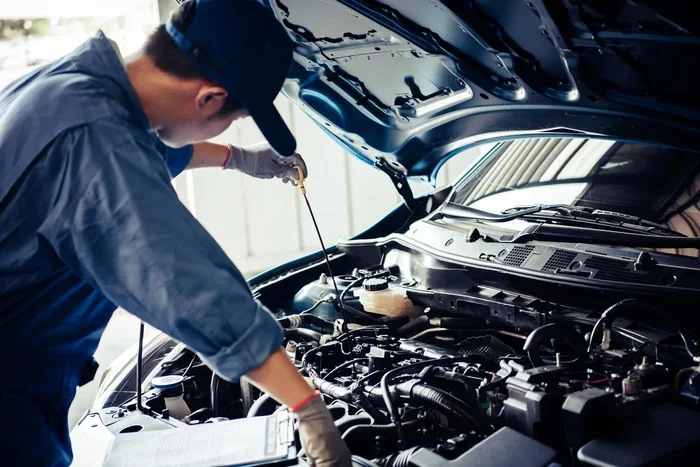
A vehicle inspection is a thorough check of your car’s safety, mechanical condition, and emissions levels. Trained technicians examine key systems like brakes, lights, steering, and exhaust. The goal is to confirm that your vehicle meets safety and environmental standards.
Why does this matter so much? Car inspections help keep roads safe. They catch problems before they become dangerous or expensive. A failing inspection can reveal issues that might cause a breakdown or even an accident.
Beyond safety, inspections also protect your wallet. Catching a small problem early can save you hundreds of dollars in repairs later. If you are buying a used car, an inspection gives you peace of mind about what you are actually getting.
The Purpose of a Vehicle Inspection
Every auto inspection has a core purpose: to verify that a vehicle is roadworthy. During the process, inspectors check things like tire tread depth, brake pad thickness, and whether all lights work properly. They also test emissions to ensure your car meets environmental regulations.
Some inspections focus purely on safety. Others combine safety with emissions testing, often called a smog check. The type of inspection you need depends on your state and the purpose of the check.
Types of Vehicle Inspections You Should Know About
Not all inspections are the same. Here are the most common types you will encounter:
- State Safety Inspection — Required by law in many states to ensure your vehicle meets minimum safety standards.
- Emissions Inspection — Tests the pollutants your car releases. Often called a smog check in states like California.
- Pre-Purchase Inspection — Paid for by buyers to evaluate a used car before finalizing a purchase.
- Insurance Inspection — Ordered by insurance companies to verify a vehicle’s condition and identity.
- Loan Inspection — Required by lenders during the financing process to confirm the vehicle’s value and condition.
Each type serves a different purpose. Understanding them helps you know who should foot the bill and why.
Who Pays for a Vehicle Inspection and Why?
The question of who pays for a vehicle inspection does not have a single answer. The responsible party depends on the situation, the type of inspection, and sometimes even local laws. Let us break down the most common scenarios.
When the Buyer Pays for an Inspection
In most cases, the car buyer is responsible for paying for the inspection. This is especially true for pre-purchase inspections. Before you commit to buying a used car, paying for your own inspection is one of the smartest moves you can make.
Why? Because the inspection protects you. It reveals hidden problems the seller may not disclose. A mechanic inspection can uncover issues like engine trouble, transmission wear, or frame damage. Spending a few hundred dollars upfront can save you thousands in repairs later.
Many experienced car buyers never skip this step. They treat the inspection cost as an investment in their decision. If the inspection reveals major issues, you can walk away from the deal without losing a dime.
When the Seller Pays for an Inspection
Sometimes, the car seller covers the inspection cost. This usually happens in specific situations:
- The seller wants to build trust with potential buyers.
- The vehicle is being sold “as-is” and the seller wants to prove it is in good shape.
- The seller is a dealership offering a certified pre-owned program.
- A private seller wants a competitive edge in a crowded market.
When a seller pays for the inspection, they are essentially marketing their vehicle. A clean inspection report signals that the car has been well-maintained. This can lead to a faster sale and often a better price for the seller.
However, buyers should still consider getting their own independent inspection. A seller’s inspection report is a good starting point, but it is not a substitute for your own professional evaluation.
When the Lender or Insurance Company Pays
In some cases, a third party handles the inspection cost. For example:
- Lenders may require a vehicle inspection before approving an auto loan. They want to ensure the car is worth the loan amount.
- Insurance companies sometimes order inspections before issuing a policy. This is more common for older or high-value vehicles.
- Leasing companies often require inspections at the start and end of a lease term.
In these situations, the buyer or lessee usually does not pay directly. However, the cost may be factored into loan fees or insurance premiums. So even if someone else pays, you may still feel the impact on your overall cost.
When You Pay for Your Own Routine Inspection
If you already own the vehicle, you are typically responsible for paying for routine inspections. This includes annual safety inspections and emissions tests required by your state. These costs are part of responsible vehicle ownership.
Think of it like regular maintenance. You pay for oil changes, tire rotations, and brake pads. Inspections are just another part of keeping your car safe and legal on the road.
Vehicle Inspection Costs: What to Expect
Understanding the vehicle inspection cost helps you budget and avoid surprises. The price varies based on several factors, including the type of inspection and your location.
Average Inspection Fees by Type
Here is a general breakdown of what different inspections might cost:
- Basic Safety Inspection: $20 to $50. This covers lights, brakes, tires, and other safety basics.
- Emissions Test or Smog Check: $15 to $75. Prices depend on the vehicle type and the testing equipment used.
- Pre-Purchase Inspection: $100 to $250. This is more thorough and includes a detailed mechanical assessment.
- Insurance Inspection: $10 to $30. Usually a quick visual check of the vehicle’s condition and identity.
- Comprehensive Inspection: $150 to $300. Covers everything from safety to detailed mechanical health.
These are average ranges. Your actual cost may be higher or lower depending on your area and the specific inspection station you visit.
Factors That Affect Inspection Pricing
Several things influence how much you will pay for an inspection:
- Location: Inspections cost more in urban areas with higher operating costs.
- Vehicle Type: Luxury cars and trucks sometimes cost more to inspect due to specialized equipment.
- Inspection Scope: A basic safety check costs less than a full mechanical evaluation.
- Station Type: Licensed inspection stations may charge differently than independent mechanics.
- Additional Tests: If your vehicle needs extra testing, such as a diesel emissions check, the price goes up.
Shopping around can help you find a fair price. Call a few stations in your area and ask for their rates before committing.
State Requirements and Inspection Laws
Inspection requirements vary dramatically from state to state. Some states have strict annual inspection laws. Others have no mandatory inspection requirements at all. Understanding your state’s rules is essential for every vehicle owner.
States That Require Annual Inspections
Several states require vehicle owners to pass an annual or biennial inspection. These states include:
- New York — Requires both a safety inspection and an emissions test annually.
- Massachusetts — Mandates an annual safety and emissions inspection for all registered vehicles.
- Connecticut — Requires biennial inspections covering safety and emissions.
- Virginia — Needs a yearly safety inspection with emissions testing in certain areas.
- Georgia — Requires emissions testing in select metro areas.
In these states, failing to complete your inspection can result in fines, registration suspension, or even inability to renew your license plates. Staying current with your state inspection requirements protects you legally and keeps your vehicle running safely.
States Without Mandatory Inspections
On the other hand, many states have eliminated mandatory inspection programs. States like Alaska, Arizona, Arkansas, Iowa, Michigan, Mississippi, and Montana do not require annual safety inspections. However, even in these states, emissions testing may still apply in certain urban areas.
Even if your state does not require inspections, regular checks are still a smart habit. They help you identify problems early and maintain your vehicle’s vehicle condition over time.
Why Inspection Laws Differ Across States
States create their own inspection laws based on local needs. Factors include air quality concerns, road safety data, and the age of the vehicle fleet. States with high pollution levels tend to enforce stricter emissions testing. States with harsh winters may focus more on safety inspections to ensure vehicles handle well in dangerous conditions.
Tips to Save Money on Your Vehicle Inspection
Nobody wants to overspend on a vehicle inspection. Fortunately, there are practical ways to keep costs down without sacrificing quality.
Compare Prices Before You Go
Call at least three inspection stations in your area. Ask for their exact rates for the type of inspection you need. You may be surprised by the price differences. A few minutes of research can save you real money.
Time Your Visit Strategically
Avoid going right before a deadline. When inspection stations are crowded, they may have less incentive to offer competitive pricing. Visiting during quieter times can sometimes get you a better deal or faster service.
Check for Discounts and Promotions
Many stations offer discounts for first-time customers, seniors, or military personnel. Some also run seasonal promotions. A quick online search or a phone call can reveal savings you might not know about.
Maintain Your Vehicle Regularly
Well-maintained vehicles pass inspections more easily. Keep up with routine vehicle maintenance like oil changes, brake checks, and tire rotations. A car in good shape is less likely to have issues during an inspection, which means fewer repeat visits and fewer extra charges.
Consider Independent Mechanics
Licensed inspection stations are not your only option. Independent mechanics often charge less for the same quality of work. Just make sure the mechanic is certified and experienced with your specific vehicle type.
Common Mistakes People Make with Vehicle Inspections
Even careful car owners make mistakes when it comes to inspections. Avoiding these common errors can save you time, money, and stress.
Waiting Until the Last Minute
Many people put off their inspection until the deadline. This creates unnecessary stress and leaves no time to fix problems if your vehicle fails. Schedule your inspection early so you have a buffer for any needed repairs.
Choosing the Cheapest Option Without Research
Low prices can be tempting, but they sometimes come with trade-offs. A cheap inspection may be rushed or incomplete. Always check reviews and ask about what is included in the inspection package.
Ignoring Warning Signs Before the Inspection
If your check engine light is on or you notice unusual sounds, do not ignore them. Addressing issues before your inspection increases your chances of passing and reduces the need for expensive re-tests.
Assuming Your Inspection Covers Everything
A standard safety inspection does not cover every possible problem. If you are buying a used car, a basic inspection may miss deeper mechanical issues. Always ask what is included and consider upgrading to a more comprehensive inspection if needed.
Forgetting to Bring the Right Documents
Show up to your inspection with the proper paperwork. This usually includes your registration, proof of insurance, and identification. Forgetting documents can delay the process and may require a second trip.
How Inspections Protect You as a Car Owner
Vehicle inspections do more than keep you legal on the road. They provide real, tangible benefits for every car owner.
First, inspections catch safety problems early. A brake issue or a failing suspension component can be dangerous if left unchecked. The inspection process identifies these risks before they cause an accident.
Second, inspections help you maintain your vehicle’s value. A car with a clean inspection history is more attractive to buyers. It signals that the vehicle has been well cared for and is less likely to have hidden problems.
Third, passing inspections can actually improve your car’s performance. When you address issues identified during an inspection, your vehicle runs better, uses fuel more efficiently, and lasts longer. The inspection process becomes part of your overall vehicle maintenance strategy.
Finally, staying compliant with inspection laws avoids legal headaches. No one wants a ticket or registration suspension. Keeping your inspection current is a simple way to stay on the right side of the law.
Key Takeaways
- Buyers typically pay for pre-purchase inspections to protect their investment before buying a used car.
- Sellers often cover the cost of inspections when listing a vehicle for sale to attract serious buyers.
- State inspection fees vary widely, and some states require annual safety and emissions checks.
- Lenders and insurance companies may require inspections as part of loan approval or policy setup.
- Knowing the inspection requirements in your state helps you avoid fines and registration delays.
- Saving money on inspections is possible through comparison shopping and timing your visits wisely.
- Skipping inspections or choosing cheap options can lead to costly repairs and legal issues down the road.
Conclusion
So, who pays for a vehicle inspection? The answer depends entirely on your situation. Buyers usually pay for pre-purchase checks. Sellers sometimes cover the cost to build trust. Lenders and insurance companies foot the bill in specific scenarios. And as a current owner, you handle routine inspections as part of responsible car ownership.
Understanding these responsibilities helps you plan your budget and avoid unexpected expenses. Whether you need a basic safety check or a detailed pre-purchase evaluation, knowing the costs and requirements puts you in control.
Take the time to research your state’s inspection laws. Compare prices at local stations. And never skip an inspection just to save a little money upfront. The long-term benefits of staying on top of your vehicle’s condition far outweigh the short-term costs.
A vehicle inspection is one of the simplest yet most effective tools you have for staying safe, saving money, and keeping your car running strong. Make it a regular part of your car care routine, and you will reap the rewards for years to come.
Question 1?
Who is responsible for paying a vehicle inspection? The answer depends on the situation. Buyers usually pay for pre-purchase inspections. Sellers sometimes pay to build buyer confidence. And current owners pay for routine state-required inspections as part of vehicle ownership.
Question 2?
How much does a vehicle inspection typically cost? Costs range from $20 for a basic safety inspection to $250 or more for a comprehensive pre-purchase inspection. The exact price depends on your location, the type of inspection, and the vehicle you own.
Question 3?
Do all states require vehicle inspections? No. Some states like Alaska and Arizona have no mandatory inspection requirements. Other states like New York and Massachusetts require annual safety and emissions inspections. Check your state’s specific laws to stay compliant.
Question 4?
Can a seller refuse to pay for an inspection? Yes, sellers are generally not obligated to pay for inspections unless they have already offered a pre-inspected vehicle. Buyers should always consider paying for their own independent inspection before finalizing a purchase.
Question 5?
What happens if your vehicle fails an inspection? You will need to repair the issues that caused the failure and return for a re-test. Some states offer a grace period or partial pass that allows you to address specific problems without starting over completely.
Question 6?
Is a pre-purchase inspection worth the money? Absolutely. A pre-purchase inspection can reveal hidden problems that are not visible during a test drive. Spending a few hundred dollars upfront can prevent you from buying a vehicle with serious and expensive mechanical issues.
Frequently Asked Questions
What is Who Pays for a Vehicle Inspection??
Who Pays for a Vehicle Inspection? is an important topic with many practical applications.