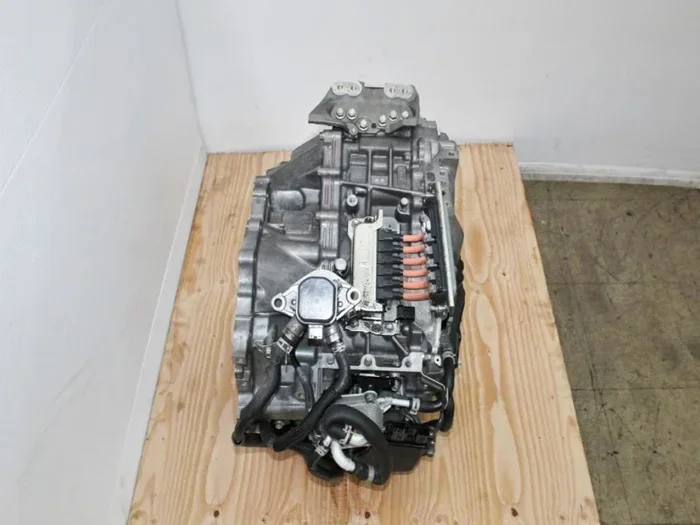
Are Toyota Highlanders Affected by Transmission Problems
Toyota Highlanders are generally reliable SUVs, but some owners have reported transmission problems over the years. Certain model years show higher rates of transmission issues like rough shifting, delayed engagement, and fluid leaks. Regular transmission maintenance and timely fluid changes can significantly reduce the risk of costly repairs.
Are Toyota Highlanders affected by transmission problems? It is a question many potential buyers and current owners ask. The Toyota Highlander has been a popular mid-size SUV since 2005. It is known for its spacious interior, strong V6 engine, and solid reputation for reliability. But like any vehicle, it is not immune to transmission issues.
In this guide, we will break down everything you need to know about Toyota Highlander transmission problems. We will look at which model years are most affected, what symptoms to watch for, and how you can prevent expensive repairs. Whether you are shopping for a used Highlander or already own one, this article will help you stay informed and ahead of potential issues.
It is worth noting that Toyota Highlanders are generally dependable vehicles. Many owners reach well over 200,000 miles without major transmission repairs. But a small percentage of Highlanders do experience problems. Understanding these issues gives you the best chance of catching them early and avoiding costly fixes.
Key Takeaways
- Some Toyota Highlanders experience transmission issues: Certain model years, especially 2005–2007 and 2014–2016, have reported problems with rough shifting and delayed engagement.
- CVT and 6-speed automatic transmissions are the most common: Understanding your specific transmission type helps you identify potential issues early.
- Regular fluid changes are essential: Dirty or low transmission fluid is one of the leading causes of shifting problems in Highlanders.
- Warning signs are easy to spot: Slipping gears, grinding noises, and check engine lights are clear signals that something needs attention.
- Preventive maintenance goes a long way: Following Toyota’s service schedule and avoiding aggressive driving can extend your transmission lifespan significantly.
- Toyota reliability remains strong overall: While transmission problems exist, Highlanders still rank among the more dependable SUVs on the market.
📑 Table of Contents
- Understanding the Toyota Highlander Transmission System
- Common Transmission Problems Reported by Owners
- Model Year Breakdown: Which Years Have the Most Issues?
- How to Prevent Transmission Problems in Your Toyota Highlander
- When to See a Mechanic About Transmission Issues
- Toyota Highlander Transmission: Final Verdict
Understanding the Toyota Highlander Transmission System
The Toyota Highlander has used different transmission types over the years. Knowing which one your vehicle has is the first step in understanding potential problems. Each transmission type has its own strengths and weak points.
6-Speed Automatic Transmission
The 6-speed automatic was used in earlier Highlander models, particularly from 2005 to 2013. This transmission is a traditional torque converter design. It is simple, durable, and well understood by mechanics. Most owners report few issues with this transmission. However, some 2005 to 2007 models have shown signs of rough shifting and delayed engagement. These problems often trace back to worn transmission fluid or a failing solenoid.
8-Speed Automatic Transmission
Starting with the third generation (2014 and later), Toyota switched to an 8-speed automatic transmission. This newer design offers smoother shifts and better fuel economy. However, some owners of 2014 to 2016 models have reported shuddering during acceleration and occasional hesitation. These issues are less common than those found in earlier models but are worth knowing about.
CVT Transmission
Some newer Highlander hybrid models use a continuously variable transmission, or CVT. CVTs are different from traditional automatics. They use a belt and pulley system instead of fixed gears. While CVTs offer excellent fuel efficiency, they can be more sensitive to maintenance neglect. Low fluid levels or dirty fluid can cause significant problems in a CVT. If you own a Highlander hybrid, staying on top of fluid changes is especially important.
Common Transmission Problems Reported by Owners
What are the actual problems owners have experienced? Let us look at the most commonly reported Toyota Highlander transmission issues. These are the issues that show up most often in owner forums and mechanic reports.
Rough or Harsh Shifting
Rough shifting is one of the most common complaints. Owners describe a jerking or banging sensation when the transmission changes gears. This problem is most often seen in 2005 to 2007 models with the 6-speed automatic. The cause is usually worn transmission fluid or a failing transmission control solenoid. In mild cases, a fluid change solves the problem. In severe cases, the solenoid or internal clutch packs may need replacement.
Delayed Gear Engagement
Delayed engagement happens when you shift from Park to Drive, and the transmission takes a few seconds to respond. This can be frustrating and even unsafe in some situations. Owners of 2014 to 2016 Highlanders have reported this issue. The cause is often low transmission fluid or a worn valve body. A quick check of your fluid level is always a good first step.
Transmission Slipping
Transmission slipping is a serious concern. It feels like the engine is revving higher than normal, but the vehicle is not accelerating properly. This happens when the internal clutches or bands inside the transmission wear out. Slipping is more common in higher-mileage Highlanders, especially those with over 100,000 miles. If you notice slipping, get it checked right away. Ignoring it can lead to complete transmission failure.
Transmission Fluid Leaks
Fluid leaks are a common issue across many Toyota models. The transmission pan gasket and the axle seals are the most common leak points on the Highlander. A small leak might not cause immediate problems, but over time, low fluid levels lead to overheating and increased wear. Regularly checking your transmission fluid level is an easy way to catch leaks early.
Check Engine Light and Error Codes
A check engine light can signal many things, and transmission problems are one of them. Common error codes related to Highlander transmission issues include P0700 (transmission control system malfunction) and P0730 (incorrect gear ratio). If your check engine light comes on, do not ignore it. A simple diagnostic scan at a mechanic shop can reveal whether the transmission is the culprit.
Model Year Breakdown: Which Years Have the Most Issues?
Not all Toyota Highlanders are created equal when it comes to transmission reliability. Certain model years have higher rates of reported problems. Here is a closer look at the years to watch.
2005–2007: Early Models with Known Issues
The first generation Highlanders (2005–2007) used the 6-speed automatic transmission. These years have the highest number of reported transmission problems. Owners frequently mention rough shifting, delayed engagement, and fluid leaks. If you are considering a used Highlander from this era, a pre-purchase inspection is essential. Ask the seller for maintenance records and have a mechanic check the transmission fluid condition.
2008–2013: Improved Reliability
The second generation Highlanders (2008–2013) saw improvements in transmission reliability. Toyota addressed many of the issues found in the earlier models. Owners of these years generally report smooth shifting and fewer problems. This is often considered the sweet spot for used Highlander buyers who want a reliable vehicle with fewer transmission concerns.
2014–2016: Mixed Reviews
The third generation Highlanders (2014–2016) introduced the 8-speed automatic transmission. While generally more refined, some owners have reported shuddering and hesitation. These issues are less severe than those in the first generation, but they are worth noting. Staying current with fluid changes is the best way to avoid problems with these models.
2017 and Later: Strong Performance
Toyota made further improvements starting in 2017. The 8-speed transmission in these models has been largely problem-free. Owners report smooth, reliable shifting and few complaints. If you want a Highlander with the least risk of transmission issues, these are the years to target.
| Model Years | Transmission Type | Common Issues | Reliability Rating |
|---|---|---|---|
| 2005–2007 | 6-Speed Automatic | Rough shifting, delayed engagement, fluid leaks | Below Average |
| 2008–2013 | 6-Speed Automatic | Minimal issues reported | Above Average |
| 2014–2016 | 8-Speed Automatic | Shuddering, hesitation | Average |
| 2017 and later | 8-Speed Automatic | Very few reported issues | Excellent |
How to Prevent Transmission Problems in Your Toyota Highlander
Prevention is always better than repair. The good news is that you can take several steps to keep your Toyota Highlander transmission healthy for the long haul. Here are the most effective strategies.
Stick to the Maintenance Schedule
Toyota recommends changing your transmission fluid at specific intervals. For most Highlanders, this is around 60,000 to 100,000 miles, depending on driving conditions. Check your owner’s manual for the exact schedule. Skipping fluid changes is one of the fastest ways to invite transmission problems. Fresh fluid keeps everything lubricated and cool inside the transmission.
Use the Right Transmission Fluid
Not all transmission fluids are the same. Toyota specifies a particular type of fluid for the Highlander. Using the wrong fluid can cause poor shifting, overheating, and premature wear. Always check with your dealer or owner’s manual to confirm the correct fluid type. If you are unsure, ask your mechanic. They will know exactly what your Highlander needs.
Avoid Aggressive Driving
Hard acceleration and sudden braking put extra stress on your transmission. Over time, this can wear out internal components faster. Smooth, steady driving helps your transmission last longer. If you like to drive enthusiastically, be extra diligent about fluid changes and inspections.
Check for Leaks Regularly
Take a look under your vehicle occasionally. Red or brown fluid puddles under the car can signal a transmission leak. Catching a leak early means a simple gasket replacement instead of a major repair. Make it a habit to check your parking spot after you move the car.
Warm Up Your Vehicle
In cold weather, give your vehicle a minute or two to warm up before driving. Cold transmission fluid is thicker and does not lubricate as well. Letting the engine idle for a short time allows the fluid to circulate properly. This simple habit can reduce wear on your transmission over the years.
Keep an Eye on Dashboard Warnings
Your Highlander’s dashboard is designed to warn you about potential problems. If you see a check engine light or a transmission warning indicator, do not ignore it. Early detection of a problem often means a much cheaper repair. A quick trip to the mechanic can save you thousands of dollars down the road.
When to See a Mechanic About Transmission Issues
Knowing when to seek professional help can save you from a major breakdown. Some transmission problems start small and get worse quickly. Here are the signs that it is time to see a mechanic.
Warning Signs You Should Not Ignore
- Unusual noises: Grinding, whining, or clunking sounds when shifting gears.
- Burning smell: A hot, burning odor often means overheating transmission fluid.
- Vibration or shuddering: Feeling vibrations during acceleration is a red flag.
- Fluid discoloration: Healthy transmission fluid is reddish and clear. Dark or burnt-smelling fluid needs attention.
- Dashboard warning lights: Any transmission-related warning should be checked immediately.
What to Expect at the Mechanic
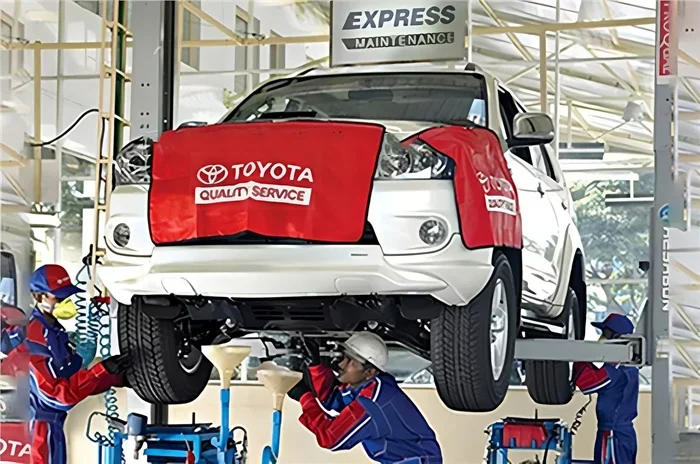
A mechanic will typically start by checking your transmission fluid level and condition. They may connect a diagnostic scanner to look for error codes. In some cases, a road test helps identify the exact problem. If the issue is more serious, the mechanic may need to remove the transmission pan or perform a pressure test. The cost of repairs varies widely depending on the problem. A fluid change might cost a few hundred dollars, while a full transmission rebuild can cost several thousand.
Toyota Highlander Transmission: Final Verdict
So, are Toyota Highlanders affected by transmission problems? The answer is yes, but with some important context. The vast majority of Highlanders are reliable vehicles that serve their owners well for many years. Transmission problems do occur, but they are concentrated in specific model years and often tied to maintenance neglect.
If you are buying a used Highlander, focus on the 2008 to 2013 and 2017+ model years. These years have the best track records for transmission reliability. For earlier models, a thorough inspection and maintenance history are key. And for any Highlander, staying on top of fluid changes and listening to your vehicle will go a long way.
Toyota remains one of the most trusted brands in the automotive world. While no vehicle is perfect, the Highlander continues to be a strong choice in the mid-size SUV segment. It offers a comfortable ride, strong performance, and solid reliability. With proper care, your Highlander’s transmission can easily last well beyond 200,000 miles. If you want to learn more about overall Toyota Highlanders reliability, check out this article on whether Toyota Highlanders are good on gas for a broader look at their performance.
For comparison, many owners also wonder about other Toyota SUVs. You can read about Toyota Tundra dependability to see how Toyota trucks stack up in terms of reliability. Similarly, if you are considering the Toyota RAV4, check out whether Toyota RAV4s are reliable to compare SUV options.
Remember, every vehicle needs attention and care. The Toyota Highlander is no exception. But with the right knowledge and a proactive approach to maintenance, you can enjoy years of smooth, worry-free driving in your Highlander.
Key maintenance takeaways: Change your transmission fluid on schedule, use the correct fluid type, and never ignore warning signs. These simple steps protect your investment and keep your Highlander running at its best. Whether you drive a first-generation model from 2005 or the latest 2024 model, these habits apply across the board.
The bottom line is that Toyota Highlander transmission problems are manageable when you know what to look for. Stay informed, stay proactive, and your Highlander will reward you with years of dependable service.
Frequently Asked Questions
How long does a Toyota Highlander transmission last?
With proper maintenance, a Toyota Highlander transmission can last well over 200,000 miles. Regular fluid changes and gentle driving habits play a big role in extending its lifespan. Neglecting maintenance can shorten it significantly.
Are Toyota Highlander transmission problems expensive to fix?
The cost varies depending on the issue. A fluid change or solenoid replacement might cost a few hundred dollars. A full transmission rebuild or replacement can run anywhere from $3,000 to $7,000. Catching problems early is the best way to keep costs down.
Which Toyota Highlander model years should I avoid?
The 2005 to 2007 model years have the highest rates of reported transmission problems. If you are buying used, consider 2008 to 2013 or 2017 and later models for the best reliability. Always get a pre-purchase inspection regardless of the year.
Can I drive my Toyota Highlander with a slipping transmission?
It is not recommended. Driving with a slipping transmission can cause further damage and lead to more expensive repairs. Have the vehicle towed to a mechanic if you notice slipping, grinding, or other serious symptoms.
Does Toyota cover transmission problems under warranty?
Toyota’s basic warranty covers most defects for 3 years or 36,000 miles. The powertrain warranty extends to 5 years or 60,000 miles. Transmission problems that are due to manufacturing defects may be covered. Wear and tear from lack of maintenance typically is not.
How do I check my Toyota Highlander’s transmission fluid?
Start by parking the vehicle on a level surface and letting the engine warm up. Locate the transmission dipstick, pull it out, wipe it clean, reinsert it, and pull it out again. Check the fluid level against the markings. The fluid should be reddish and smell slightly sweet. Dark or burnt fluid is a sign it is time for a change.
=== CONCLUSION ===
Toyota Highlanders are a solid choice in the SUV market, but they are not completely free from transmission problems. The key is knowing what to watch for and taking preventive action. By following the maintenance schedule, using the right fluids, and addressing warning signs promptly, you can keep your Highlander’s transmission healthy for the long haul. Whether you own a 2006 model or a 2023 model, these tips apply. Stay informed, stay proactive, and enjoy the ride.