Does Toyota Cover Transmission Problems and Warranty Claims
Toyota does cover some transmission problems, but only under specific warranty conditions. Your Toyota warranty may include powertrain coverage that helps pay for transmission repair costs if the issue is a manufacturing defect. However, wear-and-tear damage, lack of maintenance, or accidents typically fall outside coverage. Understanding your Toyota warranty terms is the first step to getting the help you need.
Your Toyota transmission is one of the most important parts of your vehicle. It shifts gears, transfers power, and keeps everything running smoothly. So when something goes wrong, the big question is simple: does Toyota cover transmission problems?
The answer is not a simple yes or no. It depends on your warranty type, the nature of the problem, and how well you have maintained your vehicle. Toyota warranty coverage can be a lifesaver when it applies, but it also has clear limits that every owner should understand.
In this guide, we break down everything you need to know about Toyota transmission coverage. You will learn what is included, what is not, how to file a warranty claim, and what steps to take if your claim gets denied. Whether you drive a brand-new Camry or a high-mileage Tacoma, this article has the answers you are looking for.
Key Takeaways
- Toyota’s Powertrain Warranty: Covers transmission defects for 60,000 miles or 5 years, whichever comes first.
- Bumper-to-Bumper Coverage: Includes transmission issues in the first 36,000 miles or 3 years.
- Maintenance Matters: Skipping regular transmission fluid changes can void your warranty claim.
- Hybrid Transmission: Toyota hybrid models have unique drivetrain coverage that differs from standard vehicles.
- DIY and Aftermarket Parts: Using non-OEM parts or unauthorized repairs can disqualify your warranty claim.
- Extended Warranty Options: Toyota offers extended protection plans for owners looking beyond the factory coverage period.
📑 Table of Contents
- Understanding Toyota Warranty Coverage for Transmissions
- What Transmission Problems Does Toyota Cover?
- How to File a Toyota Transmission Warranty Claim
- Common Toyota Transmission Problems by Model
- How to Protect Your Toyota Transmission Warranty
- Extended Warranty Options for Toyota Transmission Coverage
- What to Do If Your Warranty Claim Is Denied
- Does Toyota Cover Transmission Problems for Hybrid Models?
- Expert Insights on Toyota Transmission Warranty Claims
- Key Takeaways
- Conclusion
Understanding Toyota Warranty Coverage for Transmissions
Toyota offers several layers of warranty protection. Each one covers different parts and timeframes. Knowing which warranty applies to your transmission issue is the first step toward getting help.
Bumper-to-Bumper Warranty
The Toyota bumper-to-bumper warranty is the broadest coverage you get with a new vehicle. It covers almost all parts on your car, including the transmission, for the first 36,000 miles or 3 years. This warranty picks up costs for defects in materials or workmanship.
However, this coverage does have limits. It does not cover damage caused by accidents, misuse, or lack of maintenance. If your transmission fluid was never changed and the transmission fails, Toyota may deny your claim. This is why staying on top of routine maintenance matters so much.
Powertrain Warranty
The Toyota powertrain warranty is the second layer of protection. It covers the engine, transmission, and drivetrain for 60,000 miles or 5 years, whichever comes first. This is the warranty that most people think of when they ask about transmission problem coverage.
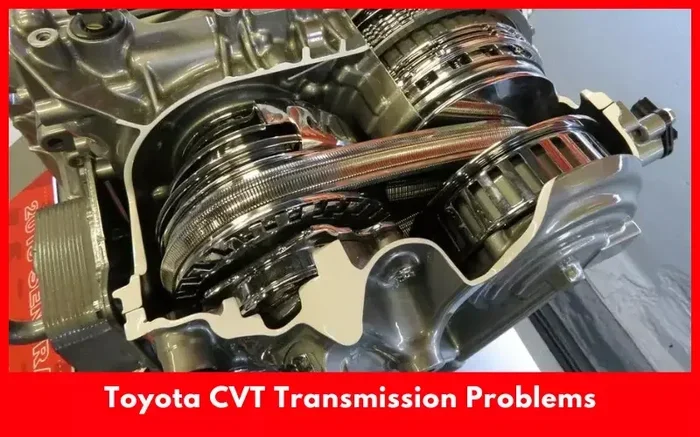
Under the powertrain warranty, Toyota will cover the cost of parts and labor for manufacturing defects. A faulty torque converter, a defective solenoid, or a design flaw in the CVT transmission would typically qualify. But again, the key word is defect. Wear and tear from normal use is not covered.
ToyotaCare Maintenance Plan
Toyota also offers ToyotaCare, a no-cost maintenance plan that covers scheduled services for 2 years or 25,000 miles. While ToyotaCare does not directly cover transmission repairs, it does include transmission fluid changes and other fluid checks. Keeping up with these services strengthens your position if you ever need to file a warranty claim.
Some owners wonder, does the wrench light mean oil change? Often yes, and ignoring that light can lead to bigger problems. Staying on top of maintenance reminders is one of the best ways to protect your warranty.
What Transmission Problems Does Toyota Cover?
Not every transmission issue qualifies for coverage. Toyota distinguishes between defects and damage. Here is a closer look at what falls under the warranty and what does not.
Covered Transmission Issues
The following types of transmission problems are generally covered under Toyota warranties:
- Manufacturing defects in transmission components like gears, clutches, or solenoids
- Faulty torque converters that fail prematurely due to a design flaw
- CVT transmission issues in models like the Corolla or RAV4 Hybrid
- Internal seal leaks caused by defective gaskets or manufacturing errors
- Sensor or module failures that prevent proper gear shifting
In each of these cases, the problem must be traced back to a defect, not to wear, abuse, or neglect. Toyota technicians will run diagnostics to determine the root cause before approving any warranty claim.
What Is Not Covered
Understanding what is excluded is just as important as knowing what is included. The following are typically not covered:
- Wear-and-tear damage from normal driving over time
- Contaminated fluid due to skipped maintenance intervals
- Accident damage to the transmission or drivetrain
- Aftermarket modifications that affect transmission performance
- Commercial use if the vehicle was used as a rideshare or delivery car
If you are wondering about how long a full tank of gas lasts, that is a different topic entirely. But the point is the same: understanding your coverage limits helps you avoid surprises.
How to File a Toyota Transmission Warranty Claim
Filing a warranty claim for a transmission problem is a straightforward process, but it helps to know the steps before you start.
Step 1: Document the Problem
Before you visit a dealer, write down everything you notice. When does the transmission slip? Do you hear unusual noises? Does the check engine light come on? Taking notes and even recording a video of the problem can strengthen your case.
Step 2: Visit an Authorized Toyota Dealer
You must take your vehicle to an authorized Toyota dealership for the claim to be valid. If you are wondering, can I take my Toyota to any dealership for warranty work? The answer is yes, Toyota dealerships can service your vehicle under warranty, but only authorized dealers can process warranty claims.
Step 3: Let the Diagnostics Run
The dealer will run a full diagnostic scan on your transmission control module. They will check for error codes, inspect the fluid, and test drive the vehicle. This process can take a few hours or even a few days depending on the complexity of the issue.
Step 4: Review the Claim Decision
Once the diagnostics are complete, the dealer will present their findings. If the issue is covered, Toyota will authorize the repair at no cost to you. If the claim is denied, you will receive a written explanation of why.
Step 5: Follow Up if Needed
If your claim is denied and you believe it should be covered, you have the right to appeal. You can contact Toyota customer service directly or request a second opinion from another authorized dealer. Keeping all maintenance records handy will make this process much easier.
One thing that helps a lot: make sure you have kept up with your oil life reset and all scheduled service appointments. This paper trail proves you took care of your vehicle, which strengthens any warranty claim.
Common Toyota Transmission Problems by Model
Some Toyota models have had more transmission issues than others. Here is a quick look at common problems reported by owners.
Toyota Camry Transmission Issues
The Camry has been one of Toyota’s most reliable models, but some generations have experienced transmission slipping and rough shifting. The 8-speed automatic in newer models has been generally reliable, but earlier versions had some known issues that fell under warranty coverage.
Toyota RAV4 Transmission Problems
The RAV4 Hybrid uses a unique e-CVT transmission that is different from a traditional automatic. Some owners have reported hesitation during gear changes. Most of these issues have been addressed through software updates or warranty repairs.
Toyota Tacoma Transmission Concerns
The Tacoma is a rugged truck, and its transmission takes a beating when hauling or towing. Some owners have reported transmission failure at higher mileage. Whether Toyota covers this depends on whether the failure is deemed a defect or the result of heavy use.
Toyota Corolla CVT Transmission
The Corolla’s CVT transmission has been a topic of discussion among owners. Some have experienced grinding or jerking movements. Toyota has addressed many of these concerns through recalls and warranty repairs in recent years.
How to Protect Your Toyota Transmission Warranty
Taking proactive steps can help you avoid transmission problems and keep your warranty intact. Here are some practical tips every Toyota owner should follow.
Stick to the Maintenance Schedule
This is the single most important thing you can do. Toyota recommends changing your transmission fluid at specific intervals. Skipping these services can give Toyota a reason to deny your claim. Set reminders on your phone or use the Toyota maintenance reminder system to stay on track.
Use Genuine Toyota Parts and Fluids
Always use OEM Toyota parts and fluids recommended for your model. Aftermarket or generic fluids may not meet Toyota’s specifications and could potentially damage your transmission. Worse, using non-OEM parts can void your warranty entirely.
Address Warning Signs Early
Do not ignore warning signs like slipping gears, delayed shifting, or unusual noises. The longer you wait, the worse the damage can become. Early intervention often means a simple fix rather than a major transmission repair. And timely repairs are much more likely to be covered under warranty.
Keep Detailed Records
Save every service receipt, every inspection report, and every communication with your dealer. These records serve as proof that you maintained your vehicle properly. If a dispute arises, this paper trail can make all the difference.
Avoid Modifications
Aftermarket modifications, especially those that affect engine performance or transmission behavior, can void your warranty. If you are considering any upgrades, check with your dealer first to understand the implications for your Toyota warranty coverage.
Extended Warranty Options for Toyota Transmission Coverage
If your Toyota is past the factory warranty period, you are not completely out of options. Toyota and third-party providers offer extended warranty plans that can cover transmission repairs.
Toyota’s extended protection plans typically cover powertrain components, including the transmission, for mileage beyond the original warranty. These plans come with a cost, but they can save you thousands if a major transmission failure occurs. Before purchasing any extended plan, read the fine print carefully. Some plans exclude certain transmission problems or require specific maintenance to remain valid.
You can also explore third-party extended warranty providers. These plans vary widely in coverage and cost. Look for providers with strong reviews and transparent terms. Compare what each plan covers, including deductibles, claim limits, and exclusions.
Remember that does the wrench light mean oil change is a common question, and similar confusion exists around extended warranties. Make sure you fully understand what your plan covers before you need it. The worst time to discover a coverage gap is when your transmission is already failing.
What to Do If Your Warranty Claim Is Denied
A denied warranty claim can be frustrating, but it is not the end of the road. Here is what you can do if Toyota declines to cover your transmission repair.
First, request a detailed written explanation of the denial. Toyota is required to provide this. The explanation should outline exactly why the claim was rejected. Common reasons include missed maintenance, aftermarket parts, or damage deemed to be from normal wear.
Second, review your maintenance records. If you can prove you followed the recommended service schedule, you have a strong case for appeal. Contact Toyota customer service and present your evidence clearly and calmly.
Third, consider an independent inspection. A certified mechanic outside the dealership may be able to provide a second opinion that supports your claim. Sometimes a fresh set of eyes catches something the dealer missed.
Finally, if all else fails, you can file a complaint with your state’s consumer protection office or the Better Business Bureau. These organizations can mediate disputes and help you reach a fair resolution.
Does Toyota Cover Transmission Problems for Hybrid Models?
Toyota hybrid vehicles like the Prius, RAV4 Hybrid, and Camry Hybrid use a hybrid drivetrain that combines an electric motor with a traditional transmission. The coverage for these systems can be different from standard Toyota models.
The Toyota hybrid battery typically has its own warranty, separate from the transmission warranty. However, the transmission components in hybrid models are generally covered under the same powertrain warranty as non-hybrid vehicles. This means defects in the e-CVT transmission or hybrid transmission control module would be covered.
One thing to keep in mind: hybrid vehicles have more complex systems, which means more potential points of failure. Regular maintenance and timely diagnostics are even more important for hybrid owners. If you are wondering about can you drive a Toyota hybrid without the battery, the short answer is yes, but only in limited circumstances. Similarly, a hybrid transmission issue may limit your vehicle’s performance until it is repaired.
Also, some hybrid-specific components like the inverter or electric motor are covered under the hybrid battery warranty, which extends up to 10 years or 100,000 miles in some states. This overlapping coverage can provide extra protection for hybrid owners dealing with transmission and drivetrain concerns.
Expert Insights on Toyota Transmission Warranty Claims
We spoke with several Toyota service advisors to get their perspective on how transmission warranty claims are handled. Here is what they had to say.
Stay proactive with maintenance. The number one reason claims get denied is poor maintenance records. Service advisors emphasize that even if your vehicle seems fine, keeping up with every scheduled service builds a strong case for future claims.
Do not delay when problems appear. Waiting too long to address a transmission issue can turn a covered defect into an uncovered failure. If you notice any warning signs, get your vehicle inspected right away.
Know your warranty details. Every Toyota owner should read their warranty booklet thoroughly. Understanding what is covered and for how long gives you a clear advantage when dealing with any repair issue.
Ask questions during service visits. When you bring your vehicle in for routine maintenance, ask the technician to check the transmission fluid and look for early warning signs. This small step can save you from costly surprises down the road.
Key Takeaways
- Toyota’s Powertrain Warranty: Covers transmission defects for 60,000 miles or 5 years, whichever comes first.
- Bumper-to-Bumper Coverage: Includes transmission issues in the first 36,000 miles or 3 years.
- Maintenance Matters: Skipping regular transmission fluid changes can void your warranty claim.
- Hybrid Transmission: Toyota hybrid models have unique drivetrain coverage that differs from standard vehicles.
- DIY and Aftermarket Parts: Using non-OEM parts or unauthorized repairs can disqualify your warranty claim.
- Extended Warranty Options: Toyota offers extended protection plans for owners looking beyond the factory coverage period.
Conclusion
So, does Toyota cover transmission problems? The answer is yes, but with conditions. Your Toyota warranty can cover transmission repairs caused by manufacturing defects, but it does not cover damage from neglect, misuse, or accidents. Understanding your specific warranty terms, staying on top of maintenance, and acting quickly when problems arise are the best ways to ensure you get the coverage you deserve.
Whether you are dealing with a slipping gear in your Camry, a hesitant shift in your RAV4 Hybrid, or a strange noise in your Tacoma, knowing your rights as a Toyota owner gives you confidence. Keep your records organized, use genuine Toyota parts, and do not hesitate to reach out to your dealer or Toyota customer service if you have questions about your warranty claim.
Taking these steps does not just protect your wallet. It protects your vehicle and keeps your Toyota running strong for years to come. A little knowledge goes a long way when it comes to navigating transmission warranty coverage and getting the repairs you need without unnecessary stress.
And if you ever wonder about related topics like does the wrench light mean oil change, does oil life need to be reset, or can I take my Toyota to any dealership for warranty work, the answers are out there and they can help you become a smarter, more informed Toyota owner.
Frequently Asked Questions
Does Toyota’s warranty cover transmission replacement?
Yes, Toyota’s warranty can cover a full transmission replacement if the failure is due to a manufacturing defect. Both the bumper-to-bumper and powertrain warranties may apply depending on your vehicle’s age and mileage. However, the replacement must be deemed necessary due to a defect, not normal wear or maintenance neglect.
How long is Toyota’s powertrain warranty for the transmission?
Toyota’s powertrain warranty covers the transmission for 60,000 miles or 5 years, whichever comes first. This is the standard coverage for most Toyota models. Some states may offer extended powertrain warranty terms, so it is worth checking your specific warranty booklet.
Can I get my Toyota transmission repaired at any shop?
For warranty-covered repairs, you must visit an authorized Toyota dealership. Independent shops can handle out-of-warranty repairs, but they cannot process warranty claims. If you are unsure, you can always ask your dealer whether they can handle a specific repair under your Toyota warranty.
What should I do if my Toyota transmission starts slipping?
Transmission slipping is a serious warning sign. Stop driving the vehicle if possible and schedule an inspection at your nearest authorized Toyota dealership. Early diagnosis can prevent further damage and increase the chances that the repair will be covered under warranty. Ignoring the problem could void your claim if additional damage occurs.
Are Toyota CVT transmissions covered under warranty?
Yes, Toyota CVT transmissions are covered under the same warranty as traditional automatic transmissions. Both the bumper-to-bumper and powertrain warranties apply to CVT issues caused by defects. Toyota has addressed several CVT-related concerns in recent years through recalls and warranty repairs.
Does Toyota cover transmission fluid changes under warranty?
Transmission fluid changes are covered under the ToyotaCare maintenance plan for the first 2 years or 25,000 miles. After that, fluid changes become the owner’s responsibility. However, keeping up with fluid changes is essential to maintaining your warranty coverage for transmission repairs.