How Long Does It Take for ECU to Reset and Why It Matters
The ECU reset process typically takes anywhere from a few minutes to a few hours, depending on your car model and the method used. Whether you are clearing error codes, performing a car ECU reset after a battery change, or running a drive cycle, patience is key. This guide walks you through the timeline, methods, and what to expect during the ECU reset process.
If you have ever wondered how long it takes for ECU to reset, you are not alone. The engine control unit is the brain of your car. It controls everything from fuel injection to ignition timing. When something goes wrong, or when you need to clear codes, resetting the ECU becomes essential.
The good news is that most ECU resets do not take very long. But the exact time depends on several factors. These include the method you use, your car model, and what kind of reset you are performing. In this article, we will break down the entire process. You will learn the timelines, the different methods, and what to expect before, during, and after a car ECU reset.
Whether you are a DIY mechanic or someone who just wants to understand what happens under the hood, this guide has you covered. We will cover everything from a simple battery disconnect to using an OBD scanner. We will also look at why resetting matters and how it affects your car’s performance. Let us dive right in.
Key Takeaways
- ECU Reset Time Varies: A basic reset can take 5 to 30 minutes, while a full adaptation reset may take 30 to 60 minutes or more.
- Method Matters: The time it takes depends on whether you use a battery disconnect, an OBD scanner, or a dealership tool.
- Drive Cycles Are Essential: After resetting, your car needs a proper drive cycle to relearn settings and clear codes.
- Not All Resets Are Equal: A simple code clear is different from a full ECU remap or adaptation reset.
- Professional Help May Be Needed: Complex resets or persistent issues are best handled by a trained technician.
- Post-Reset Symptoms Are Normal: Rough idle, check engine light, and shifted shifting can occur temporarily after a reset.
📑 Table of Contents
- What Is an ECU and Why Does It Need Resetting?
- How Long Does It Take for ECU to Reset Using Different Methods
- What Affects ECU Reset Time
- What to Expect After an ECU Reset
- Common Mistakes People Make After Resetting the ECU
- How to Know If Your ECU Reset Was Successful
- Should You Reset Your ECU Yourself or Go to a Professional?
- Final Thoughts on ECU Reset Time
What Is an ECU and Why Does It Need Resetting?
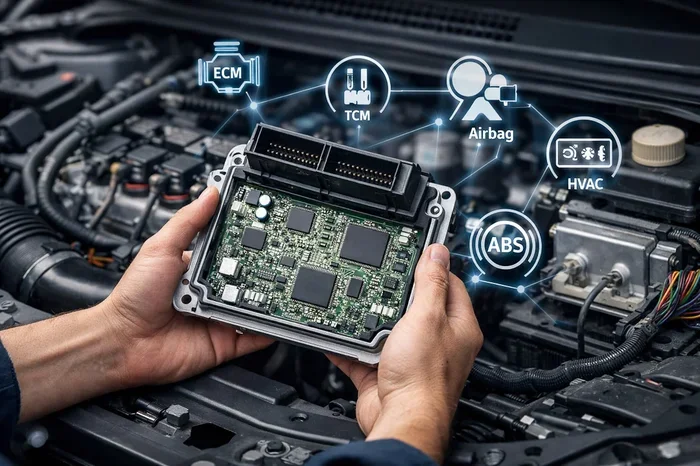
The engine control unit, commonly called the ECU or car computer, monitors and manages your vehicle’s engine performance. It reads data from dozens of sensors and adjusts the engine accordingly. When the ECU detects a problem, it stores a fault code. These codes trigger warning lights like the check engine light on your dashboard.
Sometimes, these codes stay stored even after the issue is fixed. That is where a reset comes in. A reset ECU clears those old codes and gives the system a fresh start. But the ECU also learns your driving habits over time. It adapts fuel mixtures, idle speeds, and shift points based on your driving style. When you reset the ECU, all of those learned adaptations get wiped clean.
This is why understanding the reset process matters. A rushed reset can lead to poor performance. A proper reset gives your car time to relearn and adapt. The goal is to restore normal function without causing new problems.
How Long Does It Take for ECU to Reset Using Different Methods
The time it takes to reset your ECU depends entirely on the method you choose. Below, we break down the most common methods and their timelines.
Method 1: Battery Disconnect Reset
This is the most popular DIY method. You simply disconnect the negative terminal of your car battery. Most experts recommend waiting at least 15 to 30 minutes before reconnecting. Some vehicles may need up to an hour for the ECU reset to fully clear.
Here is a quick breakdown of the steps:
- Turn off your engine and all electronics.
- Use a wrench to loosen the negative battery cable.
- Remove the cable and let it sit disconnected.
- Wait 15 to 60 minutes depending on your vehicle.
- Reconnect the cable and tighten it securely.
- Start the engine and let it idle for a few minutes.
Many people ask, “Does disconnecting the battery reset codes?” The answer is yes. This method clears most stored codes and resets the ECU adaptation values. However, it does not erase any permanent damage or fix underlying mechanical issues.
The total time for this method, including waiting, is usually between 20 minutes and one hour. It is simple, free, and effective for most basic resets.
Method 2: OBD Scanner Reset
An OBD scanner is a handheld device that plugs into your car’s diagnostic port. You can find these scanners at most auto parts stores for under $50. Some advanced models can clear codes and reset the ECU in just a few minutes.
The process is straightforward:
- Locate the OBD port under your dashboard.
- Plug the scanner into the port.
- Turn the ignition to the “on” position.
- Follow the scanner’s menu to read and clear codes.
- Wait for the scanner to confirm the reset is complete.
Using an OBD scanner typically takes about 5 to 15 minutes. However, you still need to complete a drive cycle afterward for the ECU to fully relearn your driving patterns. Without the drive cycle, some codes may return.
Method 3: Dealership or Professional Reset
If you prefer professional help, a dealership or certified mechanic can perform a car ECU reset using factory-level tools. These tools are more powerful than consumer OBD scanners. They can access deeper settings and perform full adaptation resets.
A professional reset usually takes about 30 to 60 minutes at the shop. The technician will connect their diagnostic tool, clear all codes, and run a series of tests. They may also update the ECU software if needed. This method is more expensive but offers the most thorough reset.
One thing to keep in mind: Do Dealerships Replace Key Fob Batteries For Free? While not directly related to ECU resets, it shows that dealership services vary. Always ask about costs before committing to any work.
Method 4: ECU Remapping or Flash Reset
An ECU remap or flash is a more advanced type of reset. This involves replacing the ECU software with a new version or a custom tune. This process is common after engine upgrades or when installing performance parts.
A full ECU flash can take anywhere from 30 minutes to a few hours. The time depends on the complexity of the tune and the type of vehicle. This method is usually done by specialists and should not be attempted as a DIY project unless you have the right equipment.
What Affects ECU Reset Time
Not all ECU resets are the same. Several factors can change how long the process takes. Understanding these factors helps you set realistic expectations.
Vehicle Make and Model
Different cars have different ECU systems. A simple sedan may reset in minutes, while a complex SUV or truck could take longer. European vehicles, for example, often have more sophisticated computer systems that require additional steps. Japanese vehicles like Toyota and Honda tend to have simpler reset processes.
Type of Reset Needed
A basic code clear takes much less time than a full adaptation reset. If you only need to clear a one-time fault code, the process is quick. But if you are resetting after a major repair or battery replacement, the ECU needs more time to relearn everything.
Age and Condition of the Vehicle
Older vehicles with simpler electronics reset faster. Newer vehicles with complex computer networks may need additional time. If your car has multiple modules that need resetting, the process takes longer. Each module, from the engine to the transmission, has its own adaptation data.
Whether You Complete a Drive Cycle
This is a factor many people overlook. After resetting, your car needs a proper drive cycle to recalibrate. Skipping this step can cause codes to return quickly. A full drive cycle can add 15 to 30 minutes to your total reset time.
What to Expect After an ECU Reset
After the reset is complete, your car will behave differently for a short period. This is completely normal. Here is what you can expect and how long the adjustment period typically lasts.
Common Post-Reset Symptoms
- Check Engine Light: It may stay on for a few drive cycles before turning off completely.
- Rough Idle: The engine may idle roughly for the first 10 to 20 minutes of driving.
- Shift Changes: Automatic transmissions may shift harder or differently until the ECU relearns.
- Reduced Fuel Efficiency: You might notice lower gas mileage for the first few tanks of fuel.
- Warning Lights: Other dashboard lights may flash briefly as the system reboots.
These symptoms usually resolve within a few days of normal driving. The ECU is simply relearning your driving patterns and adjusting its settings accordingly.
How Long Until the ECU Fully Adapts
Most experts agree that it takes about 50 to 100 miles of driving for the ECU to fully adapt after a reset. During this period, drive smoothly and avoid aggressive acceleration. This gives the system time to gather data and adjust properly.
Common Mistakes People Make After Resetting the ECU
Avoiding common mistakes can save you time and frustration. Here are the top errors people make when resetting their ECU.
- Not completing a drive cycle: This is the number one mistake. Without a proper drive cycle, old codes can return within days.
- Reconnecting the battery too soon: If you use the battery disconnect method, give the ECU enough time to fully power down.
- Ignoring underlying problems: A reset clears codes but does not fix the root cause. Always diagnose and repair the actual problem first.
- Resetting too frequently: Constant resets can confuse the ECU and lead to erratic behavior.
- Using the wrong scanner: Cheap OBD scanners may not support all reset functions. Make sure your scanner is compatible with your vehicle.
If you want to learn more about related maintenance topics, check out Do You Have To Reset Oil Life for tips on resetting other car systems. Also, many people wonder if resetting the ECU affects other systems. While the ECU primarily controls engine functions, it does communicate with other modules in your car.
How to Know If Your ECU Reset Was Successful
You want to make sure the reset actually worked. Here are clear signs that your ECU reset was successful.
- The check engine light stays off after several drive cycles.
- Your engine idles smoothly without surging or dipping.
- Transmission shifts feel normal and smooth.
- Fuel efficiency returns to normal levels within a few tanks.
- No new fault codes appear when you scan with an OBD tool.
If you still see the check engine light after a week of driving, there may be an ongoing issue that the reset did not fix. In that case, it is best to visit a mechanic for a proper diagnosis.
Should You Reset Your ECU Yourself or Go to a Professional?
This is a common question, and the answer depends on your comfort level and the reason for the reset.
For simple code clears, a DIY approach works great. A basic OBD scanner makes this easy and affordable. The battery disconnect method is also simple and requires no special tools.
However, if you are dealing with persistent problems, complex codes, or need a full adaptation reset, a professional is the better choice. A dealership or certified mechanic has access to advanced tools and manufacturer-specific software. They can also update ECU firmware if needed.
If you own a Toyota, you might also wonder about dealership services. Can I Take My Toyota To Any Dealership For Warranty Work is a related topic worth exploring if you are considering professional ECU services for a Toyota vehicle.
Final Thoughts on ECU Reset Time
The ECU reset process is simpler than most people think. A basic reset takes anywhere from 5 minutes to one hour, depending on the method. A full adaptation reset with a drive cycle may take a few days of normal driving to complete fully.
The key is to be patient and follow the proper steps. Rushing the process or skipping the drive cycle can lead to repeated problems. Whether you use a battery disconnect, an OBD scanner, or professional tools, the goal is the same: to give your car’s computer a clean slate so it can operate at its best.
Remember, a reset is not a fix for underlying mechanical issues. Always address the root cause of any problems before resetting. And if you are unsure about any step, do not hesitate to consult a professional. Your car’s engine control unit is a sophisticated piece of technology. Treating it with care will keep your vehicle running smoothly for years to come.
Now that you know how long it takes for ECU to reset, you can approach the process with confidence. Whether you are clearing a stubborn check engine light or simply refreshing your car’s computer, you are fully prepared to handle it the right way.
Frequently Asked Questions
How long does a basic ECU reset take?
A basic ECU reset using an OBD scanner or battery disconnect typically takes between 5 and 30 minutes. The actual clearing process is quick, but you should allow extra time for the system to fully power down and reboot before driving.
Do I need to drive a certain distance after resetting the ECU?
Yes. Most vehicles need about 50 to 100 miles of driving after a reset for the ECU to fully relearn and adapt. This period allows the system to recalibrate fuel mixtures, idle speeds, and other parameters based on your driving habits.
Will resetting the ECU clear the check engine light permanently?
It will clear the light temporarily, but only if the underlying issue is fixed. If the problem that triggered the code still exists, the check engine light will return after a few drive cycles. Always diagnose and repair the root cause before resetting.
Can I reset the ECU without an OBD scanner?
Yes. The battery disconnect method does not require any special tools. Simply disconnect the negative battery terminal, wait 15 to 60 minutes, and reconnect. This method works for most vehicles and clears most stored codes.
Is it safe to reset the ECU while the car is running?
No. You should always turn off the engine before disconnecting the battery or using a scanner. Resetting the ECU while the car is running can cause electrical spikes that may damage sensitive components. Always follow proper safety procedures.
How often should I reset my ECU?
There is no need to reset your ECU regularly. A reset is only necessary when you are clearing codes after a repair, replacing the battery, or addressing a persistent check engine light. Frequent resets can disrupt the ECU’s learned adaptations and cause more problems than they solve.