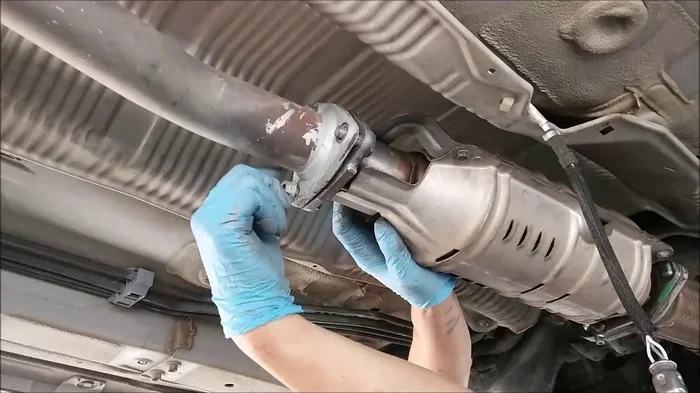
How Long Does It Take to Replace a Catalytic Converter
Replacing a catalytic converter typically takes between one and three hours for most vehicles, though the exact time depends on your car’s make, model, and the condition of the exhaust system. The catalytic converter replacement cost can range from a few hundred to over a thousand dollars, and understanding the process helps you plan accordingly.
Replacing a catalytic converter is one of those repairs that car owners dread. The catalytic converter replacement cost can sting, and the thought of spending hours at the shop doesn’t help either. But here’s the good news: in most cases, the actual replacement process is surprisingly quick. Whether you’re dealing with a failing unit or trying to plan for a future repair, understanding the timeline helps you make informed decisions.
So, how long does it really take? The answer depends on several factors, including your vehicle’s design, the condition of the exhaust system, and whether any other parts need attention during the job. In this guide, we’ll walk through everything you need to know about the replacement timeline, costs, and what to expect every step of the way.
The catalytic converter plays a vital role in your vehicle’s exhaust system. It reduces harmful emissions by converting toxic gases into less harmful substances. When it starts to fail, your car’s performance drops, fuel efficiency suffers, and you might even fail an emissions test. That’s why getting the replacement done right matters so much.
Key Takeaways
- Average Time: Most catalytic converter replacements take one to three hours under normal conditions.
- Cost Range: Expect to pay between $300 and $1,500 depending on parts and labor rates in your area.
- Common Symptoms: Reduced fuel efficiency, rattling noises, and a glowing check engine light are key warning signs.
- DIY vs. Professional: A qualified mechanic is usually recommended due to the complexity and safety concerns involved.
- Aftermarket vs. OEM: OEM converters last longer but cost more than aftermarket options.
- Driving Safety: You can drive short distances with a failing converter, but prolonged driving risks further engine damage.
📑 Table of Contents
- How Long Does It Take to Replace a Catalytic Converter
- What Affects the Catalytic Converter Replacement Time
- The Catalytic Converter Replacement Process Step by Step
- How Much Does It Cost to Replace a Catalytic Converter
- Signs Your Catalytic Converter Needs Replacement
- Can You Drive With a Bad Catalytic Converter
- How to Make Your Catalytic Converter Last Longer
- Common Mistakes People Make With Catalytic Converter Replacement
- Frequently Asked Questions
- Final Thoughts
How Long Does It Take to Replace a Catalytic Converter
The straightforward answer is that most replacements take between one and three hours. However, that’s an average. Some jobs finish in under an hour, while others stretch closer to four hours depending on the circumstances.
What Determines the Timeline
Several factors influence how long the job takes. Let’s break them down so you know what to expect before you walk into the shop.
Vehicle Make and Model
Some vehicles have catalytic converters that are easy to access. Others hide them deep in the exhaust system, making removal a real challenge. For example, many modern SUVs and trucks have converters that sit close to the engine, which makes the process faster. Sports cars and certain sedans, on the other hand, might require lifting the vehicle and working around tight spaces.
Condition of the Exhaust System
If the bolts and nuts holding the converter in place are rusted or seized, the mechanic will need extra time to free them. Corrosion is a common issue, especially on older vehicles or those that live in cold climates where road salt accelerates rust. A mechanic might need penetrating oil or even a torch to break things loose, which adds time to the job.
Whether Other Parts Need Attention
Sometimes the mechanic discovers other issues during the replacement. A damaged oxygen sensor, a cracked exhaust manifold, or worn-out gaskets might need fixing at the same time. This extends the overall time but ensures your vehicle runs properly after the repair.
Average Time by Vehicle Type
Here’s a general breakdown of what you can expect based on your vehicle type:
- Compact Cars: 1 to 1.5 hours
- Mid-Size Sedans: 1 to 2 hours
- SUVs and Trucks: 1.5 to 3 hours
- Luxury Vehicles: 2 to 4 hours
These are rough estimates. Always ask your mechanic for a more accurate timeline based on your specific vehicle.
What Affects the Catalytic Converter Replacement Time
Beyond the basic timeline, several variables can stretch or shrink the replacement window. Understanding these helps you set realistic expectations.
Labor Rates and Shop Availability
Busy shops might schedule your car for a specific time slot, which means you could wait a day or two for the work to begin. Additionally, labor rates vary by region. A shop in a major city often charges more per hour than a rural garage, but the actual time spent on the job remains similar.
Aftermarket vs OEM Catalytic Converter
The type of converter you choose matters too. OEM (Original Equipment Manufacturer) converters are built to your vehicle’s exact specifications. They tend to fit perfectly and last longer. Aftermarket converters are cheaper but may require adjustments during installation. A mechanic might spend extra time ensuring an aftermarket unit fits correctly, which can add 30 minutes or more to the job.
When choosing between the two, consider your budget and how long you plan to keep the vehicle. If you’re keeping it for years, the OEM option often makes more sense despite the higher upfront cost.
Pre-Existing Exhaust Damage
If your exhaust system has other damage, the mechanic needs to address it before or during the converter replacement. Broken hangers, cracked pipes, or corroded flanges all add time. A thorough inspection beforehand helps identify these issues early and prevents surprises mid-repair.
The Catalytic Converter Replacement Process Step by Step
Knowing what happens during the replacement helps you understand why the timeline looks the way it does. Here’s a step-by-step breakdown of the typical process.
Step 1: Inspection and Diagnosis
The mechanic starts by inspecting the exhaust system and running diagnostic tests. They check for error codes, inspect the converter visually, and listen for unusual sounds. This diagnostic phase usually takes 15 to 30 minutes. It’s an important step because it confirms whether the converter is truly the problem or if something else is causing the symptoms.
Step 2: Raising the Vehicle
For most vehicles, the converter sits underneath the car. The mechanic lifts the vehicle on a jack or ramp and secures it safely. This step takes just a few minutes but is essential for both access and safety.
Step 3: Removing the Old Converter
This is the most time-sensitive part of the job. The mechanic unbolts the converter from the exhaust system. If the bolts are in good condition, this goes quickly. If they’re rusted, it can take 20 to 30 minutes of careful work to remove them without damaging the exhaust pipes.
In some vehicles, the converter is part of a larger exhaust assembly. This means the mechanic might need to remove other components first, adding more time to the process. Patience is key here to avoid cracking exhaust manifolds or breaking fragile connections.
Step 4: Installing the New Converter
Once the old unit is out, the mechanic installs the new one. They bolt it in place, reconnect any sensors, and check for proper alignment. A new gasket or sealant is often used to prevent leaks. This step typically takes 20 to 45 minutes depending on the vehicle’s design.
Step 5: Testing and Final Checks
After installation, the mechanic lowers the vehicle, starts the engine, and checks for leaks. They also clear any error codes and take the car for a short test drive. This final phase usually takes 15 to 30 minutes and ensures everything is working as it should.
Adding all these steps together gives you the total replacement time. Most jobs fall within the one-to-three-hour range we mentioned earlier.
How Much Does It Cost to Replace a Catalytic Converter
The catalytic converter replacement cost varies widely based on your vehicle and the type of converter you choose. Let’s look at the numbers so you can budget accordingly.
Parts Cost
The converter itself is the biggest expense. OEM converters typically cost between $500 and $1,500. Aftermarket options range from $200 to $800. The price difference comes down to materials, build quality, and warranty coverage.
Some vehicles use high-value converters that contain precious metals like platinum and palladium. These converters cost more but also last longer and perform better. If you own a luxury or performance vehicle, expect the parts cost to be on the higher end of the spectrum.
Labor Cost
Labor for a catalytic converter replacement usually runs between $100 and $300, depending on your location and the shop’s hourly rate. Since most jobs take one to three hours, you can expect the labor portion to be a relatively small part of the total cost.
Here’s a quick breakdown of total costs across different vehicle types:
- Economy Cars: $400 to $800 total
- Mid-Range Vehicles: $600 to $1,200 total
- Luxury and Performance Vehicles: $900 to $2,000+ total
Additional Costs to Consider
Don’t forget about related expenses. You might need a new oxygen sensor, fresh gaskets, or exhaust sealant. These small additions can add $50 to $150 to the final bill. Always ask for a detailed estimate before the work begins so there are no surprises at checkout.
Signs Your Catalytic Converter Needs Replacement
Catching a failing converter early saves you money and prevents further damage to your vehicle. Here are the most common symptoms to watch for.
Reduced Fuel Efficiency
A clogged or damaged converter restricts exhaust flow, which forces your engine to work harder. You’ll notice you’re visiting the gas station more often than usual. If your fuel efficiency drops suddenly, the converter should be on your checklist. A drop of 5 to 10 percent in mileage is a red worth.
Rattling or Vibrating Noises
A failing converter can break apart internally, creating a rattling sound. You’ll usually hear this when starting the car or idling. The noise often gets louder as you accelerate. This is a clear sign that the internal honeycomb structure has collapsed and the converter needs immediate attention.
Check Engine Light
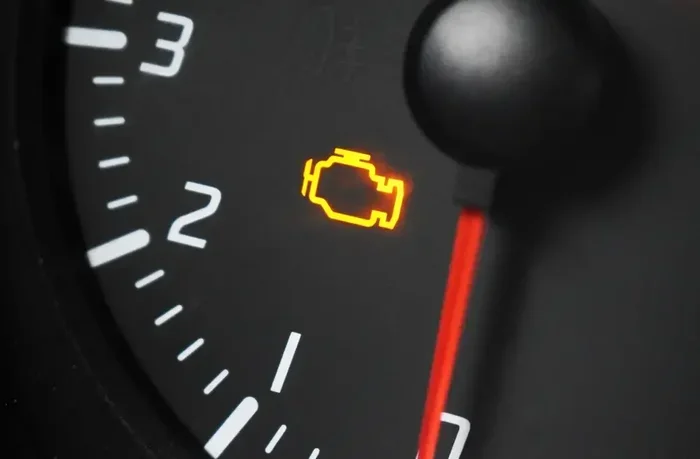
The check engine light is one of the most common indicators of converter problems. Your vehicle’s computer monitors the converter’s efficiency through oxygen sensors. When performance drops, the light comes on. A quick diagnostic scan at the shop will reveal the specific error code pointing to the converter.
Interestingly, a bad catalytic converter can also cause your car to overheat, which is something many drivers don’t realize. If you notice your temperature gauge climbing alongside any of these other symptoms, it’s time for a professional inspection.
Failed Emissions Test
If your vehicle fails an emissions test, a faulty converter is often the culprit. The converter’s job is to clean exhaust fumes before they leave the tailpipe. When it fails, harmful pollutants pass through unchecked. This not only harms the environment but can also get you fined in states with strict emission regulations.
Rotten Egg Smell
A healthy converter converts hydrogen sulfide into sulfur dioxide, which has a mild smell. A failing converter can’t process these gases properly, leading to a strong rotten egg odor coming from the exhaust. If you smell this inside or near your vehicle, don’t ignore it. It’s a clear signal that the converter is breaking down.
Can You Drive With a Bad Catalytic Converter
The short answer is yes, but with important caveats. You can drive short distances with a failing converter, but prolonged driving can cause serious engine damage.
A bad converter restricts exhaust flow, which creates back pressure. Over time, this pressure builds up and can damage your engine’s internals. You might also notice your vehicle running rough, stalling, or struggling to accelerate. In severe cases, a completely clogged converter can cause your car to shut down unexpectedly.
If you suspect your converter is failing, get it inspected as soon as possible. Driving on a bad converter for too long can lead to expensive secondary repairs. The good news is that replacing the converter early often prevents these cascading problems.
It’s also worth noting that in many states, driving without a functioning catalytic converter is illegal. The emission control device is required by law, and removing or bypassing it can result in hefty fines. Always keep your converter in working order to stay compliant and protect your vehicle.
While we’re on the topic of exhaust system health, it’s worth mentioning that a dirty air filter can also cause your car to overheat, which puts extra stress on the entire exhaust system. Keeping up with basic maintenance like air filter changes helps your converter last longer and perform better.
Now, if you’re wondering whether you can drive without a catalytic converter, the answer is technically yes, but it’s not recommended. Doing so releases unfiltered exhaust fumes into the atmosphere, which is harmful to the environment and often illegal. More importantly, driving without a converter can trigger multiple warning lights and degrade your engine’s performance over time.
How to Make Your Catalytic Converter Last Longer
Prevention is always better than replacement. Here are some practical tips to extend the life of your catalytic converter and avoid premature failure.
Use Quality Fuel
Cheap or contaminated fuel can introduce harmful substances into your exhaust system. These contaminants can damage the converter over time. Stick with reputable gas stations and the fuel grade recommended by your vehicle’s manufacturer. A little extra care at the pump saves you significant repair bills down the road.
Keep Your Engine Tuned
A misfiring engine sends unburned fuel into the exhaust system. This raw fuel can overheat the converter and cause it to fail prematurely. Regular tune-ups and spark plug replacements go a long way in protecting your converter. Follow your manufacturer’s recommended maintenance schedule for the best results.
Address Engine Problems Promptly
If you notice any engine issues, don’t ignore them. Problems like rich fuel mixtures, cooling system leaks, or oil burning can all damage the converter if left unchecked. Early intervention saves you from costly repairs down the road. A small fix today prevents a big bill tomorrow.
Avoid Short Trips When Possible
Short trips don’t allow the exhaust system to reach optimal operating temperature. Over time, this can cause moisture buildup inside the converter, leading to corrosion. When you can, combine errands into longer trips to give your exhaust system time to heat up and dry out. This simple habit extends the life of many exhaust components.
Common Mistakes People Make With Catalytic Converter Replacement
Avoiding these common pitfalls can save you time, money, and headaches.
Choosing the Cheapest Option
While it’s tempting to go with the lowest-priced converter, cheap aftermarket units often don’t last as long. They may also not meet emission standards in your state, which can cause you to fail inspections. Investing in a quality converter upfront saves you from repeat repairs and the hassle of going back to the shop.
Ignoring the Root Cause
A failing converter is often a symptom of another problem, not the cause. Engine misfires, fuel system issues, and oil consumption can all damage converters. If you only replace the converter without fixing the underlying issue, the new unit will fail too. Always ask your mechanic to diagnose the full picture before committing to the replacement.
Skipping the Oxygen Sensor Check
A faulty oxygen sensor can mimic converter failure symptoms. Before replacing the converter, make sure the oxygen sensors are working correctly. Replacing a sensor is much cheaper than replacing a converter, and it solves the problem in many cases. A simple scan tool check can save you hundreds of dollars.
Frequently Asked Questions
How long does a catalytic converter last?
Most catalytic converters last between 70,000 and 100,000 miles, though some last even longer with proper maintenance. Driving habits, fuel quality, and overall vehicle health all play a role in determining the lifespan. Regular exhaust system inspections help you catch issues before the converter fails completely.
Is catalytic converter replacement covered by warranty?
It depends on your vehicle and warranty terms. Many new cars come with an emissions warranty that covers the catalytic converter for up to 8 years or 80,000 miles. Check your warranty documentation or ask your dealer to confirm what’s covered. Aftermarket converters typically come with their own limited warranty.
Can a bad catalytic converter cause a car to overheat?
Yes, a restricted converter creates back pressure that can cause engine overheating. When exhaust gases can’t escape efficiently, heat builds up in the combustion chamber. If you notice overheating alongside other converter symptoms, have your vehicle inspected immediately to prevent serious engine damage.
How much does it cost to replace a catalytic converter?
The total cost ranges from $300 to $2,000 depending on your vehicle, the type of converter, and labor rates in your area. Economy cars tend to fall on the lower end, while luxury and performance vehicles cost more. Always get a detailed estimate before authorizing the repair.
Can you drive without a catalytic converter?
Technically yes, but it’s not recommended or legal in most areas. Driving without a converter releases unfiltered pollutants, triggers warning lights, and can degrade engine performance over time. It also means your vehicle will likely fail emissions inspections, which can result in fines or registration issues.
What happens if you don’t replace a failing catalytic converter?
A failing converter can lead to reduced engine performance, poor fuel economy, and eventually engine damage. The increased back pressure strains the engine and can cause overheating. In worst-case scenarios, a completely clogged converter can stall your vehicle and leave you stranded. Replacing it promptly avoids these costly complications.
Final Thoughts
So, how long does it take to replace a catalytic converter? For most vehicles, the answer is one to three hours. The process is straightforward when everything goes smoothly, but factors like rusted bolts, tight engine bays, and additional repairs can stretch the timeline.
The catalytic converter replacement cost is the bigger concern for most car owners. With prices ranging from a few hundred to over two thousand dollars, it’s a significant repair. But catching the problem early and choosing the right converter for your vehicle helps you get the best value for your money.
Regular maintenance goes a long way in keeping your converter healthy. Use quality fuel, stay on top of engine tune-ups, and address exhaust issues promptly. Your converter works hard every day to keep your vehicle running cleanly and efficiently. Giving it the care it deserves means fewer surprises and a smoother ride for miles to come.
If you suspect your converter is failing, don’t wait. Schedule an inspection with a trusted mechanic and get a clear picture of what needs to be done. The sooner you act, the more you protect your wallet and your vehicle’s long-term health.