Difference Between 2012 and 2013 Toyota Corolla Facelift
The Difference Between 2012 and 2013 Toyota Corolla models comes down to a facelift that brought updated styling, minor tech upgrades, and fresh trim details. While the engine and core specs stayed the same, the 2013 model introduced a bolder front end, revised interior touches, and subtle improvements that made it stand out. If you are shopping for either year, knowing these differences helps you make a smarter buy.
Key Takeaways
- Exterior Styling Update: The 2013 Corolla received a redesigned front fascia, new headlights, and a revised grille that gave it a more modern look compared to the 2012 model.
- Same Reliable Engine: Both years share the same 1.8L 4-cylinder engine producing 132 hp, so performance and fuel economy remain nearly identical.
- Interior Refinements: The 2013 model brought updated steering wheel designs, new trim pieces, and slightly improved materials in the cabin.
- Technology Tweaks: The 2013 Corolla received minor updates to the audio and infotainment system, along with new color options for the exterior.
- Trim Level Changes: Some trim levels were renamed or repositioned, giving buyers slightly different options between the two model years.
- Pricing Shift: The 2013 model carried a modest price adjustment compared to the 2012, reflecting the cosmetic and minor tech updates.
- Reliability Unchanged: Both years share the same strong reputation for dependability, low maintenance costs, and long-term durability.
📑 Table of Contents
- Understanding the Difference Between 2012 and 2013 Toyota Corolla Facelift
- Exterior Changes: What Looks Different
- Interior Updates and Cabin Refinements
- Engine, Performance, and Fuel Economy
- Technology and Safety Features
- Trim Levels and Pricing Comparison
- Common Mistakes Buyers Make When Comparing These Two Years
- Expert Insights: Which Year Should You Choose
- Conclusion
Understanding the Difference Between 2012 and 2013 Toyota Corolla Facelift
When you are looking at used Toyota Corollas, the years matter. The difference between 2012 and 2013 Toyota Corolla models is a topic that comes up often among car shoppers. Both years belong to the same generation, but Toyota made meaningful changes that are worth understanding. The 2013 model is essentially a facelift of the 2012 design. This means Toyota kept the same platform and core specs but refreshed the look and feel.
So why does this matter? If you are buying a used Corolla, knowing what changed between these two years helps you pick the right car for your needs and budget. The 2013 facelift brought a more polished appearance, updated technology, and small interior upgrades. At the same time, the mechanical side stayed largely the same. That is good news for buyers who want reliability without paying a premium. Let us break down every major area where these two model years differ.
The Toyota Corolla has been one of the best-selling sedans in the world for decades. Its reputation for dependability and low cost of ownership makes it a top choice. The 2012 and 2013 years fall within the 11th generation of the Corolla, which ran from 2008 to 2013. Understanding what Toyota changed during this facelift gives you an edge when comparing models on the lot or online.
Exterior Changes: What Looks Different
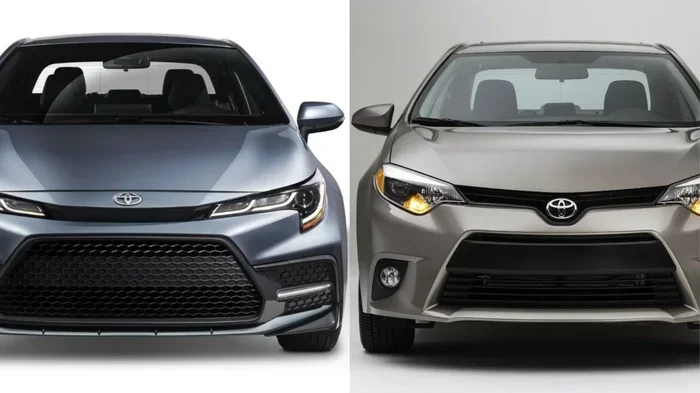
The most noticeable difference between the 2012 and 2013 Toyota Corolla is on the outside. Toyota gave the 2013 model a fresh front end that made it look more upscale and modern. This was part of a broader design direction for Toyota during that era.
Front Fascia and Grille
The 2012 Corolla had a more conservative front design. The grille was smaller and sat flush with the bumper. The 2013 model got a larger, more prominent grille with a chrome surround. The front bumper was also redesigned with sharper lines and a more aggressive stance. These changes made the 2013 Corolla look more expensive than its predecessor.
Headlights and Taillights
The headlights on the 2013 Corolla were reshaped and slimmer than the 2012 version. They featured a more refined look with improved LED positioning on higher trims. The taillights also received a subtle update, with a slightly different lens pattern that gave the rear end a more distinctive appearance.
New Color Options
Toyota added new exterior colors for the 2013 model year. Some colors that were available on the 2013 were not offered on the 2012. This gave buyers more personalization options. If color matters to you, this is one area where the facelift made a real difference.
Wheels and Alloy Designs
The 2013 Corolla introduced new wheel designs on several trims. The alloy wheels looked more contemporary and added to the updated visual appeal. The 2012 model had simpler wheel options that felt a bit dated by comparison.
Interior Updates and Cabin Refinements
Inside the cabin, the changes between the 2012 and 2013 Toyota Corolla were more subtle but still meaningful. Toyota focused on improving the feel and quality of materials in the interior.
Steering Wheel and Controls
The 2013 Corolla received a redesigned steering wheel with a more modern look. The controls on the steering wheel were also refined for better ergonomics. The audio and cruise control buttons were repositioned for easier access. This is a small change, but it makes a daily driving difference.
Dashboard and Trim Pieces
The dashboard on the 2013 model featured updated trim pieces with a softer texture. Toyota addressed some of the hard plastic complaints that owners had about the 2012 model. The center console also got a slight redesign, with better placement for the gear shifter and storage compartments.
Seating and Upholstery
The seat designs carried over mostly from the 2012 model, but Toyota introduced new upholstery patterns on higher trims. The cloth seats felt a bit more refined, and the leather options on the XLE trim were upgraded. Comfort levels remained the same, which is a big plus for daily commuters.
If you are maintaining a Corolla S and wondering about oil changes, you can check out Can I Change My Corolla S Oil Myself for a helpful guide on DIY maintenance.
Engine, Performance, and Fuel Economy
Here is where the 2012 and 2013 Corollas are most similar. Toyota did not change the engine or transmission between these two model years. Both use the same 1.8-liter 4-cylinder engine that produces 132 horsepower and 128 pound-feet of torque. You can choose between a 4-speed automatic or a 5-speed manual transmission.
The fuel economy is also virtually identical. The 2012 and 2013 Corollas both deliver around 27 miles per gallon in the city and 36 miles per gallon on the highway. For a compact sedan, that is excellent fuel efficiency. It is one of the reasons the Corolla has remained so popular for so long.
If you own a 2012 or 2013 Corolla and want to optimize performance, consider checking Can I Use 5W20 Instead Of 5W30 In A Toyota for guidance on the best oil viscosity for your engine.
The suspension setup, brakes, and steering all carried over unchanged as well. Toyota kept the same well-tuned balance of comfort and handling that made the 11th generation Corolla so popular. There was no performance boost, but there was no need for one either. This engine is proven and reliable.
Technology and Safety Features
The technology and safety features saw minor updates between the 2012 and 2013 Toyota Corolla. These changes were not dramatic, but they added value to the 2013 model.
Infotainment and Audio System
The 2013 Corolla received slight updates to the audio system. The interface was made a bit more intuitive, and the sound quality improved slightly on higher trims. Bluetooth connectivity was available on most trims, and the 2013 model refined the pairing process. If you want to add features like remote start to your Corolla, you can read Can Remote Start Be Added To My Toyota for useful tips.
Safety Equipment
Both the 2012 and 2013 Corollas come standard with stability control, anti-lock brakes, and multiple airbags. Toyota did not make major changes to the safety equipment between these years. However, the 2013 model may have included slight refinements to the airbag deployment system. For the most part, safety ratings remained consistent across both model years.
Keyless Entry and Convenience Features
The keyless entry system was similar on both years. However, the 2013 model refined the remote functions and added a few convenience features. Power windows, power mirrors, and cruise control were available across multiple trims on both models.
For owners who want to use their phone to unlock the car, check out Can I Unlock My Toyota With My Phone for compatible models and setup tips.
Trim Levels and Pricing Comparison
Toyota adjusted the trim levels and pricing between the 2012 and 2013 Corolla. The facelift brought some repositioning of trim names and features.
Available Trims
The 2012 Corolla was offered in CE, LE, S, LE Eco, and XLE trims. The 2013 model kept most of these trims but made some adjustments. The LE Eco trim focused on fuel efficiency and was a popular choice for buyers who wanted maximum mileage. The S trim offered a sportier appearance with unique styling cues.
Price Differences
The 2013 Corolla carried a slight price increase over the 2012 model. This was expected given the exterior and interior updates. When the cars were new, the price difference was modest, usually a few hundred dollars. Today, as used cars, the price difference between the two years is minimal. In most cases, the 2013 model commands only a small premium.
| Feature | 2012 Toyota Corolla | 2013 Toyota Corolla |
|---|---|---|
| Engine | 1.8L 4-Cylinder, 132 hp | 1.8L 4-Cylinder, 132 hp |
| Transmission | 4-Speed Auto / 5-Speed Manual | 4-Speed Auto / 5-Speed Manual |
| Fuel Economy (City/Hwy) | 27 / 36 mpg | 27 / 36 mpg |
| Front Fascia | Conservative, smaller grille | Updated, larger chrome grille |
| Headlights | Standard design | Slimmer, redesigned |
| Interior Steering Wheel | Previous design | Redesigned, modern look |
| Exterior Colors | Standard set | New color options added |
| Trim Levels | CE, LE, S, LE Eco, XLE | CE, LE, S, LE Eco, XLE (adjusted) |
| Starting Price (New) | ~$15,500 | ~$15,800 |
Common Mistakes Buyers Make When Comparing These Two Years
When shopping between a 2012 and 2013 Corolla, many buyers make mistakes that cost them time and money. Here are some common pitfalls to avoid.
Assuming the 2013 is always better. The facelift did not change the mechanical components. A well-maintained 2012 model can be just as reliable as a 2013. Do not overpay just because the year is newer.
Ignoring maintenance history. The model year matters less than how the car was maintained. A 2012 Corolla with full service records is a better buy than a 2013 with no maintenance history. Always request the service log before purchasing.
Overlooking the manual transmission. Both years offered a 5-speed manual. If you prefer manual shifting, you can find great deals on either year. The manual transmission also tends to have lower repair costs over time.
Not checking for recall notices. Both the 2012 and 2013 Corollas may have had recalls issued during their production run. Always verify that any recalls have been addressed before making a purchase.
Focusing only on looks. The exterior changes on the 2013 facelift are nice, but they do not affect the driving experience. Focus on mechanical condition, mileage, and service history first.
Expert Insights: Which Year Should You Choose
As someone who has studied the Toyota Corolla lineup for years, here is my honest take. The difference between 2012 and 2013 Toyota Corolla models is real but minor. If you are choosing between the two, here is what I recommend.
Choose the 2013 if you want the updated styling and slightly more refined interior. The facelift gives the car a more modern appearance that holds up better visually. The technology tweaks are also a nice bonus, even if they are small.
Choose the 2012 if you want to save a little money. The mechanical components are identical, so you are not sacrificing anything under the hood. A well-maintained 2012 Corolla will serve you just as reliably as a 2013.
Either way, you are getting one of the most dependable compact sedans on the road. The Toyota Corolla has earned its reputation through decades of consistent engineering. Both the 2012 and 2013 models represent solid choices for daily driving, commuting, and family transportation.
Proper maintenance is key to keeping either year running strong. Using the right oil, staying on top of scheduled services, and addressing small issues early will extend the life of your Corolla significantly. For oil-related questions, Can I Use 5W 30 Instead Of 0W 20 In A Toyota offers valuable guidance on selecting the right viscosity.
Conclusion
The difference between 2012 and 2013 Toyota Corolla comes down to a facelift that refreshed the exterior, refined the interior, and added minor tech upgrades. Underneath, both years share the same proven 1.8L engine, the same reliable transmission options, and the same outstanding fuel economy. Toyota made smart, cost-effective changes that improved the car without reinventing it.
If you are in the market for a used Corolla, either year is a great choice. The 2013 facelift gives you a slightly more modern look and feel, while the 2012 model offers solid value at a potentially lower price. Focus on maintenance history, mileage, and overall condition when making your decision. Both years deliver the reliability and affordability that made the Toyota Corolla a household name.
Take your time when shopping, test drive both years if possible, and trust your instincts. The 2012 and 2013 Toyota Corollas are both excellent vehicles that will serve you well for many miles to come.
Frequently Asked Questions
Is the 2013 Toyota Corolla a facelift of the 2012 model?
Yes, the 2013 Toyota Corolla is essentially a facelift of the 2012 model. Both years belong to the same 11th generation and share the same platform, engine, and core specifications. The 2013 model received updated exterior styling, revised interior details, and minor technology improvements that set it apart from the 2012 version.
What are the main exterior differences between the 2012 and 2013 Toyota Corolla?
The 2013 Corolla features a redesigned front fascia with a larger chrome grille, slimmer headlights, and updated taillights. The bumper lines were also refined to give the 2013 model a more modern and polished appearance. New exterior color options were added for the 2013 year as well.
Does the 2013 Corolla have better fuel economy than the 2012?
The fuel economy is virtually identical between the two years. Both the 2012 and 2013 Corollas deliver approximately 27 mpg in the city and 36 mpg on the highway. Toyota did not make any changes to the engine or transmission that would affect fuel efficiency between these model years.
Are the engines the same in both the 2012 and 2013 Toyota Corolla?
Yes, both years use the same 1.8-liter 4-cylinder engine producing 132 horsepower and 128 pound-feet of torque. The transmission options are also identical, with a 4-speed automatic and a 5-speed manual available on both models.
Which year Corolla holds its value better, 2012 or 2013?
The 2013 Corolla typically holds its value slightly better due to the facelift updates and newer model year status. However, the difference is usually small, and both years depreciate at a similar rate. Condition, mileage, and maintenance history matter far more than the specific year when it comes to resale value.
Can I use the same parts for both the 2012 and 2013 Toyota Corolla?
Many parts are interchangeable between the 2012 and 2013 Corollas since they share the same platform and mechanical components. However, exterior panels such as the front bumper, headlights, and grille differ between the two years due to the facelift. Always verify part compatibility before making a purchase.