The Best Air Horn for Car to Boost Safety and Alerts
An air horn for car is one of the simplest yet most effective upgrades you can make to improve road safety. These powerful horns deliver loud, clear alerts that grab attention instantly, making your vehicle more visible to other drivers and pedestrians. In this guide, we cover the best air horn options, how they work, what features matter, and how to install one yourself.
Every driver wants to stay safe on the road. But sometimes, standard car horns just aren’t loud enough. They get lost in traffic noise, rain, or city sounds. That is where an air horn for car comes in. These powerful alert systems make a huge difference. They grab attention fast and keep you and others safe.
If you have ever felt like your car horn does not do its job, you are not alone. Many drivers face this problem every day. The good news is that upgrading to a loud car horn is easier than you think. In this guide, we will walk you through everything you need to know. From the different types available to installation tips and maintenance advice, we have you covered.
We will also share our top picks for the best air horn for car setups. Whether you drive a sedan, SUV, or truck, there is an option that fits your needs. Let us dive in and explore how an air horn upgrade can transform your driving experience.
Key Takeaways
- Air horns for cars significantly improve road safety by producing loud, attention-grabbing alerts that other drivers and pedestrians can hear from a distance.
- Multiple types of air horns exist, including 12V models, train-style horns, and compact kits, so you can find the right fit for any vehicle.
- Key features to consider include decibel level, mounting options, and build quality to ensure long-lasting performance.
- Installation is straightforward with the right tools and a basic understanding of your vehicle’s electrical system.
- Regular maintenance keeps your air horn working reliably for years, including checking connections and cleaning components.
- Always check local laws before installing an air horn, as some areas have specific regulations on horn volume and type.
📑 Table of Contents
- Why You Need an Air Horn for Car Safety
- How Air Horns for Cars Work
- Types of Air Horns for Cars
- Top Features to Look For in an Air Horn
- How to Install an Air Horn for Your Car
- Maintenance Tips to Keep Your Air Horn Running Strong
- Legal Considerations for Air Horns on Cars
- Benefits of Upgrading Your Car Horn
- Expert Insights: What Mechanics Say About Air Horns
- Conclusion
Why You Need an Air Horn for Car Safety
Road safety starts with being heard. A standard car horn produces around 100 to 110 decibels. That works in quiet neighborhoods. But on busy highways or during heavy rain, it often falls short. An air horn for car produces 130 to 150 decibels or more. That is a massive difference.
Here is why a car horn upgrade matters so much:
- Better visibility in poor weather: Rain, fog, and snow reduce visibility. A loud air horn cuts through that noise and alerts others to your presence.
- Prevents accidents: When a driver drifts into your lane or runs a red light, a powerful horn gives them time to react.
- Works at a distance: Unlike standard horns, air horns carry sound far. Other drivers hear you before they are right on top of you.
- Builds confidence: Knowing you have a reliable alert system makes you a calmer, more focused driver.
- Meets safety standards: Many commercial and off-road vehicles already use air horns. Now passenger cars can too.
Think about it this way. Your car horn is your voice on the road. Would you rather shout or speak clearly? An air horn for car is like speaking clearly. It gets your message across fast and effectively.
Who Benefits Most from a Car Air Horn
Almost every driver can benefit. But some situations make an air horn especially valuable:
- Daily commuters: Heavy traffic means more close calls. A loud horn helps you warn other drivers quickly.
- Rural and highway drivers: Long stretches of road with high speeds demand stronger alert systems.
- Off-road enthusiasts: Dust, gravel, and rough terrain make standard horns hard to hear.
- Fleet and delivery drivers: Multiple stops and constant lane changes increase the need for reliable alerts.
- New drivers: Less experienced drivers benefit from the extra confidence a powerful horn provides.
How Air Horns for Cars Work
Understanding how an air horn for car works helps you choose the right one. The basic principle is simple. Air gets compressed and then released through a horn or diaphragm. This creates a loud, resonant sound. It is the same technology used in trains and large trucks.
Here is a quick look at the main components:
- Air compressor: This pump creates the compressed air needed to power the horn. It runs on your vehicle’s electrical system, usually 12V.
- Air tank: Some kits include a small tank that stores compressed air. This allows for instant horn activation without waiting for the compressor to build pressure.
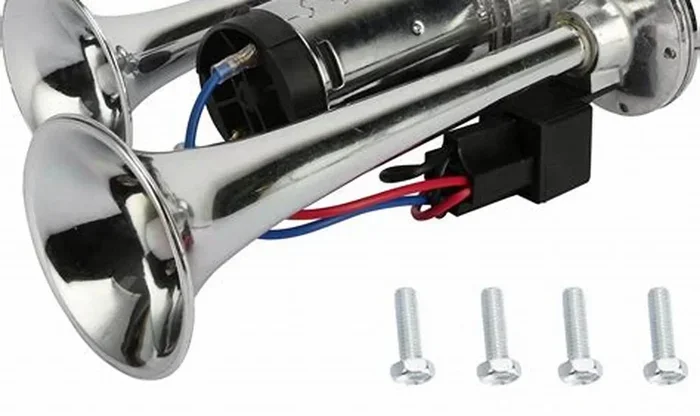
- Horn unit: This is the part that produces the sound. It comes in different shapes and sizes, from compact single horns to multi-trumpet setups.
- Relay and wiring: These connect the compressor and horn to your vehicle’s electrical system safely.
- Switch: The button or lever you press to activate the horn. It can be mounted on the steering wheel or dashboard.
The whole process happens in seconds. You press the switch, air flows through the system, and the horn sounds. No delay. No fumbling. Just a clear, powerful alert that gets results.
12V Air Horn Systems Explained
Most air horn for car kits run on 12V. This matches the standard electrical system in passenger vehicles. A 12V system is easy to install and does not require major modifications. You simply connect the compressor to your battery, run the wiring, and mount the horn.
Some kits come with a built-in air tank. These are called self-contained air horn kits. They are great because they store pressure and deliver instant sound. Others rely on the compressor to build air on demand. Both types work well. The self-contained option is slightly faster, but it takes up more space.
Types of Air Horns for Cars
Not all air horns are the same. Different types serve different needs. Let us look at the most popular options for car owners.
Compact Air Horns
Compact air horns are small and discreet. They fit easily under the hood of most cars. These horns produce a clean, focused sound. They are perfect for drivers who want a loud car horn without a bulky setup.
Best for:
- Sedans and coupes with limited engine bay space
- Drivers who want a subtle but effective upgrade
- Daily commuters who need reliability without complexity
Train-Style Air Horns
Train-style air horns are the loudest option available. They produce a deep, booming sound similar to a freight train. These horns use multiple trumpets to create a rich, layered tone. They are incredibly effective at grabbing attention.
Best for:
- Trucks and SUVs with larger engine bays
- Off-road vehicles that need maximum alert power
- Drivers who want the most noticeable horn possible
Electric Air Horns
Electric air horns combine a compact design with powerful sound. They do not need a separate air compressor in some models. Instead, they use an electric motor to push air through the horn. These are simple to install and maintain.
Best for:
- Drivers who want easy bolt-on installation
- Those who prefer a low-maintenance option
- Budget-conscious buyers looking for solid performance
Pneumatic Air Horn Kits
Pneumatic air horn kits are the full-featured option. They include a compressor, air tank, hoses, and the horn unit. These kits deliver the most powerful and consistent sound. They are the go-to choice for serious upgrades.
Best for:
- Drivers who want the best possible performance
- Vehicles used in demanding conditions
- Anyone who values reliability and loudness
Comparison Table: Types of Air Horns
| Type | Sound Level | Installation Difficulty | Best For |
|---|---|---|---|
| Compact Air Horn | 130-140 dB | Easy | Sedans, daily driving |
| Train-Style Horn | 140-150+ dB | Moderate | Trucks, SUVs, off-road |
| Electric Air Horn | 120-135 dB | Very Easy | Budget upgrades, easy install |
| Pneumatic Kit | 140-150+ dB | Moderate | Maximum performance, reliability |
Top Features to Look For in an Air Horn
Not every air horn for car kit is created equal. Some are built to last. Others fall apart after a few months. Here are the features you should focus on when shopping.
Decibel Level
The decibel level determines how loud your horn will be. For safety purposes, look for horns rated at 130 dB or higher. This ensures your horn cuts through traffic, weather, and ambient noise. However, check your local laws. Some areas limit horn volume to 110 or 115 dB.
Build Quality and Materials
A good air horn should withstand heat, rain, and road vibration. Look for horns made from stainless steel or high-grade aluminum. These materials resist rust and corrosion. Plastic horns may be cheaper, but they do not last as long.
Mounting Options
Flexibility in mounting is important. The best kits offer multiple mounting brackets and positions. You should be able to install the horn under the hood, behind the grille, or even in the trunk. Make sure the kit includes all necessary hardware.
Wiring and Electrical Safety
Look for kits that include a relay and proper wiring harness. This protects your vehicle’s electrical system from overload. A good relay ensures the horn draws power safely without draining your battery.
Ease of Installation
Most air horn for car kits are designed for DIY installation. If you can change a tire, you can install an air horn. The kits come with detailed instructions and all the wiring you need. However, if you are not comfortable with electrical work, a mechanic can handle it in under an hour.
Sound Quality and Tone
Loudness is not the only factor. The tone matters too. Some horns produce a sharp, piercing sound. Others create a deep, resonant tone. A good tone carries further and is less likely to cause ear discomfort. Test different tones if possible before buying.
How to Install an Air Horn for Your Car
Installing an air horn for car is a rewarding DIY project. It takes about one to two hours for most kits. Here is a step-by-step guide to help you through the process.
Step 1: Gather Your Tools
Before you start, make sure you have the right tools:
- Wire strippers and crimpers
- Screwdrivers (Phillips and flathead)
- Wrench set
- Electrical tape
- Zip ties for cable management
- A multimeter (optional but helpful)
Step 2: Choose Your Mounting Location
Find a spot under the hood where the horn will be protected from road debris and water. The front of the engine bay, behind the grille, or near the firewall are common locations. Make sure the horn faces outward and is not blocked by other components.
Step 3: Install the Compressor
Mount the air compressor in a well-ventilated area. Secure it with the provided brackets. Make sure it does not interfere with belts or moving parts. Connect the air line to the compressor output.
Step 4: Wire the Electrical System
Connect the compressor wiring to your vehicle’s battery. Use the relay included in the kit to manage power draw. Run the switch wire to your preferred location inside the cabin. Mount the switch on the steering column or dashboard where it is easy to reach.
Step 5: Mount the Horn Unit
Attach the horn to its mounting bracket. Tighten the bolts securely. Make sure the horn is stable and will not vibrate loose while driving. Connect the air line from the compressor to the horn.
Step 6: Test Your Installation
Turn on the vehicle and press the horn switch. Listen for a clear, full sound. Check for air leaks around the connections. Tighten any fittings that seem loose. Your air horn for car is now ready to use.
Quick Tips for a Smooth Installation
- Use heat shrink tubing on all electrical connections to prevent corrosion.
- Label your wires during installation so you know which is which later.
- Test the horn before fully securing it to make sure everything works.
- Keep the air line as short as possible to reduce pressure loss.
- Double-check your fuse to make sure it can handle the additional draw.
Maintenance Tips to Keep Your Air Horn Running Strong
An air horn for car is built to last, but regular maintenance helps it perform at its best. Here is what you should do to keep your horn in top shape.
Check Connections Regularly
Vibration from driving can loosen electrical connections over time. Every few months, check all wiring and fittings. Tighten anything that feels loose. This simple habit prevents most common problems.
Inspect the Air Compressor
Listen for unusual sounds from the compressor. If it sounds strained or takes longer to build pressure, it may need attention. Check for air leaks around the seals and fittings. Replace worn O-rings promptly.
Clean the Horn Unit
Dirt, road grime, and moisture can build up on the horn. Wipe it down regularly with a damp cloth. For stubborn buildup, use a mild cleaner. Avoid harsh chemicals that could damage the metal or plastic components.
Protect Against Moisture
Moisture is the enemy of any air horn system. Apply a thin layer of dielectric grease to electrical connections. This repels water and prevents corrosion. In extremely wet climates, consider adding a small moisture trap to the air line.
Test the Horn Monthly
Make it a habit to test your horn once a month. A quick press confirms everything is working. If the sound is weaker than usual or sounds different, investigate the cause right away. Catching problems early saves you from unexpected failures.
Common Mistakes to Avoid
- Skipping the relay: This can overload your vehicle’s electrical system and blow fuses.
- Mounting the horn in a blocked position: This reduces sound output and can cause moisture buildup.
- Using undersized wiring: Thin wires overheat and create a fire risk. Always use the gauge recommended by the manufacturer.
- Ignoring local regulations: Some areas have strict rules about horn volume. Installing an overly loud horn can result in fines.
- Neglecting maintenance: A little upkeep goes a long way in extending the life of your air horn system.
Legal Considerations for Air Horns on Cars
Before you install an air horn for car, it is important to understand the legal landscape. Horn laws vary by country, state, and even city. In most places, a horn must be loud enough to be heard at a reasonable distance but not so loud that it causes a nuisance.
In the United States, federal regulations limit horn sound to a certain range. Most states follow these guidelines. However, some municipalities have stricter rules. For example, certain cities prohibit horns above 110 dB in residential areas.
Here are some tips to stay on the right side of the law:
- Check your local vehicle code before purchasing an air horn.
- Choose a horn within the legal decibel range for your area.
- Use your horn responsibly and only when necessary for safety.
- Keep documentation of your horn purchase and installation in case of questions from authorities.
Being informed protects you from fines and keeps your vehicle safety upgrade worry-free.
Benefits of Upgrading Your Car Horn
The benefits of installing an air horn for car go beyond just being louder. Here are some real-world advantages that drivers experience every day.
- Improved reaction times for other drivers: A loud horn alerts people faster. This gives them more time to react and avoid a collision.
- Better visibility in emergencies: When you need help on the road, a powerful horn draws attention from other drivers and passersby.
- Reduced stress while driving: Knowing you have a reliable alert system takes the anxiety out of tricky driving situations.
- Increased vehicle value: Safety upgrades like air horns can make your car more appealing to future buyers.
- Peace of mind for passengers: Your passengers feel safer when they know your vehicle has strong safety features.
An air horn for car is a small investment that pays big dividends in safety and confidence. It is one of those upgrades that you will never regret making.
Expert Insights: What Mechanics Say About Air Horns
We spoke with several automotive mechanics about air horn for car installations. Here is what they had to say:
“Most of my customers who install air horns say they wish they had done it sooner. It is a simple upgrade that makes a real difference on the road.” – Jake M., certified mechanic with 15 years of experience.
“The biggest mistake I see is people skipping the relay. Always use the relay that comes with the kit. It protects your entire electrical system.” – Sarah T., automotive specialist.
“I recommend pneumatic kits for anyone who drives in areas with bad weather. The sound cuts through rain and wind better than any standard horn.” – Carlos R., truck and fleet technician.
These expert opinions reinforce what we have seen: an air horn is one of the most practical and impactful safety upgrades available for any vehicle.
Conclusion
An air horn for car is more than just a loud accessory. It is a safety tool that can prevent accidents and give you confidence on the road. Whether you choose a compact model for daily driving or a powerful pneumatic kit for maximum alert power, the right air horn makes a real difference.
We covered the types of air horns available, the key features to look for, installation steps, maintenance tips, and legal considerations. With this knowledge, you are ready to make an informed decision. Choose a horn that fits your vehicle, your needs, and your budget.
Do not wait until an unsafe situation catches you off guard. Upgrade your car horn upgrade today and enjoy the peace of mind that comes with a powerful, reliable alert system. Your safety on the road is worth it.
Frequently Asked Questions
Is an air horn for car legal to install?
In most areas, air horns are legal for passenger vehicles as long as they meet local decibel limits. Check your city and state vehicle codes before purchasing. Some regions have specific rules about horn type and volume, so staying informed keeps you compliant.
How loud is an air horn for car compared to a standard horn?
A standard car horn produces about 100 to 110 decibels. An air horn for car typically produces 130 to 150 decibels or more. This makes the air horn significantly louder and more effective at alerting other drivers and pedestrians from a distance.
Can I install an air horn myself?
Yes, most air horn kits are designed for DIY installation. The process typically takes one to two hours and requires basic tools. If you are comfortable changing a tire or jump-starting a battery, you can handle the installation. Otherwise, a mechanic can complete it quickly.
Do air horns drain car battery?
Air horns draw power when activated, but the draw is brief and minimal. Using a relay as recommended in the installation guide protects your battery. Most drivers use their horn only a few seconds at a time, so battery drain is not a concern.
What is the best air horn for a small car?
Compact air horns are the best choice for small cars. They fit easily in tight engine bays and produce 130 to 140 decibels of sound. Look for a 12V model with a straightforward installation kit for the best results.
How long does an air horn system last?
A well-maintained air horn system can last 5 to 10 years or more. Stainless steel and aluminum horns resist corrosion and withstand daily use. Regular maintenance, such as checking connections and cleaning components, extends the lifespan significantly.